
What Is a Concealer?
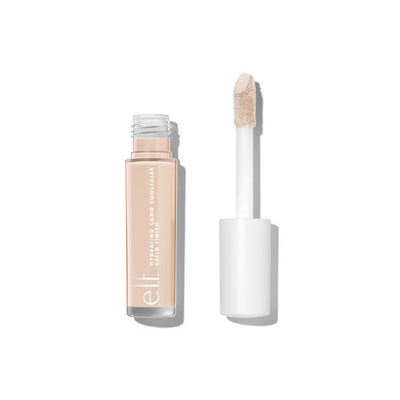
Wondering what is a concealer and why you need it when foundation already provides coverage? Concealer is a complexion makeup product used to cover dark circles, blemishes, redness, dark spots and other areas of discolouration. It gives targeted coverage and can also brighten, highlight and help create a more even-looking complexion.
What Is a Concealer?
 Concealer is a makeup product designed to hide or soften the appearance of specific imperfections. While foundation is usually spread across larger areas of the face, concealer is often applied only where extra coverage is needed.
You can use it under the eyes, over a blemish, around the nose or on areas of uneven skin tone. Some people also use concealer for highlighting and contouring.
Concealers come in different coverage levels, finishes and textures. You will find lightweight liquid formulas for natural everyday makeup as well as highly pigmented products designed for fuller coverage.
The right choice depends on what you want to conceal, your skin type and the finish you prefer.
What Does Concealer Do?
The main job of concealer makeup is to provide targeted coverage.
Imagine that your foundation has evened out most of your complexion, but a blemish or dark under-eye area remains visible. Rather than applying another heavy layer of foundation everywhere, you can add concealer only to that area.
This helps keep the rest of your base looking lighter and more natural.
Concealer can also be used on bare skin. If you prefer minimal makeup, you may only need a little concealer on the areas you want to even out.
How Does Concealer Work?
Concealer works by depositing pigment over an area to reduce how visible the underlying colour appears.
The amount of coverage varies between formulas. A sheer concealer allows more of your natural skin to show through, while a full coverage concealer contains enough pigment to cover more noticeable marks or discolouration.
Texture also matters. Creamy formulas can work well where flexibility is needed, while more matte formulas may suit people who want greater staying power or less shine.
What Is Concealer Used For?
Understanding what is concealer used for is easier when you think of it as a targeted complexion product.
Instead of changing your entire face, it lets you focus coverage exactly where you need it.
Common uses include:
- Covering dark circles, blemishes, redness and dark spots
- Brightening selected areas of the face
- Creating targeted coverage without wearing full foundation
The same concealer can sometimes perform several of these jobs, although you may prefer different shades or finishes for different areas.
Concealer for Dark Circles
One of the most common uses for concealer is covering dark circles.
Under-eye concealer can make the eye area appear brighter and more even. However, you do not necessarily need to cover the entire under-eye area with a thick layer.
Look at where the darkness is strongest and apply the product there first.
A product such as Maybelline Age Rewind Concealer available at Khayest provides buildable coverage and can be used under the eyes as well as on other areas of the face.
For very strong blue, purple or brown-looking darkness, a colour corrector underneath may help before concealer is applied.
Concealer for Acne and Blemishes
Concealer can also hide the visible colour of a blemish.
For spot concealing, choose a shade that closely matches your actual skin rather than one that is much lighter.
Why?
A light concealer can brighten the blemish and make it stand out instead of helping it blend into the surrounding skin.
Apply a small amount directly over the area, allow it to sit briefly if the formula benefits from it, and then gently blend the edges without removing all the coverage from the centre.
Concealer for Dark Spots and Hyperpigmentation
Dark spots and hyperpigmentation often need more targeted coverage than the rest of the face.
A buildable concealer for dark spots lets you increase coverage only where necessary.
For example, LA Girl HD Pro Concealer and Corrector at Khayest offers buildable coverage and comes in complexion shades as well as colour-correcting options.
If pigmentation is particularly noticeable, correcting the underlying colour first can help prevent you from applying excessive layers of skin-toned concealer.
Concealer for Redness
Concealer can soften the appearance of redness around the nose, on blemishes or elsewhere on the face.
For mild redness, a skin-matching concealer may be enough.
More noticeable redness can sometimes benefit from a tiny amount of green colour corrector before concealer.
Remember that makeup covers the visible colour. It does not treat the underlying cause of persistent redness.
What Is the Difference Between Concealer and Foundation?
One of the biggest questions surrounding what is concealer is why it exists when foundation already provides coverage.
The products can overlap, but they are usually used differently.
Foundation is generally designed to create a more even base across larger areas of the face. Concealer is designed for concentrated coverage where more help is needed.
Modern makeup is flexible, though. Some foundations offer very high coverage, while some concealers are lightweight enough to blend across larger areas.
Is Concealer Just Thicker Foundation?
Not exactly.
It is easy to think of concealers as simply a thicker foundation because many concealers provide more concentrated coverage.
However, products can differ in pigment, texture, finish, wear and intended application.
A lightweight concealer may even feel thinner than a rich full-coverage foundation.
It is more useful to choose based on what the product does on your skin rather than assuming every concealer must be thick.
Is Concealer More Pigmented Than Foundation?
Many concealers contain concentrated pigment because they are expected to cover a small area effectively.
That does not mean every concealer provides more coverage than every foundation.
A sheer concealer can provide less coverage than a full-coverage foundation.
Always check the individual formula and its intended coverage level.
Do You Need Concealer If You Use Foundation?
Not necessarily.
If your foundation gives you all the coverage you want, you do not have to apply concealer simply because it appears in a traditional makeup routine.
Concealer is useful when some areas need more coverage than others.
For example, you may like a light foundation across your face but want extra coverage under your eyes and over two blemishes. Adding concealer only to those places keeps the rest of your complexion from becoming unnecessarily heavy.
This targeted approach is one reason concealer is so useful.
Can You Use Concealer Instead of Foundation?
Yes. You can absolutely wear concealer without foundation.
In fact, this is a practical way to create a minimal makeup look.
Apply concealer under the eyes, around the nose, over blemishes or anywhere your complexion looks uneven. Then blend the edges carefully into bare skin.
You retain more of your natural complexion while covering the areas that bother you.
Can You Put Concealer on Your Whole Face?
Technically, yes, but that does not mean it is always the best use of the product.
Many concealers are more concentrated than foundation. Applying a full-coverage formula heavily across your entire face can look or feel heavier than using a foundation designed for broader application.
If you want to use concealer across larger areas, choose a flexible, blendable formula and apply a very thin layer.
Can You Wear Concealer Without Foundation?
Yes, and it can look very natural.
The important part is choosing a shade that blends well with your bare skin.
A bright under-eye shade may look obvious when no foundation surrounds it. For concealer-only makeup, a close skin match usually makes blending easier.
Concealer vs Color Corrector: What Is the Difference?
A concealer and color corrector perform related but different jobs.
A colour corrector neutralises an unwanted colour. For example, peach or orange may help balance certain dark under-eye tones, while green can reduce the appearance of redness.
Concealer then provides skin-toned coverage over that area.
You do not automatically need both.
Do You Need Color Corrector Before Concealer?
Only when necessary.
If concealer alone covers your dark circles or redness, there is little reason to add another layer.
Colour corrector becomes useful when discolouration continues to show through your concealer or makes the finished area look grey.
Use very little corrector. Too much can create another colour that you then have to cover.
Should Concealer Go Before or After Foundation?
For most everyday makeup, concealer can be applied after foundation.
Foundation may already cover some redness, marks and uneven tone. You can then see exactly where additional coverage is needed and apply concealer only there.
However, this is not an absolute rule.
You can use concealer first, particularly if you are not wearing foundation or have a technique that works better for you.
If you use colour corrector, that is usually applied before your skin-toned concealer.
How to Choose the Right Concealer Shade
Choosing the right concealer shade depends on what you are trying to achieve.
A concealer for spot coverage has a different job from one used to brighten the centre of your face.
Your skin tone and undertone also matter.
Should Concealer Match Your Foundation?
For blemishes, dark spots and targeted face concealing, a shade close to your skin or foundation usually gives the most natural result.
This helps the covered area disappear into the surrounding complexion.
For example, the Maybelline Fit Me Concealer at Khayest comes in multiple complexion shades and offers buildable coverage for dark circles, blemishes and uneven skin tone.
Choose your shade according to its purpose rather than automatically buying the lightest option.
Should Concealer Be Lighter Than Your Skin?
It does not always need to be lighter.
A slightly lighter concealer can create a brightening effect under the eyes or on selected areas of the face.
However, going dramatically lighter may make the area look unnatural or grey, especially over strong pigmentation.
For blemishes, a close skin match is usually more useful than a bright shade.
What Concealer Shade Is Best for Blemishes?
Use a shade close to your skin tone.
The goal is to make the blemish blend into the rest of your complexion rather than draw attention to it.
Also consider undertone. A shade may have the right depth but still look noticeably pink, yellow or orange if its undertone does not suit your complexion.
How to Apply Concealer Correctly
Good application can make even a simple liquid concealer look polished.
Start with prepared skin. Moisturiser can help prevent dry areas from making makeup look patchy.
Apply foundation first if you use it. Then look at your complexion and identify where extra coverage is actually required.
Where Should You Apply Concealer?
There is no rule saying concealer must cover a fixed set of areas.
Apply it wherever you personally need additional coverage.
That may include:
- Under the eyes and around the inner corners
- On blemishes, dark spots or areas of redness
- Around the nose or other areas of uneven skin tone
You can also place concealer strategically for brightening, but this is optional rather than an essential makeup step.
How Much Concealer Should You Use?
Start with less than you think you need.
Heavy concealer application is one of the easiest ways to create a cakey-looking base.
Place a small amount over the area, blend it and check the coverage before adding more.
A buildable concealer makes this particularly easy because you can add another thin layer only where necessary.
How to Blend Concealer Naturally
You can blend concealer with your fingers, a sponge or a brush.
Rather than rubbing aggressively, use gentle tapping or pressing motions. This helps keep coverage over the area you intended to conceal.
When spot concealing, focus blending around the edges while keeping more product in the centre.
For under-eyes, work gently because the skin in that area is delicate.
Why Does Concealer Look Cakey?
Cakey concealer is often caused by too much product, excessive powder, dry skin or too many makeup layers.
More product does not always create better coverage.
If your concealer looks heavy, try using a smaller amount and concentrating it only where darkness is strongest.
Skin preparation also matters. Very dry areas can make complexion products look uneven.
Finally, be careful when setting concealer. Powder can improve wear, but using too much may make some under-eye areas look dry or textured.
Why Does Concealer Crease Under the Eyes?
The under-eye area naturally moves when you smile, blink and make facial expressions.
Fine lines and folds are normal, so some product movement can happen.
You can minimise visible creasing by using thin layers and avoiding an excessive amount of concealer.
After blending, check whether product has collected in a line before applying a small amount of setting powder if your formula needs it.
The goal should be comfortable, natural-looking coverage rather than making the under-eye completely motionless.
Why Does Concealer Look Grey or Ashy?
An ashy under-eye result often means there is a mismatch between the concealer, your skin tone and the underlying discolouration.
For example, placing a very pale concealer directly over strong blue-purple or brown darkness can create a grey appearance.
A suitable peach or orange corrector may help neutralise strong darkness first.
You should also check your concealer's undertone. A formula can be close in depth but still look wrong if the undertone clashes with your complexion.
Can You Use the Same Concealer for Under Eyes and Blemishes?
Yes, you can, provided the formula and shade work for both areas.
However, the ideal requirements can differ.
Under-eye skin may benefit from a flexible, comfortable formula that does not emphasise dryness. Blemishes may require more concentrated coverage and a close skin match.
Shade is another consideration.
If your under-eye concealer is much lighter for brightening, using it over a blemish may make that spot more noticeable.
Liquid vs Cream vs Stick Concealer
 Different types of concealer offer different textures and levels of convenience.
Liquid concealer is extremely versatile. Depending on the formula, it can provide anything from light to full coverage and is easy to blend under the eyes or across targeted facial areas.
Cream concealer usually has a richer texture and can provide concentrated coverage. It can work well for dark spots and areas that need more pigment.
Stick concealer is convenient for precise application and touch-ups. Some stick formulas provide strong coverage, although texture varies widely between products.
Rather than choosing by format alone, consider your skin type, desired finish and coverage needs.
Can Concealer Be Used to Highlight and Contour?
Yes. Concealer has uses beyond hiding imperfections.
A lighter shade can be placed strategically to brighten areas such as the under-eyes or centre of the face.
A deeper concealer can also be used for cream contouring when its undertone and texture are suitable.
However, you do not need several concealer shades as a beginner.
Start with a shade that solves your main coverage needs. You can add highlighting or contour shades later if they suit your makeup style.
Is Concealer Necessary for Beginners?
Concealer is useful, but no makeup product is compulsory.
For beginners, concealer can actually be one of the easiest complexion products to start with because you do not have to apply it everywhere.
If you want simple everyday makeup, you can moisturise your skin, apply concealer only where needed, add mascara and lip colour, and stop there.
This makes concealer makeup particularly useful for people who want a fresh complexion without learning a full foundation routine immediately.
Frequently Asked Questions
What Is Concealer Used for in Makeup?
If you are wondering what concealer is, it is a complexion product mainly used for targeted coverage. It can help hide dark circles, blemishes, dark spots, redness and uneven skin tone. Concealer can also be used for brightening, highlighting and contouring.
Can I Use Concealer Without Foundation?
Yes. Concealer can be applied directly to prepared skin for a natural, minimal makeup look. Choose a shade close to your skin tone and blend the edges carefully so the covered areas do not look separate from your bare skin.
Is Concealer the Same as Foundation?
No. Although the two products can overlap, foundation is generally used to even out larger areas of the complexion, while concealer provides more targeted coverage. Many concealers also have more concentrated pigment for covering specific imperfections.
Should Concealer Be Lighter Than Foundation?
Not always. For blemishes and dark spots, a shade close to your foundation or natural skin tone is usually better. A slightly lighter concealer can be used when your goal is brightening rather than spot concealing.
Do You Put Concealer Before or After Foundation?
Many people apply foundation first and concealer afterwards. This allows the foundation to provide initial coverage so you only add concealer where necessary. However, concealer can also be used first or worn alone depending on your routine.
Conclusion
So, what is a concealer? Concealer is a targeted complexion product used to cover dark circles, blemishes, redness, dark spots and uneven areas without requiring heavy makeup across your entire face.
It is different from foundation because foundation generally creates an even base over larger areas, while concealer focuses coverage where you need it most. You can use both together, but you do not have to. Concealer can also be worn on its own for a fresh, natural-looking base.
Choosing the right shade is just as important as choosing the formula. Use a close skin match for blemishes and spot concealing, while a slightly lighter shade can be useful for controlled brightening. If strong discolouration still appears grey beneath concealer, consider whether colour correction would work better than simply adding another thick layer.
Most importantly, start small. A few carefully placed dots of concealer often look better than covering the whole under-eye or face with a heavy layer.
Whether you prefer natural everyday makeup or fuller coverage, the right concealer can make your base more flexible and targeted. Explore concealers and correctors at Khayest to find complexion formulas for dark circles, blemishes, pigmentation, redness and your preferred level of coverage.