
How to Choose Sunscreen for Dry Skin
If you're wondering how to choose sunscreen for dry skin, the key is finding a product that protects your skin while keeping it hydrated and comfortable. The right sunscreen should offer broad-spectrum SPF protection, contain moisturizing ingredients, and suit your skin type without leaving it feeling tight, flaky, or irritated.
Why Choosing the Right Sunscreen Matters for Dry Skin
People with dry skin often struggle to find a sunscreen that feels comfortable throughout the day. While some products provide excellent sun protection, they may leave the skin feeling tight or emphasise dry patches. Others may pill after moisturizer or leave an unwanted white cast.
This is why choosing sunscreen for dry skin requires more than simply looking at the SPF number.
A good sunscreen should not only protect against harmful ultraviolet rays but also help maintain your skin's natural moisture. When your skin stays hydrated, it feels softer, looks healthier, and is less likely to become irritated after sun exposure.
Instead of choosing the first sunscreen you see, it is worth understanding which ingredients, textures, and formulas work best for dry skin.
Quick Reference Table
| Task | Timing | Method | Difficulty |
|---|---|---|---|
| Cleanse Face | Morning | Use a gentle cleanser | Easy |
| Apply Moisturizer | Morning | Hydrating cream | Easy |
| Apply Sunscreen | Every morning | Broad-spectrum SPF 30+ | Easy |
| Reapply Outdoors | Every 2 hours | Even layer | Easy |
| Remove Sunscreen | Night | Gentle cleanser | Easy |
How to Choose Sunscreen for Dry Skin
When learning how to choose sunscreen for dry skin, don't focus only on SPF. The best sunscreen combines effective sun protection with ingredients that support hydration and strengthen the skin barrier.
A sunscreen that feels comfortable is much easier to wear every day, and consistency is one of the most important parts of protecting your skin from long-term sun damage.
There are several factors worth considering before choosing a product, including the level of sun protection, the texture of the formula, and the ingredients it contains.
Choose Broad-Spectrum Protection
One of the first things to check on the label is whether the sunscreen offers broad-spectrum protection.
Broad-spectrum sunscreens help protect your skin from both UVA and UVB rays.
UVA rays penetrate deep into the skin and contribute to premature ageing, fine lines, wrinkles, and uneven skin tone. They are present throughout the year and can even pass through ordinary window glass.
UVB rays mainly affect the outer layers of the skin and are responsible for sunburn. They also play a major role in triggering excess melanin production, which can lead to tanning.
Choosing a sunscreen that protects against both types of ultraviolet rays provides more complete daily protection for your skin.
SPF 30 or SPF 50?
Another common question is whether SPF 30 is enough.
For most people, SPF 30 provides excellent protection for everyday activities such as commuting, working, shopping, or spending short periods outdoors.
If you expect to spend longer in direct sunlight, such as during outdoor events, travelling, or holidays, SPF 50 may provide additional protection.
Rather than assuming higher SPF means you can stay in the sun all day, remember that reapplying sunscreen remains important regardless of the SPF level.
Cream, Lotion, or Gel: Which Texture Is Best?

The texture of a sunscreen can make a significant difference for dry skin.
Many people naturally prefer cream or lotion formulas because they provide extra moisture while creating a comfortable finish.
Cream sunscreens are usually richer and help reduce feelings of dryness throughout the day. They are particularly suitable for people whose skin often feels tight after cleansing.
Lotion formulas are slightly lighter while still providing hydration, making them a good choice for everyday use.
Some gel sunscreens can also work well, especially if they include hydrating ingredients. However, many gel formulas are designed for oily skin and may not provide enough moisture for people with very dry skin.
Choosing a texture that feels comfortable encourages daily use, which is far more important than selecting the most expensive product available.
Why Hydration Is Just as Important as Sun Protection
Dry skin naturally loses moisture more quickly than other skin types. Without enough hydration, the skin barrier becomes weaker, making the skin feel rough, flaky, or uncomfortable.
This is why sunscreen for dry skin should do more than simply protect against UV rays.
A good hydrating sunscreen helps lock in moisture while shielding the skin from environmental damage. It can also reduce the feeling of tightness that some people experience after applying sunscreen.
Many modern sunscreens combine sun protection with moisturizing ingredients, making them suitable for daily use as part of a simple skincare routine.
However, if your skin is particularly dry, applying a moisturizer before sunscreen is often the best approach.
How to Identify a Good Sunscreen Label
Shopping for sunscreen can feel confusing because product labels often contain unfamiliar terms.
Instead of focusing on marketing claims, look for features that genuinely benefit dry skin.
A quality sunscreen should clearly mention broad-spectrum protection and include an SPF suitable for your lifestyle. It should also describe itself as hydrating, moisturizing, or suitable for dry or sensitive skin.
Many people with dry skin also prefer products that absorb well without leaving the skin feeling sticky or heavy.
Choosing a sunscreen that feels pleasant on your skin makes it much easier to apply every morning without skipping this important step.
Does Expensive Mean Better?
One of the biggest misconceptions is that the most expensive sunscreen is automatically the best.
In reality, an affordable sunscreen that suits your skin type and is used consistently will often provide better results than a premium product that sits unused on the shelf.
The ideal sunscreen is one that offers reliable protection, keeps your skin comfortable, and fits easily into your daily skincare routine.
Rather than chasing trends or social media recommendations, choose products based on your skin's needs. Dry skin benefits most from formulas that combine effective sun protection with long-lasting hydration.
A sunscreen that feels comfortable every day is far more valuable than one with an impressive price tag but an uncomfortable finish.
Best Ingredients to Look for in Sunscreen for Dry Skin
One of the most important parts of learning how to choose sunscreen for dry skin is understanding the ingredient list. While SPF tells you how well a sunscreen protects against UVB rays, the ingredients determine how comfortable your skin feels throughout the day.
If your skin often feels rough, flaky, or tight, choose sunscreens that contain ingredients designed to improve hydration and support the skin barrier.
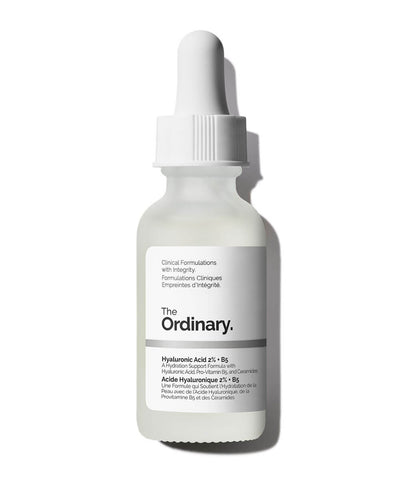
Hyaluronic Acid
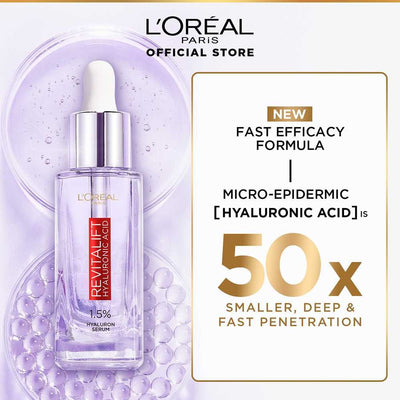
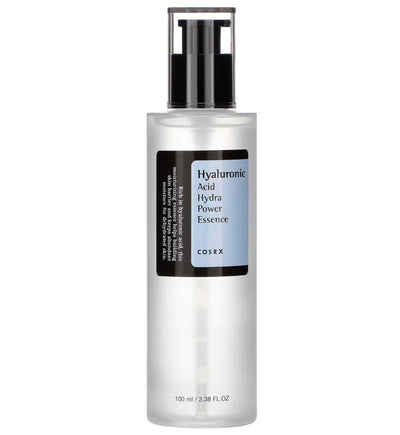
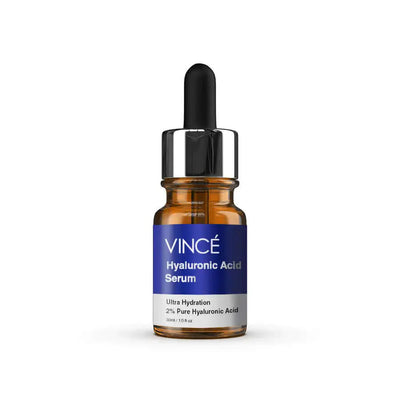
Hyaluronic Acid is one of the most popular hydrating ingredients in skincare. It helps attract and retain moisture, leaving the skin looking smoother and feeling softer.
For people with dry skin, a sunscreen containing Hyaluronic Acid can provide lasting hydration without feeling heavy or greasy.
Ceramides
Ceramides are natural lipids that help strengthen the skin barrier. When your skin barrier is healthy, it holds moisture more effectively and becomes less prone to dryness.
Sunscreens with Ceramides are especially beneficial for people whose skin feels irritated or tight after washing their face.
Glycerin
Glycerin is another highly effective moisturizing ingredient. It draws water into the outer layers of the skin, helping reduce dryness and improve overall comfort.
Many dermatologist-recommended sunscreens for dry skin include Glycerin because it works well for daily use and suits most skin types.
Squalane
Squalane is a lightweight moisturizing ingredient that softens the skin without leaving a greasy residue. It helps reduce moisture loss while maintaining a smooth and healthy-looking complexion.
People who want hydration without heaviness often enjoy sunscreens that contain Squalane.
Panthenol and Vitamin E
Ingredients like Panthenol and Vitamin E also help support dry skin by soothing irritation and providing additional nourishment.
Although these ingredients do not replace a moisturizer, they make sunscreen more comfortable for everyday wear.
Ingredients Dry Skin Should Avoid
Not every sunscreen is suitable for dry skin.
Some formulas are designed to control oil and reduce shine, which can make dry skin feel even more dehydrated.
If your skin is naturally dry, pay attention to the ingredient list and avoid products that may increase discomfort.
These include:
- High amounts of drying alcohol.
- Strong mattifying formulas.
- Heavy fragrance if your skin is sensitive.
- Products specifically marketed only for very oily skin.
Choosing a gentle, hydrating formula usually provides better long-term comfort while maintaining excellent sun protection.
Should You Apply Moisturizer Before Sunscreen?

This is one of the most frequently asked questions by people with dry skin.
In most cases, the answer is yes.
A moisturizer helps replenish hydration and strengthens the skin barrier before sunscreen is applied. Once the moisturizer has absorbed, sunscreen forms the final protective layer in your morning skincare routine.
Applying moisturizer first can also make sunscreen spread more evenly and reduce the feeling of tightness throughout the day.
If your sunscreen already contains moisturizing ingredients, it may provide enough hydration for mildly dry skin. However, people with very dry skin usually achieve better results by using both products together.
Why Does Sunscreen Pill After Moisturizer?
Many people become frustrated when sunscreen starts rolling into small flakes after application. This problem, known as pilling, is common but usually easy to avoid.
One reason is applying sunscreen before the moisturizer has fully absorbed. Giving your skincare a few minutes to settle allows each product to form a smooth layer.
Using too much product at once or rubbing the skin aggressively can also cause pilling. Instead, apply sunscreen gently using light, even strokes.
Sometimes the moisturizer and sunscreen simply do not work well together because of their different formulations. If pilling continues, trying a different combination of products often solves the issue.
Can Sunscreen Replace Moisturizer?
Many modern sunscreens advertise hydrating benefits, leading people to wonder whether they still need a separate moisturizer.
For dry skin, the answer is usually no.
A hydrating sunscreen can provide additional moisture, but its main purpose is protecting your skin from harmful UV rays. A moisturizer is specifically formulated to improve hydration and support the skin barrier.
Using both products together gives dry skin the best balance of nourishment and sun protection.
Common Mistakes When Choosing Sunscreen for Dry Skin
Choosing the wrong sunscreen often leads to discomfort, even if the product provides excellent UV protection.
A common mistake is selecting a sunscreen simply because it is popular online rather than considering your skin's needs. Another is choosing a mattifying formula that is better suited to oily skin.
Many people also ignore the ingredient list and focus only on SPF. While SPF is important, hydration is equally essential for maintaining healthy dry skin.
Finally, some people skip sunscreen during cloudy weather or while staying indoors near windows. However, UVA rays can still reach your skin through glass, making daily sunscreen an important habit all year round.
Build the Ideal Morning Routine for Dry Skin
Creating a simple routine makes daily sun protection much easier.
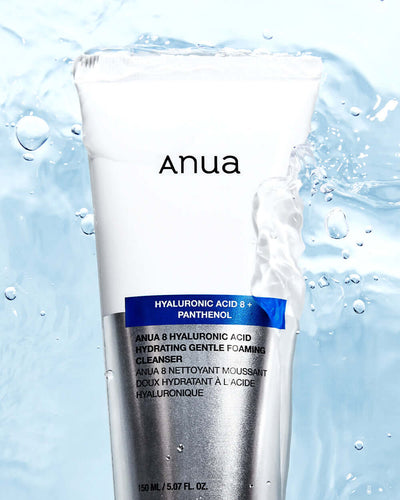
Start by cleansing your face with a gentle cleanser that removes overnight impurities without stripping away natural moisture.
Next, apply a nourishing moisturizer suitable for dry skin. Allow it to absorb before applying a generous layer of broad-spectrum sunscreen with SPF 30 or higher.
If you wear makeup, sunscreen should be the final skincare step before applying cosmetics.
Following this routine consistently helps keep your skin hydrated, protected, and comfortable throughout the day.
Find Hydrating Sunscreens at Khayest
Finding the right sunscreen becomes much easier when you choose products designed for your skin type.
At Khayest, you can explore authentic broad-spectrum sunscreens, nourishing moisturizers, gentle cleansers, hydrating serums, and other skincare essentials suitable for dry and sensitive skin. Whether you're looking for lightweight daily protection or a richer moisturizing formula, selecting products that support your skin barrier can help you maintain healthy, comfortable skin every day.