
Where to Apply Concealer?
Wondering where to apply concealer for natural-looking coverage? Focus on the areas that actually need it, such as under-eye darkness, inner corners, blemishes, dark spots, redness and uneven tone around the nose or mouth. Good concealer placement can brighten your complexion and provide coverage without making your makeup look heavy or cakey.
Where to Apply Concealer?
The best concealer placement depends on what you want to cover. You do not need to follow the same pattern every time you apply makeup.
Instead, look at your bare skin first.
Do you have darkness around the inner corners of your eyes? Is there redness beside your nose? Do you have one blemish that needs extra coverage?
Apply concealer to those areas rather than automatically covering large sections of your face.
For everyday makeup, concealer is commonly placed under the eyes, around the nose, over blemishes and dark spots, and on small areas of uneven skin tone.
It can also be used for brightening. However, concealing and brightening are different goals, so your placement and shade may change depending on the result you want.
Do You Need Concealer All Over Your Face?
No. In fact, targeted application is one of the main benefits of concealer.
Foundation is better suited to creating an even base over larger areas. Concealer lets you add coverage only where your complexion needs extra help.
If most of your skin already looks even, covering everything can make your base heavier than necessary.
Why Concealer Placement Matters
Where you put concealer affects how natural your finished makeup looks.
If you place too much under your eyes, the product may settle into fine lines. If you use a bright shade over a blemish, the spot may become more noticeable.
Good placement means using the right amount in the right place.
Where to Apply Concealer Under the Eyes
 The under-eye area is one of the most popular places for under eye concealer, but it is also where people tend to use too much.
You do not always need a large triangle of product.
Look at your under-eye area in natural light. Identify where the darkness actually appears and start there.
For many people, the deepest shadow is close to the inner corner and along the natural under-eye hollow.
Where to Put Concealer for Dark Circles
Apply concealer where the dark circles are strongest rather than covering everything from your lash line to your cheek.
A small amount near the inner under-eye area can make a surprisingly big difference.
You can then add another small dot towards the outer area if needed.
A lightweight, buildable formula such as Maybelline Age Rewind Concealer from Khayest can be useful for controlled under-eye coverage because you can build the product where more coverage is required.
The aim is to soften darkness while keeping the skin looking like skin.
Should You Apply Concealer to the Inner Corners?
Yes, if you have darkness there.
The inner corners can create shadows that make the whole eye area appear more tired. A tiny amount of concealer can brighten this area without requiring a thick layer underneath the entire eye.
Use a small brush or your fingertip for precise placement.
Blend gently into the surrounding skin rather than spreading the product too far.
Do You Need the Concealer Triangle?
The large under-eye concealer triangle became popular because it creates a very bright, full-coverage effect.
However, it is not necessary for everyday makeup.
If you prefer a natural finish, targeted dots often use less product and create less texture.
The triangle technique can still work if you enjoy full-glam makeup, but it should be a choice rather than a rule.
Where to Apply Concealer for Blemishes and Acne
For blemishes, place concealer directly on the area you want to cover.
Do not spread it over a large section of skin unless the surrounding area also needs coverage.
A concealer that closely matches your natural complexion is usually best for spot concealing. A much lighter shade can highlight the blemish instead of hiding it.
How to Conceal a Spot Without Removing Coverage
Apply a small dot directly over the blemish and give the formula a moment to settle if appropriate.
Then blend mainly around the edges.
Avoid rubbing directly across the centre because this can remove the pigment from the exact place where you need the most coverage.
A small concealer brush can be particularly useful for precise spot application.
Remember that makeup can hide visible colour, but it cannot remove the natural texture of a raised blemish.
Where to Apply Concealer for Dark Spots and Hyperpigmentation
For dark spots and hyperpigmentation, apply concealer directly over each darker area.
A product such as LA Girl HD Pro Concealer and Corrector at Khayest offers buildable coverage as well as corrective shade options.
Start with a small amount.
If the pigmentation remains visible, add another thin layer rather than immediately covering it with a thick coat.
For strong discolouration, colour correction may help before skin-toned concealer. This can reduce the amount of concealer needed afterwards.
Where to Apply Concealer for Redness
Redness often appears around the sides of the nose, near blemishes or in small patches across the complexion.
Place your concealer directly over those areas and soften the edges.
For mild redness, a normal skin-matching concealer may be enough.
If the redness is strong, a small amount of green colour corrector can be used underneath.
How to Conceal Redness Around the Nose
The sides and corners of the nose are common places for redness.
Use a small amount of concealer and press it gently into the area.
Avoid creating a thick layer because makeup around the nose can move as your face naturally produces oil or when you touch your face.
A precise brush or fingertip can help you keep the coverage exactly where you need it.
Where to Apply Concealer to Brighten Your Face
Concealer does not have to be used only for hiding imperfections.
A slightly brighter shade can also bring light to selected areas of the face.
The key word is selected.
Brightening every area can make the complexion look flat rather than naturally dimensional.
Concealer on the Centre of the Face
For subtle brightening, you can use a small amount of concealer on areas such as the centre of the forehead, around the nose or centre of the chin.
You do not need to do all of these areas at once.
Choose placement according to your face and makeup style.
For example, if your under-eyes are already bright, adding large amounts of light concealer across the rest of your face may be unnecessary.
Concealer Around the Mouth and Nose
Some people have uneven colour around the mouth or nose.
If that applies to you, a small amount of skin-matching concealer can make the complexion look more even.
Do not automatically use your very light under-eye concealer here.
A shade closer to your actual complexion usually looks more natural when correcting uneven skin tone.
Where to Apply Concealer for a Lifted Makeup Look
Strategic concealer placement can also create the appearance of a brighter, more lifted makeup look.
Instead of applying a large triangle underneath the eye, place a small amount near the inner under-eye and another small amount towards the outer corner.
Blend the outer placement gently upwards rather than dragging it down the cheek.
You can also add a little brightness around areas where shadows naturally appear.
However, remember that concealer does not physically lift the face. The effect comes from strategic light and colour placement.
Should Concealer Go Before or After Foundation?
In most routines, applying concealer after foundation makes sense.
Foundation may already cover some of your redness, pigmentation and uneven tone. Once it is blended, you can see which areas still need additional coverage. If you are choosing products for your routine, explore Khayest’s concealer and corrector collection to find options that suit your coverage needs.
This helps prevent over-application.
For example, you might think you need concealer on five blemishes before foundation. After applying your base, only two may still be noticeable.
However, makeup rules are flexible. Some people prefer concealer first, especially for spot concealing or when they use very little foundation.
Where Concealer Goes When You Skip Foundation
You can wear concealer without foundation.
Apply it only to the areas you want to even out, such as under the eyes, around the nose or over individual marks.
Blend the edges carefully into your bare skin.
For this type of makeup, shade matching becomes especially important because there is no foundation surrounding the concealer to help everything blend together.
Should Color Corrector Go Before Concealer?
Yes, when colour correction is actually needed.
A colour corrector is normally placed over the discolouration first. Concealer is then applied over it to create a skin-toned finish.
For example, peach or orange can help neutralise certain types of under-eye darkness, while green is commonly used for visible redness.
However, do not add corrector simply because you are using concealer.
If concealer alone covers the area well, another layer may only make your base heavier.
How Much Concealer Should You Apply?
Start small.
One of the easiest ways to make concealer look cakey is to use much more product than the area requires.
For under-eyes, one or two small dots may be enough to start. For a blemish, you may need only a tiny amount directly on the spot.
A good basic approach is:
- Place small amounts only where coverage is needed.
- Blend before deciding whether you need another layer.
- Build thin layers rather than applying one thick coat.
This approach gives you much more control over the final result.
Why More Concealer Does Not Mean Better Coverage
It seems logical that more concealer should hide more darkness, but makeup does not always work that way.
Thick layers can crease, separate or emphasise texture.
If darkness still shows through after several layers, the problem may be the shade rather than the amount.
For strong blue, purple or brown-looking under-eye darkness, a suitable corrector underneath can sometimes work better than adding another layer of pale concealer.
How to Apply and Blend Concealer Correctly
Once you know where to apply concealer, blending determines whether the placement looks natural.
You can use a brush, sponge or your fingers.
There is no single tool that works best for everyone.
Applying Concealer With a Brush
A concealer brush gives you precision.
It is particularly useful for blemishes, dark spots and the inner corners of the eyes.
A small brush lets you place product exactly where needed and blend the edges without removing too much coverage from the centre.
Applying Concealer With a Beauty Sponge
A damp makeup sponge can create a soft, blended finish.
Use gentle tapping motions rather than dragging the sponge across your skin.
Remember that sponges can absorb some product. If you are covering a tiny blemish, a brush may give you more concentrated coverage.
For larger under-eye areas, however, a sponge can help soften the finish.
Applying Concealer With Your Fingers
Your fingers can work very well for concealer.
The warmth of your fingertip can help some creamy formulas blend smoothly.
Use your ring finger or another finger that allows gentle control and tap rather than rub.
Always apply makeup with clean hands, especially around the eyes and blemishes.
Should You Let Concealer Sit Before Blending?
Sometimes, but not always.
Allowing certain concealers to sit briefly can give the formula time to become slightly more concentrated before blending.
This can be useful when you want stronger spot coverage.
However, leaving a fast-setting concealer for too long may make it difficult to blend.
The best technique depends on the formula.
If your concealer becomes patchy when you wait, blend it sooner. If it disappears completely when blended immediately, experiment with allowing it a little more setting time.
How to Choose Concealer Shades for Different Areas
 Your ideal concealer shade depends on where you plan to use it.
One shade can work for several purposes, but you do not have to use exactly the same colour everywhere.
For example, Maybelline Fit Me Concealer at Khayest is available in complexion shades that can be selected according to your skin tone and intended coverage.
Concealer Shade for Under Eyes
For natural under-eye coverage, choose a shade that works with your skin tone and undertone.
A slightly lighter shade can create a brightening effect.
However, do not assume that very light automatically means very bright.
If your under-eye darkness is strong, an overly pale shade can turn the area grey or ashy.
Concealer Shade for Blemishes and Dark Spots
For blemishes, choose a close match to your natural skin or foundation.
You are trying to make the spot disappear into the surrounding complexion.
A much lighter shade can highlight it instead.
The same principle applies to many dark spots. Match the surrounding skin first, then build coverage where needed.
Why Do Dark Circles Still Show Through Concealer?
If your concealer for dark circles is not working, applying more may not solve the problem.
First, look at the colour of the darkness.
Strong blue, purple or brown tones may need correction before concealer.
Also remember that some under-eye darkness comes from facial structure and natural hollows. Makeup can reduce visible discolouration, but it cannot remove a physical shadow created by bone structure or an under-eye hollow.
Knowing the difference can prevent unnecessary layers.
Why Does Under-Eye Concealer Look Grey or Ashy?
Grey-looking concealer is often caused by placing a shade that is too light directly over strong darkness.
The pale concealer mixes visually with the dark tone underneath and creates an ashy result.
Instead of adding an even lighter shade, consider using a peach or orange-toned corrector suited to your complexion before concealer.
Also check the undertone of your concealer.
The correct depth with the wrong undertone can still look unnatural.
Why Does Concealer Crease or Look Cakey?
Under-eye skin naturally moves when you smile, blink and make facial expressions. Some movement in makeup is normal.
However, excessive creasing or cakiness can be made worse by thick product layers.
Start with well-prepared skin and use less concealer.
Avoid repeatedly adding product to areas that already have enough coverage.
Should You Set Concealer With Powder?
Setting powder can help control movement and shine, but you do not necessarily need a heavy layer.
If your under-eyes are dry, too much powder may make them look more textured.
Use a small amount where you actually need it.
If your concealer already sets well on your skin, you may prefer very little powder or none at all.
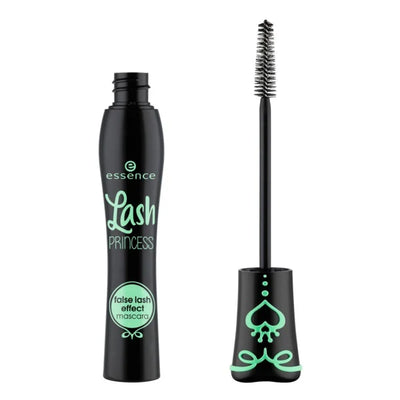
Fair skin shows mismatched base products quickly, so your powder and foundation should come from a shade range you trust. For reliable everyday makeup at friendly prices, browse Maybelline Pakistan at Khayest, from Fit Me foundation to Sky High mascara.
Placement matters, but so does the formula you are blending. For crease-proof, full coverage, Tarte concealer is the cult pick; Shape Tape brightens without settling into lines.
Frequently Asked Questions
Where Should Beginners Apply Concealer?
Beginners can start under the eyes, around the nose, on blemishes and over visible dark spots or redness. The easiest approach is to look at your skin and place concealer only where you want additional coverage rather than following a complicated face map.
Where Should I Put Concealer for Dark Circles?
Apply under eye concealer mainly where the darkness is strongest. This is often around the inner corner and along the darkest part of the under-eye. Start with a small amount and build only if needed.
Should Concealer Go All the Way Under Your Eyes?
Not necessarily. If only part of your under-eye area is dark, you can concentrate concealer there. Covering the entire area with a thick layer can create unnecessary product build-up and may increase visible creasing.
Should I Put Concealer Before or After Foundation?
Foundation first works well for many people because it provides initial coverage. You can then apply concealer only where more coverage is needed. However, concealer can also be used before foundation or worn alone.
Can I Use Concealer Without Foundation?
Yes. Apply a skin-matching concealer to dark circles, blemishes, redness or uneven areas and blend the edges into bare skin. This can create a fresh, minimal makeup look without a full foundation base.
Conclusion
Knowing where to apply concealer is more useful than simply applying a large amount everywhere.
Start by looking at your complexion. Place concealer under the eyes only where darkness appears, over individual blemishes and dark spots, around redness and on small areas of uneven tone. If you want extra brightness, add it strategically rather than covering your entire face with a lighter shade.
For under-eyes, targeted placement near the inner corner and darkest areas can give you coverage without a heavy layer. For blemishes and pigmentation, use a close skin match and keep the product concentrated over the spot.
Your application method also matters. Use a brush for precision, a sponge for softer blending or clean fingertips when you want to gently press a creamy formula into the skin.
Most importantly, remember that more concealer does not always mean more effective coverage. Thin, controlled layers usually create a smoother and more natural finish. If strong discolouration keeps showing through, check your shade or consider colour correction rather than simply adding more concealer.
Once you understand your own concealer placement, your makeup routine becomes much simpler. Explore concealers and correctors at Khayest to find formulas and shades that suit your skin tone, coverage needs and preferred makeup finish. You can also explore Khayest's eye cream collection for products designed to complement your under-eye skincare routine.