
Can Rose Water Be Used as Toner?
Can rose water be used as toner? Yes, plain skin-safe rose water can work as a light hydrating and refreshing toner. Rose water does not replace every treatment toner, because targeted formulas contain active ingredients for specific concerns.
Rose water suits people who want a simple post-cleansing step with minimal heaviness. Your skin concern should decide whether rose water is enough.
A good choice also depends on the ingredient list. Pure rose hydrosol differs from rose-scented water containing added perfume, alcohol, or unnecessary additives.
Can Rose Water Be Used as Toner Every Day?
Yes, you can use well-tolerated rose water daily. Daily use works best when the formula contains skin-safe rose water without irritating additives.
Apply rose water after cleansing and before serum or moisturizer. Morning and evening use both fit a basic skincare routine.
Patch testing gives you a safer starting point. Apply a small amount to one area and watch for redness, itching, swelling, or burning.
Stop using rose water if irritation continues. Rose-derived aromatic compounds can bother some sensitive or allergy-prone skin.
What Does Rose Water Do When You Use It as Toner?
Rose water mainly refreshes, lightly hydrates, and supports skin comfort. Rose water also contains aromatic and antioxidant plant compounds from rose petals.
Rose water works differently from an exfoliating or acne-focused toner. Plain rose water does not supply concentrated salicylic acid, glycolic acid, or niacinamide.
Rose Water Adds Light Surface Hydration
Rose water can leave freshly cleansed skin feeling less tight and more comfortable. A hydrating toner with glycerin adds stronger humectant support.
Follow rose water with moisturizer to reduce moisture loss. Rose water alone does not provide the occlusive support that creams and lotions provide.
Rose Water Can Calm the Feel of Warm or Tight Skin
A cool rose water mist can make skin feel refreshed after cleansing or heat exposure. Cooling does not equal medical treatment for inflammation.
Persistent redness, eczema, rosacea, or painful irritation needs appropriate skincare guidance. Rose water should not replace prescribed treatment.
Rose Water Offers Antioxidant Plant Compounds
Steam-distilled rose hydrosol contains small amounts of water-compatible rose compounds. Those compounds contribute to the ingredient’s soothing reputation.
The concentration stays much lower than concentrated essential oil. Lower concentration also reduces intensity for many users.
Can Rose Water Replace a Regular Toner?

Rose water can replace a basic refreshing toner, but rose water cannot replace every targeted toner. Match the product to the result you want.
Modern toners perform different jobs. Hydrating formulas add humectants, exfoliating formulas loosen dead skin cells, and treatment formulas target specific concerns.
Choose rose water when your goal involves freshness, light hydration, and a simple routine. Choose targeted formulas when your concern needs active ingredients.
Rose Water vs Hydrating Toner
Rose water provides light moisture and comfort. Hydrating toners often add glycerin, hyaluronic acid, panthenol, ceramides, or beta-glucan.
Dry or dehydrated skin usually benefits from those added humectants and barrier-supporting ingredients. Moisturizer still remains necessary afterward.
Rose Water vs Exfoliating Toner
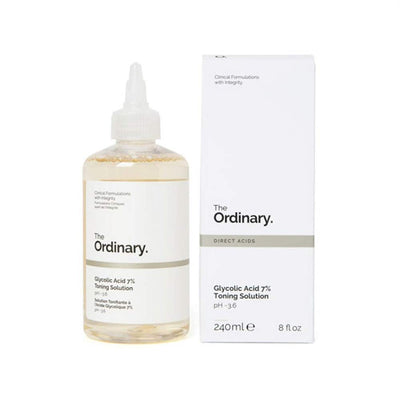
Rose water does not exfoliate like alpha hydroxy acid or beta hydroxy acid formulas. Glycolic acid and salicylic acid perform controlled exfoliation.
Choose an exfoliating toner for concerns such as rough texture, clogged pores, or persistent blackheads. Start slowly to reduce irritation risk.
Rose Water vs Treatment Toner
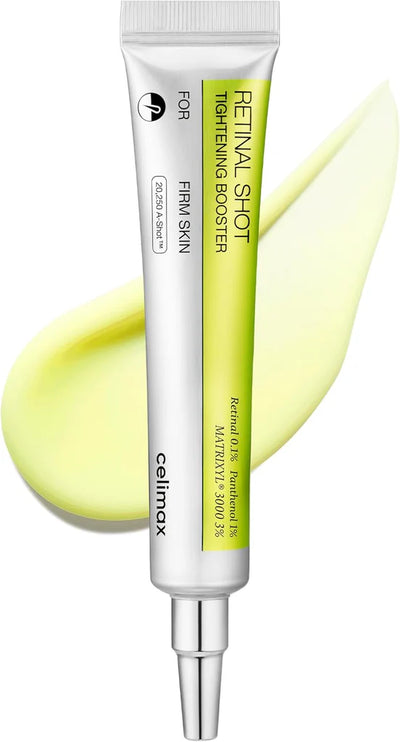
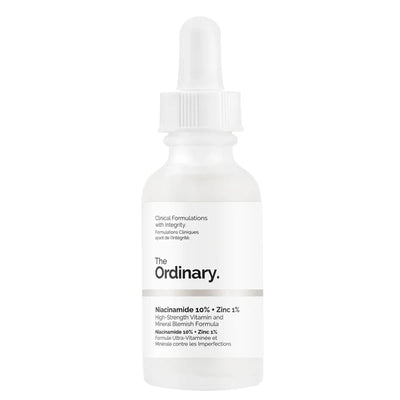
Treatment toners can contain niacinamide, centella asiatica, ceramides, rice extract, or other targeted ingredients. Each ingredient serves a different purpose.
Rose water cannot duplicate every targeted function. A simple ingredient can still suit a simple skincare goal.
How to Use Rose Water as Toner Correctly

To use rose water as toner correctly, cleanse first, apply a thin layer, then follow with serum and moisturizer. Use sunscreen afterward during daytime.
Choose one application method based on product packaging and personal comfort. Clean hands, cotton pads, and fine-mist bottles all work.
|
Task |
Timing |
Method |
Difficulty |
|---|---|---|---|
|
Cleanse |
Morning or night |
Wash with a suitable face cleanser |
Easy |
|
Apply rose water |
Immediately after cleansing |
Press with hands, sweep with cotton, or mist |
Easy |
|
Let skin settle |
About 30–60 seconds |
Allow excess wetness to reduce naturally |
Easy |
|
Apply treatment |
After toner |
Use serum or targeted treatment |
Easy |
|
Moisturize |
After serum |
Apply cream, lotion, or gel moisturizer |
Easy |
Apply Rose Water With Clean Hands
To apply rose water with clean hands, pour a small amount into your palms and press gently over your face and neck.
Clean-hand application reduces cotton waste and keeps more product on your skin. Avoid aggressive rubbing because friction can irritate sensitive skin.
Apply Rose Water With a Cotton Pad
To apply rose water with a cotton pad, dampen the pad and sweep gently across your face without scrubbing.
A cotton pad works well when you prefer an even wiping motion. Avoid soaking the pad because excess product increases waste.
Apply Rose Water as a Facial Mist
To apply rose water as a facial mist, hold the bottle about 6 inches (15 cm) away and spray evenly.
Close your eyes during spraying. Follow the mist with moisturizer if hydration remains your main goal.
Start with one of Khayest’s gentle face cleansers before applying any toner step. Clean skin gives your next products a consistent surface.
Can Rose Water Be Used as Toner for Every Skin Type?
Rose water suits many skin types, but tolerance depends on the formula and your skin. Pure rose hydrosol and fragranced rose products can behave differently.
Dry Skin
Dry skin can use rose water for light refreshment. Dry skin usually needs stronger hydration from glycerin, hyaluronic acid, ceramides, and moisturizer.
Avoid formulas with high levels of drying alcohol. Dry skin often feels tighter after alcohol-heavy products.
Oily Skin
Oily skin can use rose water because rose water does not automatically add heavy oil. Rose water also feels light after cleansing.
Use salicylic acid for pore congestion when your skin tolerates salicylic acid. Rose water does not dissolve pore debris like salicylic acid.
Sensitive Skin
Sensitive skin should patch test rose water before full-face use. Added fragrance and aromatic plant compounds can trigger irritation in some people.
Choose short ingredient lists when sensitivity drives your routine. Stop application after persistent stinging, itching, redness, or swelling.
Acne-Prone Skin
Acne-prone skin can use rose water as a gentle supporting step. Rose water should not serve as your primary acne treatment.
Proven acne ingredients include salicylic acid, benzoyl peroxide, adapalene, and other clinician-directed treatments. Match acne care to severity and tolerance.
What Is the Difference Between Rose Water and Rose Hydrosol?
Rose hydrosol comes from steam distillation, while products labeled rose water can use different manufacturing methods. Always read the ingredient list.
Steam distillation passes vapor through rose material and collects condensed water containing volatile and water-compatible rose components. Rosa damascena often supplies the plant material.
A bottle labeled rose water can contain distilled rose water, rose extract, fragrance, preservatives, or added humectants. Labels vary between brands.
Choose a product for facial use rather than culinary or perfuming use. Cosmetic formulas should provide clear ingredients, storage guidance, and shelf-life information.
Does Rose Water Balance Skin pH After Cleansing?
Rose water can feel comfortable after cleansing, but pH correction should not drive your toner choice. Modern cleansers already use skin-friendly pH ranges more often than older soaps.
Skin naturally maintains an acidic surface called the acid mantle. Cleansing products can temporarily influence that surface environment.
A gentle cleanser usually reduces the need for a separate pH-correction step. Choose toner for hydration, soothing, exfoliation, or another defined goal.
Avoid treating a low pH number as proof of better skincare. Formula quality, ingredient compatibility, and skin tolerance matter more.
Can Rose Water Remove Makeup or Leftover Cleanser?
Rose water should not replace a proper cleanser or makeup remover. Toner can lift minor residue, but cleansing should remove makeup, sunscreen, oil, and dirt.
Use micellar water, cleansing balm, cleansing oil, or a suitable face wash when makeup removal requires more than one step.
A cotton pad can show light residue after cleansing. Visible residue signals that your cleansing method needs improvement rather than stronger wiping.
Avoid scrubbing with rose water to chase a perfectly clean cotton pad. Repeated friction can increase redness and sensitivity.
Can You Layer Rose Water With Other Toners?
Yes, you can layer rose water with another compatible toner, but multiple toner steps rarely become necessary. Keep each layer purposeful.
Apply rose water first when rose water has the thinnest texture. Follow with a thicker hydrating toner or compatible serum.
Avoid stacking multiple exfoliating acids with rose water simply because rose water feels gentle. The active products still determine irritation risk.
Use one hydrating layer when your skin already feels comfortable. Add extra hydration only when your routine clearly benefits from more moisture.
Does Rose Water Need Glycerin to Work as Toner?
No, rose water does not require glycerin to function as a refreshing toner. Glycerin increases water-binding support and suits dehydrated skin well.
Glycerin acts as a humectant. Humectants attract water into the outer skin layers and help skin feel more hydrated.
A rose water and glycerin formula can suit dry or dehydrated skin better than plain rose water. Very humid conditions can also affect skin feel.
Do not mix random amounts of glycerin into a commercial product bottle. Uncontrolled mixing can change texture, preservation, and product stability.
Should You Choose Alcohol-Free and Fragrance-Free Rose Water?
Choose alcohol-free rose water when dryness or sensitivity concerns you. Choose fragrance-free formulas when added perfume has caused previous reactions.
Rose water naturally has an aroma because rose-derived compounds carry scent. “Fragrance-free” usually means the formula lacks added perfume ingredients.
Denatured alcohol can make some formulas feel quick-drying. High levels can increase tightness or irritation for dry and sensitive skin.
Check the full ingredient list rather than relying on front-label phrases. Marketing terms do not explain every ingredient inside a formula.
Can Homemade Rose Water Work as Toner Safely?
Homemade rose water can work temporarily, but preservation and contamination create practical risks. Commercial cosmetic products provide more controlled manufacturing and storage.
Water-based homemade mixtures support microbial growth without a validated preservation system. Clean containers reduce risk but do not create professional preservation.
Refrigeration slows some microbial growth but does not guarantee safety. Discard homemade rose water after changes in smell, color, clarity, or texture.
Avoid using florist roses unless you know their treatment history. Decorative flowers can carry pesticide residues or other chemicals not intended for skincare.
Use food-grade or cosmetic-grade materials when preparing rose water at home. Keep equipment clean and avoid touching storage-bottle interiors.
When Should You Choose a Formulated Toner Instead of Rose Water?
Choose a formulated toner when you want a specific result beyond refreshment and light hydration. Ingredient selection should match your skin concern.
Choose hydrating formulas for dehydration. Choose exfoliating formulas for rough texture or congestion. Choose soothing formulas for barrier discomfort.
- Choose glycerin, hyaluronic acid, panthenol, or ceramides for deeper hydration support.
- Choose salicylic acid for oily pores, blackheads, and congestion when your skin tolerates exfoliation.
- Choose glycolic acid or lactic acid for surface texture and dullness when your routine supports acid use.
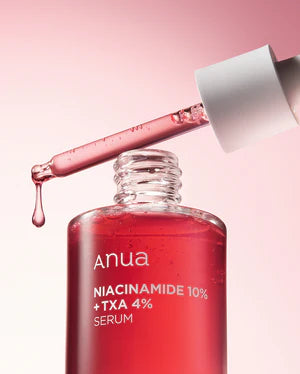
- Choose niacinamide for oil balance, barrier support, and uneven-looking tone in compatible formulas.
- Choose centella asiatica or panthenol when soothing and barrier comfort drive your product choice.
Khayest carries hydrating, soothing, exfoliating, milky, and pore-focused toners for different needs. Product directions should guide frequency and layering.
Pair toner with one of Khayest’s daily face moisturizers to lock in hydration after your toner and serum steps.
What Mistakes Should You Avoid With Rose Water Toner?
Avoid assuming every rose-scented liquid works safely as facial toner. Read the ingredient list and choose a product intended for skin.
- Avoid using rose water as a substitute for sunscreen, moisturizer, or prescribed acne treatment.
- Avoid rubbing skin aggressively with cotton pads during application.
- Avoid continuing use after persistent burning, swelling, itching, or worsening redness.
- Avoid storing homemade rose water at room temperature for long periods without validated preservation.
- Avoid combining multiple irritating actives simply because rose water feels gentle.
A minimal routine often performs better than a crowded routine when irritation appears. Remove likely triggers and rebuild steps gradually.
How Do You Know Whether Rose Water Is Enough for Your Routine?
Rose water is enough when your main goal involves simple refreshment and light hydration. Your routine needs more targeted ingredients when a defined concern remains unresolved.
Dryness that persists after toner needs a moisturizer. Clogged pores need appropriate exfoliation. Acne needs evidence-based treatment rather than floral water alone.
Your cleanser, moisturizer, and sunscreen form the practical foundation of most routines. Toner remains an optional step that should solve a real need.
Choose the simplest product that meets your goal. A complicated routine does not automatically produce better skin results.
FAQs About Using Rose Water as Toner
Can rose water be used as toner every day?
Yes. You can use skin-safe rose water daily when your skin tolerates the formula without irritation.
Do you wash rose water off after using it as toner?
No. Leave rose water on your skin, then follow with serum or moisturizer.
Can rose water replace toner completely?
Yes, for a simple refreshing step. No, rose water cannot replace targeted exfoliating or treatment toners for specific concerns.
Is rose water good for acne-prone skin?
Yes, as a supporting step. Rose water does not replace proven acne treatments such as salicylic acid, benzoyl peroxide, or adapalene.
Should you use rose water before or after moisturizer?
Use rose water before moisturizer. Apply rose water after cleansing, then continue with serum and moisturizer.
Final Takeaway
Rose water can work well as a simple toner when you want light hydration, freshness, and a low-complexity routine. Rose water does not replace targeted active formulas for every skin concern.
Choose a skin-safe formula, patch test first, and follow with moisturizer. Let your skin type and concern decide whether plain rose water is enough.
Compare rose water alternatives at Khayest to find hydrating, soothing, exfoliating, and treatment toners that match your skincare goal.