
How to Use Glycolic Acid Toner
Use glycolic acid toner after cleansing, preferably at night, on clean and dry skin. Apply a thin layer, avoid the eye area, leave the toner on, and follow with moisturizer.
If you are learning how to use glycolic acid toner, start with 1–2 nights each week. Increase frequency only after your skin stays comfortable. Glycolic acid is an alpha hydroxy acid (AHA), so daily sunscreen matters during use.
How to Use Glycolic Acid Toner on Your Face

To use glycolic acid toner on your face, keep the routine simple and control the frequency. The safest beginner routine uses 5 clear steps.
Step 1: Cleanse Your Face
To cleanse your face, use a gentle cleanser that removes sunscreen, makeup, oil, and daily residue without scrubbing. Skip cleansing scrubs, acid cleansers, and abrasive brushes on glycolic-acid nights. Strong cleansing can increase dryness before the toner reaches your skin.
Step 2: Let Your Skin Dry
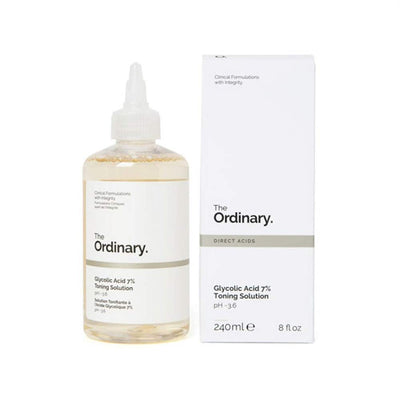
To let your skin dry, pat your face gently with a clean towel and wait until no visible water remains. The Ordinary recommends applying its 7% glycolic toner on dry skin. Dry application gives beginners more control over irritation than applying the acid immediately onto wet skin.
Step 3: Apply a Thin Layer
To apply a thin layer, dispense a small amount onto clean fingers or a cotton pad. Sweep or press the toner across the forehead, cheeks, chin, and neck. Avoid the eyelids, under-eye area, lips, cuts, and freshly irritated spots. Do not scrub the skin.
A thin layer provides enough contact for exfoliation. Extra liquid does not speed results. Extra liquid only increases exposure and can raise the chance of burning, dryness, or redness.
Step 4: Follow With Hydration
To follow with hydration, let the toner settle and then apply a gentle hydrating serum or moisturizer. You do not need a long waiting period. Continue once the toner no longer feels wet on the surface.
If you need a barrier-supporting step, browse Khayest’s daily face moisturizers after your exfoliating treatment.
Step 5: Apply Sunscreen the Next Morning
To protect exfoliated skin, apply broad-spectrum sunscreen with SPF 30 or higher every morning. Reapply sunscreen during extended outdoor exposure. Alpha hydroxy acids increase sun sensitivity. Sun protection still belongs in your routine when you use glycolic acid only at night.
Quick Reference: Glycolic Acid Toner Routine
|
Task |
Timing |
Method |
Difficulty |
|
Cleanse |
Evening |
Gentle cleanser, no scrub |
Easy |
|
Dry skin |
After cleansing |
Pat dry and wait until surface water disappears |
Easy |
|
Apply toner |
1–2 nights weekly to start |
Thin layer with fingers or cotton pad |
Moderate |
|
Moisturize |
After toner absorbs |
Hydrating serum or moisturizer |
Easy |
|
Protect |
Every morning |
Broad-spectrum SPF 30+ |
Essential |
How Often Should You Use Glycolic Acid Toner?
Start with 1–2 nights each week. Glycolic acid exfoliates dead skin cells, so beginners need recovery time between applications. Cleveland Clinic also recommends starting once or twice weekly before increasing use.
Beginner Frequency
Use glycolic acid toner on 2 non-consecutive nights during your first 2–3 weeks. A Monday and Thursday schedule works well because each application has recovery time. Keep the rest of the routine gentle during the trial period.
A 2-night schedule also makes delayed irritation easier to spot. Redness or tightness can appear hours after application, not only immediately. Keep notes on frequency, dryness, and stinging during the first month. That record helps you decide whether to stay at 2 nights or reduce use.
When to Increase Frequency
Increase to 3 nights weekly only after your skin shows no persistent stinging, peeling, tightness, or unusual redness. Product labels can allow more frequent use, but label maximums do not require daily use. Your tolerance should control the schedule.
Signs You Are Using Too Much
Reduce frequency when moisturizer starts stinging, the skin feels tight, or visible flaking develops. Persistent redness, glossy dehydrated skin, tenderness, and burning also suggest over-exfoliation. Stop the acid until your skin feels normal again.
Should You Apply Glycolic Acid Toner With Hands or Cotton?
Both clean hands and cotton pads work. Clean hands waste less product, while cotton pads give controlled sweeping across larger areas. The Ordinary permits both methods for its glycolic toner.
Choose the method that gives you the lightest, most even layer. A reusable cotton pad can reduce waste if you prefer sweeping. Clean hands work better when cotton creates too much friction. Wash reusable pads after every use and let them dry fully before the next application.
Use your fingertips when you want minimal friction. Pour a small amount into your palm, spread the liquid between clean fingers, and press lightly across the face. Keep your hands away from the eyes and lips.
Use a cotton pad when you prefer a measured sweep. Dampen the pad without soaking it, then make 1 gentle pass across each area. Repeated rubbing adds mechanical exfoliation that glycolic acid does not need.
Should You Use Glycolic Acid Toner on Wet or Dry Skin?
Use glycolic acid toner on dry skin unless your product label gives different directions. Dry skin gives you more predictable exposure and reduces the chance of unnecessary irritation.
Avoid applying the toner immediately after steaming, hot showers, scrubbing, shaving, or waxing. Those activities can leave skin more reactive. Wait until the skin feels calm and fully dry before using an exfoliating acid.
Wait longer after shaving or waxing because those methods disturb the skin surface. Use a plain moisturizer on the treatment day instead. Resume glycolic acid only after the area feels calm, smooth, and free from stinging. This spacing matters most on underarms, bikini lines, and lower legs.
What Should You Apply After Glycolic Acid Toner?
Follow glycolic acid toner with hydration and moisturizer. Simple supporting products help the skin barrier recover without adding another strong exfoliating step.
Hyaluronic Acid and Glycerin
Apply hydrating ingredients such as hyaluronic acid and glycerin after the toner absorbs. These humectants attract water and support comfortable hydration. Choose formulas without additional exfoliating acids during your beginner phase.
Niacinamide
You can use niacinamide after glycolic acid when your skin already tolerates both formulas. Start with a gentle niacinamide product and monitor comfort. Introduce only 1 new active at a time so you can identify the cause of irritation.
Moisturizer
Finish with moisturizer after any serum. Ceramides, glycerin, panthenol, and squalane work well in recovery-focused formulas. Moisturizer helps reduce dryness and supports the barrier after chemical exfoliation.
What Ingredients Should You Avoid With Glycolic Acid Toner?

Avoid stacking strong resurfacing ingredients on the same night when you are starting. A simple schedule lowers irritation risk and helps you judge whether glycolic acid suits your skin.
Retinoids
Use retinol, retinal, tretinoin, adapalene, and similar retinoids on different nights during your introduction period. Both retinoids and glycolic acid can increase dryness and sensitivity. Alternating nights gives your skin more recovery time.
Salicylic Acid and Other Exfoliants
Avoid layering salicylic acid, lactic acid, strong exfoliating masks, and physical scrubs with glycolic toner at first. Multiple exfoliants can strip the barrier and create irritation without improving results faster.
Strong Vitamin C Products
Separate strong acidic vitamin C serums from glycolic-acid nights when you are new to either product. Use vitamin C in the morning and glycolic acid at night. This schedule keeps active steps easier to tolerate.
How to Use Glycolic Acid Toner on Your Body
To use glycolic acid toner on your body, apply a thin layer to intact, dry skin. Follow the product directions closely. Body skin can tolerate exfoliation differently from facial skin, so start slowly.
Underarms
To use glycolic acid toner on underarms, apply only when the skin is calm and unbroken. Skip application after shaving, waxing, or epilating because freshly treated skin can sting strongly. Glycolic acid is not an antiperspirant and does not stop sweating.
Glycolic acid can improve rough surface texture and some superficial discoloration. Persistent dark, thickened, or suddenly changing underarm skin deserves medical evaluation because friction is not the only possible cause.
Rough Arms and Legs
To use glycolic acid on rough arms or legs, apply a light layer to dry skin and follow with moisturizer. Do not combine the toner with a rough body scrub on the same day. Chemical and physical exfoliation together can cause unnecessary irritation.
Ingrown-Prone Areas and Keratosis Pilaris
To treat ingrown-prone areas or keratosis pilaris, use glycolic acid consistently rather than aggressively. Alpha hydroxy acids can reduce dead-cell buildup that contributes to rough bumps. Stop when the area becomes raw, painful, or persistently red.
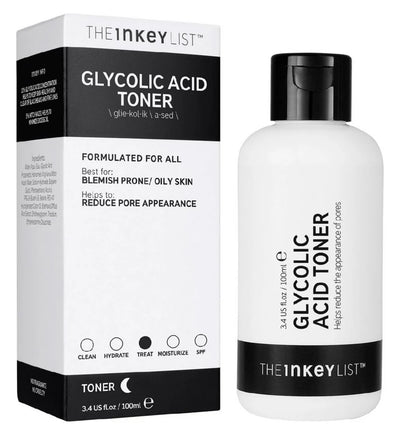
Khayest currently lists an exfoliating glycolic acid toner from The INKEY List for shoppers comparing acid-based toner options.
Can You Use Glycolic Acid Toner on Your Scalp?
Only use glycolic acid toner on your scalp when the manufacturer specifically supports scalp application. The Ordinary provides scalp directions for its 7% toner, but those instructions do not apply to every glycolic product.
The Ordinary directs users to apply its toner to a dry scalp up to 3 times weekly. The brand advises dispensing from front to back, massaging the scalp, and leaving the product on. Follow your exact product label instead of copying directions from another formula.
Avoid scalp use when you have cuts, active dermatitis, painful inflammation, or unexplained hair loss. A dermatologist should assess persistent scalp symptoms before you add an exfoliating acid.
What Are the Signs of Over-Exfoliation?
Over-exfoliation causes persistent irritation rather than healthy smoothness. Common warning signs include burning, tenderness, peeling, unusual tightness, increased redness, and moisturizer suddenly stinging.
Stop glycolic acid when those signs appear. Use a gentle cleanser, moisturizer, and sunscreen until your skin feels comfortable again. Skip scrubs, retinoids, exfoliating acids, and strong vitamin C products during recovery.
Recovery usually means fewer products, not more products. Choose a mild cleanser, a fragrance-free moisturizer, and sunscreen. Avoid introducing new serums until the irritation settles. Restart glycolic acid at a lower frequency after the skin remains comfortable for several days.
Severe swelling, blistering, intense pain, or a spreading rash needs medical attention. Do not continue acid use to “push through” a strong reaction.
Who Should Avoid Glycolic Acid Toner?
Avoid glycolic acid toner on peeling, broken, sunburned, or actively irritated skin. People with eczema, rosacea, very dry skin, or strong sensitivity need extra caution because acids can worsen discomfort.
People using prescription acne treatments or isotretinoin should ask a dermatologist before adding glycolic acid. The American Academy of Dermatology advises avoiding alpha hydroxy acids during isotretinoin treatment because sensitive skin can become more irritated.
Patch test a new glycolic product before regular use. Apply the product to a small area and follow the manufacturer’s patch-test directions. Stop if the test area develops strong burning, swelling, itching, or persistent redness.
Why Do You Need Sunscreen After Glycolic Acid?
Glycolic acid increases sun sensitivity, so daily sunscreen is part of safe use. Apply broad-spectrum SPF 30 or higher every morning, even when glycolic acid stays in your nighttime routine.
Cleveland Clinic recommends SPF 30 or higher and regular reapplication during outdoor exposure. The Ordinary also warns that alpha hydroxy acids can increase sunburn risk during use and for 1 week afterward.
Sunscreen also protects the improvements you want from exfoliation. Repeated ultraviolet exposure can worsen uneven tone and post-inflammatory pigmentation, which can work against your skincare goals.
Dark marks also need realistic expectations. Glycolic acid can improve superficial uneven tone with consistent use. Deeper pigmentation can need months of care or professional treatment. Aggressive exfoliation can worsen post-inflammatory marks, especially after irritation or picking.
Common Glycolic Acid Toner Mistakes
The most common mistakes come from using too much acid, too often, or with too many strong actives. Avoid these 6 errors during your routine:
- Applying glycolic acid to wet, freshly shaved, or irritated skin.
- Using glycolic acid every night from the first week.
- Layering glycolic acid with retinoids and other strong exfoliants immediately.
- Scrubbing hard with a cotton pad because stronger friction feels more effective.
- Skipping moisturizer after the exfoliating step.
- Skipping sunscreen because the toner was applied only at night.
A controlled schedule gives glycolic acid time to work without turning mild exfoliation into barrier damage. Consistency matters more than intensity.
FAQs About How to Use Glycolic Acid Toner
Can I use glycolic acid toner every day?
No, beginners should not start with daily use. Begin with 1–2 nights weekly, then increase only if your skin remains comfortable and your product directions allow it.
Do I wash glycolic acid toner off?
No. Most glycolic acid toners are leave-on products. Apply a thin layer, allow the toner to absorb, and continue with hydration and moisturizer unless your label says otherwise.
Can I use niacinamide after glycolic acid toner?
Yes. You can use niacinamide after glycolic acid when your skin tolerates both formulas. Introduce each active separately before combining them in one routine.
Can I use glycolic acid toner with retinol?
No, beginners should use glycolic acid and retinol on different nights. Alternating the actives reduces irritation and gives your skin recovery time.
Should glycolic acid toner go before or after moisturizer?
Use glycolic acid toner before moisturizer. Apply the toner after cleansing, let the surface absorb the liquid, then add serum and moisturizer.
Final Takeaway
Learning how to use glycolic acid toner safely starts with controlled frequency and dry skin. Add thin application, simple hydration, and daily sunscreen. Start with 1–2 nights weekly and avoid stacking strong exfoliants or retinoids during the introduction period. Stop when persistent burning, peeling, or tenderness appears.
For more exfoliating and hydrating options, shop toner collection at Khayest.
Choose a formula that matches your skin tolerance and routine goals.