
What Is Fragrance? A Simple Guide to Scent, Perfume, and Notes
If you want to know what is fragrance, it is a pleasant or distinctive scent made by blending natural or synthetic ingredients. Fragrance is used in perfumes, body mists, deodorants, lotions, shampoos, candles, and home products. This guide explains fragrance meaning, notes, ingredients, types, and safe scent choices.
Fragrance is part of everyday life. It can be soft like fresh flowers, clean like soap, warm like vanilla, deep like oud, or bright like citrus. A good scent can make you feel fresh, calm, confident, elegant, or ready for the day.
But fragrance is not only perfume. It is a broad word. Perfume is one type of fragrance, but fragrance can also be found in body mist, deodorant, shower gel, lotion, shampoo, candles, laundry products, and home sprays.
Understanding what does fragrance mean can help you choose better products for your skin, hair, body, and home. It can also help you understand perfume notes, fragrance strength, and the difference between fragrance-free and unscented products.
For stronger, healthier hair, our guide to remington hair straightener best model explains how it works and the results you can realistically expect.
Fragrance Meaning in Simple Words
The simple fragrance meaning is a pleasant smell. It can be natural, synthetic, soft, strong, fresh, sweet, floral, woody, spicy, musky, or clean.
In beauty and personal care, fragrance usually means a scent added to a product to make it smell better.
Fragrance may be used in:
- Perfume
- Cologne
- Body mist
- Body spray
- Deodorant
- Lotion
- Shampoo
- Soap
- Shower gel
- Haircare
- Skincare
- Candles
- Air fresheners
- Laundry products
- Cleaning products
So, when you see the word fragrance on a product, it usually means the product contains scent ingredients.
If you want a fragrance that lasts, our detailed look at ariana grande perfume covers the notes, wear time and where to buy it.
Fragrance vs Perfume: What Is the Difference?

Many people use fragrance and perfume as the same word, but there is a small difference.
Fragrance is the broad word for scent. It can be used in many products.
Perfume is a specific fragrance product made to be worn on the body.
For example:
- A body mist has fragrance
- A deodorant has fragrance
- A candle has fragrance
- A shampoo may have fragrance
- A perfume is a fragrance product
So, the answer to fragrance vs perfume is simple: perfume is one form of fragrance, but fragrance is the bigger category.
What Is Fragrance Made Of?
Fragrance is made by blending different scent ingredients. These ingredients can come from nature or be made in a lab.
A fragrance may include:
- Natural fragrance ingredients
- Synthetic fragrance ingredients
- Essential oils
- Fragrance oils
- Aroma compounds
- Fixatives
- Alcohol
- Water
- Carrier oils
For readers weighing their options, our full guide to cartier perfume breaks down the notes, longevity and price in Pakistan.
Each part helps create the final scent.
Natural Fragrance Ingredients
Natural fragrance ingredients come from plants, flowers, fruits, spices, herbs, woods, and resins.
Common natural fragrance sources include:
- Rose
- Jasmine
- Lavender
- Lemon
- Orange
- Bergamot
- Cinnamon
- Coriander
- Vanilla
- Cedarwood
- Sandalwood
- Patchouli
- Oakmoss
- Musk-style botanical blends
- Resins and balsams
Natural scents can feel rich and beautiful, but they may vary because nature is never exactly the same every time.
Still deciding on a signature scent? See how arqus perfume performs and what it costs in our complete guide.
Synthetic Fragrance Ingredients
Synthetic fragrance ingredients are made by scientists. They help create scents that may be rare, expensive, unstable, or hard to get naturally.
Synthetic fragrance can be useful because it can:
- Make scents more consistent
- Help perfumes last longer
- Create unique modern notes
- Reduce pressure on rare natural materials
- Make fragrance more affordable
- Improve product performance
Synthetic does not always mean bad. Many fine perfumes use both natural and synthetic ingredients to create a balanced scent.
Still deciding on a signature scent? See how blue perfume performs and what it costs in our complete guide.
Essential Oils
Essential oils are concentrated oils taken from natural materials like flowers, leaves, peels, herbs, and woods.
Common essential oils include:
- Lavender oil
- Rose oil
- Lemon oil
- Orange oil
- Peppermint oil
- Tea tree oil
- Eucalyptus oil
- Sandalwood oil
Essential oils can smell beautiful, but they are strong. They should be used carefully, especially on sensitive skin.
If you want a fragrance that lasts, our detailed look at elizabeth arden perfume covers the notes, wear time and where to buy it.
Fragrance Oils
Fragrance oils are scent blends made for perfumes, body care, candles, and other scented products. They may include natural materials, synthetic materials, or both.
Fragrance oils are used in:
- Perfume
- Body mist
- Soap
- Lotion
- Haircare
- Candles
- Home fragrance
- Bath products
They help create a complete scent profile.
Fragrance Compounds
Fragrance compounds are scent molecules that create smell. These compounds must be light enough to travel through the air so your nose can detect them.
Some common fragrance compound types include:
- Esters
- Aldehydes
- Terpenes
- Alcohols
- Synthetic musk
- Vanillin
- Benzaldehyde
- Cinnamaldehyde
You do not need to remember these names, but they show that fragrance is both art and science.
If you want a fragrance that lasts, our detailed look at ganymede perfume covers the notes, wear time and where to buy it.
Fixatives and Carrier Bases
Fixatives help fragrance last longer. They slow down how quickly a scent disappears.
Common fixative-style notes include:
- Musk
- Amber
- Vanilla
- Sandalwood
- Patchouli
- Oud
- Resins
Carrier bases help carry the scent. These can include alcohol, water, or oils.
For example:
- Spray perfume often uses alcohol
- Perfume oil uses carrier oil
- Body mist may use water and lighter scent ingredients
Where Is Fragrance Used?
Fragrance is used in many products, not only perfumes.
Perfumes and Colognes
Perfume and cologne are made mainly to give the body a pleasant scent. They are stronger than many other scented products.
They may include:
- Parfum
- Eau de parfum
- Eau de toilette
- Eau de cologne
- Perfume oil
- Aftershave
Perfume is often used on pulse points like the wrists, neck, and behind the ears.
Body Mists and Body Sprays
Body mist and body spray are lighter fragrance products. They are good for daily freshness.
They are best for:
- After shower
- Summer days
- Casual use
- Quick refresh
- Soft fragrance lovers
Body mists usually do not last as long as perfume, but they feel fresh and easy to wear.
Deodorants and Aftershaves
Deodorants often contain fragrance to control body odor and keep you fresh.
Aftershaves may also contain scent and are usually used after shaving.
These products are part of daily grooming and personal care.
Skincare and Haircare
Fragrance can be found in:
- Lotions
- Creams
- Face washes
- Shampoos
- Conditioners
- Hair masks
- Body washes
- Shower gels
However, people with sensitive skin may prefer fragrance-free skincare.
Candles and Home Fragrance
Fragrance is also used to make homes smell pleasant.
Home fragrance products include:
- Candles
- Air fresheners
- Reed diffusers
- Room sprays
- Wax melts
- Scented sachets
These scents help create a mood in your space.
Laundry and Cleaning Products
Fragrance is often added to laundry and cleaning products to leave a fresh smell.
You may find fragrance in:
- Detergent
- Fabric softener
- Floor cleaner
- Dish soap
- Cleaning spray
- Air freshener
This is why clean clothes and rooms often have a fresh scent.
How Does Fragrance Work?
Fragrance works when scent molecules travel through the air and reach your nose. Your nose detects those molecules and sends signals to the brain.
This is why a smell can remind you of a person, place, memory, or season.
Fragrance can feel:
- Fresh
- Warm
- Soft
- Clean
- Romantic
- Bold
- Sweet
- Deep
- Calm
- Energizing
The way a fragrance smells can also change over time. This is because different fragrance notes appear at different stages.
What Are Fragrance Notes?
Fragrance notes are the different layers of scent inside a perfume or fragrance product. They help explain how a scent opens, develops, and settles.
Most fragrances have three main note levels:
- Top notes
- Middle notes
- Base notes
This is also called top notes middle notes base notes structure.
Top Notes
Top notes are the first smell you notice. They are usually light and fresh, but they fade quickly.
Common top notes include:
- Lemon
- Bergamot
- Orange
- Grapefruit
- Mint
- Green notes
- Light fruits
- Fresh herbs
Top notes create the first impression.
Middle Notes
Middle notes are also called heart notes. They appear after the top notes begin to fade.
Common middle notes include:
- Rose
- Jasmine
- Lavender
- Cinnamon
- Geranium
- Coriander
- Sage
- Berries
Middle notes give the fragrance its main character.
Base Notes
Base notes are the deepest and longest-lasting part of fragrance. They stay after the lighter notes fade.
Common base notes include:
- Vanilla
- Musk
- Amber
- Sandalwood
- Cedarwood
- Patchouli
- Oakmoss
- Oud
Base notes give fragrance depth, warmth, and lasting power.
Types of Fragrance Products
Different fragrance products have different strength levels. Some are strong and long-lasting. Others are light and fresh.
Parfum or Extrait de Parfum
Parfum is one of the strongest fragrance types. It has a high scent concentration.
Best for:
- Special occasions
- Long-lasting scent
- Evening wear
- Luxury fragrance lovers
It usually needs only a small amount.
Eau de Parfum
Eau de parfum, also called EDP, is popular because it gives good strength without being too heavy.
Best for:
- Daily wear
- Office
- Events
- Long-lasting fragrance
- Men’s and women’s perfume
EDP is a good choice if you want a balanced scent.
Eau de Toilette
Eau de toilette, or EDT, is lighter than EDP. It feels fresh and easy to wear.
Best for:
- Summer
- Daytime
- Office
- University
- Casual use
EDT may need reapplication during the day.
Eau de Cologne
Eau de cologne is usually lighter and fresher. It is good for a quick refresh.
Best for:
- Hot weather
- Casual freshness
- Light scent lovers
It may not last as long as EDP or EDT.
Eau Fraiche
Eau fraiche is very light. It has a soft scent and often feels watery or fresh.
Best for:
- Very light fragrance
- Quick refresh
- Sensitive noses
- Hot days
Perfume Oil
Perfume oil uses oil instead of alcohol as the base. It is often applied with a roll-on.
Best for:
- Soft personal scent
- Travel
- Close-to-skin fragrance
- Attar lovers
- Long-lasting pulse point use
Perfume oil may not project strongly, but it can stay close to the skin for a long time.
Body Mist
Body mist is lighter than perfume. It is easy to use every day.
Best for:
- After shower
- Casual days
- Layering
- Summer
- Light scent lovers
Body mist is often affordable and easy to reapply.
Natural Fragrance vs Synthetic Fragrance
Both natural and synthetic fragrance can be used in beauty products. Each has its own purpose.
Natural Fragrance
Natural fragrance comes from plant or natural sources.
It may come from:
- Flowers
- Fruits
- Herbs
- Spices
- Woods
- Resins
Natural fragrance can smell beautiful, but it may be more expensive and less stable.
Synthetic Fragrance
Synthetic fragrance is created in a lab.
It can help with:
- Consistency
- Longevity
- Unique scent creation
- Cost control
- Stability in products
- Replacing rare natural ingredients
Many modern perfumes use a mix of natural and synthetic materials.
Fragrance-Free vs Unscented
These two terms sound similar, but they are not always the same.
Fragrance-Free
Fragrance-free usually means the product does not contain added fragrance ingredients for scent.
This may be better for:
- Sensitive skin
- Fragrance allergies
- Skin irritation concerns
- People who dislike scented skincare
Unscented
Unscented means the product does not smell strongly. However, it may still contain ingredients that mask other odors.
So, if you have sensitive skin, fragrance-free may be a better choice than unscented.
Can Fragrance Irritate Sensitive Skin?
Yes, fragrance can irritate some people, especially those with sensitive skin, allergies, or certain skin conditions.
Possible reactions may include:
- Redness
- Itching
- Burning
- Rash
- Dryness
- Headache
- Eye irritation
- Nose irritation
- Throat irritation
People with sensitive skin should be careful with strong fragrance in skincare.
Helpful tips:
- Patch test new products
- Choose fragrance-free skincare if needed
- Avoid applying perfume on irritated skin
- Do not spray perfume near eyes
- Use lighter fragrance if strong scents bother you
- Stop using a product if irritation happens
Fragrance can be enjoyable, but comfort and skin safety matter too.
How to Choose the Right Fragrance
Choosing fragrance becomes easier when you know your taste, occasion, and product type.
Before choosing a fragrance, ask yourself:
- Do I want a perfume or body mist?
- Do I like fresh, floral, woody, sweet, or musky scents?
- Do I need daily fragrance or event fragrance?
- Do I want a strong or soft scent?
- Will I wear it in summer or winter?
- Do I have sensitive skin?
- Do I prefer natural, synthetic, or mixed fragrances?
- Do I want men’s, women’s, or unisex scent?
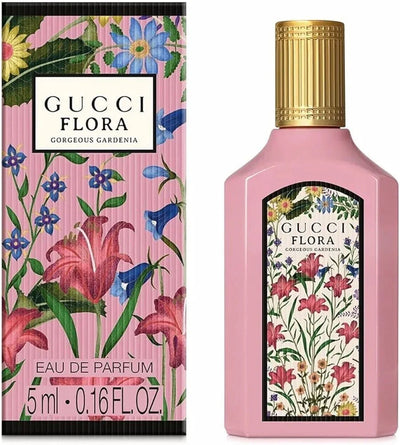
If you’re searching for gucci perfume in Pakistan, exploring a dedicated collection can make it easier to discover different Gucci fragrances in one place. You can browse the available options and find a scent that matches your personal style and preferences.
If you’re looking for the victoria secret perfume price in pakistan, exploring the available Victoria’s Secret collection can help you compare different fragrance options. You can browse the collection to find a scent that matches your preferences and budget.
For Daily Use
Choose:
- Body mist
- Eau de toilette
- Fresh fragrance
- Light floral
- Soft musk
- Citrus scent
Daily fragrance should feel easy and comfortable.
For Office
Choose:
- Clean musk
- Soft floral
- Light woody scent
- Fresh fragrance
- Mild body spray
Avoid very strong scents in close spaces.
For Special Occasions
Choose:
- Eau de parfum
- Oud perfume
- Amber fragrance
- Woody perfume
- Vanilla scent
- Luxury perfume
Special occasion scents can be richer and more memorable.
For Sensitive Skin
Choose:
- Fragrance-free skincare
- Mild body mist
- Perfume on clothes instead of skin, if fabric is safe
- Lighter scents
- Patch-tested products
Avoid applying strong perfume on irritated or freshly shaved skin.
Common Fragrance Mistakes to Avoid
Avoid these mistakes when using fragrance products.
Do not:
- Spray too much perfume
- Rub wrists after applying perfume
- Store perfume in sunlight
- Keep perfume in the bathroom
- Apply fragrance on irritated skin
- Use strong scents in small spaces
- Buy fragrance only because of packaging
- Ignore product type and concentration
- Confuse fragrance-free with unscented
- Use scented skincare if your skin reacts badly
Better habits:
- Apply perfume on pulse points
- Use fewer sprays for strong scents
- Store fragrance in a cool, dry place
- Choose fragrance by occasion
- Patch test if your skin is sensitive
- Pick body mist for light daily use
- Choose EDP for longer wear
If you want a fragrance that lasts, our detailed look at louis vuitton fragrance covers the notes, wear time and where to buy it.
Shop Fragrance Essentials at Khayest

Now that you understand what is fragrance, it becomes easier to choose the right scent for your routine. At Khayest, fragrance is part of a complete beauty and self-care experience.
At Khayest, you can explore:
- Perfumes
- Body mists
- Body sprays
- Deodorants
- Perfume oils
- Attars
- Shower gels
- Lotions
- Haircare
- Home fragrance
- Fragrance gift sets
Whether you want a soft daily scent, a fresh body mist, a long-lasting perfume, or a gentle deodorant, Khayest helps you choose fragrance products that match your mood and lifestyle.
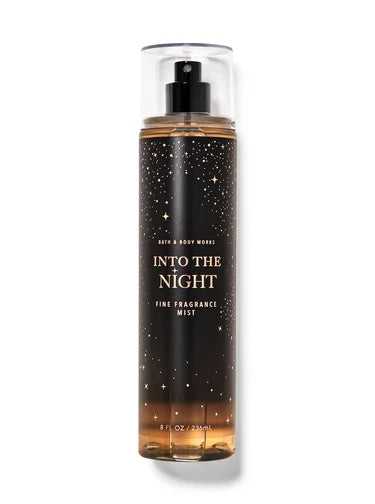
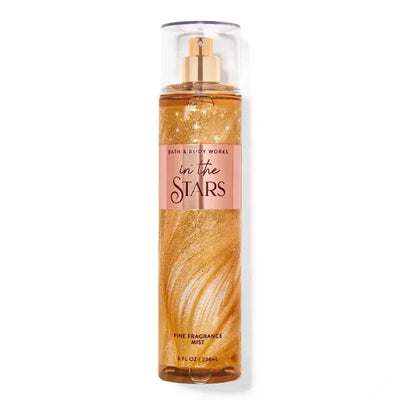
Fragrance families are easiest to understand through well-known scents. For layered scent from shower to mist, explore Bath and Body Works at Khayest.
FAQs About Fragrance
What is fragrance?
Fragrance is a pleasant or distinctive scent made from natural or synthetic ingredients. It is used in perfumes, body mists, deodorants, skincare, haircare, candles, and home products.
What does fragrance mean?
Fragrance means a pleasant smell or scent. In beauty products, it means the scent added to make the product smell nice.
What is the meaning of fragrance?
The meaning of fragrance is a sweet, pleasant, or distinctive smell created by scent ingredients.
Is fragrance the same as perfume?
No, fragrance is the broader term. Perfume is one type of fragrance product made to be worn on the body.
What is fragrance made of?
Fragrance may be made of natural ingredients, synthetic aroma compounds, essential oils, fragrance oils, fixatives, alcohol, water, or carrier oils.
What are fragrance compounds?
Fragrance compounds are scent molecules that create smell. They can come from natural sources or be made in a lab.
What is natural fragrance?
Natural fragrance comes from natural materials such as flowers, fruits, herbs, spices, woods, and resins.
What is synthetic fragrance?
Synthetic fragrance is made in a lab. It helps create stable, unique, and long-lasting scents.
What are fragrance notes?
Fragrance notes are scent layers in a fragrance. They include top notes, middle notes, and base notes.
What are top, middle, and base notes?
Top notes are the first scent you smell. Middle notes are the heart of the fragrance. Base notes are the deep notes that last the longest.
What products contain fragrance?
Products that may contain fragrance include perfume, cologne, body mist, deodorant, lotion, shampoo, soap, candles, air fresheners, and laundry products.
What is the difference between fragrance-free and unscented?
Fragrance-free usually means no added scent ingredients. Unscented means the product has little or no smell, but it may still contain odor-masking ingredients.
Can fragrance irritate skin?
Yes, fragrance can irritate sensitive skin. It may cause redness, itching, burning, rash, or dryness in some people.
What fragrance is best for daily use?
Fresh, floral, citrus, soft musk, and body mist fragrances are good for daily use because they feel light and comfortable.
How do I choose a fragrance?
Choose fragrance based on your scent taste, skin comfort, occasion, season, and strength preference. Pick fresh scents for daytime and deeper scents for events.
What is the difference between body mist and perfume?
Body mist is lighter and usually fades faster. Perfume is stronger and usually lasts longer.
Where can I buy fragrance products online?
You can buy fragrance products online from trusted beauty stores. Khayest offers perfumes, body mists, deodorants, perfume oils, attars, and fragrance essentials.
Conclusion
So, what is fragrance? Fragrance is a pleasant or distinctive scent created by blending natural or synthetic ingredients. It is used in perfume, body mist, deodorant, skincare, haircare, candles, home sprays, laundry products, and many personal care items.
Perfume is one type of fragrance, but fragrance itself is a wider word. Understanding fragrance meaning, fragrance notes, fragrance ingredients, and types of fragrance helps you choose better products for your skin, body, hair, and home.
If you want a soft daily scent, try body mist or EDT. If you want something stronger, choose EDP or perfume oil. If your skin is sensitive, look for fragrance-free skincare and patch test scented products.
Explore Khayest today to shop perfumes, body mists, body sprays like fogg body spray, deodorants, perfume oils, attars, shower gels, lotions, and fragrance gift sets for a fresh, beautiful, and personal scent routine.