
Which Foundation Is Best for Dry Skin?
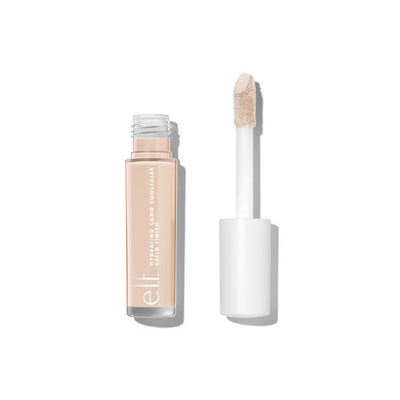
If you are wondering which foundation is best for dry skin, look for a hydrating formula that feels comfortable and does not emphasise dry patches.
Liquid, cream, and skin-tint foundations with natural, satin, or radiant finishes are often good options for dry skin.
What Makes a Foundation Good for Dry Skin?
 Choosing the right foundation for dry skin is about more than finding a shade that matches your complexion. The formula, finish, coverage, and ingredients can all affect how your makeup looks and feels throughout the day.
Dry skin often has less natural oil on its surface, which can make certain foundations cling to flaky areas or emphasise fine lines. A foundation that looks smooth on oily or normal skin may therefore appear patchy or cakey on dry skin.
That is why the best approach is to choose makeup that works with your skin rather than trying to cover every part of its natural texture.
A good foundation for dry skin should feel comfortable after application and leave the complexion looking fresh rather than tight. Hydrating ingredients can also help create a smoother makeup application and a more flexible finish.
When choosing a foundation, consider the formula first. A lightweight liquid, cream, or skin tint can often be easier to work with than a very thick or fast-drying formula. Your preferred coverage also matters. If you want a natural look, a light or medium-coverage formula may be enough. If you need more coverage, a buildable foundation lets you add product gradually.
Your finish is also important. A natural, satin, radiant, or dewy finish can complement dry skin because it helps the complexion look more comfortable and fresh.
However, there is no universal rule that says every person with dry skin must use the same foundation. Your level of dryness, skincare routine, climate, and personal makeup style all affect what works best.
Which Foundation Is Best for Dry Skin?
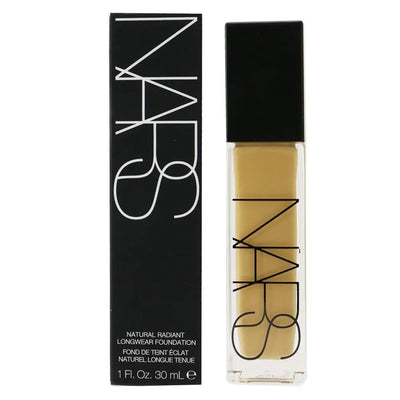
For most people, a hydrating foundation with a natural, satin, radiant, or dewy finish is a good place to start. Liquid and cream foundations are especially popular because they can spread across the skin without requiring too much rubbing.
Ultimately, the answer to which foundation is best for dry skin depends on what your skin needs and the makeup result you want. A foundation that blends easily, feels comfortable, and does not highlight dry patches is usually a better choice than one selected only because it is popular.
Best Foundation Finish for Dry Skin
Foundation finish can completely change the appearance of dry skin. A very powdery or flat finish may make flaky areas more noticeable, while a soft radiant finish can create a healthier-looking complexion.
Dewy and Radiant Finish
A dewy foundation can work beautifully on dry skin because it gives the complexion a soft, fresh-looking glow. Light reflects from the skin, helping it appear smoother and more moisturized.
However, dewy does not have to mean extremely shiny. If you prefer a subtle glow, choose a radiant foundation with a natural-looking finish.
This can be especially useful for everyday makeup because it gives the skin some brightness without making the complexion look overly glossy.
Satin and Natural Finish
A satin or natural finish is a useful middle ground. It gives the skin some dimension while avoiding an excessively shiny appearance.
This can be particularly helpful if you have combination skin with dry cheeks and a slightly oily forehead or nose. A natural finish can give the complexion a balanced appearance without making the dry areas look flat.
Should You Avoid Matte Foundation?
Not necessarily. People with dry skin can wear matte foundation, but the formula and application technique matter.
A very drying or heavily mattifying foundation may emphasise flaky patches and fine lines. If you love a matte finish, focus on proper skin preparation and use a thin layer of foundation.
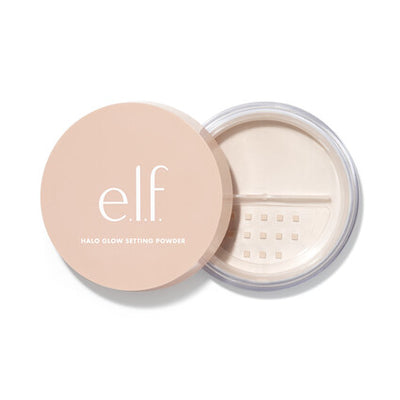
You also do not need to cover your entire face with powder. Apply powder only to areas where you need extra setting or oil control. This can help maintain a more comfortable appearance.
Which Foundation Texture Works Best for Dry Skin?
Foundation comes in different textures, and each can produce a different result. The best option depends on your skin's level of dryness, desired coverage, and preferred finish.
Liquid Foundation
A liquid foundation for dry skin is one of the easiest options to start with. Liquid formulas can often be applied in a thin layer and built up where additional coverage is needed.
If your skin is very dry, avoid assuming that a thicker foundation will automatically provide better results. Applying too much product can make flakes and texture more visible.
Start with a small amount and spread it gently across the face. You can then add another thin layer to areas that need more coverage.
Cream Foundation
Cream foundation generally has a richer texture and can provide medium to full coverage. It can be a good option when you want a more polished makeup look.
However, the finish still matters. A cream foundation with a dry, powdery finish may not be as comfortable as a cream formula designed to leave a natural or radiant finish.
Skin Tints and Tinted Moisturizers
If you prefer minimal coverage, a skin tint or tinted moisturizer can be a great everyday choice.
These products can help even out mild redness and uneven tone while allowing more of your natural skin to show through. They are particularly useful when you want makeup that feels light and effortless.
Ingredients to Look for in Foundation for Dry Skin
The ingredient list can give you useful clues when deciding which foundation may work well for dry skin.
Look for terms such as hyaluronic acid, glycerin, squalane, ceramides, and other moisturizing or skin-conditioning ingredients.
Hyaluronic acid is commonly used in skincare because it helps attract and retain water. Glycerin is another popular humectant that supports skin hydration.
Squalane is an emollient that can give formulas a smoother, softer feel. Ceramides are linked with the skin barrier and are commonly included in skincare designed to support dry or dehydrated skin.
However, one ingredient does not automatically make a foundation suitable for everyone. The complete formula, texture, finish, and your own skin all influence the final result.
Therefore, use ingredients as a helpful guide rather than choosing a foundation based on a single ingredient alone.
How to Prepare Dry Skin Before Foundation
Even the best foundation for dry skin can look patchy if the skin underneath is dehydrated or flaky. Good skin preparation creates a smoother base and helps foundation sit more naturally throughout the day.
Start with a gentle cleanser that does not leave your skin feeling tight. After cleansing, apply a moisturizer suited to your skin type. Give it a little time to settle before applying makeup. If your skin is very dry, you may need a richer moisturier, especially around areas that commonly become flaky.
During the day, sunscreen should also be part of your routine. Apply it after your skincare and before makeup, then allow it to settle before applying foundation.
You do not need a complicated routine. In fact, using too many products underneath foundation can sometimes cause pilling. A simple combination of cleanser, moisturizer, sunscreen, and foundation may be enough for everyday makeup.
Should You Use a Primer on Dry Skin?
 A primer is optional, but the right one can improve how foundation looks and feels.
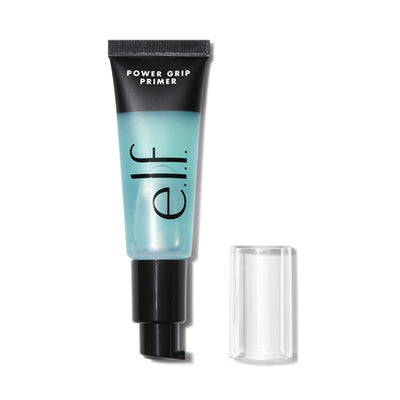
If your skin is dry, choose a hydrating primer rather than a strongly mattifying primer. A moisturizing or radiant primer can create a smoother surface and help your foundation blend more easily.
However, primer should not replace moisturizer. Your skin still needs proper hydration underneath makeup.
For the best result, use a small amount of primer and concentrate it on areas where you need extra smoothing or hydration.
How to Apply Foundation Without Flaking or Caking
How you apply your foundation can be just as important as the formula you choose.
Start with a small amount. Applying too much product at once can make dry patches more noticeable and create a heavy appearance.
Dot the foundation across the centre of your face and gently blend it towards the edges. A damp makeup sponge can create a soft, natural finish, while a foundation brush can provide more coverage.
Avoid repeatedly rubbing the same area. If you have visible dry patches, aggressive rubbing can lift the skincare underneath and make the texture look worse.
Instead, use gentle pressing or bouncing motions. Build the coverage slowly until you reach the result you want.
If you need extra coverage around redness or blemishes, apply a little more product only to those areas instead of adding another thick layer across your entire face.
How to Stop Foundation Clinging to Dry Patches
Foundation clinging to dry patches is one of the biggest concerns when choosing which foundation is best for dry skin.
The first step is to identify why the patches are appearing. Your skin may need more hydration, your foundation may be too mattifying, or you may be applying too much product.
If you have flaky skin, do not aggressively scrub it immediately before applying makeup. This can make irritation more noticeable. Instead, maintain gentle skincare and allow the skin to recover.
Your foundation should also match your skin's needs. If a particular formula repeatedly catches on dry areas, changing to a more hydrating or flexible formula may make a noticeable difference.
How to Stop Foundation Settling Into Fine Lines
Foundation naturally settles into areas where the face moves. However, heavy application can make this more noticeable.
If your foundation settles into fine lines, try using less product. A thin layer usually looks more natural than several thick layers.
Pay particular attention to areas around the eyes and mouth. These areas move frequently, so applying too much foundation can cause creasing.
You can also use a damp sponge to gently press the product into the skin. After application, check your face in natural light. If you notice excess product collecting in lines, lightly blend the area before setting it.
Avoid applying too much powder over fine lines. Powder can absorb moisture and may make dry areas look more noticeable.
How to Choose Foundation Coverage for Dry Skin
Coverage is a personal choice, but the amount of product you use can affect the final appearance of dry skin.
Light Coverage
Light coverage is ideal if you want a fresh, natural complexion. It allows freckles and natural skin texture to remain visible while creating a more even appearance.
Skin tints and lightweight liquid foundations are common choices for this type of look.
Medium Coverage
Medium coverage offers more evening out while still allowing the makeup to look relatively natural. A buildable foundation is especially useful because you can add coverage only where needed.
Full Coverage
Full coverage can work for dry skin, but application becomes more important. Full coverage can provide more evenness, but it may make visible texture more noticeable if the formula or finish is too heavy. If your skin has visible flakes, too much full-coverage foundation can make them stand out. Good skin preparation can therefore make a major difference.
How to Choose the Right Foundation Shade and Undertone
Finding which foundation is best for dry skin is only part of choosing the right product. Your shade also needs to match your complexion.
A foundation that is too light, too dark, too pink, or too yellow can make your makeup look unnatural, even when the formula itself is excellent.
Your undertone usually falls into one of three broad categories: warm, cool, or neutral. Some people may also have an olive undertone.
When possible, test foundation along the jawline rather than only on your hand. Your face and neck may not be the same shade as your hands.
Allow the product to settle before deciding whether the colour matches. Some formulas can change slightly as they dry.
If you are buying online, check the brand's shade descriptions and compare them with shades you already know work for you.
How to Make Foundation Last on Dry Skin
People with dry skin often worry that their foundation will disappear or become patchy after several hours. The key is to create a balanced base rather than applying more makeup.
Allow your skincare products to settle before moving on to makeup. Apply foundation in thin layers and avoid excessive powder.
If you need to refresh your makeup later, avoid immediately adding another thick layer of foundation. Lightly press the area first and then add a small amount of product where necessary.
A setting spray can also help create a more natural finish, depending on the formula. Choose one that suits dry skin rather than a product designed to produce an extremely matte finish.
The goal is not to make your foundation completely immovable. Instead, aim for makeup that fades naturally while keeping your skin comfortable.
Is Foundation Bad for Dry Skin?
Foundation itself is not necessarily bad for dry skin. The problem usually comes from choosing a formula that does not suit your skin or applying it incorrectly.
If your foundation consistently causes tightness, flakes, irritation, or discomfort, reconsider the formula and your preparation routine.
Removing makeup gently at the end of the day is also important. Use a suitable makeup remover or cleanser rather than scrubbing your face aggressively.
Your skin should feel clean and comfortable after removing makeup, not stripped or excessively dry.
Can Dry Skin Use Full-Coverage Foundation?
Yes, dry skin can use full-coverage foundation. The key is how you prepare and apply it.
Full coverage does not mean you need a thick layer. A buildable full-coverage formula can allow you to start with a small amount and increase coverage gradually.
Before applying it, make sure your skin is moisturied and comfortable. Then apply a thin layer and blend gently.
If you have flaky areas, avoid repeatedly brushing over them. Instead, press the foundation into the skin with a damp sponge.
This technique can help you achieve the coverage you want without creating a heavy, cakey appearance.
Why Does Foundation Look Cakey on Dry Skin?
 If your foundation looks cakey, the problem may not always be the foundation itself.
Several factors can contribute to a cakey appearance, including applying too much product, using too much powder, skipping moisturizer, or layering too many skincare and makeup products.
A very dry complexion can also make foundation texture more visible.
If the foundation still looks dry after several attempts, the formula may simply not be suitable for your skin.
Why Does My Foundation Look Good at First but Dry Later?
Sometimes foundation looks smooth immediately after application but becomes dry, patchy, or tight after a few hours.
This can happen when the skin lacks enough moisture or when the foundation has a finish that is too drying for your complexion.
Your environment can also affect how your makeup behaves. Cold weather, air conditioning, dry air, and long hours without skincare can make dry skin feel less comfortable.
If this happens regularly, try using a more hydrating moisturizer before makeup and switching to a foundation with a natural or radiant finish.
Also consider how much powder you are using. Heavy powder can make the skin appear drier as the day progresses.
Can You Use Powder on Dry Skin?
Yes, but use it carefully.
People with dry skin often assume they should avoid powder completely. That is not always necessary. Powder can help set makeup and reduce unwanted shine.
The key is to avoid applying a thick layer across the entire face.
Instead, focus on areas where your makeup tends to move, such as around the nose or under the eyes. Use a small amount and press it gently onto the skin.
If your complexion already looks dry, excessive powder may make texture more visible. A natural finish can often be maintained by using less.
Foundation Tips for Dry Skin in Different Seasons
Your foundation needs may change throughout the year.
During colder months, dry skin may require richer skincare and a more moisturizing foundation. You may prefer a creamier texture and a radiant finish.
In warmer weather, a lightweight hydrating foundation can feel more comfortable. You may also prefer a natural or satin finish if your skin becomes slightly oilier in hot conditions.
Dry skin needs a foundation that hydrates and flexes with your skin instead of settling into patches. For full-glam, long-wear makeup, explore Huda Beauty Pakistan at Khayest, alongside the Easy Bake powders and palettes.
Shade-matching works the same way for foundation as for powder: test on the jawline in daylight. For reliable everyday makeup at friendly prices, browse Maybelline Pakistan at Khayest, from Fit Me foundation to Sky High mascara.
FAQs
Which foundation is best for dry skin?
The best foundation for dry skin is usually a hydrating liquid or cream formula with a natural, satin, radiant, or dewy finish. Choose one that blends easily without clinging to dry patches.
Is liquid foundation good for dry skin?
Yes. A liquid foundation for dry skin can provide a smooth, flexible finish, especially when it contains moisturizing ingredients and is applied over well-prepared skin.
Is dewy foundation better for dry skin?
A dewy foundation can make dry skin look fresh and healthy. However, a satin or natural finish is a better choice if you prefer a softer glow without excessive shine.
How do I stop foundation from looking flaky on dry skin?
Start with a gentle cleanser and moisturizer, allow your skincare to settle, and apply foundation in thin layers. Avoid excessive powder, as it can make dry patches more noticeable.
Can I use full-coverage foundation if I have dry skin?
Yes. Choose a buildable formula and apply it gradually. Thin layers usually look smoother and more natural than applying a thick layer at once.
Conclusion
Knowing which foundation is best for dry skin is about finding a formula that works with your skin rather than simply following popular trends. Good skin preparation also matters.
Moisturize before makeup, apply foundation in thin layers, and avoid excessive powder to help prevent a flaky or cakey finish.
At Khayest , explore makeup and skincare products to build a routine that suits your skin type and preferred look. Choose the right formula, prepare your skin properly, and enjoy a smoother, more natural-looking finish.