
Why Does My Sunscreen Pill?
Sunscreen pills because product layers roll off instead of forming a smooth sunscreen film. The main causes include too much skincare, wet layers, heavy moisturizer, formula mismatch, rubbing, dry patches, and makeup friction.
Many shoppers ask why does my sunscreen pill because sunscreen flakes look like dead skin. Most flakes come from product residue, not real peeling.
The fix starts with fewer layers, cleaner skin, smaller product amounts, longer wait time, and a sunscreen texture that suits your skin.
This guide answers why does my sunscreen pill without blaming your skin or telling you to quit SPF.
Why Does My Sunscreen Pill After Skincare?

Sunscreen pills after skincare when earlier layers block even film formation. Sunscreen needs a smooth surface and stable product base.
Toner, serum, moisturizer, primer, and foundation each add texture. Too many layers increase friction and product buildup.
A sunscreen film protects best when the sunscreen spreads evenly. Rolled flakes leave uneven coverage and make makeup patchy.
Searchers often ask why does my sunscreen pill after moisturizer because morning routines feel normal before SPF. Heavy creams cause many cases.
Too Many Skincare Layers
Use 3 morning layers before makeup: cleanser, moisturizer, and sunscreen. Add toner or serum only when your skin needs hydration.
Layering toner, essence, serum, face oil, moisturizer, sunscreen, primer, and foundation creates 8 surfaces. More surfaces create more rubbing.
Choose 1 serum, such as vitamin C, niacinamide, or hyaluronic acid. Apply 3 drops and press serum gently.
Wet or Sticky Products
Let each layer dry before sunscreen touches your face. Wet toner and sticky serum make sunscreen slide and ball up.
Wait 3 minutes after watery products. Wait 5 minutes after gel moisturizer. Wait 10 minutes after rich cream.
Press tissue lightly over sticky areas for 2 seconds. Do not wipe the face before sunscreen.
Formula Mismatch
Formula mismatch happens when products refuse to sit together. Water-based, oil-based, and silicone-based products spread differently.
A water gel under a silicone-heavy sunscreen can roll. An oil-rich moisturizer under a water-light SPF can separate.
Test sunscreen alone on clean skin for 1 day. Add moisturizer the next day. Add serum on day 3.
Why Does My Sunscreen Pill on Bare Skin?
Sunscreen pills on bare skin when the formula does not match your skin texture or skin chemistry. Some sunscreens roll without other products.
Your skin surface contains sebum, sweat, dead skin cells, and cleanser residue. Each surface factor changes how sunscreen grips.
If you ask why does my sunscreen pill on bare skin, test 2 variables first: skin dryness and sunscreen texture.
Dry Patches Create Friction
Dry patches catch sunscreen and make flakes more visible. Pilling often gathers around cheeks, mouth corners, nose sides, and chin.
Apply a light moisturizer first when dry patches appear. Use a pea-sized amount across the face and neck.
Use a 0.5 inch (1.3cm) amount of moisturizer for each cheek when skin feels tight.
Sebum Changes the Finish
Extra sebum can make sunscreen slide before the film sets. Oily areas often pill around the nose, forehead, and upper lip.
Blot oily skin before sunscreen. Press a clean tissue for 5 seconds across the forehead and nose.
Choose gel, fluid, or serum sunscreen for oily skin. Avoid thick body sunscreen on the face.
Cleanser Residue Stays Behind
Cleanser residue can stop sunscreen from gripping evenly. Cream cleansers, oil cleansers, and cleansing balms need full rinsing.
Rinse your face for 20 seconds. Check hairline, jawline, and nose sides because residue hides there.
Pat skin dry with a clean towel. Leave skin slightly comfortable, not dripping wet.
Is Sunscreen Pilling Dead Skin or Product Buildup?
Sunscreen pilling usually means product buildup, not dead skin. Dead skin cells can add texture, but products create most rolling.
Many people exfoliate harder after pilling. Harsh scrubbing can damage the skin barrier and make flaking worse.
Ask why does my sunscreen pill before using stronger exfoliation. Your answer often sits in layering, amount, or texture.
Signs of Product Buildup
Product buildup rolls into soft white, beige, or clear balls. Product balls appear when you rub skin after sunscreen.
Pilling appears after moisturizer, sunscreen, primer, or foundation. Product buildup often worsens during makeup application.
Remove product balls gently with a damp cloth. Reapply sunscreen only after skin settles.
Signs of Dead Skin Cells
Dead skin cells look rough before skincare starts. Roughness feels present after cleansing and before serum or sunscreen.
Gentle exfoliation helps when flakes remain on clean bare skin. Use mild chemical exfoliation 1 time weekly.
Choose lactic acid, mandelic acid, or polyhydroxy acid [PHA]. Avoid harsh scrubs on irritated skin.
Signs of Barrier Irritation
Barrier irritation causes stinging, redness, tightness, and visible flakes. Irritated skin pills because the surface feels uneven.
Stop strong actives for 7 days when sunscreen stings or flakes heavily. Use moisturizer and SPF only.
Restart actives slowly. Use retinol, glycolic acid, or benzoyl peroxide on separate nights.
How to Stop Sunscreen Pilling in Your Morning Routine
To stop sunscreen pilling in your morning routine, use fewer products, apply smaller amounts, wait between layers, and press sunscreen gently.
The best routine depends on your skin type. Dry skin needs comfort. Oily skin needs light texture. Sensitive skin needs fewer triggers.
Searchers ask why does my sunscreen pill because the same sunscreen can work one day and fail the next. Routine changes explain that.
Use Fewer Products Under Sunscreen
Use 2 products before sunscreen when pilling happens. Cleanser and light moisturizer create a cleaner SPF base.
Skip face oil, heavy balm, thick sleeping mask, and rich cream during daytime. Save rich products for night.
Keep toner only when toner hydrates without stickiness. Keep serum only when serum absorbs within 3 minutes.
Wait Before Applying Sunscreen
Wait 5 minutes after moisturizer before applying sunscreen. Wait time helps earlier products settle on the skin.
Use your sunscreen after the face feels dry-to-touch. Do not apply sunscreen over wet moisturizer.
Set a phone timer for 5 minutes during testing. Guessing wait time often creates inconsistent results.
Pat Sunscreen Instead of Rubbing
Pat sunscreen across your face after a short spread. Constant rubbing breaks the sunscreen film and creates rolls.
Place sunscreen on 5 areas: forehead, nose, chin, left cheek, and right cheek. Spread once, then press.
Keep pressure gentle. Fast rubbing creates friction around hairline, jawline, and cheeks.
How to Choose Sunscreen That Does Not Pill

To choose sunscreen that does not pill, match sunscreen texture to your skin type and makeup routine. Texture matters as much as SPF.
A lightweight sunscreen often sits better under makeup. A rich sunscreen often suits dry skin without foundation.
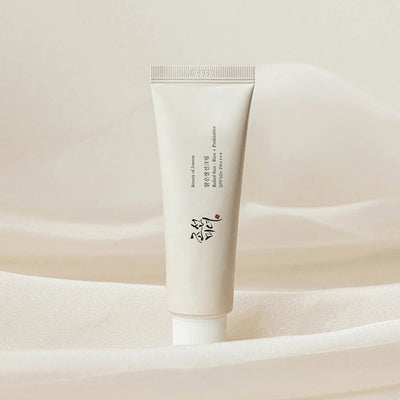
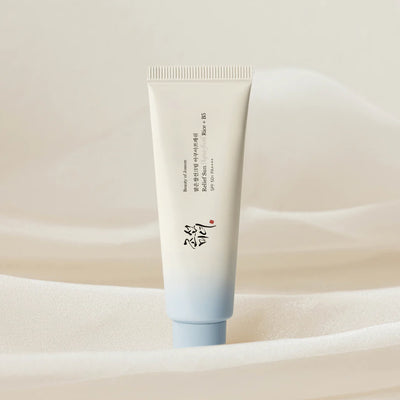
Khayest shoppers can compare formulas through the Round Lab sunscreen page for a hydrating daily option.
Choose Gel Sunscreen for Oily Skin
Gel sunscreen suits oily and combination skin. Gel textures feel lighter around the nose, forehead, and chin.
Choose gel sunscreen when your T-zone gets shiny within 2 hours. Pair gel SPF with a light water-based moisturizer.
Avoid layering gel sunscreen over thick cream. That mix often creates product rolling.
Choose Fluid Sunscreen Under Makeup
Fluid sunscreen suits makeup users because fluid texture spreads thinly. Thin layers create less friction under primer and foundation.
Look for words such as fluid, serum, watery, lightweight, invisible, and non-sticky. These textures often set faster.
The Medicube sun serum product page highlights a lightweight serum texture that layers under makeup.
Choose Cream Sunscreen for Dry Skin
Cream sunscreen suits dry skin when the formula absorbs cleanly. Dry cheeks need comfort before makeup sits smoothly.
Use cream sunscreen alone when cream sunscreen feels moisturizing. Add moisturizer only on dry areas, such as cheeks and mouth corners.
Avoid applying thick moisturizer under rich sunscreen. Two rich layers often pill.
Why Does Sunscreen Pill Under Makeup?
Sunscreen pills under makeup because foundation, primer, and brushes add friction over the SPF film. Makeup can disturb fresh sunscreen.
Let sunscreen set for 10 minutes before makeup. This wait helps the sunscreen film settle evenly.
People ask why does my sunscreen pill under foundation because sunscreen looks fine before makeup. Makeup pressure reveals weak layering.
Primer Can Clash With Sunscreen
Primer clashes with sunscreen when both formulas have different bases. Silicone primer over water-light sunscreen can roll.
Use sunscreen alone as primer for simple makeup. Add primer only for oil control, pore blur, or long wear.
Apply primer only to 3 areas: nose, cheeks, and forehead. Avoid full-face primer when pilling starts.
Foundation Can Lift the SPF Film
Foundation lifts sunscreen when you drag a brush across fresh SPF. Dragging creates rolls near cheeks and jawline.
Press foundation with a sponge. Use small tapping motions across a 1 inch (2.5cm) area each time.
Use less foundation near hairline and nose sides. Product collects there quickly.
Powder Can Catch Product Balls
Powder makes pilling more visible when sunscreen has not set. Powder sticks to small rolls and dry patches.
Wait 10 minutes before powder. Use a soft puff and press powder only on oily areas.
Choose 1 powder type, such as translucent powder, pressed powder, or setting powder. Avoid mixing all 3.
Does Pilling Reduce Sunscreen Protection?
Yes, pilling can reduce sunscreen protection because rolled sunscreen no longer covers skin evenly. Even coverage matters for ultraviolet protection.
Sun protection factor [SPF] measures protection against ultraviolet B [UVB] rays. Broad-spectrum sunscreen also protects against ultraviolet A [UVA] rays.
Rolled sunscreen leaves gaps. Gaps expose skin to UVB sunburn risk and UVA dark spot risk.
The answer to why does my sunscreen pill also matters for protection. Smooth sunscreen performs better than rolled sunscreen.
Remove Heavy Pilling Before Reapplying
Remove heavy pilling before reapplying sunscreen. Applying more SPF over loose rolls creates patchy coverage.
Wipe heavy pills with a damp cloth. Apply moisturizer only where skin feels tight. Add sunscreen again.
Use this reset before outdoor exposure, driving, sports, or a long walk.
Leave Minor Texture Alone
Leave minor texture alone when sunscreen still covers the skin. Constant touching creates more rolling.
Stop rubbing when small texture appears after sunscreen sets. Press loose edges with clean fingers.
Reapply sunscreen after 2 hours outdoors, sweating, swimming, or towel drying.
Quick Reference: Smooth Sunscreen Routine
|
Task |
Timing |
Method |
Difficulty |
|
Clean skin |
Morning |
Rinse cleanser for 20 seconds and pat dry |
Easy |
|
Apply moisturizer |
Before SPF |
Use a pea-sized amount and wait 5 minutes |
Easy |
|
Apply sunscreen |
Final skincare step |
Spread once, then press gently |
Medium |
|
Apply makeup |
10 minutes after SPF |
Press foundation with sponge, not brush dragging |
Medium |
|
Fix heavy pilling |
Before sun exposure |
Wipe loose rolls and reapply sunscreen |
Medium |
|
Test products |
4 days |
Add 1 layer each day and record results |
Easy |
What Mistakes Make Sunscreen Pill More?
The biggest mistake is changing every product at once. Test 1 change at a time for clear answers.
Use a simple routine for 3 days before judging a sunscreen. Skin and product behavior change with heat, sweat, and makeup.
Ask why does my sunscreen pill after each change. A testing order finds the real cause faster.
Avoid these 6 common mistakes:
- Using 5 skincare layers before sunscreen.
- Applying sunscreen over wet toner or wet moisturizer.
- Rubbing sunscreen for longer than 20 seconds.
- Using heavy night cream under daytime SPF.
- Layering primer and foundation before sunscreen sets.
- Exfoliating harshly after every pilling episode.
How to Test Which Product Causes Sunscreen Pilling

To test which product causes sunscreen pilling, build your routine one layer at a time for 4 days. Clear testing saves money.
Day 1 uses sunscreen on clean skin. Day 2 adds moisturizer. Day 3 adds serum. Day 4 adds makeup.
Record the result after 15 minutes and 4 hours. Heat and sweat can reveal late pilling.
Test Sunscreen Alone
Sunscreen alone shows whether the SPF formula suits your skin. Pilling on bare skin points to texture mismatch.
Apply sunscreen after cleansing. Use no toner, serum, moisturizer, primer, or foundation for 1 test morning.
Switch texture when sunscreen pills alone. Try fluid, gel, serum, or lighter cream formulas.
Test Moisturizer With Sunscreen
Moisturizer testing shows whether your base layer causes rolling. Heavy creams often create pilling under SPF.
Use a pea-sized moisturizer amount. Wait 5 minutes. Apply sunscreen with a press-and-spread method.
Move rich moisturizers to night when daytime pilling continues.
Test Makeup With Sunscreen
Makeup testing shows whether primer or foundation lifts SPF. Makeup friction often causes pilling after sunscreen looks smooth.
Apply sunscreen, wait 10 minutes, then press foundation. Skip primer for the first makeup test.
Add primer only after sunscreen and foundation work together.
FAQs About Sunscreen Pilling
Is sunscreen pilling bad?
Yes, heavy sunscreen pilling can reduce even SPF coverage. Smooth coverage protects better than rolled flakes.
Should I wash off sunscreen when it pills?
Yes, wash off heavy pilling before strong sun exposure. Reapply sunscreen on clean, settled skin.
Can moisturizer cause sunscreen pilling?
Yes, heavy moisturizer often causes sunscreen pilling. Use a smaller amount or a lighter moisturizer in the morning.
Does exfoliation stop sunscreen pilling?
No, exfoliation only helps when dead skin creates texture. Layering and formula mismatch cause most pilling.
Can I put makeup over sunscreen that pills?
No, makeup usually makes pilling worse. Reset heavy pilling before primer, foundation, or powder.
Final Answer: Why Does My Sunscreen Pill?
Sunscreen pills because product layers, skin texture, rubbing, or formula mismatch disturb the sunscreen film. The best fix uses fewer layers, smaller amounts, proper wait time, and a lighter SPF texture.
Test sunscreen alone, then add moisturizer, serum, and makeup one at a time. This method shows the real cause without wasting products.
Once you know why does my sunscreen pill, your morning SPF routine becomes easier to adjust.
For smoother daily SPF, compare lightweight formulas in the Khayest sunscreen collection and choose a texture that suits your skin.