
What Is Best Foundation?
What is best foundation? The best foundation matches your skin type, undertone, coverage goal, finish, climate, and wear time. No single formula gives every person the best result.
You should judge foundation by skin behavior, not popularity alone. A strong shade match can still fail after oxidation, separation, or dryness.
Many shoppers ask what is best foundation after products look cakey, orange, flat, oily, or patchy. Those problems usually reveal a mismatch in formula, shade, preparation, or setting.
For a flawless everyday look, see our full guide to loreal paris foundation price in pakistan — application tips, shades and pricing in Pakistan.
What Is Best Foundation for Your Skin Type?

What is best foundation for your skin type? The right formula matches your skin's oil level, hydration, texture, and comfort needs.
Start with skin type before you compare brands. Oily skin, dry skin, and combination skin create different wear problems during the same day.
Oily Skin: Control Shine Without Creating a Flat Finish
Choose a long-wear liquid foundation with a natural matte or soft matte finish. Lightweight layers control excess shine better than one heavy layer.
What is best foundation for oily skin depends on sebum level and desired coverage. Maybelline Fit Me Matte + Poreless and Lancôme Teint Idole illustrate matte-focused options.
Dry Skin: Prevent Flakes, Tightness, and Caking
Choose a hydrating liquid foundation with a natural, satin, or radiant finish. Flexible textures reduce visible dryness better than rigid matte layers.
What is best foundation for dry skin depends on moisture and texture. NARS Light Reflecting and Giorgio Armani Luminous Silk represent skin-like, radiant directions.
Combination Skin: Balance the T-Zone and Drier Areas
Choose a natural or satin foundation with buildable coverage. The balanced finish gives you flexibility across oily and dry facial zones.
What is best foundation for combination skin often changes with weather. A lighter formula usually handles seasonal shifts better than thick full coverage.
If dependable coverage and finish matter to you, our complete guide to morphe eyeshadow palette price in pakistan covers the shades, wear time and where to buy it.
What Is Best Foundation for Coverage and Finish?
What is best foundation for coverage and finish? Choose coverage for correction needs and finish for the surface appearance you prefer.
Light Coverage: Keep Freckles and Natural Texture Visible
Choose a skin tint, tinted moisturizer, or sheer liquid foundation for minimal correction. Light coverage suits even skin with minor redness or discoloration.
What is best foundation for everyday minimal makeup often falls in the light-coverage category. Skin tints also feel comfortable during short daytime wear.
Medium Coverage: Correct Uneven Tone Without Heavy Layers
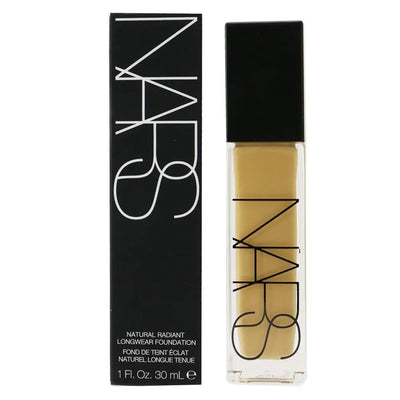
NARS Natural Radiant Longwear offers a radiant, buildable medium-to-full direction. Explore the NARS radiant foundation when you want longer wear with visible radiance.
Full Coverage: Cover Acne Marks and Strong Discoloration
Choose full coverage when acne scars, melasma, strong redness, or event makeup needs more correction. Apply thin layers before adding more product.
What is best foundation for full coverage should still feel flexible. Thick texture alone does not create better coverage or better wear.
Matte, Satin, and Radiant Finishes: Match the Look to Your Skin
Choose matte for stronger shine control, satin for balance, and radiant for visible glow. Natural finishes sit between matte and radiant categories.
What is best foundation depends on your preferred finish after 6 hours, not only the first 10 minutes.
What Is Best Foundation for Pakistan's Heat and Humidity?

What is best foundation for Pakistan's heat and humidity? Choose long-wear, lightweight coverage and control shine only where your skin produces excess oil.
Choose Long-Wear Formulas for Extended Days
Choose long-wear foundation for weddings, office days, travel, and outdoor events. Look for transfer-resistant or humidity-resistant claims from the manufacturer.
What is best foundation for long events depends on comfort and durability together. A foundation that cracks after 4 hours fails the wear test.
Use Thin Layers Before Setting High-Sebum Areas
Apply 1 thin layer first, then add coverage only where needed. Thin layers resist movement better than a thick single coat.
Set the nose, forehead, chin, and under-eye edges lightly. Press powder into high-sebum areas instead of sweeping powder across the whole face.
Test Transfer and Separation Before a Major Event
Run an 8-hour wear test before weddings or professional photography. Check the nose, chin, smile lines, and hairline at 2-hour intervals.
What is best foundation becomes clearer after a real wear test. Store lighting and a fresh swatch cannot predict a full day.
For a flawless everyday look, see our full guide to huda beauty loose powder shades — application tips, shades and pricing in Pakistan.
How to Match Your Foundation Shade and Undertone
To match your foundation shade and undertone, test the jawline, check daylight, and allow the formula to dry down.
A correct formula still looks wrong when the undertone clashes with your complexion. Pakistani complexions commonly show warm, neutral, golden, and olive undertones.
Identify Warm, Neutral, Cool, or Olive Undertones
Check how gold and silver jewelry sit against your skin. Gold often complements warm undertones, while silver often complements cool undertones.
Treat jewelry as one clue, not a final test. Daylight swatches give you stronger evidence than jewelry alone.
Test 3 Shades Along the Jawline in Daylight
Apply 3 close shades from cheek to jawline. Choose the shade that visually disappears between your face and neck.
What is best foundation for shade accuracy requires a good formula and the correct undertone. A wrong undertone can make skin look grey or orange.
Wait 10 Minutes Before Judging Oxidation
Wait 10 minutes after swatching before choosing a shade. Some formulas darken or shift warmer after exposure to air, skin oils, or drying.
Compare the fresh swatch with the dried swatch. Avoid a shade that turns noticeably orange, red, grey, or too deep.
Why Does Foundation Look Cakey, Patchy, Orange, or Dull?
Foundation looks cakey, patchy, orange, or dull when formula, shade, skin preparation, or application conflicts with your skin's behavior.
What is best foundation becomes easier to answer after you identify the failure pattern. Each visible problem points toward a different correction.
Cakey Foundation Usually Signals Too Much Product or Dry Texture
Reduce foundation before changing products. Heavy layers collect around pores, fine lines, dry patches, and moving facial areas.
Moisturize dry skin before makeup and allow skincare to settle. Apply medium coverage in thin layers rather than forcing full correction immediately.
Patchy Foundation Often Signals Prep or Formula Compatibility Problems
Let sunscreen and moisturizer settle before foundation. Rubbing a wet skincare layer can create rolling, gaps, and uneven pigment.
What is best foundation for patchy makeup can change after better preparation. Replace the formula only after a controlled application test.
Orange or Dull Foundation Usually Signals Shade or Undertone Errors
Check dry-down before blaming coverage. Oxidation can deepen color, while a mismatched undertone can flatten natural warmth or brightness.
Choose a more neutral or olive option when warm shades turn orange. Choose a warmer option when cool shades create a grey cast.
Not sure which base suits you? Our breakdown of kass cosmetics walks through finish, shade range and how it wears through the day.
What Foundation Works Best for Acne, Texture, and Mature Skin?

Choose foundation for the visible concern without overloading the entire face. Acne, texture, and mature skin benefit from different coverage strategies.
What is best foundation for a skin concern should prioritize comfort and finish before maximum pigment. More coverage does not always create smoother skin.
Acne-Prone Skin: Choose Non-Comedogenic, Buildable Coverage
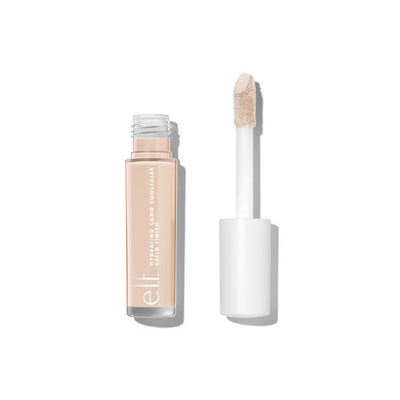
Look for non-comedogenic labeling and lightweight buildable coverage. Use targeted concealer over acne marks instead of repeated full-face layers.
What is best foundation for acne-prone skin also depends on sensitivity. Fragrance-free formulas can suit users who react to added fragrance.
Textured Skin: Choose Flexible Coverage and Limit Heavy Powder
Choose thin liquid layers that move with the skin. Thick matte layers can emphasize raised texture under direct light.
Make Up For Ever HD Skin offers an undetectable long-wear direction in 1.01 fl oz (30 mL). Review the HD Skin foundation when you want buildable coverage with a skin-like finish.
Mature Skin: Choose Hydration, Flexibility, and Controlled Coverage
Choose light-to-medium buildable coverage with natural, satin, or radiant finishes. Flexible formulas reduce heavy settling around fine lines.
What is best foundation for mature skin depends on current skin behavior. A formula that worked 10 years ago can feel drier now.
How to Choose Foundation in 5 Steps
To choose foundation in 5 steps, define skin type, finish, coverage, undertone, and wear conditions before comparing products.
A structured process reduces expensive shade mistakes and unused bottles. The same process also separates genuine needs from marketing claims.
Step 1: Define Your Skin Type
Classify your skin as oily, dry, combination, normal, or sensitive. Judge skin after a normal day without changing your routine.
What is best foundation starts with skin behavior. Oil breakthrough, flakes, redness, and tightness each change formula priorities.
Step 2: Choose 1 Finish and 1 Coverage Goal
Choose matte, natural, satin, or radiant finish. Choose light, medium, or full coverage separately.
Write both choices before shopping. A medium radiant foundation solves a different need from a full matte foundation.
Step 3: Identify Undertone Before Shade Depth
Identify warm, cool, neutral, or olive undertone first. Then compare shade depth within the correct undertone family.
What is best foundation for your complexion requires both dimensions. Correct depth with the wrong undertone still looks mismatched.
Step 4: Run a 10-Minute Shade Test
Apply 3 jawline swatches and wait 10 minutes. Compare the dried shades in natural daylight before choosing.
Reject shades that deepen dramatically or create orange, pink, grey, or yellow casts. Choose the shade that blends into face and neck.
Step 5: Run an 8-Hour Wear Test
Wear the selected foundation for 8 hours during a normal day. Check shine, separation, dryness, transfer, color shift, and comfort.
What is best foundation becomes a personal performance question after the wear test. Keep the formula that solves your actual problems.
Drugstore vs Luxury: Which Foundation Gives Better Value?
Neither price tier automatically gives better skin results. Formula match, shade accuracy, finish, and wear matter more than packaging or prestige.
What is best foundation for your budget should balance repeatable performance with a price you can comfortably replace.
Drugstore Foundation Can Deliver Strong Daily Performance
Choose drugstore foundation when shade range and finish match your needs. Maybelline Fit Me and L'Oréal True Match offer widely discussed affordable directions.
Spend less while testing a new finish or coverage level. A lower price reduces the cost of experimentation during shade selection.
Luxury Foundation Can Offer Refined Texture and Shade Systems
Choose luxury foundation for specific textures, finish preferences, shade systems, or long-wear performance that you value.
Giorgio Armani Luminous Silk, NARS, Dior, and Lancôme illustrate premium formula categories with distinct finish and coverage profiles.
What is best foundation at a higher price still depends on your skin. Premium pricing cannot correct a poor undertone or incompatible finish.
Spend More Only for a Clear Performance Advantage
Compare wear, comfort, shade, and finish side by side. Pay more only when the higher-priced option solves a visible problem better.
Avoid buying luxury foundation solely for brand status. Your skin should show the performance difference during an 8-hour wear test.
How to Apply Foundation for Longer, More Natural Wear

To apply foundation for longer wear, prepare skin, build thin coverage, and set only areas needing control.
Application can change the same foundation's finish. Heavy layers, excess powder, and rushed skincare can shorten wear.
Prepare Skin Without Leaving a Slippery Surface
Cleanse and moisturize before makeup. Let skincare settle before primer or foundation touches the face.
Use sunscreen every morning. Foundation with Sun Protection Factor (SPF) does not replace a dedicated sunscreen layer.
What is best foundation cannot compensate for unstable skin preparation. A smooth, settled base improves blending and reduces patchiness.
Apply Thin Layers With a Sponge or Brush
Start at the center of the face and blend outward. Add product only where redness, pigmentation, or scars remain visible.
Use a damp sponge for a pressed, skin-like finish. Use a dense foundation brush for faster coverage and stronger pigment placement.
Avoid repeated rubbing around pores and active acne. Pressing and stippling preserve coverage with less surface disturbance.
Set Strategic Areas Instead of Powdering Every Inch
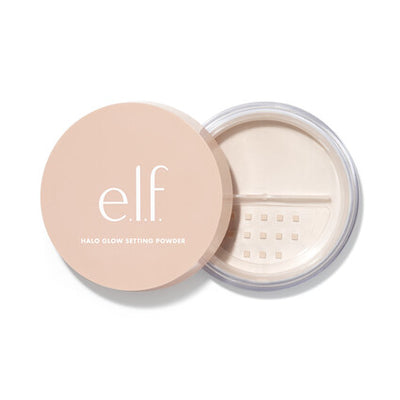
Press a small amount of setting powder into the T-zone, under-eyes, and crease-prone areas. Keep naturally dry zones lighter.
Finish with setting spray when longer wear matters. Let the spray dry without touching or fanning the face.
What is best foundation can perform poorly under excessive powder. Targeted setting keeps texture more natural while controlling movement.
Quick Reference: How to Test a Foundation Before Buying
Use the quick-reference table to compare a foundation before committing to a full routine. Each task checks a different failure point.
|
Task |
Timing |
Method |
Difficulty |
|
Identify skin type |
1 normal day |
Track shine, tightness, flakes, and sensitivity |
Easy |
|
Check undertone |
5 minutes |
Compare warm, cool, neutral, and olive clues |
Easy |
|
Swatch 3 shades |
10 minutes |
Test jawline and inspect in daylight |
Easy |
|
Check dry-down |
10 minutes |
Compare fresh and dried color |
Easy |
|
Run wear test |
8 hours |
Check shine, separation, transfer, and comfort |
Moderate |
5 FAQs About What Is Best Foundation
The following questions cover the most common buying decisions around price, shade, finish, sunscreen, and daily wear.
Is Expensive Foundation Always Better?
No. Price does not guarantee a better shade match, finish, or wear result for your skin.
Compare drugstore and luxury formulas using the same 8-hour test. Choose the formula that performs better on your face.
Should Foundation Match Your Face or Neck?
No. Do not match one isolated facial area. Match the foundation across the jawline so face and neck look continuous.
Use natural daylight before purchase. Indoor lighting can hide undertone and depth differences.
Can Oily Skin Wear Dewy Foundation?
Yes. Oily skin can wear dewy foundation with thin application and targeted powder on high-sebum areas.
Choose a long-wear radiant formula rather than a greasy texture. Test the T-zone after 4 hours before committing.
Does Foundation With SPF Replace Sunscreen?
No. Foundation with Sun Protection Factor (SPF) should not replace a dedicated sunscreen application.
Apply sunscreen first and let the sunscreen settle. Add foundation after the protective layer forms an even surface.
What Is Best Foundation for Daily Wear?
A lightweight, buildable foundation with a natural finish works well for many daily routines.
What is best foundation for daily wear still depends on skin type, undertone, climate, and desired correction. Choose comfort before maximum coverage.
Final Choice: What Is Best Foundation for You?
What is best foundation for you? The best choice matches your skin type, undertone, coverage, finish, climate, and real wear test.
Start with your biggest problem, such as shine, dryness, acne marks, oxidation, or shade mismatch. Then choose the formula that solves that problem.
Use 3 jawline swatches, a 10-minute dry-down check, and an 8-hour wear test before judging performance. Those checks reduce costly mismatches.
Ready to compare authentic options for oily, dry, combination, mature, and event makeup? Shop the Khayest foundation collection and choose your finish, coverage, and shade with confidence.