
How to Make Rice Mask for Face
If you are wondering how to make rice mask for face, you can create a simple homemade mask with cooked rice, rice flour or rice water. These DIY options are easy to prepare, but the best recipe depends on your skin type. Here is how to make and use a rice face mask safely, plus what to avoid.
How to Make Rice Mask for Face at Home
A homemade rice face mask can be very simple. You do not need a long list of ingredients or complicated preparation. A smooth cooked-rice mask is one of the easiest options because it creates a soft texture without the roughness of dry rice grains.
For a basic recipe, you will need cooked rice and a little clean water. You can also add a small amount of honey or aloe vera if your skin tolerates these ingredients.
Simple Cooked Rice Face Mask Recipe
Take about two tablespoons of plain, cooked rice and allow it to cool completely. Mash or blend it with one or two teaspoons of clean water until it becomes a smooth paste.
You can add around one teaspoon of honey for a more moisturizing feel. Mix everything well and apply a thin layer to clean skin. Leave it on for about 10–15 minutes, then rinse gently with lukewarm water.
Finish with your usual moisturizer.
The important part is the texture. Your mask should be smooth rather than gritty. There is no need to scrub your face while removing it.
Rice Mask for Face: Rice Water, Rice Flour or Cooked Rice?
When searching for how to make rice mask for face, you will find recipes using several forms of rice. They are not exactly the same.
Cooked rice creates a soft, creamy mask when blended. Rice flour creates a thicker paste, while rice water is a liquid preparation that can be applied on its own or added to another mask.
Cooked Rice
Cooked rice is a good choice when you want a simple, smooth DIY mask. Blending it properly can reduce the rough texture that comes from whole grains.
Rice Flour
Finely ground rice flour can be mixed with water, honey or another gentle ingredient to make a paste. However, avoid rubbing it harshly across your face. Coarse particles can irritate facial skin.
Rice Water
Rice water is often used as a simple DIY skincare step. You can make it by soaking rice in clean water and straining the liquid.
Because homemade rice water does not contain the preservation system found in commercial skincare, it is better to prepare a small amount and use it fresh rather than keeping it for a long time.
How to Make a Rice Mask for Glowing Skin
 Rice masks are one option for adding moisture and comfort to your skincare routine. You can also shop face sheet masks containing hydrating ingredients such as hyaluronic acid and glycerin. A homemade mask may temporarily leave skin feeling softer and looking fresher, but it cannot permanently change your natural skin tone.
For a simple glow-focused recipe, blend two tablespoons of cooled cooked rice with one teaspoon of honey and enough clean water to create a smooth paste.
Apply it evenly to clean skin and leave it for 10–15 minutes. Rinse gently and follow with moisturizer.
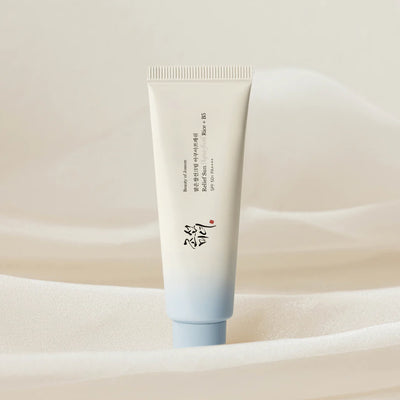
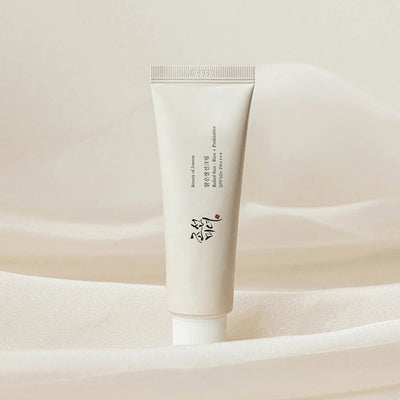
If you prefer a formulated alternative, Khayest carries the Beauty of Joseon Ground Rice and Honey Glow Face Mask. It uses ground rice and honey in a ready-to-use wash-off formula, so you do not need to prepare the mask yourself.
If you prefer ready-made treatments for your beauty routine, browse Khayest's beauty masks in Pakistan to compare skincare masks and other available mask products.
How to Make a Rice Mask for Dry Skin
Dry skin needs a gentle approach. A mask that leaves the face feeling tight or stripped is unlikely to be comfortable.
For dry-looking skin, blend cooked rice with a small amount of honey. You can also add a little aloe vera gel if you already know your skin tolerates it.
Apply a thin layer and leave it on for around 10–15 minutes. Rinse without rubbing and apply moisturizer afterwards.
Why Moisturizer Matters
A face mask should not replace your everyday moisturizer. After washing off your rice mask for face, apply a moisturizing product that suits your skin.
If your skin often feels tight, flaky or uncomfortable, focus on hydration rather than using masks more frequently.
How to Make a Rice Mask for Oily Skin
Oily skin still needs hydration. The goal is not to strip away every trace of oil.
For a simple version, blend cooked rice with a little clean water and a small amount of lightweight aloe vera gel.
Apply a thin layer and rinse after 10–15 minutes.
Avoid adding harsh ingredients such as lemon juice or baking soda. These are common DIY suggestions, but they can be irritating to facial skin.
Rice Mask for Combination Skin
Combination skin can have oily areas around the forehead and nose while the cheeks feel normal or dry.
You do not necessarily need to apply the same amount of mask everywhere. Use a thin layer and pay attention to how different areas of your skin respond.
If your cheeks feel dry, avoid leaving the mask on until it becomes tight. If your T-zone is oily, keep the recipe lightweight.
Can Rice Mask Help Acne-Prone Skin?
A homemade rice face mask should not be treated as an acne treatment.
Acne can have many causes, and a kitchen-based mask cannot replace products or treatments designed specifically for acne.
If you have acne-prone skin, keep your recipe simple. Avoid coarse rice particles and do not scrub active spots.
If a DIY mask causes burning, itching, redness or new irritation, wash it off and stop using it.
Can Rice Mask Brighten the Skin?
Rice is widely used in skincare products and traditional beauty routines aimed at achieving a brighter, fresher appearance.
However, a DIY rice mask should not be presented as a permanent skin-lightening treatment.
If your face looks dull, consistent skincare, moisturizing and daily sun protection are more important than relying on a homemade mask.
For those interested in rice-based skincare beyond DIY recipes, Khayest also stocks I'M FROM Rice Face Toner, a ready-made rice-based toner designed for daily use and suitable for several skin types.
How to Make a Rice Flour Face Mask
Rice flour is another popular option if you do not have cooked rice available.
Mix one tablespoon of finely milled rice flour with enough clean water to form a smooth paste. You can add a small amount of honey if your skin tolerates it.
Apply the mixture gently to your face. Leave it for around 10 minutes, then rinse with lukewarm water.
Do not use the mixture as a scrub. Rubbing rice flour aggressively against your skin can cause irritation.
Why You Should Avoid Rough Rice Scrubbing
Facial skin does not need aggressive physical exfoliation to be clean.
If your rice mixture feels rough, add more liquid or choose a smoother recipe. Your aim is to make a comfortable mask, not create friction.
Can You Use Rice Water as a Face Mask?
Yes, rice water can be used as a simple DIY skincare step. You can apply fresh rice water with clean hands or a clean cotton pad.
However, homemade rice water is not the same as a professionally formulated toner or essence. It does not have the same controlled ingredients, preservation or stability.
If you want a convenient rice-based product for everyday skincare, Khayest's I'M FROM Rice skincare collection includes rice toner, rice cream and rice serum options.
How to Make Rice Water for Face
A simple method is to rinse a small amount of rice and place it in clean water. Let it soak briefly, then strain the water into a clean container.
Use the fresh liquid rather than storing a large batch.
If you notice a strange smell, change in colour or other signs of spoilage, discard it.
What About Fermented Rice Water?
Fermented rice water is another popular DIY skincare trend. However, fermentation at home is difficult to control.
Because the mixture is not professionally preserved or produced under controlled conditions, unwanted microorganisms can grow.
For this reason, you do not need fermented rice water to enjoy rice-inspired skincare. A fresh, simple preparation is a safer and easier option for a DIY routine.
Can You Add Honey to a Rice Face Mask?
Honey can make a homemade mask feel more moisturizing, which is why it is commonly paired with rice.
For a simple recipe, add one teaspoon of honey to two tablespoons of smooth cooked rice.
Mix thoroughly and apply a thin layer.
Even though honey is a familiar ingredient, it can still irritate some people's skin. Patch testing is a good idea before applying the mixture to your entire face.
Can You Add Yoghurt to a Rice Mask?
Plain yoghurt is another ingredient often used in homemade face masks.
You can mix a small amount with blended cooked rice to create a creamy mask.
However, prepare only enough for one application. A homemade mixture containing food ingredients should not be stored and reused later.
If your skin is sensitive, patch test the mixture first.
Can You Add Aloe Vera to a Rice Mask?
Aloe vera can give a rice mask a lighter, soothing feel.
Mix two tablespoons of blended cooked rice with about one teaspoon of aloe vera gel. Add a few drops of clean water if the mixture is too thick.
Apply it for around 10–15 minutes and rinse gently.
If you are using packaged aloe vera gel, check the ingredient list and choose one that your skin already tolerates.
Ingredients to Avoid in a DIY Rice Mask
You do not need to add lots of ingredients to make a rice mask effective.
Avoid common DIY additions that can be harsh on facial skin, such as lemon juice, baking soda, undiluted essential oils and coarse salt.
Lemon juice can be particularly irritating, while baking soda can disrupt the skin's normal balance.
A simple recipe is usually the better choice.
How to Apply a Rice Face Mask

Once your mask is ready, application is easy.
First, cleanse your face and gently pat it dry. Apply a thin layer of the rice mixture using clean fingers. Avoid the eyes and lips.
Leave the mask on for around 10–15 minutes. You do not need to wait until it becomes completely dry.
Rinse gently with lukewarm water and pat your face dry. Then apply moisturizer.
If you are using the mask during the day, finish your routine with sunscreen.
How Often Should You Use a Rice Face Mask?
You do not need to use a rice mask for face every day.
Once a week is a reasonable starting point for a DIY mask. If your skin remains comfortable, you can decide whether you actually need it more often.
Using a mask too frequently can cause irritation, particularly if the recipe contains ingredients that have exfoliating or drying effects.
Your everyday routine should remain focused on gentle cleansing, moisturizing and sun protection.
How Long Should You Leave a Rice Mask On?
For most simple homemade recipes, around 10–15 minutes is enough.
There is no benefit to leaving a food-based mask on overnight.
If your skin starts burning, itching or feeling very uncomfortable, rinse it off immediately rather than waiting for the recommended time.
How to Store a Homemade Rice Mask
The best approach is to make only enough for one use.
Cooked rice, yoghurt, honey and other food ingredients can spoil. Homemade skincare does not have the controlled preservation system found in commercial cosmetics.
Do not keep a leftover rice mask in the refrigerator for several days and assume it is safe to use.
Use clean utensils, clean hands and fresh ingredients every time.
DIY Rice Mask vs Ready-Made Rice Mask
A homemade rice mask is affordable and simple, but it also comes with limitations. You control the ingredients, yet you cannot control preservation, stability or exact concentrations in the same way as a cosmetic manufacturer.
A ready-made product can be more convenient and consistent.
For example, the Beauty of Joseon Ground Rice and Honey Glow Face Mask available through Khayest is a formulated wash-off product containing ground rice and honey. The product page states that it is suitable for all skin types and gives specific directions for application.
This makes it an option for people who like the idea of rice skincare but do not want to prepare a fresh DIY mixture.
Common Rice Mask Mistakes
One common mistake is making the mask too complicated. Adding many ingredients increases the chance that something will irritate your skin.
Another mistake is scrubbing the face with rice particles. A face mask should feel comfortable, not scratchy.
Leaving the mask on for too long is also unnecessary. Ten to fifteen minutes is enough for a basic recipe.
Finally, do not assume that because a recipe is natural, it will automatically suit your skin. Always pay attention to how your skin reacts.
How to Patch Test a Homemade Rice Mask
Before applying a new DIY mixture to your entire face, test a small amount on a discreet area of skin.
Give your skin time to react before using the mixture more widely.
If you notice significant redness, itching, swelling or burning, rinse the area and do not continue using the recipe.
This is especially important if you have sensitive or reactive skin.
Frequently Asked Questions
Can I use cooked rice to make a face mask?
Yes. Cooked rice can be blended with a little clean water to make a smooth mask. You can add honey or aloe vera if your skin tolerates those ingredients.
Is rice water better than rice flour for the face?
They are different preparations. Rice water is liquid, while rice flour creates a thicker paste. Neither should be considered a guaranteed treatment for pigmentation, acne or other skin conditions.
How often should I use a rice face mask?
Start with once a week. If your skin remains comfortable, you can decide whether you need it more often.
Can I use a rice mask if I have acne-prone skin?
You can try a simple mask if your skin tolerates it, but it should not replace acne treatment. Avoid rough particles and never scrub active breakouts.
Can I leave a rice mask on overnight?
No. A homemade rice mask is best used as a short wash-off treatment. Leave it on for around 10–15 minutes, then rinse and moisturize.
Conclusion
Learning how to make rice mask for face is simple when you keep the recipe gentle. Cooked rice, rice flour and rice water can all be used, but you do not need a complicated combination of ingredients.
For beginners, a smooth cooked-rice mask with a little water and honey is an easy place to start. Apply it for 10–15 minutes, rinse gently and follow with moisturizer.
Most importantly, do not rely on DIY rice masks to treat acne, pigmentation or other persistent skin concerns. A simple skincare routine and properly formulated products are more reliable for long-term skin care.
If you love rice-based skincare but prefer ready-made products, explore Khayest's rice skincare range for formulated options that can fit more easily into your routine.