
What Is Triple Sunscreen?
If you're wondering what is triple sunscreen, you're not alone. Many people assume it offers stronger sun protection than regular sunscreen, but that's not always true. Triple sunscreen, often called triple care sunscreen, usually combines broad-spectrum sun protection with additional skincare benefits such as hydration, brightening, or anti-ageing support.
Why Is Triple Sunscreen Becoming So Popular?
 The demand for multifunctional skincare products has grown rapidly over the past few years. Instead of using several products every morning, many people prefer products that provide multiple benefits in a single step.
This is where triple sunscreen comes in.
Rather than focusing only on protecting your skin from harmful sunlight, many triple care sunscreens are formulated to hydrate the skin, improve its appearance, or support a healthier skin barrier while still delivering effective sun protection.
However, it's important to understand that the term "triple sunscreen" is not a standard skincare category. Different brands may use the term to describe different combinations of benefits, so reading the product description is always essential.
What Is Triple Sunscreen?
The simplest answer is that triple sunscreen is a sunscreen designed to provide three key skincare benefits in one product.
Although the exact combination varies between brands, the three benefits often include:
- Reliable broad-spectrum sun protection
- Hydration or moisturising support
- Brightening or anti-ageing skincare benefits
Some products may instead focus on soothing the skin, strengthening the skin barrier, or improving skin texture. Because there is no universal definition, always check the product label to understand what benefits a specific sunscreen offers.
The most important thing to remember is that the word "triple" does not mean three times the sun protection or three layers of SPF.
What Does Triple Care Sunscreen Mean?
Many skincare brands use the term triple care sunscreen instead of simply triple sunscreen.
This usually means the sunscreen has been developed to perform several skincare functions at the same time.
For example, one product may offer:
- Protection against UVA and UVB rays
- Hydration for healthier-looking skin
- Ingredients that help improve skin tone or reduce the appearance of fine lines
Another product may replace brightening ingredients with soothing or antioxidant ingredients.
Because every manufacturer develops its own formula, two triple care sunscreens can be very different even though they use similar marketing terms.
How Does Triple Sunscreen Work?
Like all sunscreens, the primary purpose of triple sunscreen is to shield your skin from harmful ultraviolet radiation.
The sunscreen filters protect your skin from UVA and UVB rays, while additional skincare ingredients provide extra benefits that support the skin throughout the day.
This combination allows many people to simplify their morning skincare routine without sacrificing daily sun protection.
Broad-Spectrum Sun Protection
The most important feature of any sunscreen is broad-spectrum protection.
This means the sunscreen helps protect against both major types of ultraviolet radiation.
UVA rays penetrate deep into the skin and contribute to premature ageing, wrinkles, and uneven skin tone.
UVB rays mainly affect the surface of the skin and are responsible for sunburn and tanning.
Regardless of whether a sunscreen is labelled as triple care or regular sunscreen, broad-spectrum protection should always be your first priority.
Additional Skincare Benefits
The "triple" part usually refers to added skincare benefits beyond sun protection.
Depending on the formulation, these may include:
- Long-lasting hydration
- Support for the skin barrier
- Brightening ingredients
- Antioxidant protection
- Anti-ageing support
- A smoother makeup base
These added benefits can make daily skincare more convenient, especially for people with busy routines.
Is Triple Sunscreen Better Than Regular Sunscreen?
One of the biggest misconceptions is that triple sunscreen automatically provides better protection than regular sunscreen.
This isn't necessarily true.
The level of sun protection depends on factors such as:
- Whether the sunscreen offers broad-spectrum protection
- Its SPF rating
- How much sunscreen you apply
- Whether you reapply it as recommended
A regular sunscreen with SPF 50 that is applied correctly may protect your skin just as effectively as a triple sunscreen with the same SPF.
The main advantage of triple sunscreen is convenience. Instead of using separate products for hydration or other skincare concerns, you may receive several benefits from one product.
Why Choosing the Right Formula Matters
Rather than looking only for the words "triple sunscreen", consider how the product matches your individual skincare needs.
Your skin type, daily activities, climate, and personal preferences all influence which sunscreen will work best for you.
For example, someone with oily skin may prefer a lightweight formula with a natural finish, while a person with dry skin may benefit from a more hydrating sunscreen that helps reduce moisture loss throughout the day.
Choosing the right formula encourages consistent daily use, which is far more important than choosing a product based only on its marketing name.
Triple Sunscreen vs Regular Sunscreen
 Many people wonder whether they should choose triple sunscreen or stick with a regular sunscreen. The truth is that both can protect your skin effectively if they offer broad-spectrum protection and an appropriate SPF.
The main difference lies in the additional skincare benefits. A regular sunscreen focuses primarily on shielding your skin from UVA and UVB rays, while a triple sunscreen often includes ingredients that hydrate the skin, support the skin barrier, or provide brightening and anti-ageing benefits.
This does not mean one is always better than the other. The best choice depends on your skin type, lifestyle, and skincare goals. If you prefer a simplified morning routine, a triple sunscreen may be a convenient option. If you already use separate serums and moisturisers, a regular sunscreen may fit just as well into your routine.
Who Should Use Triple Sunscreen?
One of the advantages of triple sunscreen is that it is available in formulations designed for different skin types. Choosing the right product depends more on its ingredients than on the words "triple care."
Oily Skin
People with oily skin often prefer lightweight sunscreens that absorb quickly without leaving a greasy finish.
Look for a formula labelled as lightweight or non-comedogenic. Many modern triple sunscreens are designed to control shine while still providing hydration and reliable sun protection.
Dry Skin
Dry skin benefits from sunscreens that contain moisturising ingredients such as glycerin, hyaluronic acid, or ceramides.
Although a triple sunscreen can help reduce moisture loss, very dry skin may still need a separate moisturiser underneath. Applying moisturiser first can improve comfort and help keep the skin soft throughout the day.
Combination Skin
Combination skin requires balance. A lightweight triple sunscreen that hydrates dry areas without making the oily areas feel heavier is usually a good choice.
Many gel or lotion-based formulas work well for this skin type because they provide comfortable hydration without feeling thick.
Sensitive Skin
Sensitive skin requires extra care when choosing any skincare product.
Select a sunscreen that is free from unnecessary irritants and always patch test before full application. If your skin reacts easily, look for products specifically developed for sensitive skin and avoid switching products too frequently.
Can Triple Sunscreen Replace Moisturiser?
This is one of the most common questions people ask.
The answer depends on your skin type and the product you are using.
Some triple sunscreens contain hydrating ingredients that leave normal or slightly oily skin feeling comfortable on their own. For these skin types, an additional moisturiser may not always be necessary during the daytime.
However, people with dry or dehydrated skin often benefit from applying a moisturiser before sunscreen. This helps maintain hydration while allowing the sunscreen to perform its primary role of protecting against sun damage.
Remember that sunscreen and moisturiser have different purposes. Even if one product offers some hydration, its main job is still sun protection.
Can You Wear Triple Sunscreen Under Makeup?
Yes. Many triple sunscreens are formulated to work well beneath makeup.
A lightweight sunscreen creates a smooth base that helps foundation and concealer apply more evenly. To achieve the best results, apply your sunscreen as the final step in your morning skincare routine and allow it to absorb for a few minutes before applying makeup.
Avoid rubbing or mixing sunscreen with foundation, as this can reduce even coverage. Instead, let each product settle before moving on to the next step.
Does Triple Sunscreen Leave a White Cast?
Whether a sunscreen leaves a white cast depends on its ingredients rather than the term triple sunscreen.
Some mineral sunscreens may leave a slight white residue on certain skin tones, while many modern chemical or hybrid formulas are designed to blend in more easily.
Choosing a formula that matches your skin type and applying it evenly can help achieve a more natural-looking finish.
If you are concerned about a white cast, look for lightweight formulas that are specifically designed to absorb quickly and leave little or no visible residue.
How to Apply Triple Sunscreen Correctly
 Even the best sunscreen cannot provide its full level of protection if it is applied incorrectly.
Begin with clean skin. If your skin feels dry, apply moisturiser first and allow it to absorb completely. Then apply triple sunscreen evenly over your face, neck, ears, and any other exposed areas.
Do not forget places such as the hairline, jawline, and around the ears, as these areas are often exposed to sunlight.
If you spend extended periods outdoors, reapply your sunscreen every two hours or according to the product instructions. Reapplication is especially important after sweating heavily, swimming, or drying your face with a towel.
Common Mistakes to Avoid
Many people unknowingly reduce the effectiveness of their sunscreen through simple mistakes.
Using too little product is one of the most common problems. A thin layer may not provide the SPF level stated on the packaging.
Another mistake is applying sunscreen only on sunny days. Harmful UVA rays are present throughout the year and can penetrate clouds, making daily sunscreen use an important habit regardless of the weather.
Skipping reapplication is another issue. Even high-quality sunscreen gradually loses effectiveness due to sweat, natural skin oils, and daily activities.
Finally, some people choose sunscreen based only on marketing claims instead of considering their skin type. A product that works well for one person may not be the best choice for someone else.
Finding the Right Triple Sunscreen at Khayest
Choosing a sunscreen should never be based on the product name alone. Instead, focus on its SPF, broad-spectrum protection, texture, ingredients, and whether it suits your skin type.
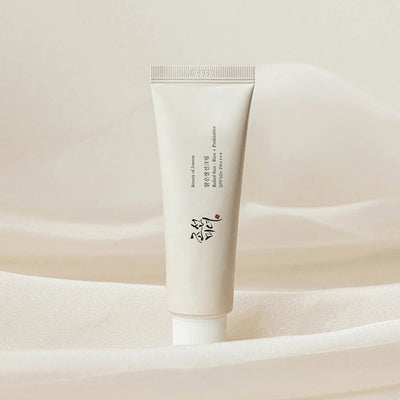
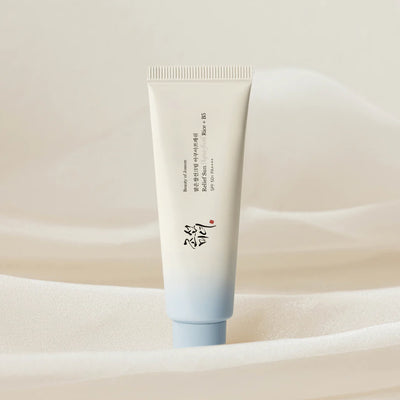
At Khayest, you can explore a carefully selected range of authentic sunscreens designed for oily, dry, combination, sensitive, and acne-prone skin. Whether you prefer a lightweight daily sunscreen or a triple sunscreen with added skincare benefits, selecting the right product helps you protect your skin while supporting a healthy skincare routine.