
Does Applying Sunscreen Remove Tan?
If you're wondering does applying sunscreen remove tan, the short answer is no. Sunscreen does not remove an existing tan, but it helps prevent further tanning by protecting your skin from harmful UV rays. Combined with a good skincare routine, sunscreen allows your skin to renew naturally and gradually regain a more even-looking complexion.
Why Do People Think Sunscreen Removes Tan?
Many people start using sunscreen after noticing that their skin has become darker from spending time in the sun. Naturally, they expect sunscreen to reverse the tanning and restore their original skin tone within a few days.
However, this is not how sunscreen works.
Sunscreen is designed to protect your skin from UVA and UVB rays, reducing the amount of ultraviolet radiation that reaches your skin. While this protection helps prevent new tanning, it does not erase the tan that has already developed.
Your skin removes a tan through its natural renewal process. As old skin cells are replaced with new ones, the appearance of tanning gradually fades. This process takes time and depends on factors such as your skin type, daily sun exposure, and skincare routine.
Understanding the role of sunscreen helps you set realistic expectations and choose products that support healthy skin rather than expecting instant results.
Quick Reference Table
| Task | Timing | Method | Difficulty |
|---|---|---|---|
| Apply Sunscreen | Every morning | Broad-spectrum SPF 30+ | Easy |
| Reapply Sunscreen | Every 2 hours outdoors | Even layer | Easy |
| Moisturize Skin | Morning & Night | Barrier-supporting moisturizer | Easy |
| Apply Brightening Serum | Evening | Vitamin C or Niacinamide | Medium |
| Reduce Sun Exposure | Peak daylight hours | Wear protective clothing | Easy |
Does Applying Sunscreen Remove Tan?
 The simple answer is no.
Sunscreen cannot remove a tan that has already formed because it does not change the amount of melanin already present in your skin.
A tan develops when your skin produces extra melanin in response to ultraviolet radiation. This is your body's natural way of protecting itself from sun damage.
Once the tan appears, sunscreen cannot reverse it.
Instead, sunscreen works by reducing additional UV exposure. This helps prevent your skin from becoming darker and allows your natural skin renewal process to gradually reduce the appearance of the tan over time.
Think of sunscreen as a shield rather than a treatment. It protects your skin from further damage but does not act as a skin-lightening product.
What Causes Skin Tanning?
To understand why sunscreen cannot remove tanning, it's important to know how tanning happens.
When your skin is exposed to sunlight, it reacts by producing more melanin.
Melanin is the natural pigment that gives your skin, hair, and eyes their colour. When UV rays reach the skin, melanin production increases to help protect deeper skin layers from damage.
As melanin builds up, your skin appears darker, creating what we commonly call a tan.
This process is completely natural and can happen after spending time:
- Outdoors during the day.
- At the beach or pool.
- Driving for long periods.
- Walking in direct sunlight.
- Playing outdoor sports.
The amount of tanning varies from person to person because everyone's skin responds differently to sunlight.
How Does Sunscreen Work?
Many people assume sunscreen blocks every UV ray.
In reality, no sunscreen can provide complete protection.
A broad-spectrum sunscreen helps protect against both UVA and UVB rays.
UVA Rays
UVA rays penetrate deeper into the skin.
They are mainly associated with:
- Premature ageing
- Fine lines
- Wrinkles
- Uneven skin tone
- Long-term sun damage
These rays are present throughout the year and can pass through ordinary window glass.
UVB Rays
UVB rays mainly affect the skin's outer layers.
They are the primary cause of sunburn and also play a major role in triggering melanin production, which leads to tanning.
Good sunscreen helps reduce exposure to both types of UV rays, lowering the risk of sun damage while reducing the chances of developing additional tanning.
Can Sunscreen Prevent Tanning?
This is another question people frequently ask.
The answer is not completely.
Even high-quality sunscreen cannot block 100% of ultraviolet radiation.
Most broad-spectrum sunscreens significantly reduce UV exposure, but small amounts of UV rays can still reach the skin.
As a result, mild tanning may still occur, especially if you:
- Spend many hours outdoors.
- Forget to reapply sunscreen.
- Sweat heavily.
- Swim frequently.
- Apply too little sunscreen.
Instead of expecting sunscreen to eliminate tanning completely, think of it as reducing your overall UV exposure.
When used correctly, sunscreen greatly lowers your risk of sun damage and helps minimise additional tanning.
Why Am I Still Getting Tanned While Wearing Sunscreen?
One of the biggest frustrations people have is noticing a tan even after applying sunscreen.
In most cases, this happens because sunscreen is not being used correctly rather than because the product doesn't work.
Common reasons include applying only a small amount, forgetting to reapply after several hours outdoors, missing areas like the ears and neck, or relying on sunscreen alone during intense midday sun.
Long periods of direct sun exposure can still stimulate melanin production, even when sunscreen is used.
For the best protection, sunscreen should be combined with other sun-safe habits, such as wearing sunglasses, seeking shade during peak daylight hours, and using protective clothing whenever possible.
How Long Does It Take for a Tan to Fade?
There is no exact timeline because everyone's skin renews itself at a different rate.
For many people, mild tanning begins to fade gradually over several weeks as old skin cells are naturally replaced.
However, the process may take longer if you continue spending time in the sun without proper protection.
Consistently using sunscreen each day helps prevent new tanning while giving your skin the opportunity to return to its natural tone over time.
Patience and consistency usually produce better results than trying quick solutions that may irritate the skin.
How to Fade an Existing Tan Safely
If you're searching does applying sunscreen remove tan, you're probably looking for ways to restore your natural skin tone. While sunscreen alone cannot fade an existing tan, it plays an important supporting role by preventing further UV damage.
The skin naturally sheds old cells and replaces them with new ones. As this process continues, tanning gradually becomes less noticeable. Supporting this natural renewal with the right skincare routine often delivers better results than trying harsh DIY remedies or aggressive treatments.
Keeping your skin healthy, hydrated, and protected allows it to recover more effectively while reducing the chances of uneven skin tone.
Ingredients That Can Help Improve the Appearance of a Tan

Although no skincare products can erase a tan overnight, certain ingredients can help improve overall skin tone and encourage a brighter complexion over time.
Vitamin C is one of the most popular ingredients because it helps brighten dull-looking skin while protecting against environmental damage. It is commonly used to improve the appearance of uneven skin tone caused by sun exposure.
Niacinamide is another excellent option. It supports the skin barrier, helps improve texture, and can reduce the appearance of pigmentation with regular use.
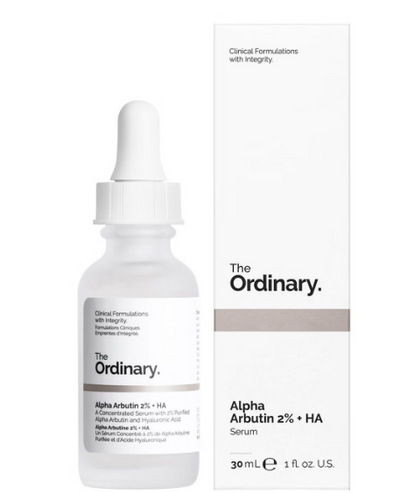
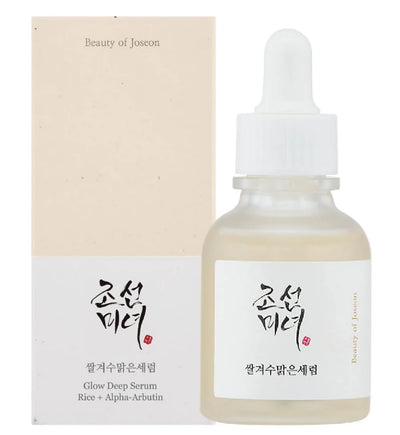
Alpha Arbutin is often included in skincare routines for people looking to achieve a more even complexion. It works gradually and is suitable for many skin types when used consistently.
Other ingredients such as Azelaic Acid, gentle exfoliating acids, and Retinoids may also support skin renewal. However, because some active ingredients increase sun sensitivity, daily sunscreen becomes even more important when using them.
Can Moisturizer Remove a Tan?
This is another common question.
The answer is no.
A moisturizer cannot remove tanning because it does not affect the melanin responsible for your skin colour. However, moisturized skin usually looks smoother, healthier, and more radiant.
Hydrated skin also maintains a stronger skin barrier, which supports the skin's natural repair process. This is why many skincare routines include both a moisturizer and sunscreen. Together, they protect the skin while helping maintain a healthy appearance.
If your skin feels dry after sun exposure, applying a moisturizer morning and evening can improve comfort while supporting overall skin health.
Common Sunscreen Mistakes That Can Lead to More Tanning
Many people believe sunscreen has failed when they notice a tan, but the real problem is often incorrect application.
One of the most common mistakes is applying sunscreen only once in the morning and expecting it to last all day. Sunscreen gradually becomes less effective, especially if you sweat, wash your face, or spend extended periods outdoors.
Another mistake is applying too little product. A thin layer may not provide the level of protection stated on the packaging.
Some people also forget commonly exposed areas such as the ears, neck, hairline, or the back of the hands. These areas receive sunlight just like the face and can easily become tanned.
Finally, relying only on sunscreen without limiting excessive sun exposure can still result in tanning. Wearing sunglasses, seeking shade, and using protective clothing all contribute to better sun protection.
How to Prevent Future Tanning
If your goal is to maintain an even complexion, preventing new tanning is just as important as caring for existing pigmentation.
Start each morning with a broad-spectrum sunscreen of at least SPF 30. Apply it evenly across all exposed skin before leaving the house. If you remain outdoors for long periods, remember to reapply according to the product instructions.
A simple skincare routine that includes cleansing, moisturizing, and daily sunscreen is usually enough for most people. Adding antioxidant-rich products, such as a Vitamin C serum, may provide extra support against environmental stress while helping the skin appear brighter over time.
Small daily habits often have the biggest impact. Protecting your skin consistently is far more effective than trying to correct sun damage after it has already occurred.
Choosing the Right Sunscreen for Your Skin Type
Selecting the right sunscreen encourages regular use because it feels comfortable on your skin.
If you have oily skin, lightweight, non-comedogenic formulas are generally the best choice. They absorb quickly without leaving a greasy finish and are less likely to clog pores.
People with dry skin often benefit from moisturizing sunscreens that contain ingredients like Hyaluronic Acid, Glycerin, or Ceramides. These help keep the skin hydrated while providing daily UV protection.
Combination skin usually responds well to lightweight lotion or gel-cream formulas that balance hydration without feeling heavy.
For sensitive skin, fragrance-free sunscreens with gentle formulations are often the safest option. Choosing products designed for sensitive skin can help reduce the risk of irritation while maintaining effective sun protection.
The best sunscreen is one that suits your skin type and that you are happy to wear every single day.
Build a Complete Sun Protection Routine with Khayest
Protecting your skin from tanning is about more than applying sunscreen occasionally. A complete skincare routine helps keep your skin healthy, comfortable, and protected throughout the year.
At Khayest, you can find authentic broad-spectrum sunscreens, hydrating moisturizers, brightening serums, gentle cleansers, and other skincare essentials suitable for different skin types. Whether your goal is preventing further tanning, maintaining an even complexion, or supporting your skin barrier, choosing products tailored to your skin makes daily skincare easier and more effective.
By combining quality skincare with consistent sun protection, you give your skin the best chance to stay healthy, radiant, and naturally balanced.
FAQs
Does applying sunscreen remove tan completely?
No. Applying sunscreen does not remove an existing tan. Its main purpose is to protect your skin from UVA and UVB rays, preventing further tanning and sun damage. As your skin naturally renews itself, your tan may gradually fade over time, especially when you continue using sunscreen consistently.
Why am I still getting tanned even after applying sunscreen?
There are several reasons this can happen. You may not be applying enough sunscreen, forgetting to reapply it after two hours outdoors, using a low SPF, or spending long periods in direct sunlight. No sunscreen blocks 100% of UV rays, so mild tanning can still occur during extended sun exposure.
Can sunscreen prevent tanning completely?
No sunscreen can completely stop tanning. A broad-spectrum sunscreen with SPF 30 or SPF 50 significantly reduces UV exposure, but some ultraviolet rays can still reach your skin. For the best protection, combine sunscreen with protective clothing, sunglasses, and staying in the shade during peak sunlight hours.
How long does it take for a tan to fade?
The time varies from person to person. Mild tanning may begin to fade within a few weeks as the skin naturally sheds old cells and produces new ones. Regular sunscreen use, proper hydration, and a consistent skincare routine can help maintain an even-looking complexion while preventing additional tanning.
Which skincare ingredients help reduce the appearance of tanning?
Ingredients such as Vitamin C, Niacinamide, Alpha Arbutin, and Azelaic Acid are commonly used to improve the appearance of uneven skin tone. These ingredients support a brighter complexion over time, but they work best when combined with daily sunscreen to prevent further UV damage.
Conclusion
If you've been asking does applying sunscreen remove tan, the answer is simple: no, sunscreen does not remove an existing tan, but it is one of the most important products for preventing additional tanning and protecting your skin from harmful UV rays. By reducing further sun exposure, sunscreen allows your skin's natural renewal process to gradually restore a more even-looking complexion.
If your goal is to reduce the appearance of tanning, combine daily broad-spectrum sunscreen with a consistent skincare routine that includes hydrating moisturizers and brightening ingredients like Vitamin C, Niacinamide, or Alpha Arbutin. Protecting your skin every day is far more effective than trying to reverse sun damage after it occurs.
At Khayest, you'll find authentic sunscreens, moisturizers, cleansers, serums, and other skincare essentials designed for oily, dry, combination, and sensitive skin. Explore the Khayest collection today and build a skincare routine that helps protect your skin, maintain an even complexion, and keep it healthy throughout the year.