
How to Apply Foundation
Applying foundation can seem simple, but the wrong shade, too much product or poor blending can quickly make your makeup look cakey or patchy. In this guide, you will learn how to apply foundation step by step, including how to prep your skin, choose the right tool, blend around difficult areas and create a natural, long-lasting base.
How to Apply Foundation Correctly
The secret to good foundation is not using a lot of product. Instead, it is about preparing your skin, choosing a suitable formula and applying thin, even layers. Whether you are getting ready for everyday makeup or a special event, the same basic method works.
Before applying anything, make sure your face is clean and your skincare has had a little time to settle. Then choose a foundation that matches both your skin tone and skin type.
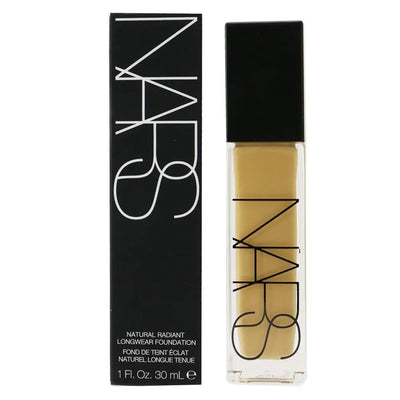
If you are still looking for a suitable formula, you can explore the Khayest Foundation Collection, which includes different foundation types, finishes and coverage levels.
Step 1: Cleanse Your Face
Start with clean skin. Use a gentle cleanser to remove excess oil, dirt and leftover skincare.
Clean skin gives foundation a smoother surface and helps reduce the chance of makeup sitting unevenly.
However, avoid washing your face with very hot water or using a harsh cleanser just before makeup. This can leave the skin feeling dry or tight.
Step 2: Moisturize Your Skin
Moisturizer is an important part of learning how to apply foundation because hydrated skin gives makeup a better surface to sit on.
Apply a suitable moisturizer and allow it to absorb before moving on to makeup.
If your skin is dry, pay extra attention to areas around the nose, mouth and cheeks. These areas can become flaky, which may make foundation look patchy.
If your skin is oily, you still need moisturizer. Instead of skipping it, choose a lightweight formula that feels comfortable on your skin.
Step 3: Apply Primer If Needed

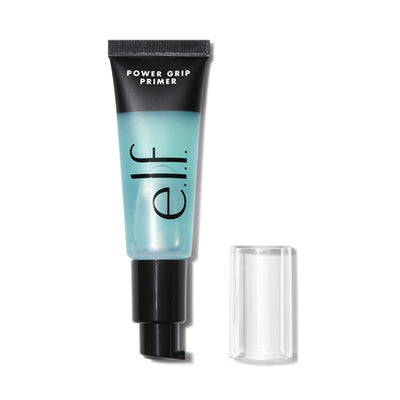
Primer is optional, but it can be useful depending on your skin and the finish you want.
A smoothing primer can help create a more even surface, while a hydrating primer can be useful when your skin feels dry.
For oily skin, a suitable primer may help reduce excess shine.
You do not need to cover your entire face with a thick layer. A small amount is usually enough.
Choose the Right Foundation Before Applying
Knowing how to apply foundation is only part of getting a good result. The foundation itself matters just as much.
A formula that does not suit your skin may separate, cling to dry patches or become too shiny, even if you blend it perfectly.
Choose Foundation Based on Your Skin Type
Your skin type can help guide your choice.
Dry skin: Look for hydrating, natural or luminous formulas that do not emphasise dry patches.
Oily skin: A lightweight or long-wearing formula with a natural or matte finish may work better.
Combination skin: You may need a balanced formula that works across both oily and dry areas.
Normal skin: Most foundation finishes can work, so your main focus can be coverage and finish.
Choose the Right Coverage
Foundation comes in different coverage levels.
Sheer foundation gives a light, natural effect. Medium coverage helps even out the complexion while still allowing some natural skin to show. Full coverage provides more pigment and is useful when you want to cover noticeable discolouration or create a more polished event look.
For everyday makeup, you do not always need full coverage. Starting with a small amount and building coverage only where needed often gives a more natural result.
Find Your Correct Shade and Undertone
A foundation can have the right depth but still look wrong if the undertone does not match your skin.
Common undertones include warm, cool and neutral. Some people also have olive undertones.
When testing a shade, compare it against an area that gives you a better idea of how it will look across your face and neck. Natural lighting is useful because indoor lighting can change how colours appear.
How to Apply Liquid Foundation
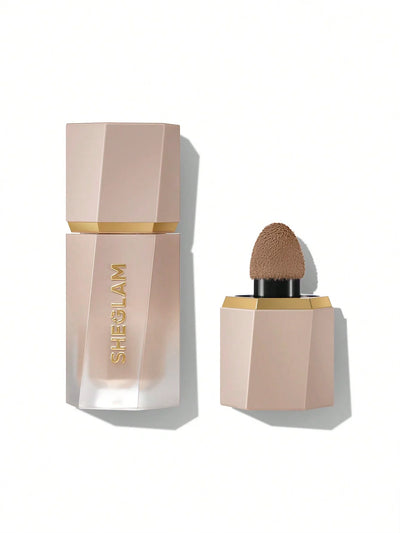
If you are learning how to apply liquid foundation, start with less product than you think you need.
Place a small amount on the back of your clean hand or another suitable surface. Then apply small dots to the centre of your face, such as the cheeks, forehead, nose and chin.
Blend the product outward rather than starting with a thick layer across the entire face.
This gives you more control over coverage and helps prevent a heavy finish.
Use Small Amounts First
One of the most common foundation mistakes is applying too much at once.
Instead, begin with a thin layer. Look at your skin after blending, then add more only where you need extra coverage.
This technique can help your makeup look more like skin rather than a layer sitting on top of it.
Blend Towards the Hairline and Jaw
Pay attention to the edges of your face.
Blend foundation carefully towards the hairline, jawline and ears. A visible line between foundation and bare skin can make your makeup look obvious.
You do not need to put a heavy amount of product around these areas. A small amount that is well blended is usually enough.
Foundation Brush vs Sponge vs Fingers
There is no single tool that everyone must use. Your choice depends on the finish you want and how comfortable you are using the tool.
How to Apply Foundation With a Brush
A foundation brush can give you good control and can build medium to full coverage.
Use gentle strokes or stippling motions rather than aggressively dragging the product across your skin.
A dense brush can provide more coverage, while a softer brush may give a lighter finish.
Remember to wash your brush regularly. A dirty makeup brush can collect old makeup, oil and bacteria.
How to Apply Foundation With a Sponge
A damp makeup sponge can give foundation a soft, blended finish.
First dampen the sponge and squeeze out excess water. It should feel damp rather than wet.
Apply foundation in small amounts, then gently bounce the sponge over the skin.
Avoid dragging the sponge across your face. Bouncing helps blend the product without moving it around too much.
Can You Apply Foundation With Your Fingers?

Yes. Clean fingers can work well, especially when you want a light and natural finish.
The warmth of your fingers can help spread liquid foundation smoothly. However, make sure your hands are clean before touching your face.
Using your fingers can also make it easier to control exactly where the product goes.
How to Apply Foundation Without Looking Cakey
If your foundation often looks thick or cakey, the problem may not be the foundation alone. Too much product, dry skin, heavy powder or poor blending can all contribute.
Start with well-prepped skin and use a thin layer of foundation.
Do not keep adding product to areas that already have enough coverage. Instead, build coverage only where necessary.
Avoid Applying Too Much Foundation
More foundation does not always mean better coverage.
If you need additional coverage, apply a small second layer rather than one thick layer.
This gives you more control and can help maintain a natural finish.
Do Not Over-Powder
Powder can help set makeup, but using too much may make your base look dry or heavy.
Apply powder mainly where you need it, especially if your skin becomes oily during the day.
Dry skin may need very little powder.
How to Apply Foundation for a Natural Finish
For a natural look, focus on evening out the complexion rather than completely covering every part of your face.
Apply the most product where you need coverage and use less towards the outer areas.
Allow some natural skin texture to remain visible. Real skin has pores and texture, and trying to completely erase them can make the makeup look heavier.
Use Thin Layers
Thin layers are one of the easiest ways to make foundation look natural.
Apply a little, blend it, check your coverage and then add more if needed.
This is especially useful when you want your foundation to look good in natural daylight.
Blend Around the Nose and Mouth
The sides of the nose and corners of the mouth can be tricky because they move throughout the day.
Use a small amount of product in these areas. Too much foundation can collect in the creases.
A sponge or small brush can help you reach these areas without adding unnecessary product.
How to Apply Foundation on Dry Skin
Dry skin needs extra attention before foundation.
Start with gentle cleansing and apply a moisturizer that works for your skin. Allow it to settle before applying makeup.
A hydrating or natural-finish foundation may help prevent the base from looking overly dry.
Avoid applying a thick layer over flaky areas. Instead, focus on skin preparation and use a lighter amount of foundation.
Why Foundation Looks Patchy on Dry Skin
Foundation can cling to dry flakes and make them more visible.
If this happens often, check your skincare routine before blaming the foundation. Your skin may need better hydration and gentler preparation.
Also avoid over-powdering dry areas.
How to Apply Foundation on Oily Skin
Oily skin can make foundation look shiny or cause it to move during the day.
Start with lightweight skincare and allow it to settle. A suitable primer can also help depending on your skin.
Choose a foundation finish that feels comfortable rather than automatically choosing the most matte option available.
Set Oily Areas Carefully
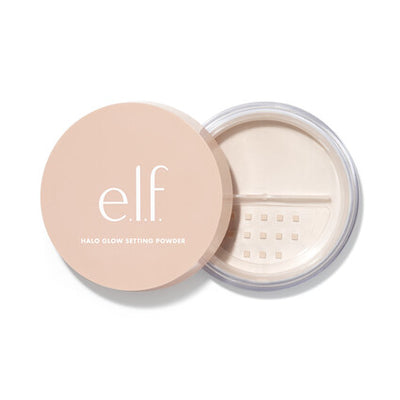
After foundation, apply a small amount of setting powder where you tend to become shiny.
Common areas include the forehead, nose and chin.
You do not need to cover your whole face with a thick layer of powder.
How to Apply Foundation on Combination Skin
Combination skin can be slightly more difficult because different areas may have different needs.
For example, your T-zone may become oily while your cheeks feel normal or dry.
Use skincare according to each area and avoid treating your entire face as if it has the same needs.
A balanced foundation with a natural finish can be a useful starting point.
How to Make Foundation Last Longer
Good application starts before the foundation reaches your face.
Clean skin, suitable moisturizer, the right foundation formula and controlled layering can all improve wear.
Once your foundation is applied, use setting powder only where needed and finish with setting spray if it suits your makeup routine.
Let Each Layer Set
Avoid immediately applying several heavy products on top of one another.
Give skincare and primer a moment to settle. After foundation, blend thoroughly before moving to concealer, powder or other complexion products.
Use Setting Products Carefully
Setting powder can help reduce movement, while setting spray can help bring the finished makeup together.
The amount you need depends on your skin type and the makeup look you want.
For a smoother base, Khayest also has a wider makeup base collection with foundation, primer, concealer, powders and other complexion products.
How to Apply Foundation Step by Step for Beginners
If you are completely new to makeup, keep your routine simple.
- Cleanse your face.
- Apply moisturizer.
- Use primer if needed.
- Choose the correct foundation shade.
- Apply a small amount to the centre of your face.
- Blend outward using clean fingers, a brush or a damp sponge.
- Add another thin layer only where more coverage is needed.
- Blend around your nose, jawline and hairline.
- Apply concealer if required.
- Set selected areas with powder or use setting spray.
The key is not to rush. Check your makeup in natural light when possible.
How to Apply Foundation Before Concealer
Foundation generally comes before concealer when you are creating a full complexion base.
This is because foundation may already cover some of the areas you planned to conceal.
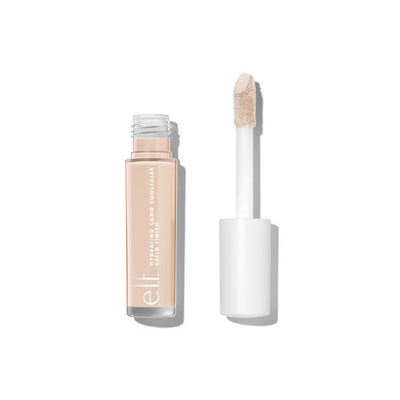
After foundation, apply concealer only where you still need extra coverage. This can prevent unnecessary layers of product.
How to Apply Foundation for Everyday Makeup
For everyday makeup, you may not need full coverage.
Use a small amount of lightweight foundation and focus on the centre of your face. Blend outward and leave areas with clear skin lighter.
This creates a softer look and also uses less product.
For those who prefer a complete base routine, you can explore the Khayest makeup collection for foundation, concealer and other complexion products.
FAQs
What is the best way to apply foundation?
The best method depends on the finish you want. A damp sponge gives a soft finish, a brush can provide more coverage and clean fingers can work well for a light, natural look.
Should foundation be applied with a brush or sponge?
Both work well. Use a brush when you want more control and coverage, or a damp sponge when you prefer a softer, blended finish.
How much foundation should I use?
Start with a small amount and build coverage gradually. Applying too much at once can make the makeup look heavy or cakey.
Why does my foundation look patchy?
Patchiness can come from dry skin, unsuitable skincare, too much product, poor blending or a foundation that does not suit your skin type.
Should I apply moisturizer before foundation?
Yes. Moisturizing before foundation can help create a smoother base. Choose a moisturizer suited to your skin type and allow it to settle before applying makeup.
Conclusion
Learning how to apply foundation is mainly about using the right amount, preparing your skin and blending with patience. Start with a clean, moisturized face, choose a foundation that suits your skin and apply thin layers rather than covering your face with too much product.
Whether you prefer a brush, sponge or your fingers, focus on creating an even finish without hiding all of your natural skin texture. With the right technique, foundation can look smooth, comfortable and natural throughout your day.
Ready to improve your makeup routine? Explore Khayest's foundation and makeup collections to find products that fit your preferred coverage, finish and everyday look.