
Do You Need Sunscreen Indoors?
If you're wondering do you need sunscreen indoors, the short answer is: it depends. Your need for sunscreen is based on how much natural sunlight reaches your skin during the day. If you spend time near windows, drive regularly, or receive strong daylight indoors, wearing sunscreen can still help protect your skin.
Why Do People Ask If They Need Sunscreen Indoors?
 Many people believe sunscreen is only necessary when spending time outdoors. Others hear that they should wear it every day, even inside their homes, which creates confusion.
The truth lies somewhere in the middle.
Whether you need sunscreen indoors depends on your daily routine, the amount of sunlight entering your home or workplace, and your skin concerns. Someone working beside a large window has different sun exposure than someone working in a room with little natural light.
This topic has become even more popular as more people work from home and spend long hours indoors. Many also wonder whether sunlight through windows or blue light from computer screens can affect their skin.
Instead of following skincare myths, it's better to understand how sunlight interacts with your skin so you can make the right decision for your daily routine.
Quick Reference Table
| Task | Timing | Method | Difficulty |
|---|---|---|---|
| Cleanse Face | Morning | Use a gentle cleanser | Easy |
| Apply Sunscreen | Every morning | Broad-spectrum SPF 30+ | Easy |
| Reapply Outdoors | Every 2 hours | Even layer | Easy |
| Sit Near Sunny Windows | Daily | Wear sunscreen | Easy |
| Work Away From Windows | Daily | Depends on sunlight exposure | Easy |
Do You Need Sunscreen Indoors?
The simple answer is sometimes.
If you spend your day in a room with very little natural sunlight and stay away from windows, wearing sunscreen indoors may not always be essential.
However, if sunlight regularly reaches your skin through windows or glass doors, daily sunscreen becomes much more important.
Sun exposure is not limited to outdoor activities. Daylight entering your home, office, or car can still expose your skin to certain ultraviolet rays.
This doesn't mean everyone should constantly reapply sunscreen while sitting indoors. Instead, your decision should depend on your environment and how much sunlight your skin actually receives.
A practical approach is to think about your routine.
For example:
- Do you sit beside a sunny window for several hours?
- Do you drive during the day?
- Does sunlight fall directly on your face while working?
- Are you frequently moving between indoor and outdoor spaces?
If the answer is yes to any of these, applying sunscreen in the morning is a sensible step to help protect your skin.
Understanding UVA and UVB Rays
To understand do you need sunscreen indoors, it's helpful to know the difference between the two main types of ultraviolet rays.
UVA Rays
UVA rays are present throughout the year and can pass through ordinary window glass.
These rays penetrate deeper into the skin and contribute to:
- Premature skin ageing
- Fine lines
- Wrinkles
- Uneven skin tone
- Long-term sun damage
Because UVA rays can enter through windows, people who spend long hours near natural daylight may still receive some UV exposure indoors.
UVB Rays
UVB rays are mainly responsible for sunburn.
Unlike UVA rays, most standard window glass blocks the majority of UVB rays.
This means you are much less likely to develop sunburn simply from sitting indoors behind closed windows.
However, UVB exposure increases as soon as you step outside.
Understanding this difference explains why sunscreen recommendations often focus on daily protection rather than only preventing sunburn.
Can UV Rays Pass Through Windows?
This is one of the most searched skincare questions.
The answer is yes—but not all UV rays behave the same way.
Most household and office windows block much of the UVB radiation that causes sunburn.
However, UVA rays can pass through standard glass.
If your desk is next to a large window where sunlight shines directly onto your face for several hours, your skin may still receive UVA exposure.
Similarly, drivers often receive sunlight through the side windows of their cars, making daily sunscreen beneficial for people who spend a lot of time driving.
The amount of UV exposure indoors depends on factors such as:
- The size of the windows
- Whether sunlight reaches your skin directly
- The time of day
- How close you sit to the window
- The type of glass used in the building
This is why two people spending the entire day indoors may have completely different levels of sun exposure.
Does Sitting Away From Windows Make a Difference?
Yes.
The farther you are from direct sunlight, the lower your UV exposure generally becomes.
If you work in a room with little natural light or spend most of your day away from windows, your exposure to UVA rays is usually much lower than someone sitting directly beside a bright window.
Distance matters because sunlight becomes less intense as it travels further into a room.
For many people working in interior offices or shaded rooms, indoor UV exposure is relatively limited.
This is why skincare advice should always consider your daily environment rather than applying the same recommendation to everyone.
Does the Weather Matter Indoors?
Many people assume sunscreen is only useful on hot, sunny days.
In reality, UVA rays are present throughout the year, even when the weather is cloudy.
If natural daylight enters your home or workplace through windows, your skin may still receive some UV exposure regardless of the season.
This is especially relevant in Pakistan, where bright sunlight is common for much of the year.
Even during winter, sitting beside a sunny window for several hours can expose your skin to UVA rays.
Therefore, instead of deciding based on temperature, consider how much daylight reaches your skin each day.
Should You Wear Sunscreen While Working From Home?
Working from home has changed the daily routines of many people.
If your workspace is located near a bright window, applying a broad-spectrum sunscreen each morning is generally a good habit.
On the other hand, if your workspace receives very little natural light and you spend most of the day away from windows, sunscreen may be less important while indoors.
Rather than following strict rules, assess your surroundings.
Ask yourself:
- Is sunlight reaching my face while I work?
- Do I regularly move between indoors and outdoors?
- Am I sitting near a window for several hours?
These simple questions can help you decide whether sunscreen is worthwhile as part of your daily skincare routine.
Who Should Wear Sunscreen Indoors?
Daily SPF works best on top of a simple routine: cleanse, moisturize, protect. For oily or acne-prone skin, check the CeraVe cleanser price in Pakistan for the Foaming Facial Cleanser; it removes oil without stripping the barrier.
 When people ask do you need sunscreen indoors, the answer depends on how much natural sunlight reaches their skin throughout the day. Simply staying inside does not automatically mean you need sunscreen, but your daily environment plays an important role.
If you spend hours sitting beside large windows, work in a bright office, drive regularly, or move between indoor and outdoor spaces several times a day, wearing a broad-spectrum sunscreen is a smart habit. People with hyperpigmentation, melasma, or acne marks may also benefit from daily sunscreen because even small amounts of UV exposure can make these concerns more noticeable over time.
On the other hand, if you spend most of your day in rooms with little natural daylight and rarely sit near windows, your indoor UV exposure is generally much lower. This is why there is no single answer that applies to everyone.
When You May Not Need Sunscreen Indoors
Although sunscreen is one of the most important skincare products, it is not always essential while you are indoors.
For example, if you work in an interior office without windows or stay in a room where curtains block most of the sunlight, your exposure to UV rays is likely to be minimal. In these situations, sunscreen may not provide the same benefit as it would for someone sitting in direct daylight.
However, daily routines often change. You may need to leave the house unexpectedly, drive to work, or spend time outside during lunch. Applying sunscreen in the morning can make your routine simpler because you are already protected if your plans change later in the day.
Do Computer Screens and Mobile Phones Damage Your Skin?
Another reason people search do you need sunscreen indoors is concern about laptops, smartphones, and other digital devices.
Many people have heard that blue light from screens damages the skin, but everyday electronic devices produce only very low levels of blue light compared with natural sunlight.
For most people, working on a computer all day is not a reason to apply sunscreen indoors. Sunlight remains the main source of UV exposure, so your skincare routine should focus on protecting your skin from natural daylight rather than worrying about digital screens.
If you spend long hours working from home, the location of your desk matters much more than the number of hours you spend looking at a computer.
Should You Wear Sunscreen Indoors for Hyperpigmentation?
If you are treating hyperpigmentation, melasma, or post-inflammatory acne marks, sunscreen becomes an even more valuable part of your skincare routine.
These skin concerns can become darker when exposed to UVA rays, even if the exposure happens through windows. Applying sunscreen every morning helps reduce unnecessary UV exposure and supports the overall appearance of a more even skin tone.
The same advice applies if you use active skincare ingredients such as retinol, tretinoin, or exfoliating acids. These products can make your skin more sensitive to sunlight, making daily sun protection an important step, especially if you spend time near windows or outdoors.
What If You Only Leave the House for a Few Minutes?
Many people believe sunscreen is unnecessary because they only go outside briefly.
In reality, short outdoor activities can quickly add up over the course of a day. Walking to your car, collecting a parcel, visiting nearby shops, or running quick errands all contribute to your overall sun exposure.
Instead of trying to predict every time you might step outside, applying sunscreen once each morning is often the easiest approach. It saves time, simplifies your skincare routine, and ensures your skin is protected whenever your schedule changes unexpectedly.
Is Sunscreen Necessary During Winter?
 A common misconception is that sunscreen is only important during summer.
In fact, UVA rays remain present throughout the year. Even on cooler or cloudy days, these rays can still reach your skin. If you spend time outdoors or sit near sunny windows, sunscreen continues to play an important role in protecting your skin from long-term sun damage.
In Pakistan, sunlight can remain strong during many months of the year, making daily sunscreen a sensible habit regardless of the season.
Building a Simple Morning Skincare Routine
Protecting your skin does not require a complicated routine.
Start by cleansing your face with a gentle cleanser to remove excess oil and impurities. Follow with a moisturiser that suits your skin type to maintain hydration and support the skin barrier. Finish with a broad-spectrum sunscreen with SPF 30 or higher before heading outdoors or spending time in bright natural daylight.
If you remain outside for several hours, remember to reapply sunscreen according to the product instructions. A consistent routine is far more effective than using many different products occasionally.
How to Choose the Right Sunscreen
Finding the right sunscreen becomes much easier when you understand your skin type.
If you have oily skin, lightweight and non-comedogenic formulas usually feel more comfortable and are less likely to leave a greasy finish. Those with dry skin often prefer sunscreens containing hydrating ingredients such as Hyaluronic Acid, Ceramides, or Glycerin, which help keep the skin soft throughout the day.
People with combination skin generally benefit from lightweight lotions or gel creams that balance hydration without feeling heavy. If your skin is sensitive, fragrance-free formulas with gentle ingredients are usually the safest choice.
Rather than choosing sunscreen based on trends, select one that you enjoy wearing every day. Consistency is one of the biggest factors in maintaining healthy-looking skin.
Find the Right Sunscreen at Khayest
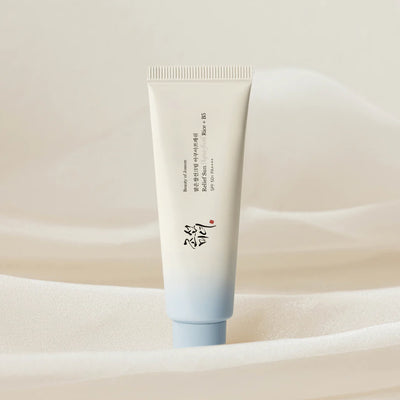
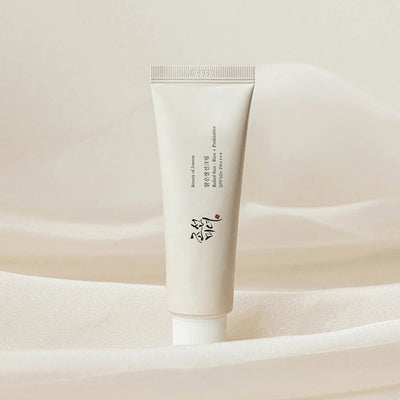
At Khayest, you'll find a wide range of authentic broad-spectrum sunscreens suitable for different skin types and lifestyles. Whether you need a lightweight sunscreen for oily skin, a moisturising formula for dry skin, or a gentle option for sensitive skin, choosing products that match your needs helps make daily sun protection simple.
You can also complete your skincare routine with hydrating moisturisers, gentle cleansers, nourishing serums, and other trusted skincare essentials. Building a routine with authentic products suited to your skin type helps keep your skin protected, comfortable, and healthy throughout the year.
Daily SPF works best on top of a simple routine: cleanse, moisturize, protect. For gentle, affordable skincare made for Pakistani skin, explore our range of Vince products.
FAQs
Do you need sunscreen indoors every day?
Not always. Whether you need sunscreen indoors depends on your daily exposure to natural sunlight. If you spend most of your day near large windows, drive frequently, or work in bright indoor spaces, wearing broad-spectrum sunscreen is a good idea. However, if you stay in rooms with very little natural light, sunscreen may not always be necessary while indoors.
Can UV rays pass through windows?
Yes. Most standard windows block the majority of UVB rays, but UVA rays can still pass through glass. Since UVA rays contribute to premature ageing and long-term skin damage, people who spend hours sitting beside sunny windows may benefit from wearing sunscreen indoors.
Do I need sunscreen if I work from home?
If your home office receives plenty of natural daylight or your desk is close to a window, applying sunscreen is recommended. If you work in a room with minimal sunlight and rarely sit near windows, your indoor UV exposure is much lower.
Does blue light from computers damage the skin?
Everyday laptops, phones, and computer screens emit only small amounts of blue light. For most people, they are not a significant reason to wear sunscreen indoors. Natural sunlight remains the primary source of UV exposure that affects the skin.
Should I wear sunscreen indoors if I have hyperpigmentation?
Yes. If you have hyperpigmentation, melasma, or acne marks, daily sunscreen can help prevent these areas from becoming darker due to UVA exposure. Consistent sun protection also supports the effectiveness of skincare products designed to improve uneven skin tone.
Conclusion
If you've been asking do you need sunscreen indoors, the answer is not simply yes or no. It depends on how much natural sunlight reaches your skin during the day. People who sit near large windows, drive regularly, or spend time in bright indoor spaces may benefit from wearing sunscreen daily, while those with very little indoor sunlight exposure may not always need it.
The most important thing is to understand your environment and make sunscreen part of a skincare routine that suits your lifestyle. Choosing a broad-spectrum SPF 30 or higher helps protect your skin from UVA rays, supports a healthy skin barrier, and reduces the risk of premature ageing and uneven skin tone. If you also have hyperpigmentation, melasma, or use active skincare ingredients, daily sunscreen becomes even more valuable.
At Khayest, you can explore a carefully selected range of authentic sunscreens for oily, dry, combination, and sensitive skin. Pair your sunscreen with quality cleansers, moisturisers, and serums to build a skincare routine that keeps your skin healthy, hydrated, and protected every day. Browse the Khayest collection today and find products that match your skin's unique needs.