
Is Silicone Sunscreen Good for Skin?
If you're wondering is silicone sunscreen good for skin, the short answer is yes for most people. Silicone-based sunscreens can provide excellent sun protection, a smooth finish, and comfortable wear. However, whether they're the right choice depends on your skin type, skincare routine, and the specific sunscreen formula you choose.
Why Are Silicone-Based Sunscreens So Popular?
 Silicone-based sunscreens have become increasingly popular because they offer more than just protection from the sun. Many people like their lightweight feel, smooth texture, and ability to spread evenly across the skin.
Unlike older sunscreen formulas that could feel thick or sticky, many modern silicone sunscreens are designed to leave a soft, silky finish. They also work well under makeup, making them a favourite for people who wear sunscreen every day.
However, there are still many misconceptions about silicones in skincare. Some people believe they clog pores, prevent the skin from breathing, or always cause acne. In reality, these claims are often based on myths rather than scientific evidence.
Understanding how silicone works can help you decide whether this type of sunscreen is suitable for your skincare routine.
Quick Reference Table
| Task | Timing | Method | Difficulty |
|---|---|---|---|
| Cleanse Face | Morning | Gentle cleanser | Easy |
| Apply Moisturiser | Morning (if needed) | Hydrating moisturiser | Easy |
| Apply Silicone Sunscreen | Every morning | Even layer | Easy |
| Reapply Outdoors | Every 2 hours | As directed | Easy |
| Remove Sunscreen | Night | Gentle cleanser | Easy |
Is Silicone Sunscreen Good for Skin?
For most people, the answer is yes.
Silicone is widely used in skincare products because it improves texture, helps products spread evenly, and creates a comfortable protective layer on the skin. In sunscreens, silicone helps deliver consistent coverage while making the formula feel lighter and smoother.
Most silicone-based sunscreens are suitable for daily use and can work well for oily, combination, dry, and even sensitive skin when the correct formula is chosen.
Rather than avoiding silicone completely, it's more important to evaluate the entire ingredient list and select a sunscreen that matches your skin's individual needs.
What Is Silicone Sunscreen?
A silicone sunscreen is simply a sunscreen that contains silicone-based ingredients to improve its texture, stability, and application.
Some of the most common silicone ingredients include:
- Dimethicone
- Cyclopentasiloxane
- Dimethiconol
These ingredients are widely used in skincare because they help products glide smoothly across the skin while creating a soft, even finish.
Silicones do not replace the sunscreen filters that protect against UVA and UVB rays. Instead, they improve how the sunscreen feels and performs during application.
Many premium skincare brands include silicones because they help produce lightweight, elegant formulas that people enjoy wearing every day.
How Does Silicone Work in Sunscreen?
Silicone acts as a conditioning ingredient rather than a sun-protecting ingredient.
Once applied, it forms a thin, flexible layer on the surface of the skin. This layer helps sunscreen spread evenly and improves the product's resistance to rubbing off during normal daily activities.
Silicone also helps reduce moisture loss, making the skin feel softer throughout the day. This is particularly beneficial for people whose skin feels dry after cleansing or prolonged sun exposure.
Unlike heavy oils, many silicone ingredients provide this smooth finish without making the skin feel excessively greasy.
Benefits of Silicone in Sunscreen
There are several reasons why skincare brands include silicone in sunscreen formulations.
Smooth Application
One of the biggest advantages is that silicone helps sunscreen spread easily across the skin.
Instead of dragging or feeling thick, the product glides smoothly, making it easier to achieve even coverage.
Even application is important because missing areas of the skin reduces overall sun protection.
Comfortable Daily Wear
Many people avoid sunscreen because they dislike sticky or heavy textures.
Silicone helps create lightweight formulas that feel comfortable enough for everyday use. A sunscreen that feels pleasant is much more likely to become part of your daily skincare routine.
Supports the Skin Barrier
Silicone creates a lightweight protective film that helps reduce moisture loss from the skin.
While it is not a moisturiser, this protective layer can help support the skin barrier, leaving the skin feeling softer and more comfortable throughout the day.
Works Well Under Makeup
Another reason silicone-based sunscreens are popular is that they create a smooth surface for makeup application.
In fact, many makeup primers also contain silicone because it helps foundation glide on more evenly and improves the appearance of skin texture.
If you wear makeup regularly, a silicone sunscreen may provide a more even finish than some heavier sunscreen formulations.
Common Myths About Silicone Sunscreen
Despite its popularity, silicone sunscreen is often misunderstood.
Let's separate the facts from the myths.
Myth: Silicone Stops the Skin from Breathing
This is one of the most common misconceptions.
Your skin does not "breathe" in the same way your lungs do.
Silicone forms a lightweight, flexible film on the surface of the skin, but it does not completely seal it off. Instead, it allows the sunscreen to remain evenly distributed while helping reduce moisture loss.
Myth: Silicone Is Harmful for Everyone
Silicone is widely used in dermatologically tested skincare products around the world.
Most people tolerate silicone very well. If irritation occurs, it is often caused by another ingredient in the formula rather than the silicone itself.
As with any skincare product, people with highly sensitive skin should patch test new products before applying them to the entire face.
Broad-Spectrum Protection Still Matters Most
While silicone improves the feel of sunscreen, it is the sunscreen filters that provide protection against harmful ultraviolet rays.
When choosing any sunscreen, always look for broad-spectrum protection. This means the product helps protect your skin against both UVA and UVB rays.
Also consider the SPF level based on your daily activities. SPF 30 is suitable for everyday use, while SPF 50 offers additional protection during prolonged outdoor exposure.
Remember that even the best sunscreen works only when applied generously and reapplied as needed.
Is Silicone Sunscreen Good for Oily Skin?
 People with oily skin often worry that sunscreen will make their face look shinier or feel heavier. Fortunately, many silicone sunscreen formulas are designed to feel lightweight while helping control excess shine throughout the day.
Silicone ingredients create a smooth surface without relying on heavy oils. This is why many people with oily or combination skin prefer silicone-based sunscreens over richer cream formulas.
If you have oily skin, look for a sunscreen labelled as lightweight or non-comedogenic. These formulas are designed to sit comfortably on the skin while providing reliable broad-spectrum sun protection.
Is Silicone Sunscreen Good for Dry Skin?
Yes, silicone sunscreen can also work well for dry skin.
Silicone helps reduce moisture loss by creating a light protective layer on the skin. This helps keep the skin feeling softer for longer.
However, sunscreen should not replace your moisturiser. If your skin often feels tight or flaky, apply a suitable moisturiser first. Once it has absorbed, apply your sunscreen evenly over the face and neck.
Using moisturiser and sunscreen together helps keep dry skin comfortable while protecting it from harmful UVA and UVB rays.
Is Silicone Sunscreen Suitable for Sensitive Skin?
Many people with sensitive skin avoid products containing silicone because they worry about irritation.
In reality, silicone itself is generally well tolerated by most skin types. It is often included in skincare products because it creates a gentle protective layer and improves the texture of the formula.
That said, sensitive skin can react to many different ingredients. Fragrance, preservatives, or certain active ingredients are more likely to trigger irritation than silicone alone.
Before using any new sunscreen, perform a patch test on a small area of skin. This simple step can help you identify any unwanted reactions before applying the product to your entire face.
Does Silicone Sunscreen Clog Pores?
This is one of the biggest concerns people have when choosing a sunscreen.
The simple answer is that silicone does not automatically clog pores.
Whether a sunscreen contributes to breakouts depends on its complete formulation, your skin type, and how well you cleanse your skin at the end of the day.
Many modern silicone sunscreens are made with non-comedogenic ingredients, meaning they are formulated to minimise the risk of blocking pores. If you have acne-prone skin, look for products specifically labelled as non-comedogenic and remove your sunscreen thoroughly every evening.
Can Silicone Sunscreen Cause Acne?
Another common myth is that silicone always causes acne.
For most people, this is not true.
Acne is influenced by several factors, including excess oil production, hormones, bacteria, genetics, and skincare habits. Silicone itself is not recognised as a direct cause of acne.
Problems are more likely to occur if sunscreen, makeup, dirt, and oil are left on the skin overnight. Cleansing your face properly before bed helps remove product build-up and supports healthier-looking skin.
If you have acne-prone skin, choose a lightweight sunscreen that suits your skin type and avoid skipping your evening cleansing routine.
Can You Wear Silicone Sunscreen Under Makeup?
Yes. One of the biggest advantages of silicone sunscreen is that it works exceptionally well under makeup.
Silicone creates a smooth, even surface that allows foundation and concealer to glide on more easily. This is one reason why many makeup primers also contain ingredients such as Dimethicone.
For the best results, apply your moisturiser first if needed, followed by sunscreen. Allow the sunscreen to absorb for a few minutes before applying makeup. This helps create a more even finish and can improve the longevity of your makeup throughout the day.
How to Apply Silicone Sunscreen Correctly
 Applying sunscreen correctly is just as important as choosing the right formula.
Start with a clean face. If your skin feels dry, apply moisturiser and allow it to absorb fully. Next, spread sunscreen evenly across your face, neck, ears, and any other exposed areas.
Avoid rubbing the product aggressively. Gentle, even application helps create a consistent protective layer across the skin.
If you spend time outdoors, remember to reapply sunscreen every two hours or according to the product instructions. Reapply sooner after swimming, sweating heavily, or drying your face with a towel.
Common Mistakes to Avoid
Even high-quality sunscreen cannot provide its full level of protection if it is used incorrectly.
One common mistake is applying only a small amount. Using too little sunscreen reduces the level of protection stated on the packaging.
Another mistake is skipping sunscreen on cloudy days. Harmful UVA rays can still reach your skin even when the sun is not visible.
Some people also forget areas such as the ears, neck, hairline, and around the jaw. These areas are frequently exposed to sunlight and deserve the same protection as the rest of your face.
Finally, many people fail to remove sunscreen properly at night. Cleansing your skin thoroughly helps remove sunscreen, excess oil, sweat, and daily impurities, supporting a healthier skin barrier and reducing the chance of clogged pores.
Choosing the Right Sunscreen at Khayest
The best sunscreen is the one that suits your skin type, feels comfortable enough for everyday wear, and encourages consistent use.
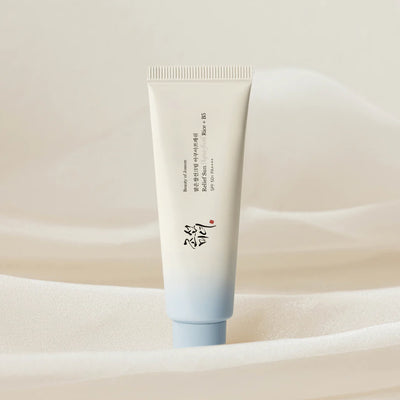
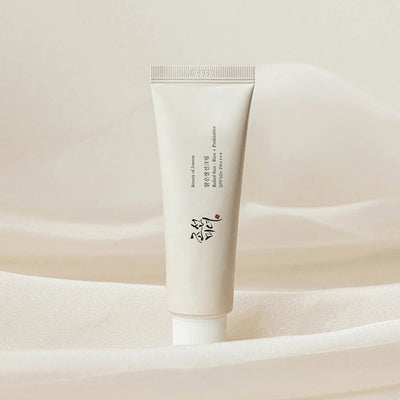
At Khayest, you can explore a carefully selected range of authentic sunscreens for oily, dry, combination, sensitive, and acne-prone skin. Whether you prefer a lightweight silicone-based sunscreen or another type of daily sun protection, choosing products that match your skincare needs makes it easier to maintain healthy, protected skin all year round.
Frequently Asked Questions
Is silicone sunscreen good for skin?
Yes, silicone sunscreen is generally good for skin when you choose a formula that suits your skin type. Silicone ingredients such as Dimethicone help sunscreen spread evenly, create a smooth finish, and reduce moisture loss. They do not replace UV filters but improve the overall texture and comfort of the product.
Does silicone sunscreen clog pores?
Silicone itself does not automatically clog pores. Whether a sunscreen causes clogged pores depends on the complete formulation, your skin type, and how well you cleanse your skin at the end of the day. Choosing a non-comedogenic sunscreen and removing it properly every night can help reduce the risk of breakouts.
Can silicone sunscreen cause acne?
For most people, silicone is not a direct cause of acne. Breakouts are usually influenced by factors such as excess oil, hormones, bacteria, and improper cleansing. If you have acne-prone skin, choose a lightweight, non-comedogenic sunscreen and maintain a consistent cleansing routine.
Is silicone sunscreen suitable for oily and sensitive skin?
Yes, many silicone-based sunscreens work well for oily and sensitive skin. Lightweight formulas can provide a smooth, non-greasy finish, while silicone ingredients are generally well tolerated by most skin types. If you have very sensitive skin, perform a patch test before using any new skincare product.
Can I wear silicone sunscreen under makeup?
Absolutely. One of the biggest advantages of silicone sunscreen is that it creates a smooth base for makeup application. Apply sunscreen after your moisturiser, allow it to absorb for a few minutes, and then continue with your makeup routine for a more even finish.
Conclusion
If you're wondering is silicone sunscreen good for skin, the answer is yes for most people. Silicone-based sunscreens are designed to improve texture, help the product spread evenly, and create a lightweight protective layer that feels comfortable throughout the day. They do not prevent the skin from "breathing," and silicone itself is not automatically responsible for clogged pores or acne.
The best sunscreen is one that matches your skin type and fits your daily routine. Whether you have oily, dry, combination, sensitive, or acne-prone skin, choosing a broad-spectrum sunscreen with the right texture and ingredients can help protect your skin from harmful UVA and UVB rays while keeping it comfortable.
At Khayest, you can discover a carefully selected range of authentic sunscreens, moisturisers, cleansers, serums, and other skincare essentials suitable for every skin type. Explore the collection today and choose products that help you build a simple, effective skincare routine with reliable daily sun protection.