
When to Apply Setting Powder
Apply setting powder after foundation, concealer, and any liquid or cream complexion products. When to apply setting powder becomes simple once you separate wet products from powder products.
Finish liquid or cream blush, bronzer, and contour first. Then set selected areas with powder, add powder color products, and finish with setting spray.
You do not need to powder every inch of your face. Oily areas need more setting than dry areas. Dewy looks often need only targeted powder under the eyes, around the nose, and through the T-zone.
When to Apply Setting Powder in a Makeup Routine
Use setting powder after your liquid and cream base products, but before powder blush, bronzer, or highlighter. When to apply setting powder depends mainly on product texture.
Finish Liquid and Cream Products First
Apply primer, foundation, concealer, cream contour, cream bronzer, and liquid blush before setting powder. Blend every cream product completely before moving to powder.
Cream products blend most smoothly over other liquid or cream textures. A dry powder layer can make later cream products grab or patch.
Apply Setting Powder Next
Press a light layer of setting powder onto areas that crease, shine, or transfer. Common zones include under eyes, nose, forehead, and chin.
Use a powder puff for stronger hold. Use a fluffy brush for a lighter, softer finish.
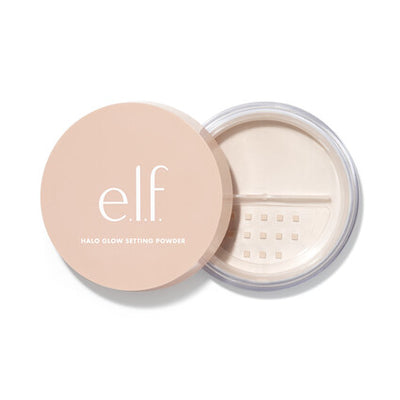
Khayest's ELF HD powder gives one example of a powder designed for setting after foundation and concealer.
Add Powder Color Products Afterward
Apply powder blush, powder bronzer, and powder highlighter after setting powder. Powder color products usually blend more evenly over a softly set base.
Do not over-powder before color products. Excess powder can dull blush and create a flat finish.
When to Apply Setting Powder with Liquid or Cream Blush

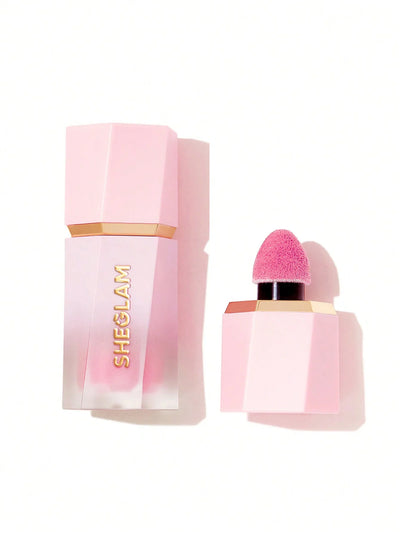
Apply liquid or cream blush before setting powder. When to apply setting powder changes when your blush contains moisture.
Apply Cream Blush Before Powder
Blend cream blush over foundation or skin tint before powder. Let the blush reach the intensity you want before setting nearby areas.
A light powder layer can soften blush color. Apply slightly stronger cream blush when you know powder will reduce intensity.
Apply Powder Blush After Powder
Apply powder blush after setting powder. The powder base gives powder blush a smoother surface for blending.
Use a soft brush and build color slowly. Heavy powder blush over heavy setting powder can look dry.
Keep Powder Off Dewy Cheek Areas
Skip setting powder on the high points of your cheeks when you want a luminous finish. Set only the center of the face instead.
When to apply setting powder does not mean when to mattify every area. Strategic placement preserves dimension.
When to Apply Setting Powder Under the Eyes
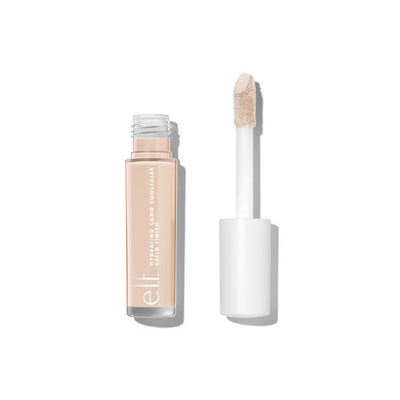
Set under-eye concealer after blending the concealer and removing visible creases. When to apply setting powder under the eyes requires quick, light placement.
Blend Concealer Creases First
Look upward and tap out any concealer that collected in fine lines. Use a fingertip, brush, or damp sponge.
Do not powder over an existing crease. Powder can lock the crease in place.
Use a Small Amount Immediately After Blending
Apply a thin layer after the under-eye looks smooth. Press powder gently with a small puff or brush.
Use less powder than you use on the T-zone. The under-eye area often shows dryness faster than the forehead or nose.
Avoid Heavy Under-Eye Baking on Dry Skin
Skip thick baking when under eyes look dry or textured. A light set can control creasing without adding a chalky layer.
When to apply setting powder matters less than how much you apply. Dry under eyes usually need less product.
How Long Should You Wait Before Applying Setting Powder?
You can set foundation once the liquid and cream products are fully blended. When to apply setting powder does not require a long waiting period.
Set Under-Eye Concealer Quickly
Blend under-eye concealer, smooth visible creases, then apply powder soon afterward. Waiting too long gives concealer more time to settle into lines.
Use a small puff or brush for precision. Press the powder lightly instead of sweeping across fresh concealer.
Let Very Wet Foundation Settle Briefly
Wait about 30–60 seconds when foundation still feels very wet or slippery. A brief pause can reduce lifting during powder application.
Do not wait until the base becomes patchy or begins separating. Powder should lock the smooth base you already created.
Finish Cream Products Before the Pause Ends
Apply liquid blush, cream bronzer, and cream contour before setting. When to apply setting powder should come after those wet complexion steps.
A fully blended cream stage gives you the cleanest transition into powder products.
Should Setting Powder Go Before or After Setting Spray?
Use setting powder before setting spray in the simplest makeup routine. When to apply setting powder should come before the final setting mist.
Use Powder First
Set foundation, concealer, and selected cream areas with powder. Then complete powder blush, bronzer, or highlighter.
Powder absorbs oil and reduces movement. Setting spray performs a different finishing job.
Use Setting Spray Last
Mist setting spray after the makeup look is complete. Hold the bottle about 8–10 inches (20–25 cm) from your face.
Let the mist dry without rubbing. A fine mist can reduce a visibly powdery finish.
Use Layered Spray Only for Advanced Long Wear
Some long-wear routines use light setting spray between makeup stages. Beginners do not need multiple spray layers.
Keep the basic order simple: cream products, setting powder, powder products, then setting spray.
What Is the Difference Between Setting Powder and Finishing Powder?
Setting powder locks makeup in place, while finishing powder refines the final appearance. When to apply setting powder comes earlier than finishing powder.
Use Setting Powder to Control Movement
Apply setting powder after foundation, concealer, and cream products. The powder helps reduce transfer, creasing, and excess shine.
Use setting powder strategically when your base already looks smooth. Setting powder should preserve the finish, not cover application mistakes.
Use Finishing Powder Near the End
Apply finishing powder after the main complexion products when you want extra blur or polish. Finishing powder usually adds less oil control.
Use only a small amount. Too much finishing powder can make a well-set base look heavy.
Apply Setting Spray After Powder Steps
Use setting spray after setting powder and finishing powder. The spray can soften a dry powdery surface and unify the layers.
When to apply setting powder stays before the final mist. The spray finishes the routine rather than replacing every powder function.
Should Setting Powder Go Before or After Bronzer and Contour?
The answer depends on whether the bronzer or contour is cream or powder. When to apply setting powder follows texture order.
Cream Bronzer Goes Before Powder
Apply cream bronzer or cream contour before setting powder. Blend the cream edges into foundation while the base still has slip.
Powdering first can make cream bronzer catch unevenly. Advanced artists can break this rule, but beginners gain consistency from texture order.
Powder Bronzer Goes After Powder
Apply powder bronzer after setting powder. A lightly powdered base helps the bronzer blend without sticking to damp foundation.
Do not create a thick powder layer first. Too much setting powder can make bronzer look dusty.
Do You Need Setting Powder on the Whole Face?

No. Apply setting powder only where makeup needs extra hold, oil control, or crease prevention. When to apply setting powder also includes deciding where not to apply it.
Powder the T-Zone for Oily Skin
Set the forehead, nose, and chin when those areas become shiny quickly. Press a small amount into the skin.
Oily skin can still keep cheek areas more natural. Full-face powder is optional.
Powder Only Crease Zones for Dry Skin
Set under eyes, smile lines, or the sides of the nose only when those areas crease. Leave dry cheeks unpowdered.
Dry skin often looks fresher with less powder. A radiant setting formula can also reduce a flat appearance.
Use Zone Setting for Combination Skin
Powder the oily T-zone and leave drier cheeks softer. Combination skin usually benefits from different treatment by area.
When to apply setting powder stays the same. Placement changes with skin type.
When Should You Bake with Setting Powder?
Bake only when you want stronger hold, sharper definition, or a more matte finish. When to apply setting powder for baking still follows cream products.
Press a visible layer over set-ready concealer or foundation. Leave the powder for several minutes, then sweep away excess.
Baking is not necessary for everyday makeup. Heavy baking can emphasize fine lines, dryness, and texture.
Use lighter powder for normal daily wear. Reserve baking for long events, oily areas, or specific full-glam looks.
Khayest's Huda Easy Bake offers a pressed option designed for setting, brightening, and optional baking.
When Should You Use Pressed Powder Instead of Loose Powder?
Use pressed powder for controlled application and convenient touch-ups. Use loose powder for lightweight setting and baking.
Pressed powder travels easily in a compact. Pressed powder works well around the nose, under eyes, or on the T-zone.
Loose powder spreads more easily across larger areas. Loose formulas also suit baking because you can pick up more product.
When to apply setting powder does not change between pressed and loose formulas. Both usually follow liquid and cream products.
Choose the texture that matches your routine, tools, and desired finish.
Where Should You Apply Setting Powder for Glasses and Nose Transfer?
Set the sides and bridge of the nose lightly when glasses cause foundation movement. When to apply setting powder around glasses follows the normal base step.
Press a small amount onto the nose after foundation and concealer. Avoid thick baking because glasses can press that buildup into visible patches.
Blot sweat or oil before midday touch-ups. Add a thin powder layer only after removing surface moisture.
Set the areas where frames touch the skin. Keep the rest of the cheeks more natural when those areas stay dry.
When to Apply Setting Powder for Midday Touch-Ups
Blot excess oil first, then apply a small amount of powder only where shine remains. When to apply setting powder during the day should start with oil removal.
Press a clean tissue or blotting sheet over the forehead, nose, or chin. Do not rub.
Add a thin powder layer after blotting. Powdering directly over heavy oil can create a thick, uneven texture.
Use pressed powder for quick touch-ups outside the home. Keep loose powder for controlled application when you have more time.
Do not keep stacking powder every hour. Repeated layers can make the base look dry and heavy.
What Happens When You Apply Setting Powder Too Early?
Powdering before you finish cream products can make later products patchy, dull, or difficult to blend. When to apply setting powder affects product compatibility.
Cream blush can catch on a powdered cheek. Liquid bronzer can lift powder and foundation underneath.
Early powder can also reduce the natural glow of liquid makeup. Add powder only after you finish the wet complexion stage.
Special techniques sometimes place powder under foundation. Treat powder-under-foundation as an advanced method, not the beginner default.
Can You Apply Setting Powder Before Foundation?
Yes, but powder before foundation is an advanced technique, not the beginner default. When to apply setting powder usually means after cream products.
Some oily-skin routines use a very thin powder layer before foundation. The method can reduce shine and improve grip for certain formulas.
The technique can also create patchiness when foundation and powder do not layer well. Dry skin can look rougher with powder underneath.
Start with the standard order first. Experiment with powder-under-foundation only after you understand how your base products behave together.
Is Setting Powder Necessary for Every Makeup Look?
No. You can skip setting powder when your base dries down well and your skin stays comfortable. When to apply setting powder has no answer when you do not need powder.
Dry skin can look better with no powder or a tiny amount under the eyes. Dewy makeup also benefits from selective setting.
Oily skin often gains more from powder because powder absorbs shine. Combination skin can use powder only in oily zones.
Setting spray can finish makeup without creating a matte look. Setting spray does not provide the same oil absorption as powder.
Your goal should decide the product. Longevity, shine control, creasing, and finish matter more than rigid rules.
How Can You Remember the Setting Powder Order Quickly?
Use one sequence: wet complexion products, setting powder, powder complexion products, then setting spray.
|
Task |
Timing |
Method |
Difficulty |
|---|---|---|---|
|
Apply foundation |
Before powder |
Blend liquid or cream base fully |
Easy |
|
Apply concealer |
Before powder |
Blend and remove creases |
Easy |
|
Apply cream blush |
Before powder |
Blend to desired intensity |
Easy |
|
Set under eyes |
After concealer |
Press a thin powder layer |
Easy |
|
Set T-zone |
After cream products |
Press powder on oily areas |
Easy |
|
Apply powder blush |
After setting powder |
Blend over softly set skin |
Easy |
|
Apply powder bronzer |
After setting powder |
Build color gradually |
Easy |
|
Apply setting spray |
Final step |
Mist from 8–10 inches (20–25 cm) |
Easy |
When to apply setting powder becomes much easier after you separate liquid, cream, and powder textures.
What Are the 5 Most Common Setting Powder Timing Questions?
Does setting powder go before or after concealer?
After concealer. Blend concealer first, smooth any creases, then press a small amount of powder over the area.
Does setting powder go before or after liquid blush?
After liquid blush. Finish liquid and cream cheek products before setting the base.
Does setting powder go before powder blush?
Yes. Apply setting powder first, then powder blush, bronzer, or highlighter.
Does setting powder go before setting spray?
Yes. Use setting powder first and setting spray after the makeup look is complete.
Can you skip setting powder?
Yes. Skip powder when your skin is dry, your base sets well, or you want a very dewy finish.
What Is the Best Setting Powder Order for Beginners?
Use setting powder after all liquid and cream complexion products, then continue with powder products and setting spray. When to apply setting powder becomes predictable once you follow texture order. Set only areas that crease, shine, or transfer. Keep dry or luminous areas lighter. Browse Khayest setting powders to compare loose, pressed, translucent, brightening, and oil-control options for different makeup routines.