
What Can We Use Instead of Primer?
Wondering what can we use instead of primer? A suitable moisturizer, sunscreen or simple skincare routine can sometimes create a smooth enough base for foundation. Primer is useful, but it is not essential for everyone. The best alternative depends on whether you need hydration, smoother makeup, oil control or longer wear.
What Can We Use Instead of Primer?
 If you do not have makeup primer, you can still create a smooth makeup base. In many cases, products already in your skincare routine can prepare your skin well enough for foundation.
A moisturizer instead of primer is one of the most practical choices, especially if dryness is your main concern. During the day, a sunscreen that sits comfortably on your skin may also create a smooth surface under makeup. Setting spray can be useful when longer wear is the goal.
However, none of these products is an exact copy of primer.
A pore-blurring primer is specifically designed to soften the appearance of pores. A gripping primer helps makeup adhere to the skin. A mattifying primer can help manage visible shine.
Therefore, the right primer substitute depends on what you normally expect your primer to do.
Do You Actually Need Primer Before Makeup?
No. Makeup primer is optional.
Some people notice smoother application and better wear with primer, while others get excellent results from good skin prep before makeup.
If your moisturizer and sunscreen already leave your skin comfortable and foundation applies evenly, another layer may not be necessary.
Primer is most useful when it solves a specific makeup concern, such as visible pores, excess shine or foundation that fades too quickly.
Can You Skip Primer Completely?
Yes. You can wear makeup without primer.
Skipping primer does not mean you should skip skin preparation. Your complexion should still feel comfortable before foundation.
Dry skin may need extra hydration, while oily skin often performs better with lightweight skincare. Combination skin may need different preparation around the T-zone and cheeks.
Can Moisturizer Be Used Instead of Primer?
For many people, moisturizer is the simplest answer to what can we use instead of primer.
Moisturizer supports hydration and can create a comfortable surface for makeup. This is particularly useful when foundation tends to cling to dry areas or look patchy.
A suitable moisturising product such as I’m From Rice Cream 50g from Khayest can be incorporated into your skin-preparation routine before makeup.
Apply your moisturizer and allow it to settle before foundation. Applying makeup immediately over a thick, wet layer can make foundation move around.
However, moisturizer does not offer every primer benefit. It may hydrate your skin well, but it will not necessarily give you strong pore blurring, oil control or makeup grip.
Is Moisturizer Enough Before Foundation?
For some skin types, yes.
If your skin feels hydrated and smooth after moisturizer, foundation may apply beautifully without primer.
This can be especially useful for simple everyday makeup when you want fewer layers on your face.
Your foundation formula also matters. Some foundations work naturally over skincare, while others perform better with a particular primer.
Try your makeup both ways. If you cannot see a meaningful difference when primer is removed, you may not need it every day.
Can You Put Foundation Directly Over Moisturizer?
Yes. Foundation can be applied directly over moisturizer.
However, allow your moisturizer to settle first. If your face still feels extremely wet, oily or slippery, foundation may move around rather than forming an even layer.
During the daytime, remember that sunscreen should normally come between moisturizer and makeup.
Can Sunscreen Be Used Instead of Primer?
Sunscreen may sometimes provide a smooth enough surface that you do not need a separate primer.
However, sunscreen is not technically a makeup primer. Its main purpose is sun protection.
Some sunscreen formulas have lightweight, smooth or moisturising textures that work nicely under foundation. If your sunscreen already creates the finish you want, adding primer may feel unnecessary.
A daytime option such as Beauty of Joseon Relief Sun Rice + Probiotics SPF50+ PA++++ from Khayest can be incorporated into your skincare before makeup.
Always apply sunscreen according to its directions. Do not reduce the amount simply because you want it to behave more like primer.
Can Sunscreen Work as a Makeup Base?
Yes, provided your makeup layers well over it.
If your sunscreen leaves your complexion comfortable and smooth, you may be able to apply foundation once it has settled.
A simple daytime routine can be:
- Apply your usual skincare and moisturizer if needed.
- Apply sunscreen properly and allow it to settle.
- Apply foundation in thin, even layers.
If foundation pills or separates over sunscreen, adding another product is not always the solution. Simplifying the layers underneath may work better.
Can You Apply Foundation Directly Over Sunscreen?
Yes. If your sunscreen performs well underneath makeup, foundation can be applied over it without primer in between.
Allow sunscreen to settle before starting your base.
Avoid mixing sunscreen with foundation or moisturizer simply to make application quicker. It is better to maintain an even sunscreen layer and then apply makeup over it.
Can Setting Spray Be Used Instead of Primer?
Setting spray and primer perform different jobs, so setting spray is not a perfect alternative to makeup primer.
Primer is usually used before foundation to prepare the surface. Setting spray is generally used to finish makeup and, depending on its formula, may support the final finish or wear.
Some people also use certain setting sprays during different stages of makeup. If you want to try this, follow the directions of the particular product.
Can Setting Spray Help Makeup Last Without Primer?
It may help depending on the formula, but it will not reproduce every primer effect.
If longevity is your concern, a suitable setting spray can complement careful makeup application.
However, if you want to blur large-looking pores, setting spray will not provide the same smoothing effect as a pore-focused primer.
Can Skincare Replace Makeup Primer?
Good skincare can sometimes make primer unnecessary.
The purpose of skincare before makeup is to make your skin feel comfortable and balanced. It does not mean applying as many products as possible.
Too many serums, creams and oils can actually make foundation more difficult to apply.
Instead, concentrate on your skin's needs.
Dry skin may need hydration. Oily skin may prefer lightweight layers. During the day, sunscreen should be part of your routine.
Once your skincare settles, apply foundation and assess the result.
You may find that your normal skincare already creates the base you need.
Is Good Skin Prep Better Than Primer?
Skin prep and primer serve different purposes.
Good skin preparation supports your skin, while primer is mainly designed to influence the way makeup applies or wears.
Skin prep should generally come first.
Primer can then be added if you need something more specific, such as smoothing, gripping or mattifying.
If your foundation looks rough because your skin is dry, another layer of primer may not fix the problem. Improving hydration may be more helpful.
What to Use Instead of Primer for Different Skin Types
Your skin type is important when choosing a primer substitute. A product that works beautifully for dry skin may feel too rich on oily skin.
Instead of following one rule for everyone, prepare your complexion according to how it actually behaves.
What to Use Instead of Primer for Dry Skin
Dry skin usually benefits from hydration before foundation.
If primer makes your complexion feel tight or causes foundation to highlight flaky areas, focus on moisturizer instead.
Apply a suitable moisturizer and allow it to settle before makeup. Avoid creating an excessively thick layer because too much cream can also make foundation move.
During the daytime, choose sunscreen that feels comfortable over your skincare.
For dry skin, good hydration may be the most useful alternative to makeup primer.
What to Use Instead of Primer for Oily Skin
Oily skin can also wear foundation without primer.
Keep skincare lightweight and avoid applying several rich products underneath makeup if they make your face feel greasy.
Allow moisturizer and sunscreen to settle before applying foundation.
If certain areas become shiny, powder can be applied strategically rather than heavily covering the entire face.
However, if oil repeatedly breaks through foundation very quickly, a dedicated mattifying primer may provide more targeted control than a substitute.
What to Use Instead of Primer for Sensitive Skin
Sensitive skin may benefit from a simpler routine.
If several primers have caused discomfort, consider using skincare products that you already know your skin tolerates.
A familiar moisturizer may create a more comfortable makeup base than repeatedly testing new products.
Also, avoid assuming homemade or “natural” products are automatically safer. Products not intended for facial use should not be used as DIY makeup primers.
What Can You Use If Primer Feels Uncomfortable?
One reason people search what can we use instead of primer is that they simply dislike how primer feels.
Some formulas are silky, while others are tacky, rich or very matte. Not every texture will suit every person.
If you dislike primer, foundation over well-prepared skincare may be enough.
What Can You Use If Primer Feels Too Dry?
If your primer makes your skin feel dry, consider whether the formula is too mattifying for your complexion.
Rather than immediately adding more makeup products, improve hydration underneath.
A suitable moisturizer may be enough.
If you still want primer benefits, consider a more hydrating or gripping texture rather than a very matte product.
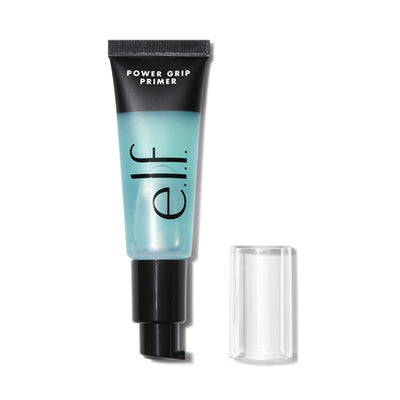
For example, e.l.f. Power Grip Primer + 4% Niacinamide from Khayest offers a gel-style gripping base for people who still want a dedicated primer but prefer a different feel from traditional matte formulas.
What Can You Use If You Hate the Texture of Primer?
If you dislike sticky, silky or heavy primer, you do not have to force yourself to use it.
Try foundation over your regular skincare.
You can also apply primer only where you need its benefits. If visible pores around your nose are your only concern, for example, use a small amount there rather than covering your entire face.
This gives you targeted primer benefits with fewer layers.
What Can You Use Instead of Primer for a Dewy Look?
If you want a fresh, dewy complexion, good hydration can make a noticeable difference.
Start with skincare that makes your skin comfortable without leaving it excessively greasy.
A moisturizer with a finish you enjoy may provide enough glow underneath foundation.
Your foundation formula also matters. A very matte foundation will not automatically become dewy simply because you skip primer.
Likewise, excessive skincare underneath foundation can make makeup slip rather than look naturally glowing.
Can Moisturizer Create a Dewy Makeup Base?
Yes. A suitable moisturizer can help dry or normal skin appear fresher beneath makeup.
Allow the moisturizer to settle before applying foundation. The aim is comfortable hydration rather than a visibly wet layer.
You can then build foundation gradually to maintain a natural-looking finish.
What Can You Use Instead of Primer for Long-Lasting Makeup?
This is where primer substitutes become more limited.
A gripping primer is specifically designed to help makeup adhere to the skin. Moisturizer cannot always recreate that effect.
However, careful application can still improve makeup wear without primer.
- Keep skincare layers light enough to sit comfortably under makeup.
- Apply foundation in thin layers instead of one thick coat.
- Set oily or crease-prone areas and use an appropriate setting product if needed.
These techniques can help foundation without primer wear better.
However, if makeup longevity is consistently a problem, a dedicated gripping primer may be the more practical option.
How to Make Foundation Look Smooth Without Primer
Smooth foundation begins with well-prepared skin.
If your base looks rough without primer, do not automatically assume you need another layer. First look at your skincare and application technique.
Thick layers of foundation tend to collect around pores, texture and dry areas.
How to Prep Your Skin for Makeup Without Primer
Start with clean skin and follow a simple routine.
Apply moisturizer according to your skin type. During the daytime, use sunscreen and allow it to settle before makeup.
Then apply foundation gradually.
A useful routine is:
- Prepare your skin with suitable skincare and daytime sunscreen.
- Give the layers enough time to settle instead of rushing.
- Apply foundation gradually and build coverage only where needed.
If your makeup already looks smooth and lasts well, you may not need primer.
Why Does Foundation Look Patchy Without Primer?
Patchiness does not always mean primer is missing.
Dry areas, excessive skincare, incompatible layers, heavy foundation and application technique can all affect your base.
If foundation looks patchy, simplify your routine first.
Make sure dry areas are comfortably moisturised and avoid using too much foundation at once.
How to Make Foundation Last Without Primer
Wearing makeup without primer does not automatically mean poor wear.
Prepare your skin according to its needs and allow skincare to settle before foundation.
Apply your base in thin layers and build coverage only where needed.
If your T-zone becomes oily, use powder strategically.
A suitable setting product can also be added at the end of your routine.
Finally, try not to constantly touch or rub your face throughout the day, as this can disturb even well-applied makeup.
When Is a Real Makeup Primer Still Better?
 Although there are several answers to what can we use instead of primer, alternatives cannot recreate every benefit.
A dedicated primer becomes useful when you have a specific makeup problem.
For Visible Pores
A pore-blurring or smoothing primer may soften the appearance of enlarged pores better than moisturizer alone.
For Excess Oil
A mattifying primer can provide more targeted shine control than simply skipping primer or relying on moisturizer.
For Makeup That Fades Quickly
A gripping primer may be useful when foundation struggles to stay in place for as long as you need it.
Therefore, primer is best viewed as a problem-solving product rather than a compulsory step.
Frequently Asked Questions
What Can I Use as a Primer If I Don't Have One?
A suitable moisturizer is one of the simplest options. During the daytime, sunscreen that works well under foundation may also create a comfortable makeup base. However, neither offers every specialised benefit of a dedicated primer.
Can Moisturizer Be Used Instead of Primer?
Yes. Moisturizer instead of primer may work well when hydration is your main concern. However, moisturizer will not necessarily provide the same pore-blurring, mattifying or gripping effects as primer.
Can I Do Makeup Without Primer?
Yes. You can apply makeup without primer. Good skin preparation, thin foundation layers and suitable setting products can still create a smooth and lasting makeup look.
Is Sunscreen Enough Before Makeup?
It can be if your skin feels comfortable and your foundation applies well over it. However, sunscreen should always be used primarily for sun protection and according to its directions.
Is Moisturizer or Primer Better Before Foundation?
They have different purposes. Moisturizer supports hydration and skin comfort, while primer targets makeup concerns such as visible pores, excess shine and makeup grip. You can use both, or you may find that skincare alone is enough.
Conclusion
So, what can we use instead of primer? For many people, a suitable moisturizer and good skin preparation are the simplest alternatives. During the daytime, sunscreen may also create a comfortable base that allows foundation to sit smoothly without another primer layer.
However, there is no universal primer substitute because primers perform different jobs. Moisturizer can support hydration, but it may not blur visible pores. Sunscreen provides essential sun protection, but it is not designed mainly to grip foundation. Setting spray may support makeup wear, but it cannot always reproduce the smoothing effect of primer.
Therefore, focus on what your skin and makeup actually need.
If foundation already looks smooth over your skincare, you can keep your routine simple and skip primer. If you struggle with visible pores, excess shine or makeup that fades quickly, a dedicated primer may still be the better targeted solution.
Most importantly, avoid unusual DIY primer substitutes and products that are not intended for facial use. Good skin prep before makeup, suitable products and careful application are more reliable ways to create a comfortable base.
Ready to improve your makeup routine? Explore moisturizers, sunscreens and makeup primers at Khayest to find products that suit your skin type, preferred finish and everyday makeup needs.