
How to Apply Base Makeup
Prep your skin, apply primer where needed, use thin foundation, add targeted concealer, then set selectively with powder. Learning how to apply base makeup becomes easier when each layer solves one specific problem. Finish with blush, bronzer, and setting spray after the complexion looks even.
A smooth base does not require heavy coverage. Thick foundation often creates cakiness, while excess powder emphasizes texture. Thin layers, correct skin prep, and controlled blending produce a more natural result.
How to Apply Base Makeup in the Correct Order
To apply base makeup in the correct order, follow skincare, sunscreen, primer, corrector, foundation, concealer, powder, then setting spray. Add color products before the final spray. How to apply base makeup starts before foundation touches the face.
Prep Skin Before Makeup
Cleanse your face gently, then apply moisturizer suited to your skin type. Apply sunscreen during daytime makeup and let skincare settle before complexion products.
Wait until the surface feels comfortable rather than wet or slippery. Heavy wet layers can increase pilling and foundation movement.
Dry skin needs extra attention around the cheeks, nose, and mouth. Oily skin still needs lightweight hydration before makeup.
Apply Primer Only Where Needed
Apply primer to the areas that need help. Use pore-smoothing primer around visible pores and mattifying primer on an oily T-zone.
Use hydrating primer on dry areas when moisturizer alone does not create enough slip. Avoid thick primer across the entire face by default.
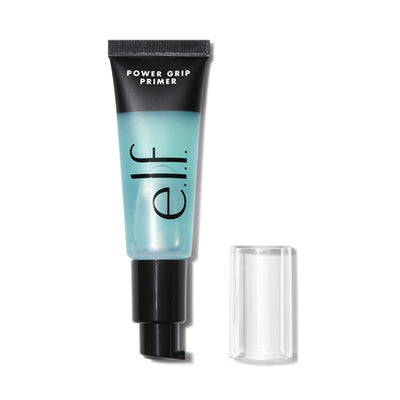
The Khayest primer collection includes hydrating, smoothing, gripping, and mattifying options for different skin concerns.
Correct Discoloration Before Coverage
Use color corrector only where discoloration remains visible. Peach or orange corrector can reduce blue-brown under-eye darkness on deeper complexions.
Green corrector can reduce strong surface redness. Apply a very thin amount and blend the edges before foundation or concealer.
Too much corrector can change foundation color. Let the corrector settle before adding the next complexion layer.
How to Apply Foundation Without Cakiness

To apply foundation without cakiness, start with less product than you think you need and build coverage slowly. How to apply base makeup well depends on foundation thickness.
Start with a Thin Layer
Place small amounts of foundation around the center of the face. Spread the product across the cheeks, nose, forehead, and chin.
Avoid coating the entire face with one thick layer. More foundation does not create smoother skin texture.
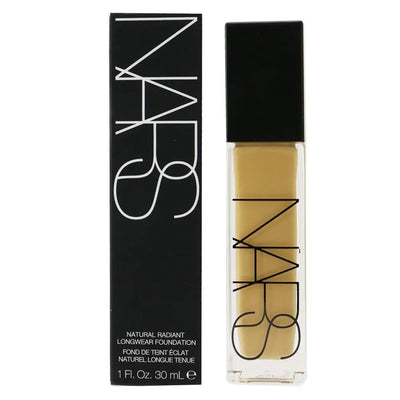
Choose a foundation shade that matches your jawline and undertone. Test a swatch about 1 inch (2.5 cm) along the jawline.
Blend from the Center Outward
Blend foundation from the center of the face toward the hairline and jaw. The center usually needs more coverage than the outer face.
Use pressing or stippling motions around pores and nose creases. Repeated rubbing can move skincare and create patchiness.
Blend lightly into the jawline. Do not drag a thick layer onto the neck when the shade already matches correctly.
Build Coverage Only Where Needed
Add a second thin layer over redness, pigmentation, or blemishes that remain visible. Leave clear areas with the first layer only.
How to apply base makeup naturally depends on showing some real skin texture. Full opacity across every area can look heavier in daylight.
Which Tool Gives the Smoothest Base Makeup?
A damp sponge gives lighter coverage, a brush gives more coverage, and fingers work well with flexible skin tints. Tool choice changes finish and product amount.
Use a Damp Sponge for Lighter Coverage
Dampen a makeup sponge, then squeeze out excess water before use. The sponge should feel soft and damp, not dripping.
Press foundation into the skin instead of wiping. Users repeatedly report smoother results from pouncing rather than swiping.
A damp sponge also helps soften excess foundation around the nose, mouth, and chin. How to apply base makeup also depends on controlled tool pressure. Keep the sponge clean between uses.
Use a Brush for More Coverage
Use a dense foundation brush when you want medium or fuller coverage. Spread a thin layer first, then press or buff lightly.
A brush can distribute pigment efficiently without absorbing much product. Avoid aggressive circular buffing over flaky or inflamed skin.
Finish with a damp sponge when brush marks remain. The sponge can press visible streaks into a more even layer.
Use Fingers for Skin Tints and Flexible Formulas
Use clean fingers for skin tints, tinted moisturizers, and some serum foundations. Finger warmth can help flexible formulas spread quickly.
Press the product after spreading to reduce streaks. Switch to a sponge when the finish looks uneven.
How to Apply Concealer After Foundation
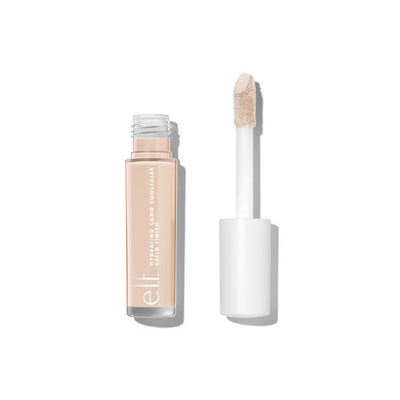
To apply concealer after foundation, place small amounts only where foundation leaves darkness, redness, or blemishes visible. How to apply base makeup efficiently means avoiding duplicate coverage.
Conceal Under-Eye Darkness
Use 1–3 small dots under each eye instead of a thick triangle. Place concealer mainly where darkness looks strongest.
Choose a close skin-tone match for natural correction. Use a slightly brighter shade only when you intentionally want a highlighted effect.
Avoid heavy foundation directly under the eyes when concealer already provides enough coverage. Fewer layers reduce visible creasing.
Spot-Conceal Blemishes
Use a small brush or fingertip to place concealer directly over a blemish. Match the concealer closely to your foundation shade.
Tap the edges without removing the center coverage. Powder only after the concealer looks even.
Prevent Under-Eye Creasing
Use less concealer around fine lines. Let a thin layer settle briefly, then tap away product that collects inside creases.
Set only the areas that crease. How to apply base makeup under the eyes requires less product. Heavy powder can make natural lines look more obvious.
How to Set Base Makeup Without Looking Powdery

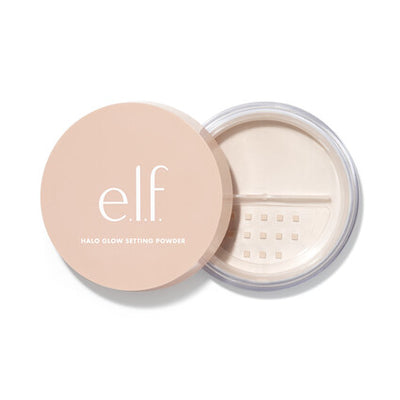
To set base makeup without looking powdery, apply finely milled powder only where makeup moves or shines. Use a small amount. How to apply base makeup does not require baking the whole face.
Powder the T-Zone First
Start with the forehead, nose, and chin when those areas become oily. Add powder under the eyes only when concealer creases.
Leave naturally dry cheeks with little or no powder. Selective powder keeps the face from looking flat.
The Khayest setting powder range includes loose, pressed, translucent, mattifying, and blurring formulas.
Press Powder Instead of Sweeping
Press powder with a puff or small brush over areas that need stronger setting. Pressing reduces foundation movement underneath.
Use a fluffy brush for a lighter veil. Tap excess powder off the brush before touching the face.
Use Setting Spray After Powder
Mist setting spray after powder, blush, and bronzer. Hold the bottle at the distance listed on the product label.
Let the mist dry without rubbing the face. Setting spray can soften an overly powdery appearance and improve makeup cohesion.
How to Apply Base Makeup for Dry Skin
To apply base makeup for dry skin, focus on hydration, flexible foundation, minimal powder, and pressing motions. How to apply base makeup changes when flakes appear easily.
Use moisturizer on dry areas and allow several minutes for absorption. Choose natural, satin, radiant, or hydrating foundation instead of extreme matte formulas.
Apply foundation with a damp sponge or gentle brush. Build coverage with concealer rather than adding repeated full-face layers.
Powder only where makeup creases. Use a small amount under the eyes or around the nose when necessary.
Do not scrub flaky skin immediately before makeup. Treat persistent dryness through regular skincare instead of emergency friction.
How to Apply Base Makeup for Oily Skin
To apply base makeup for oily skin, use lightweight hydration, targeted mattifying primer, thin long-wear foundation, and controlled powder. How to apply base makeup should control oil without creating thickness.
Apply mattifying primer mainly on the T-zone. Keep dry or normal areas free from unnecessary oil-control layers.
Set the nose, forehead, and chin with a light powder layer. Blot oil before adding more powder during the day.
Choose a long-wear or soft-matte foundation when oil breaks makeup apart quickly. Test wear for 6–8 hours before judging performance.
How to Apply Base Makeup for Textured or Acne-Prone Skin
To apply base makeup for textured or acne-prone skin, use thin layers and spot coverage. Avoid trying to erase every texture change. How to apply base makeup cannot remove real pores or raised blemishes.
Use non-comedogenic complexion products when acne develops easily. Avoid heavy rubbing across inflamed pimples.
Press foundation around pores with a sponge or dense brush. Apply concealer directly to individual marks instead of thickening the entire base.
Real skin keeps visible texture under makeup. Harsh overhead lighting also makes pores and fine lines look stronger.
How Do You Stop Foundation Separating Around the Nose?
Use less product around the nose, control excess oil underneath, and press the foundation into place. Separation often starts where skin moves or produces more oil.
Apply a thin primer layer only when the area benefits from primer. Let primer set before foundation.
Use leftover foundation from your sponge or brush rather than adding a fresh pump to the nose. Thin coverage resists buildup inside creases.
Blot the area before touch-ups. How to apply base makeup around the nose depends on reducing buildup. Add powder only after removing surface oil.
How Do You Stop Base Makeup Looking Flaky or Cakey?
Reduce product layers, improve hydration, and remove excess foundation with a damp sponge. How to apply base makeup smoothly depends on skin condition and product amount.
Press a clean damp sponge over cakey areas without adding more foundation. The sponge can lift excess product and soften visible edges.
Avoid piling powder over flakes. Add a light hydrating mist when the finish looks overly dry.
Use concealer for targeted blemishes instead of building more foundation everywhere. Fix chronic flaking through regular skincare.
Do Primer and Foundation Need Matching Formulas?
Primer and foundation need compatible texture and layering, but simple water-versus-silicone rules do not predict every result. Product formulas contain multiple ingredients.
Use thin skincare and primer layers first. Let each layer settle before adding foundation.
Pilling often increases when you rub too much product across partially set skincare. Pressing can work better than repeated rubbing.
Test a new primer and foundation together before an event. Change one product at a time when the combination separates.
How to Add Blush and Bronzer After Base Makeup
To add blush and bronzer after base makeup, use small amounts to restore warmth and dimension after complexion coverage. How to apply base makeup should not leave the face flat.
Apply bronzer around the temples, upper forehead, and cheek perimeter for warmth. Keep placement soft rather than drawing harsh stripes.
Apply blush to the upper cheek area and blend outward. Start with very little product because strong blush builds quickly.
Use cream blush and bronzer before heavy powder. Use powder blush and bronzer comfortably after setting powder.
Blend each color edge into the base. A clean brush can soften blush when the first application looks too strong.
How to Make Base Makeup Last in Heat and Humidity
To make base makeup last in heat and humidity, use thin layers, selective powder, blotting, and setting spray. How to apply base makeup in Pakistan also requires sweat and oil control.
Use lightweight skincare under daytime makeup. Heavy creams can increase slipping for some skin types in humid weather.
Press powder onto the T-zone after foundation and concealer. Carry blotting sheets for midday shine.
Avoid adding fresh foundation directly over sweat. Blot first, then touch up only the missing areas.
A long-wear formula can help during events, workdays, and outdoor routines. How to apply base makeup for long wear requires full-routine testing. Test the complete routine before an important occasion.
How Can You Apply Base Makeup Quickly?
Use the table to keep a beginner base routine efficient and controlled.
|
Task |
Timing |
Method |
Difficulty |
|
Prep skin |
5–10 minutes before |
Moisturize and apply daytime sunscreen |
Easy |
|
Prime problem areas |
30–60 seconds |
Press a thin primer layer where needed |
Easy |
|
Correct discoloration |
30–60 seconds |
Tap a tiny amount over strong redness or darkness |
Moderate |
|
Apply foundation |
1–2 minutes |
Blend a thin layer from center outward |
Easy |
|
Add concealer |
30–60 seconds |
Spot-cover under-eyes and blemishes |
Easy |
|
Set oily areas |
30 seconds |
Press powder onto T-zone and creases |
Easy |
|
Add dimension |
1–2 minutes |
Blend blush and bronzer softly |
Easy |
|
Finish base |
10–20 seconds |
Mist setting spray and let dry |
Easy |
How to apply base makeup becomes faster when you stop correcting the same area with multiple thick layers.
What Are the 5 Most Common Base Makeup Questions?
Should foundation or concealer go first?
Foundation usually goes first. Foundation evens larger areas, so you can use less concealer afterward. Spot correction can go before foundation when needed.
Do you need primer every time?
No. Use primer when you need pore smoothing, extra grip, hydration, or oil control. Good skincare can provide enough preparation for simple routines.
Is a sponge better than a brush?
Neither tool wins for every foundation. A damp sponge usually gives lighter coverage, while a dense brush usually preserves more coverage.
Why does foundation look worse after adding powder?
Too much powder can emphasize dryness and texture. Powder only the areas that crease, shine, or need stronger setting.
Can base makeup look completely poreless in real life?
No. Makeup can reduce the appearance of pores, but normal skin texture remains visible under real lighting.
What Should You Do After Finishing Your Base?
Check the base in natural light, soften any heavy areas, and let the final setting spray dry. How to apply base makeup successfully means balancing coverage with visible skin texture. Keep foundation thin, conceal only where needed, and powder by zone. Browse the Khayest makeup base collection for original complexion products in Pakistan. Compare primers, foundations, concealers, powders, BB creams, CC creams, and setting products.