
What Is Color Corrector?
Wondering what is color corrector and why people use green, peach or orange makeup on their skin? A color corrector is a makeup product designed to neutralise visible discolouration before concealer or foundation. Different shades target concerns such as dark circles, redness, dark spots and dull-looking skin for a more even base.
What Is Color Corrector?
 A color corrector is a targeted makeup product that helps balance unwanted tones in your complexion. Instead of simply covering an area with a skin-coloured product, it uses colour theory to visually neutralise the discolouration underneath.
For example, green can help balance visible redness, while peach and orange tones are commonly used over blue, purple or brown-looking darkness.
Correctors are especially useful when regular foundation or concealer struggles to cover strong discolouration. By correcting the underlying tone first, you may be able to use a lighter layer of complexion makeup over it.
However, you do not need to colour correct every part of your face. It works best as a targeted step.
What Does Color Corrector Do?
The main purpose of color correcting makeup is to neutralise visible differences in colour.
It can be used for concerns such as dark under-eyes, redness around the nose, acne-related redness, hyperpigmentation and areas that look dull compared with the rest of your complexion.
The aim is not to make the green, peach or orange corrector visible when your makeup is finished. Instead, the corrector should soften the unwanted tone so that concealer or foundation can create a more even-looking result.
How Does Color Corrector Work?
Color corrector works through basic colour theory.
Colours positioned opposite one another on a traditional colour wheel can visually neutralise each other when used carefully. This is why green is associated with correcting red tones, while peach and orange are commonly used against blue or purple-looking darkness.
The key word is carefully.
If you use too much corrector, the corrective colour itself may become visible through your concealer or foundation.
How Does Colour Theory Work in Makeup?
Understanding colour theory makes what is color corrector much easier to understand.
Imagine that you have noticeable redness around your nose. Simply adding more foundation may cover some of it, but strong redness can still show through.
A small amount of green corrector can reduce the appearance of that red tone before foundation is applied.
Likewise, blue-purple shadows under the eyes can sometimes make concealer look grey. A suitable peach or orange tone underneath can help balance that darkness first.
Why Do Opposite Colours Neutralise Each Other?
Colour correcting relies on complementary colours.
The exact shade you need depends on both the colour of the concern and your skin depth.
Common pairings include:
- Green to help neutralise visible red tones.
- Peach or orange to help balance blue, purple or brown-looking darkness.
- Yellow or lavender for selected dull, purple or yellow-looking areas, depending on the complexion.
This does not mean everyone with dark circles needs the same orange corrector. Shade depth matters just as much as colour family.
What Do Different Color Correctors Do?
Walking past a range of colourful correctors can feel confusing. Green, orange, peach and yellow do not look like normal complexion makeup, so beginners often wonder why anyone would deliberately apply them.
Each shade has a different purpose.
What Does Green Color Corrector Do?
A green color corrector is mainly used to reduce the visible appearance of redness.
You may apply it over a red blemish, around the sides of the nose or on another targeted red area.
The mistake beginners often make is applying a thick green layer. You only need enough to soften the redness.
If the skin looks obviously green after blending, you may have used more than necessary.
What Does Peach Color Corrector Do?
A peach color corrector is commonly used for under-eye darkness and other blue or purple-looking discolouration.
Peach can be particularly useful for lighter to medium complexions, although the best shade always depends on the individual.
Instead of covering the whole under-eye with a thick layer, focus the corrector where darkness is strongest.
What Does Orange Color Corrector Do?
Orange performs a similar role to peach but offers greater depth.
An orange color corrector can work well on deeper complexions and more noticeable dark circles, pigmentation or dark spots.
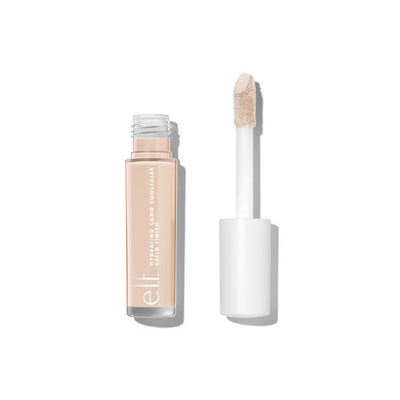
For example, the ELF Camo Color Corrector at Khayest is available in several corrective shades, including orange, peach, green, yellow and blue. This makes it easier to choose a targeted shade rather than using the same corrector for every concern.
What Does Yellow Color Corrector Do?
Yellow corrector can help balance certain purple-looking tones and add brightness to areas that appear dull.
However, your natural undertone and skin depth matter.
A yellow corrector that blends naturally on one complexion may look too noticeable on another. Start with a very small amount and judge the result before adding more.
What Does Purple Color Corrector Do?
Purple or lavender corrector is generally used to balance areas that appear overly yellow or sallow.
It is usually not the first corrector someone needs for everyday dark circles or red blemishes. However, it can be useful when dull or yellow-looking areas are the specific concern.
Which Color Corrector Should You Use for Your Skin Concern?
Choosing a color corrector starts with identifying the colour you actually want to neutralise.
Do not choose a shade because it is popular online. Look closely at the discolouration in natural light.
Color Corrector for Dark Circles
Dark circles can appear blue, purple, brown or a combination of tones.
Peach and orange correctors are popular choices because they help balance this type of darkness.
The depth of your corrector matters. A very pale peach may not provide enough correction for deeper pigmentation, while a strong orange may look too obvious on very fair skin.
The Huda Beauty FAUXFILTER Color Corrector available at Khayest comes in multiple corrective shades, including lighter peach and deeper orange-toned options. This makes shade selection easier across different complexions.
Color Corrector for Redness and Acne
Green is the colour most commonly associated with correcting visible redness.
Apply a tiny amount directly over the red area and blend the edges. Then apply your normal complexion product over it.
Remember that a corrector only changes the visible colour. It does not treat acne or another underlying skin condition.
Color Corrector for Hyperpigmentation and Dark Spots
Peach or orange tones can also be useful over dark spots and hyperpigmentation, depending on your complexion and the colour of the pigmentation.
Use the corrector only on the darker area rather than covering the entire face.
After blending, apply a skin-matching concealer or foundation gently over the top.
Color Corrector for Dull or Sallow Skin
If the issue is dullness rather than a distinct dark spot, yellow, pink or lavender-toned correction may be useful depending on the colour you want to balance.
The aim should still be subtle.
Color correction should make your complexion products work more effectively, not leave an obvious coloured layer underneath them.
Does Your Skin Tone Affect Which Color Corrector You Need?
Yes. This is one of the most important parts of understanding what is color corrector.
Two people may both have dark circles but need different shades.
The colour of the discolouration matters, but your skin depth also affects how strong the corrector should be.
Color Corrector for Fair and Light Skin
Fair and light complexions often need softer corrective shades.
A light peach may work better for under-eye darkness than a deep orange because a strong orange can require much more concealer to cover.
For redness, a small amount of soft green may be enough.
Color Corrector for Medium Skin
Medium complexions may suit peach, deeper peach or soft orange shades for dark circles and pigmentation.
Again, there is no single universal shade.
Look at both the depth of your complexion and how dark the discolouration appears.
Color Corrector for Deep Skin
Deeper skin tones may benefit from richer orange, red-orange or similarly deep corrective tones for noticeable pigmentation and dark under-eyes.
Using a corrector that is too pale can sometimes leave the area looking grey or ashy after concealer.
This is why selecting the correct depth is as important as selecting the correct colour family.
Color Corrector vs Concealer: What Is the Difference?
A color corrector and concealer are not the same product, even though both can make the complexion look more even.
Color corrector neutralises an unwanted tone.
Concealer provides coverage in a shade designed to blend with your complexion or brighten a particular area.
Think of corrector as the colour-balancing step and concealer as the coverage step.
Can Color Corrector Replace Concealer?
Sometimes you can wear a very subtle corrector without concealer, particularly for light everyday makeup.
However, strongly coloured correctors are generally designed to sit underneath a complexion product.
If green or orange remains visible after blending, concealer or foundation helps bring the area back towards your natural skin tone.
Do You Need Both Color Corrector and Concealer?
Not everyone needs both.
If normal concealer already covers your dark circles or blemishes well, adding a corrector may simply create another unnecessary layer.
Color corrector becomes more useful when discolouration continues to show through your normal concealer.
Products such as the LA Girl HD Pro Concealer and Corrector at Khayest offer corrective shades including orange, yellow, lavender and green alongside skin-toned concealer shades.
Does Color Corrector Go Before or After Concealer?
In most makeup routines, color corrector goes before concealer.
Apply a small amount of corrector directly over the discolouration. Blend it carefully without spreading it much further than necessary.
Then apply your concealer over the corrected area.
Do not aggressively rub the concealer over the corrector. Patting or gently blending helps prevent the layer underneath from moving.
This order allows the corrector to neutralise the unwanted colour first while the concealer creates natural-looking coverage.
Does Color Corrector Go Before or After Foundation?
Color corrector is commonly applied before foundation, particularly when correcting strong discolouration.
A typical makeup order is:
- Skin prep
- Primer
- Color corrector
- Foundation
- Concealer
- Setting products
However, makeup routines are flexible.
Some people use a small amount of corrector, apply foundation, and then add concealer only where more coverage is required.
The important part is avoiding unnecessarily thick layers.
How to Apply Color Corrector Correctly
Knowing how to use color corrector can make the difference between natural-looking correction and makeup that appears heavy.
Begin with prepared skin. Apply moisturizer and daytime sun protection as needed. If you use primer, apply it before the corrector.
Then identify the exact area that needs correction.
How Much Color Corrector Should You Use?
Start with very little.
Color correctors are often highly pigmented, so you usually need less than you think.
Apply a tiny amount to the strongest area of discolouration and blend gently. Look at the result before adding another layer.
You are trying to soften the unwanted colour, not completely cover your skin with peach, orange or green makeup.
Should You Blend Color Corrector Before Concealer?
Yes. Blend the corrector before adding concealer.
However, avoid spreading it too far.
Keep most of the pigment where the discolouration is strongest and soften only the edges.
Once the corrector has settled, gently apply concealer or foundation on top instead of rubbing away the correction underneath.
Why Is My Color Corrector Not Working?
People sometimes try color correcting makeup and assume it does not work because their dark circles or redness remain visible.
Usually, there are several things worth checking first.
The shade may be wrong, the corrector may be too light or deep, or too much product may have been applied.
Why Does Color Corrector Look Grey or Ashy?
An ashy finish can happen when the corrective shade does not have enough depth for the complexion or discolouration.
This is especially important with under-eye darkness.
If a very light peach is used over deep pigmentation, the result may still appear grey after concealer.
Try a corrective shade better suited to your skin depth rather than simply applying more product.
Why Can You Still See Dark Circles After Color Correcting?
Not all under-eye darkness comes purely from pigmentation.
Natural facial structure, shadows, hollowness and lighting can also make the under-eye area look darker.
A color corrector for dark circles can neutralise visible colour, but it cannot change facial structure.
This is an important reason to keep expectations realistic.
Why Does Green Corrector Show Through Foundation?
You may be applying too much.
Green corrector should soften redness rather than turn the skin visibly green.
If the green remains obvious after foundation, reduce the amount and keep it concentrated on the red area.
Can You Use Color Corrector Without Foundation?
 Yes, depending on the shade and how subtly it blends into your complexion.
A light peach corrector may blend naturally enough for a minimal makeup look on some people.
A vivid green or deep orange shade is more likely to need concealer or another complexion product over it.
If you want to skip foundation, try applying only a tiny amount of corrector and follow with skin-matching concealer where required.
Are Color Correctors Worth It?
A color corrector can be worth adding to your makeup routine when you have visible discolouration that foundation or concealer alone struggles to balance.
It may be less useful if your normal concealer already provides the result you want.
Consider colour correction when:
- Dark circles continue showing through concealer.
- Red blemishes remain noticeable after foundation.
- Hyperpigmentation makes you apply very heavy layers of complexion makeup.
In these situations, targeted correction can sometimes help you achieve the desired result without piling on more foundation.
Do Beginners Need a Full Color Correcting Palette?
Usually, no.
If your only concern is under-eye darkness, you may only need a peach or orange corrector.
Likewise, someone mainly concerned about redness may only need green.
A multi-shade palette becomes more useful when you regularly correct several different types of discolouration or enjoy experimenting with makeup.
Common Color Correcting Mistakes
One of the biggest mistakes is using too much product.
Another is choosing a corrective shade without considering skin depth. A colour can be theoretically correct but still be too light or deep for your complexion.
Applying heavy foundation immediately afterwards can also disturb the corrector.
Finally, do not expect corrector to solve concerns unrelated to colour. It can visually balance pigmentation and redness, but it cannot remove skin texture, change facial structure or treat the underlying cause of a skin concern.
Use it for what it does best: targeted colour correction.
FAQs
What Is Color Corrector Used For?
A color corrector is used to neutralise visible discolouration before foundation or concealer. Different shades can target concerns such as redness, dark circles, dark spots and dull-looking areas.
Which Color Corrector Is Best for Dark Circles?
Peach and orange are commonly used for dark circles. Lighter complexions may prefer softer peach tones, while deeper orange shades can work better for medium-to-deep complexions and stronger pigmentation.
What Color Corrector Covers Redness?
Green corrector is commonly used to balance visible redness. Apply a small amount only where redness appears rather than covering the whole face.
Do You Put Color Corrector Before Concealer?
Yes. Color corrector is generally applied before concealer. Blend a thin layer over the discolouration, then gently apply concealer on top to create a natural skin-toned finish.
Can Color Corrector Make Makeup Cakey?
Using too much corrector can contribute to a heavy or cakey base, especially when it is followed by thick layers of foundation and concealer. Start with a very small amount and build only when needed.
Conclusion
So, what is color corrector? It is a targeted makeup product that uses colour theory to help neutralise visible discolouration before concealer or foundation.
Green is commonly used for redness, while peach and orange shades can help balance dark circles, pigmentation and blue-purple tones. Yellow and lavender correctors also have specific uses for certain areas of dullness and uneven colour.
However, successful colour correction is not simply about memorising which colour cancels another. Your skin tone, skin depth, type of discolouration and amount of product all matter.
Start with a tiny amount. Keep the corrector on the area that actually needs it, blend the edges and then apply your complexion product gently over the top.
You also do not need a full rainbow of correctors just because they exist. Choose the shade that addresses your real makeup concern.
Ready to make targeted correction part of your routine? Explore color correctors and concealers at Khayest and find formulas for dark circles, redness, pigmentation and a smoother-looking makeup base.