
What to Apply First Moisturizer or Primer?
Wondering what to apply first moisturizer or primer? Moisturizer should normally go first, followed by sunscreen during the day and then primer. Moisturizer hydrates and supports your skin, while primer prepares the surface for makeup. Getting this order right can help foundation look smoother and reduce common problems such as pilling, patchiness and excess texture.
What to Apply First Moisturizer or Primer?
If you are confused about what to apply first moisturizer or primer, the simple answer is moisturizer first and primer second.
These products perform different jobs.
Moisturizer belongs to your skincare routine. It helps hydrate the skin and maintain a comfortable skin barrier. Primer, on the other hand, is primarily a makeup-preparation product. Depending on its formula, it may smooth visible pores, reduce shine, add hydration or help foundation grip.
This is why skincare normally comes before primer.
During the daytime, there is another important step between them: sunscreen.
A simple order looks like this:
- Cleanser
- Toner/Serum
- Moisturizer
- Sunscreen
- Primer
- Foundation
You do not need every step in every routine. However, understanding where each product belongs makes layering much easier.
Why Does Moisturizer Go Before Primer?
 The easiest way to understand moisturizer before primer is to think about the purpose of each product.
Moisturizer works as skincare. Primer works as makeup preparation.
Your skincare should generally be completed before you start applying makeup. Once your moisturizer and daytime sunscreen have settled, primer can create the finish you want for foundation.
For example, someone with oily skin might use a lightweight moisturizer followed by a mattifying primer around the T-zone. Someone with dry skin might use a richer moisturizer and then a hydrating or smoothing primer.
Applying moisturizer first also means you are not trying to work skincare underneath a layer of makeup primer.
What Is the Difference Between Moisturizer and Primer?
Although some modern products offer overlapping benefits, moisturizer and primer are not the same thing.
Moisturizer is designed mainly to support hydration and skin comfort. Different moisturizers may contain humectants, emollients and other skincare ingredients.
Primer is designed mainly to prepare your complexion for makeup.
A primer may:
- Smooth the appearance of pores and texture
- Reduce visible shine
- Add a fresh or hydrated finish
- Create a tacky surface for foundation
- Help makeup apply more evenly
Some hydrating primers can feel similar to moisturizers. However, that does not automatically mean they perform the same role in your routine.
What Is the Correct Skincare and Makeup Order?
Knowing the complete skincare before makeup order is more useful than understanding only primer and moisturizer.
The exact products you use can vary, but the basic idea is to complete skincare before moving to makeup.
Step 1: Cleanser
Start with clean skin.
Cleansing removes excess oil, sweat and residue that could interfere with your skincare and makeup.
Use a cleanser suitable for your skin rather than trying to make your face feel extremely dry before makeup.
Step 2: Toner and Serum
If toner or serum is part of your routine, use it before moisturizer.
Keep your morning routine practical. Applying too many layers immediately before makeup can sometimes make your base feel heavy.
Allow lightweight skincare products to settle before moving to thicker layers.
Step 3: Moisturizer
Next comes moisturizer.
Choose a texture according to your skin. Dry skin may prefer a richer formula, while oily skin often feels more comfortable with a lightweight moisturizer.
For example, the I’m From Rice Cream 50g available at Khayest can be used as the moisturizing step of a skincare routine before moving on to daytime sun protection and makeup.
Apply enough to comfortably moisturize your face without creating an unnecessarily thick layer.
Step 4: Sunscreen
During the day, sunscreen should come after moisturizer and before makeup primer.
Apply an appropriate broad-spectrum sunscreen according to its directions and give it time to form an even layer.
Do not mix your primer directly into sunscreen in an attempt to save time. It is better to apply sun protection properly and then move on to makeup.
Step 5: Primer
Once your skincare and sunscreen have settled, apply primer.
You can apply it across your face or only to areas that need it.
For instance, you might apply mattifying primer around an oily T-zone or smoothing primer where pores are more visible.
Step 6: Foundation
Foundation comes after primer.
Apply it in thin layers and build coverage only where necessary. This can help your complexion look more natural and reduce product build-up.
Does Sunscreen Go Before or After Primer?
Sunscreen generally goes before primer.
This is because sunscreen is part of your daytime skincare and sun-protection routine, while primer is part of makeup preparation.
Therefore, your basic daytime order should be:
- Moisturizer
- Sunscreen
- Primer
- Foundation
If you need daytime sun protection before makeup, Khayest carries options such as the Beauty of Joseon Relief Sun Rice + Probiotics SPF50+ PA++++, which fits into the sunscreen stage before primer.
Apply sunscreen according to its directions and avoid relying on primer or foundation as a replacement unless the product itself provides adequate labelled sun protection and is used as directed.
How Long Should You Wait After Moisturizer Before Primer?
There is no universal number of minutes that works for every moisturizer and primer.
Instead, pay attention to how your skin feels.
Your moisturizer should have had enough time to settle rather than remaining very wet or slippery on the surface.
If you immediately layer primer over a thick moisturizer, the products may move around instead of forming even layers.
You do not need to wait until your face feels completely dry either.
The aim is simply to allow each layer to settle before applying the next one.
How Long Should Primer Sit Before Foundation?
Just as moisturizer benefits from a little settling time, primer should not always be covered with foundation immediately.
Follow the directions for your specific primer.
A gripping primer may need a short period to develop its tacky texture, while a smoothing primer may settle more quickly.
Avoid aggressively rubbing foundation over freshly applied primer. This can disturb the layer underneath and may contribute to pilling.
Instead, apply foundation gently and build coverage gradually.
Do You Need Both Moisturizer and Primer?
Not necessarily.
Moisturizer and primer have different purposes, but primer is an optional makeup step.
If your moisturizer and sunscreen already leave your skin smooth and your foundation wears well, you may decide that primer does not add enough benefit.
However, primer can be helpful when you have a specific concern.
For example, you might want extra oil control, pore blurring or makeup grip.
The question should not be, “Does everyone need primer?” Instead, ask, “Does primer improve my makeup?”
Can Moisturizer Replace Primer?
Sometimes moisturizer can create a good enough makeup base that you do not feel the need for primer.
However, it does not technically become primer.
A moisturizer's main purpose is skin hydration, while primer is formulated to influence how makeup looks or wears.
If you have normal or dry skin and your foundation applies beautifully over moisturizer, you may be happy skipping primer.
On the other hand, if you want pore blurring, strong shine control or extra makeup grip, a dedicated primer may offer something your moisturizer does not.
Can Primer Replace Moisturizer?
A hydrating primer may feel moisturizing, but it should not automatically be treated as a complete replacement for your regular skincare.
If your skin benefits from moisturizer, apply it before primer.
This is especially important for dry skin, where skipping skincare and relying only on primer may leave foundation looking less comfortable.
However, skincare routines are individual. If a product is specifically formulated and labelled to provide the hydration your skin needs, follow its directions and adjust your routine accordingly.
Can Sunscreen Replace Moisturizer Before Primer?
Sometimes a sunscreen formula may feel moisturizing enough for certain skin types.
Whether you need a separate moisturizer underneath depends on your skin and the sunscreen formula.
Someone with oily skin may find that moisturizer plus a rich sunscreen feels too heavy. Someone with dry skin may still need both.
What should not change is the order: if you use moisturizer, it goes before sunscreen. Primer then comes after your daytime skincare.
What Does Skin Prep Before Makeup Actually Mean?
“Skin prep” does not mean applying as many products as possible.
It means getting your skin comfortable and ready for makeup.
Good skin prep before makeup may be as simple as cleansing, moisturizing and applying sunscreen during the day.
The exact routine depends on your skin.
Dry skin may benefit from more hydration, while oily skin may need lightweight layers.
The goal is balanced skin that allows foundation to sit evenly rather than a face covered with multiple unnecessary products.
Should Oily Skin Use Moisturizer Before Primer?
Yes. Having oily skin does not automatically mean moisturizer should be skipped.
Oil and hydration are not exactly the same thing.
Choose a lightweight moisturizer that feels comfortable on oily skin and give it time to settle before sunscreen and primer.
Then use mattifying primer mainly where oil appears.
For example, your forehead, nose and chin may need stronger oil control than your cheeks.
Using products strategically can prevent your makeup from feeling unnecessarily heavy.
Should Dry Skin Use Moisturizer Before Primer?
Yes. Moisturizer is particularly important when foundation tends to highlight flaky or dry areas.
Apply your moisturizer first and allow it to settle.
Then choose a primer according to your makeup needs.
A hydrating or smoothing formula may feel more comfortable than a strong mattifying product.
If makeup still looks flaky, adding more primer is not always the answer. You may need to reconsider your skincare, foundation formula or the amount of powder you use.
What About Combination Skin?
Combination skin often needs a more targeted approach.
Your T-zone may become oily while your cheeks remain normal or dry.
Apply moisturizer across your face according to your skin's needs. After sunscreen, use primer strategically.
A mattifying primer may be useful around the forehead and nose, while dry areas may need little or no mattifying product.
You can also choose a balanced primer instead of using several different products.
Should Mature Skin Use Moisturizer Before Primer?
Mature skin can experience dryness and visible texture, so comfortable hydration can be important before makeup.
Apply moisturizer first and allow it to settle.
If you use primer, choose it according to the result you want. A smoothing or hydrating formula may help foundation look more even without creating an overly dry finish.
Avoid assuming that more primer means smoother skin.
Thin layers are usually easier to work with than thick product build-up.
Which Primer Should You Use After Moisturizer?
The right primer depends on what you want to achieve.
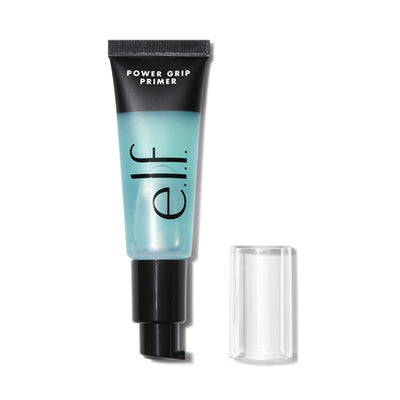
If you want makeup to adhere to the skin, a gripping formula can be useful. The e.l.f. Power Grip Primer + 4% Niacinamide available at Khayest has a gel-style gripping texture designed to prepare the skin and help makeup adhere.
For oily skin, a mattifying primer may be more suitable. For visible pores, consider a smoothing or blurring formula.
The key is choosing primer based on your concern rather than simply adding another layer to your routine.
Why Does Primer Pill Over Moisturizer?
Pilling happens when products roll into small flakes or balls on the skin.
It can occur when you apply too much product, use several layers, rub the skin repeatedly or apply the next step before the previous one has settled.
If your moisturizer and primer pill together, try simplifying your routine.
Use less moisturizer and less primer. Give the moisturizer time to settle, then gently apply primer rather than rubbing it continuously.
If the problem continues, the two formulas may simply not layer well in your routine.
Why Does Foundation Look Flaky After Moisturizer and Primer?
Flaky foundation can happen even when you use moisturizer.
Your skin may still have dry areas, or your primer may be too mattifying for those areas.
Heavy powder can make the effect even more obvious.
Rather than adding thicker layers, use less.
Prepare dry areas with suitable skincare, apply primer only where it provides a benefit and use thin layers of foundation.
This often looks smoother than trying to cover texture with more makeup.
Why Does Makeup Look Textured Even After Skin Prep?
Real skin has texture. Primer can soften its appearance, but it cannot make pores, fine lines or raised areas disappear.
Using too much skincare before makeup can sometimes make texture more noticeable because foundation is sitting over several thick layers.
Likewise, too much primer can build up around pores and dry areas.
A simpler makeup routine order often works better.
Focus on hydration where needed, sun protection during the day and a thin layer of primer only where it improves the finished look.
How Much Moisturizer and Primer Should You Apply?
The right moisturizer amount depends on the product and your skin, so follow its directions.
For primer, you usually need only a thin layer.
You do not need to make your face feel coated.
If you are using primer only for visible pores, apply a small amount to those areas. If your T-zone becomes oily, focus a mattifying formula there.
Using targeted amounts can help prevent your base from becoming heavy.
Can You Wear Moisturizer and Primer Without Foundation?
 Yes.
Yes.
You do not have to apply foundation just because you have used primer.
A blurring primer can give bare skin a smoother appearance, while a mattifying primer may reduce visible shine.
Similarly, a hydrating or gripping primer may create a fresh-looking finish.
Just remember that primer is not generally designed to provide the same coverage as foundation.
During the daytime, you should still consider appropriate sun protection rather than treating primer as a substitute for sunscreen.
Frequently Asked Questions
What to apply first moisturizer or primer?
Apply moisturizer first and primer afterwards. During the day, sunscreen normally goes between them, making the basic order moisturizer → sunscreen → primer → foundation.
Do you have to wait between moisturizer and primer?
It is helpful to allow moisturizer to settle before applying primer. There is no single waiting time for every formula. Your skin should not feel extremely wet or slippery when you move to the next step.
Can I skip primer after moisturizer?
Yes. Primer is optional. If your skincare already creates a smooth base and your foundation performs well, you may not need primer. Use it when you want a specific benefit such as blurring, mattifying or makeup grip.
Should oily skin moisturize before primer?
Yes. Oily skin can still benefit from suitable hydration. Choose a lightweight moisturizer, apply sunscreen during the day and then use mattifying primer mainly on oily areas if needed.
Does sunscreen go before primer?
Yes. Sunscreen is generally the final daytime skincare step, while primer is part of makeup preparation. Therefore, sunscreen goes before primer and foundation.
Conclusion
So, what to apply first moisturizer or primer? In most makeup routines, moisturizer comes first. During the day, apply sunscreen after moisturizer and then move on to primer and foundation.
The basic moisturizer and primer order is easy to remember: complete your skincare first and start your makeup preparation afterwards.
However, you do not need to overload your face with products. Primer is optional. If your moisturizer and sunscreen already create a smooth base, you may find that foundation applies well without it.
If you do use primer, choose it according to your skin and makeup goals. Oily skin may prefer mattifying formulas, dry skin may benefit from hydrating options, and visible pores can be softened with a blurring primer. Gripping primers are useful when makeup longevity is the main concern.
Most importantly, use sensible amounts and allow your layers to settle. This can help reduce pilling, flaking and heavy-looking makeup.
Ready to build a smoother skincare and makeup routine? Explore moisturizers, sunscreens and makeup primers at Khayest to create a skin-prep routine that suits your skin type and helps your makeup look fresh, comfortable and beautifully balanced.