
How Much Primer Should I Use?
Wondering how much primer should I use before makeup? Start with a small amount, roughly pea-sized for the face, and adjust based on the formula and areas you want to target. Using more primer does not always create smoother makeup. In fact, a thin, even layer often gives foundation a better base.
How Much Primer Should I Use?
If you are asking how much primer should I use, there is no single measurement that works perfectly for every face and every formula. However, a pea-sized amount is a useful starting point for many face primers.
The goal is not to create a thick, visible layer. Primer should form a light base between your skincare and makeup.
You may need even less if you only apply primer around your nose, forehead or other targeted areas. On the other hand, a very lightweight primer may spread differently from a thick pore-filling formula.
Therefore, think of the pea-sized rule as a starting point rather than a strict measurement.
Your primer amount should depend on its texture, your skin, your face and where you actually need the product.
Is a Pea-Sized Amount of Primer Enough?
For many formulas, yes. A pea-sized amount can be enough to create a thin layer across the face.
However, you do not need to measure primer exactly every morning.
Start small and see how far the product spreads. If your primer covers the areas you want without leaving your skin heavily coated, you probably have enough.
Using two or three times as much will not necessarily make your foundation last two or three times longer.
Does Everyone Need the Same Amount of Primer?
No. The correct amount of makeup primer varies.
A person applying primer only to the nose may need far less than someone using a lightweight gripping primer across the whole face.
The product texture matters too. A rich smoothing primer and a fluid gel primer do not spread in exactly the same way.
Your goal should always be an even, controlled layer rather than following an exact amount that does not suit your product.
Should You Apply Primer to Your Whole Face?
 Not necessarily.
One of the most common primer mistakes is assuming that the entire face needs the same product and the same amount.
Think about why you are using primer.
If your only concern is visible pores around your nose, apply a pore-focused primer there. If your forehead becomes shiny, you may only need mattifying primer across your T-zone.
However, if you are using a gripping primer because you want foundation to adhere evenly across your complexion, full-face application may make more sense.
Where Should You Apply Primer?
Primer can be applied according to your makeup concerns rather than automatically covering every centimetre of your face.
Common areas include:
- The nose and surrounding areas when pores appear more visible.
- The forehead, nose and chin when excess shine is a concern.
- Areas where foundation tends to fade, separate or struggle to stay in place.
Targeted application also helps you control how much primer to use. Instead of adding unnecessary layers everywhere, you place the product where it offers a clear benefit.
Can You Apply Primer Only to Your T-Zone?
Yes. This can be especially useful for oily or combination skin.
The forehead, nose and chin often become shinier than the cheeks. Applying a mattifying primer only to these areas may provide the finish you want without making normal or dry areas feel overly matte.
For example, Maybelline Fit Me Matte + Poreless Face Primer 30ml from Khayest is designed for normal to oily skin and provides a matte, pore-minimising base. A small amount can be focused on areas where shine and visible pores are the main concern.
How Much Primer to Use for Different Skin Types
Your skin type can influence both the primer formula you choose and where you apply it.
The basic rule remains the same: start with a small amount.
You can always add a tiny amount to another area if necessary. Removing an overly thick layer after it has started mixing with your skincare is much more difficult.
How Much Primer Should I Use for Oily Skin?
Oily skin does not automatically need more primer.
In fact, applying a thick coat of mattifying primer can make your base feel heavy.
Start with a small amount and concentrate it where oil tends to appear first. For many people, this means the forehead, sides of the nose, centre of the face and chin.
If your cheeks remain balanced, you may not need mattifying primer there.
Also, do not use primer as a replacement for suitable skincare. Complete your normal skin preparation first, allow it to settle, and then apply your makeup primer.
How Much Primer Should I Use for Dry Skin?
Dry skin also benefits from a thin layer.
If you are using a hydrating primer, spread a small amount gently across areas where foundation tends to look dry or uneven.
Do not assume that applying more primer will fix flaky makeup. If your skin is dehydrated or visibly flaky, skincare preparation may need attention first.
Too many layers can sometimes make dry foundation look even more textured.
How Much Primer Should I Use for Combination Skin?
Combination skin is a good example of why primer does not need to be applied equally everywhere.
You may have an oily nose and forehead but normal or dry cheeks.
Instead of covering the whole face with a strong mattifying primer, apply it mainly where you need oil control.
If another part of your face needs extra makeup grip or hydration, you can treat that area differently.
Does the Type of Primer Change How Much You Need?
Yes. How much primer should I use also depends on the formula.
Primers can be creamy, silky, gel-like, lightweight, tacky or thick. Their purposes can also vary.
This is why copying someone else's exact number of pumps may not work with your product.
How Much Mattifying Primer Should You Use?
With mattifying primer, less is often a sensible starting point.
Apply a light layer to areas that become oily rather than creating a thick mask.
You want to reduce unwanted shine while still allowing foundation to sit naturally on the skin.
If you notice dry-looking patches after foundation, check whether you are applying too much mattifying product or spreading it over areas that do not need oil control.
How Much Gripping Primer Should You Use?
Gripping primers are designed to create a base that helps makeup adhere.
Start with a thin, even layer. You do not need your face to feel covered in a thick coat of sticky product.
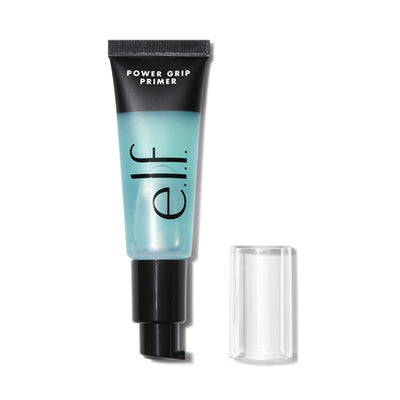
For example, ELF Power Grip Face Makeup Primer + 4% Niacinamide 24ml from Khayest has a gel texture designed to help makeup grip while creating a smooth base.
Apply it evenly to prepared skin and allow the product to settle according to its directions before moving on to foundation.
How Much Pore-Blurring Primer Should You Use?
Pore-focused primer often works best when applied only where visible pores or uneven texture bother you.
You may need only a very small amount around the nose and inner cheeks.
The Sheglam Pore No More Makeup Primer 30g available at Khayest is designed to create a smooth, blurred-looking base while helping control shine.
With this type of primer, focus on the areas that need smoothing instead of automatically applying a heavy layer across the whole face.
How Much Hydrating Primer Should You Use?
Hydrating primer may spread more easily than a thick pore-filling product, but that does not mean you need a large amount.
Start small and spread a light layer across the areas where you want extra hydration before makeup.
Remember that hydrating primer is not always a replacement for moisturizer. If moisturizer is part of your skincare routine, apply it first and let it settle.
What Happens If You Use Too Much Primer?
More primer does not mean better makeup.
In fact, excessive product can create another layer that your foundation has to sit on top of.
If that layer is too thick, your makeup may not behave the way you expect.
The exact result depends on your skincare, primer and foundation combination, but using less product is often one of the first things worth trying when your base does not look right.
Can Too Much Primer Make Foundation Look Cakey?
It can contribute to a heavy-looking base.
Foundation already adds another layer to the face. When it sits over thick skincare and excessive primer, the final result can begin to look built up.
If your makeup looks cakey, do not immediately add more primer next time.
Try reducing the amount and applying foundation in thinner layers.
Can Too Much Primer Cause Pilling?
Pilling is when products begin rolling into small flakes or balls on the skin.
Several things can contribute to it, including applying too much product, rubbing layers repeatedly or moving on before previous skincare has settled.
If you experience primer pilling, simplify your routine and reduce the amount of each layer.
A thin layer of primer is usually easier to work with than a thick one.
Can Too Much Primer Make Foundation Slide?
It can, particularly when there are already several skincare layers underneath.
If your foundation seems to move instead of settling, check the amount of moisturizer, sunscreen and primer you are using.
Your skin should feel prepared rather than coated.
What Happens If You Use Too Little Primer?
Using slightly less primer is usually easier to correct than using far too much.
If the product does not reach the areas you want to target, add a tiny amount rather than immediately doubling your application.
Remember that primer does not always need to cover every part of the face.
If you use pore primer around your nose and it successfully smooths that area, it has done its job even if your cheeks have no primer at all.
Likewise, a mattifying product does not need to reach dry areas simply because it is called a face primer.
How to Apply the Right Amount of Primer
Knowing how to apply primer is just as important as knowing the quantity.
Begin with skincare that suits your skin. During the day, sunscreen normally comes before makeup primer.
Allow those layers to settle. Then place a small amount of primer onto clean fingertips or use the application method recommended for your particular product.
Instead of immediately adding more, spread the first amount and assess the coverage.
A simple approach is:
- Start with less product and add only if necessary.
- Concentrate primer on areas where it solves a makeup concern.
- Keep the layer thin and allow it to set before foundation.
This prevents unnecessary build-up and can make it easier to see how much your particular primer actually requires.
Should You Apply Primer With Your Fingers?
Fingers are a simple option for many primers because they allow you to control the amount and placement.
Clean fingertips can also make it easier to press a pore-focused primer into small targeted areas.
However, always follow the directions for your product. Some people may prefer another makeup tool depending on the formula and finish they want.
Should You Rub or Press Primer Into Your Skin?
Application technique depends on the primer.
For a pore-blurring product, gently pressing or smoothing a small amount over visible pores may work better than aggressively rubbing it around.
A lightweight gel primer may be spread more evenly across a larger area.
Avoid repeatedly rubbing your face after several skincare layers. Too much movement can disturb the products underneath and may encourage pilling.
How Long Should Primer Sit Before Foundation?
 After figuring out how much primer to use, give the product time to settle before foundation.
There is no single waiting time that applies to every primer.
Some gripping formulas may need a short period to develop their intended texture. Other primers settle quickly.
Follow the directions for the product you are using.
The main point is not to rush. Applying foundation while your primer is still moving around can disturb the base you just created.
Should Primer Feel Sticky Before Foundation?
Some gripping primers are designed to have a tacky feel, so a little stickiness may be normal.
However, not every primer should feel sticky.
A smoothing silicone-style primer, mattifying primer and gripping gel can all feel very different.
Judge the texture according to the specific formula rather than expecting every primer to behave in the same way.
Should Moisturizer Go Before Primer?
Yes, if moisturizer is part of your routine, it normally goes before primer.
Moisturizer is skincare, while primer is part of makeup preparation.
Apply moisturizer and give it enough time to settle. During daytime routines, apply sunscreen next. Primer then follows before foundation.
This order can be remembered as:
- Moisturizer
- Sunscreen
- Primer
- Foundation
Using the correct order also makes it easier to judge your primer amount because you are applying it over prepared skin rather than trying to use primer as skincare.
Does Sunscreen Go Before Primer?
Yes. During the daytime, sunscreen generally comes before makeup primer.
Apply your sunscreen properly according to its directions and let it form an even layer.
Then use a small amount of primer where needed.
Do not mix primer into sunscreen to save time or change the amount of sunscreen just because you are applying makeup afterwards.
Your sunscreen still needs to perform its main sun-protection role.
How Do You Know If You Are Using the Right Amount of Primer?
The right amount should help create the effect you want without making your skin feel heavily coated.
Pay attention to how your foundation behaves.
If it applies smoothly, sits comfortably and gives you the finish you expected, your current application may be working well.
If your makeup pills, slides or looks unusually heavy, reassess the amount before assuming you need a completely different primer.
You can use these signs as a quick check:
- Primer spreads across the intended area in a thin layer.
- Your skin does not feel covered in a thick coating.
- Foundation applies without excessive slipping, pilling or product build-up.
The correct amount is therefore less about an exact measurement and more about using enough product to achieve its purpose.
Frequently Asked Questions
How Much Primer Should I Use on My Face?
Start with approximately a pea-sized amount for the face and adjust according to the formula and areas you want to cover. If you are only targeting your nose or T-zone, you may need considerably less.
Is One Pump of Primer Too Much?
It depends on the packaging and how much product one pump releases. Pump sizes vary, so “one pump” is not a universal measurement. Spread a small amount first and add more only when necessary.
Do I Need Primer All Over My Face?
No. You can apply primer only where you need it. For example, use pore-blurring primer around visible pores or mattifying primer around an oily T-zone.
Can Too Much Primer Ruin Makeup?
Using too much primer can contribute to product build-up and may make some foundation combinations pill, slide or appear heavy. Start with a thin layer rather than assuming more will produce better results.
How Long Should I Wait After Primer Before Foundation?
Follow the directions for your specific primer. Allow it enough time to settle before foundation instead of immediately layering makeup over a primer that is still moving on the skin.
Conclusion
So, how much primer should I use? A small, roughly pea-sized amount is a practical starting point for many face primers, but it is not a strict rule. Your ideal amount depends on the formula, your skin type, your face and the areas you want to target.
You may need less for a thick pore-blurring primer applied around the nose. A lightweight gripping primer used across the face may spread differently. Likewise, oily and combination skin may benefit from targeted mattifying primer instead of a heavy full-face layer.
The most important rule is simple: more primer does not automatically mean better makeup.
Start small, apply a thin layer and add only when needed. Give your skincare time to settle before primer and allow your primer to set before foundation. If makeup begins to pill, slide or look heavy, reducing the amount is one of the first adjustments worth trying.
Ready to find a primer that suits your makeup routine? Explore face primers at Khayest for mattifying, gripping, smoothing and pore-blurring options, and choose a formula that matches your skin type and the finish you want.