
Why Is Sunscreen Important?
Sunscreen protects your skin from ultraviolet [UV] rays that cause sunburn, dark spots, tanning, early aging, and skin cancer risk. If you ask why is sunscreen important, the answer starts with daily UV exposure, not only beach days.
Sunscreen matters during commutes, school runs, office travel, errands, driving, outdoor work, and bright window exposure. Pakistan’s strong sun makes daily sun care more useful for visible skin comfort and long-term skin protection.
Why Is Sunscreen Important?

Sunscreen reduces UV damage before skin shows visible harm. The phrase why is sunscreen important often comes from people who see no sunburn after short exposure.
Skin can collect UV damage without immediate redness. UVA rays reach deeper skin layers and connect with dark spots, wrinkles, and photoaging.
UVB rays burn the surface and trigger sunburn. Broad-spectrum sunscreen protects against both UVA and UVB rays.
Daily sunscreen supports 4 visible goals: fewer sunburns, less tanning, fewer dark spots, and slower visible aging signs.
Daily sunscreen also supports 2 health goals: lower UV exposure and reduced skin cancer risk over time.
The best routine uses sunscreen with shade, sunglasses, hats, and clothing that covers exposed skin during strong sun hours.
Why Is Sunscreen Important for Daily Skin Protection?
Daily sunscreen protects skin during repeated small exposures. The question why is sunscreen important often appears after people compare beach sun with normal daily life.
Normal daily life still includes UV contact. You face UV rays while walking to transport, sitting by windows, and buying groceries.
Clouds reduce brightness, but clouds do not block all harmful rays. Bright cloudy days still expose your face, neck, and hands.
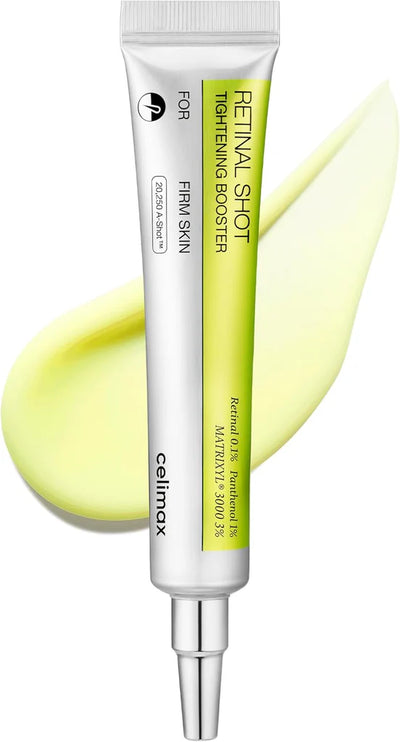
Daily sunscreen also protects skincare progress. Retinol, vitamin C serum, alpha hydroxy acids [AHAs], and beta hydroxy acids [BHAs] need sun care support.
Without sunscreen, brightening products struggle against new UV-triggered pigmentation. Skin also feels more irritated during strong sun exposure.
A simple morning routine needs 4 steps: cleanse, treat, moisturize, and apply sunscreen before outdoor exposure.
|
Task |
Timing |
Method |
Difficulty |
|
Apply morning SPF |
Morning |
Use SPF 30 or higher after moisturizer |
Easy |
|
Cover face and neck |
Morning |
Use 1 teaspoon (5ml) for full coverage |
Medium |
|
Cover exposed body |
Outdoor days |
Use 1 ounce (30ml) for uncovered skin |
Medium |
|
Reapply outdoors |
Every 2 hours |
Reapply after sweating, swimming, or towel drying |
Medium |
|
Protect near windows |
Daytime indoors |
Apply SPF before bright window exposure |
Easy |
|
Support dark spot care |
Daily |
Use broad-spectrum SPF with brightening skincare |
Easy |
What Does Sunscreen Protect Your Skin From?

Sunscreen protects exposed skin from 5 major UV-related concerns. Those concerns include sunburn, tanning, dark spots, early aging, and skin cancer risk.
Many people ask why is sunscreen important after marks appear. Prevention gives better results than fixing visible sun damage later.
Sunburn From UVB Rays
UVB rays cause sunburn. Sunburn shows redness, heat, tenderness, peeling, and discomfort after unprotected exposure.
A broad-spectrum sunscreen with sun protection factor [SPF] 30 or higher helps reduce UVB damage during daily exposure.
Apply sunscreen 15 minutes before outdoor sun. Reapply sunscreen every 2 hours during strong outdoor exposure.
Dark Spots and Hyperpigmentation
UV exposure worsens dark spots and hyperpigmentation. Dark marks from acne, melasma, and tanning stay darker without sun protection.
Sunscreen helps protect uneven skin tone by reducing UV triggers. Tinted sunscreen can support people with stubborn visible-light pigmentation.
People with brown skin tones still need sunscreen. Melanin gives some natural protection, but melanin does not block all UV damage.
Early Aging From UVA Rays
UVA rays connect with wrinkles, fine lines, sagging, and age spots. UVA rays pass through clouds and window glass more easily than UVB rays.
Daily sunscreen helps protect collagen and skin texture. Broad-spectrum labels matter because SPF alone mainly describes UVB protection.
Choose SPF 30, SPF 40, or SPF 50 for daily skin protection. Choose SPF 50 during intense sun, travel, and outdoor sports.
Why Should You Wear Sunscreen Every Day?
You should wear sunscreen every day when daylight reaches exposed skin. This answer fits the real question behind why is sunscreen important for daily routines.
You do not need a fear-based routine. You need a realistic routine that matches your exposure, climate, and skin goals.
Morning sunscreen matters when you leave home, drive during daylight, sit near windows, or use brightening skincare.
Apply sunscreen to 5 exposed areas: face, neck, ears, hands, and any uncovered arms.
Use 1 teaspoon (5ml) for face and neck. Use 1 ounce (30ml) for exposed body areas during outdoor days.
Reapply sunscreen after swimming, heavy sweating, or towel drying. Water-resistant sunscreen still needs reapplication after water exposure.
Why Is Sunscreen Important for Dark Spots and Acne Marks?

Sunscreen helps dark spots stay lighter during brightening routines. People ask why is sunscreen important after acne marks stop fading.
UV rays keep pigment cells active. New exposure makes old marks look darker and harder to fade.
Sunscreen does not bleach dark spots. Sunscreen protects skin while brightening ingredients work on tone and clarity.
Post-Acne Marks
Post-acne marks need daily SPF support. Acne marks often become darker after sun exposure, heat, and repeated irritation.
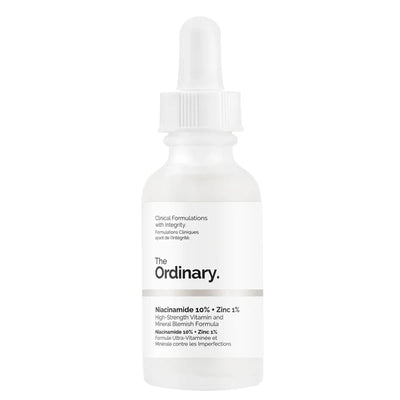
Use sunscreen with niacinamide, vitamin C serum, or gentle exfoliation. This routine supports smoother, clearer-looking tone.
Avoid picking acne marks before outdoor exposure. Broken skin can darken faster when UV rays reach the spot.
Melasma and Uneven Tone
Melasma needs strong daily protection. Melasma reacts to UV rays, heat, and visible light.
Choose broad-spectrum sunscreen with PA+++ or PA++++. Tinted formulas also help some people with visible-light pigmentation.
Apply sunscreen on the cheeks, forehead, upper lip, and jawline. These areas often show uneven tone first.
Tanning and Dullness
Sunscreen helps reduce tanning and dullness from repeated sun exposure. Tanning shows skin response to UV stress.
A sunscreen habit keeps your complexion more even. A brightening routine without sunscreen leaves skin exposed to new discoloration.
The reason why is sunscreen important becomes clearer when dark spots keep returning after outdoor days.
Is Sunscreen Important Indoors?
Indoor sunscreen matters when windows, driving, or later outdoor plans expose skin to UV rays. Indoor users need practical rules, not panic.
Apply sunscreen in the morning if your desk sits near a sunny window. UVA rays can pass through standard window glass.
Apply sunscreen before leaving home if your day includes office travel, school pickup, market visits, or lunch outside.
You can reapply less indoors if you stay away from windows all day. Reapply before a bright commute or outdoor task.
Makeup does not replace sunscreen unless makeup gives proper SPF coverage and you apply enough product.
For makeup days, choose invisible, gel, or fluid sunscreen. These textures layer better under foundation, concealer, and powder.
Why Is Sunscreen Important After Active Skincare?
Active skincare needs sunscreen support because active ingredients change how skin handles sun exposure. Many people ask why is sunscreen important after starting treatments.
Retinol, acids, and brightening serums can improve texture and tone. Those products also need daily SPF protection for steady progress.
Retinol and Retinoids
Retinol routines need morning sunscreen. Retinol supports smoother texture, but sun exposure can irritate freshly treated skin.
Use retinol at night and sunscreen the next morning. Keep retinol away from daytime sun routines.
Start retinol slowly, such as 2 nights weekly. Use moisturizer and sunscreen to support the skin barrier.
Vitamin C Serum
Vitamin C serum works well with sunscreen during the day. Vitamin C supports antioxidant care and brighter-looking tone.
Apply vitamin C serum before moisturizer and sunscreen. This sequence supports a clean morning skincare routine.
People ask why is sunscreen important with vitamin C because brightening goals need UV protection to stay visible.
Exfoliating Acids
Alpha hydroxy acids [AHAs] and beta hydroxy acids [BHAs] need careful sun protection. Acids remove dead surface cells.
Use exfoliating acids at night when your skin tolerates them. Apply sunscreen every morning after acid use.
Skip strong acids before beach days, outdoor sports, and long midday errands. Give your skin calmer care first.
Why Is Sunscreen Important in Pakistan?
Pakistan’s strong sun makes sunscreen useful for daily commuting, outdoor errands, school, university, and office travel. Heat and dust also test skincare comfort.
People ask why is sunscreen important in Pakistan because many users do not spend full days outdoors. Short repeated exposure still affects exposed skin.
Strong Sunlight During Daily Travel
Daily travel exposes your face to strong UV rays. Rickshaw rides, bike travel, car windows, and walking routes all increase sun contact.
Apply sunscreen before leaving home. Keep sunscreen near your morning skincare products to build a repeatable habit.
Choose SPF 50 during harsh summer sun. Choose SPF 30 or higher for routine indoor-outdoor days.
Pigmentation-Prone Skin Concerns
Sunscreen helps manage dark spots, melasma, and post-acne marks. UV exposure keeps pigmentation active and slows visible improvement.
Brightening routines need sunscreen support. Vitamin C serum, niacinamide serum, and exfoliating acids work better with consistent SPF habits.
Choose broad-spectrum sunscreen with PA+++ or PA++++ for stronger UVA guidance. PA ratings help shoppers compare UVA protection.
Heat, Sweat, and Outdoor Errands
Heat and sweat reduce sunscreen comfort and wear time. Choose water-resistant sunscreen for exercise, weddings, sports, and long errands.
Oily skin needs light gel, fluid, or matte sunscreen. Dry skin needs cream sunscreen with glycerin, ceramides, or panthenol.
Sensitive skin needs fragrance-free options and careful patch testing. Test sunscreen on a 1 inch (2.5cm) jawline area first.
How to Choose Daily Sunscreen
To choose daily sunscreen, pick SPF 30 or higher, broad-spectrum protection, and a texture that suits your skin type.
The phrase why is sunscreen important should lead to a buying decision, not only a science lesson.
Choose SPF 30 or Higher
SPF 30 or higher suits daily exposed skin. SPF 50 suits stronger sun, sports, beach days, and long outdoor travel.
SPF means sun protection factor. SPF measures UVB protection, which connects mainly with sunburn prevention.
Choose SPF 50 for midday outdoor errands in Pakistan. Choose SPF 30 or higher for quick daylight exposure.
Choose Broad-Spectrum Protection
Broad-spectrum sunscreen protects against UVA and UVB rays. UVA connects with aging and pigmentation. UVB connects with sunburn.
Look for labels such as broad-spectrum, UVA/UVB protection, PA+++, or PA++++. These labels help you compare protection strength.
For gentle mineral care, compare Axis-Y physical sunscreen when you want barrier support with daily protection.
Choose Texture for Your Skin Type
Texture decides daily sunscreen consistency. Oily skin often prefers gel, fluid, or oil-control sunscreen.
Dry skin often prefers cream sunscreen with hydration. Sensitive skin often prefers fragrance-free mineral or soothing formulas.
For a lightweight daily finish, consider COSRX invisible sunscreen when you want no white cast or sticky feel.
How to Apply Sunscreen Correctly
To apply sunscreen correctly, use enough product and cover every exposed area before sun exposure.
Apply sunscreen as the final morning skincare step. Place sunscreen after moisturizer and before makeup.
Use 1 teaspoon (5ml) for face and neck. Spread sunscreen to the hairline, ears, jawline, and back of neck.
Use 1 ounce (30ml) for exposed body areas during outdoor activities. Cover arms, legs, shoulders, chest, and feet.
Wait 15 minutes before strong outdoor exposure. Reapply every 2 hours outdoors, especially during sweating or long sun exposure.
Use a sunscreen stick, cushion, or powder for easier reapplication over makeup. Use lotion sunscreen for bare skin.
What Happens If You Skip Sunscreen?
Skipping sunscreen increases UV exposure and raises the chance of sunburn, tanning, spots, rough texture, and early aging.
One missed day does not ruin your skin. Repeated missed days build visible changes over months and years.
People often notice uneven tone first. Dark spots, acne marks, and melasma become harder to manage after repeated exposure.
Skipping sunscreen also makes active skincare harder to tolerate. Retinol and acids can leave skin more sun-sensitive.
The reason why is sunscreen important becomes clear when skincare results stall. Sunscreen protects progress from daily UV triggers.
How to Make Sunscreen Easy to Wear Daily

To make sunscreen easy to wear daily, choose a comfortable texture and place sunscreen inside your morning routine.
The best sunscreen for daily use feels comfortable enough for 7 days weekly. Texture affects consistency more than marketing claims.
Pick a Finish You Like
Choose matte, dewy, invisible, or cream finish based on your skin type. Oily skin often prefers matte fluid sunscreen.
Dry skin often prefers cream sunscreen. Combination skin often prefers gel cream sunscreen that feels balanced.
A sunscreen you dislike will stay in the drawer. A comfortable sunscreen becomes a daily habit faster.
Keep Sunscreen Near Morning Products
Keep sunscreen beside cleanser, serum, and moisturizer. Placement reduces forgotten steps during rushed mornings.
Use sunscreen after moisturizer. Put sunscreen before makeup, powder, primer, or tint.
Set 1 spare bottle in your work bag. Keep another bottle near your dressing table.
Choose Reapplication Tools
Reapplication becomes easier with sticks, cushions, powders, and sprays. These formats help during work, travel, and makeup days.
Use lotion or cream sunscreen for first morning coverage. Use sticks or cushions for touch-ups on nose, cheeks, and forehead.
People ask why is sunscreen important, then struggle with reapplication. Easy tools make the answer usable in real life.
Shop Sunscreen and Skincare Essentials at Khayest
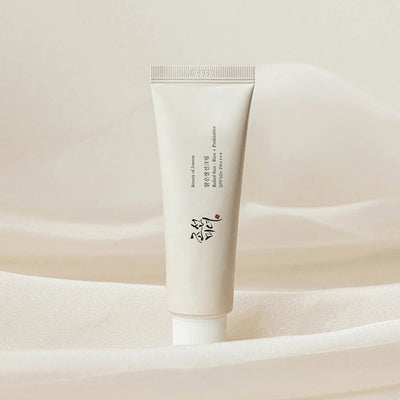
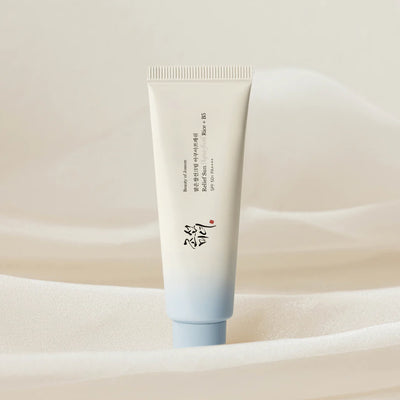
Khayest helps you choose sunscreen by skin type, finish, SPF level, and daily comfort. Choose a formula you will apply daily.
Choose gel or invisible sunscreen for oily skin. Choose cream sunscreen for dry skin. Choose soothing formulas for sensitive skin.
For dry or sensitive routines, choose formulas with panthenol, glycerin, and soothing extracts for better comfort.
If you still ask why is sunscreen important, start with 1 practical goal: protect your face during daily daylight exposure.
Build a simple routine with cleanser, serum, moisturizer, and sunscreen. Add reapplication during outdoor plans, sports, or intense heat.
FAQs About Sunscreen Importance
Is sunscreen necessary every day?
Yes. Sunscreen helps protect exposed skin from daily UV rays. Apply sunscreen when daylight reaches your skin.
Does sunscreen prevent dark spots?
Yes. Sunscreen helps reduce UV triggers behind dark spots and hyperpigmentation. Sunscreen supports brightening routines.
Do I need sunscreen indoors?
Yes, near windows. Apply sunscreen indoors when sunlight reaches your skin or your day includes outdoor errands.
Which SPF should I use daily?
Use SPF 30 or higher daily. Choose SPF 50 for strong sun, outdoor work, travel, and sports.
Does sunscreen replace moisturizer?
No. Moisturizer hydrates skin, while sunscreen protects skin from UV rays. Use both when skin feels dry.
Final Answer: Why Is Sunscreen Important?
Sunscreen matters because daily UV exposure causes sunburn, tanning, dark spots, early aging, and skin cancer risk. Choose SPF 30 or higher, broad-spectrum protection, and a comfortable texture. Shop Khayest through the daily sunscreen range and protect exposed skin with a routine you can repeat every morning.