
When to use cleanser?
Finding the right time to cleanse your face can make a big difference in your skincare results. If you have ever wondered when to use cleanser, this complete guide explains the best times, proper techniques, and common mistakes to avoid. Learn how to keep your skin clean, balanced, and healthy with the right cleansing routine.
Why Knowing When to Use Cleanser Matters
A facial cleanser does much more than remove dirt. It clears away excess oil, sweat, sunscreen, makeup, pollution, and other impurities that collect on your skin throughout the day. When your skin stays clean, your other skincare products can work more effectively.
Many people spend money on serums and moisturizers but forget that cleansing is the first and most important step in every skincare routine. If your skin is not clean, active ingredients cannot absorb properly. As a result, your skincare routine may not deliver the results you expect.
Understanding when to use cleanser helps protect your skin barrier while keeping your complexion fresh and comfortable. Cleansing too little can leave pores clogged, while cleansing too often may strip away natural oils. The key is finding the right balance for your skin type.
Whether you have oily skin, dry skin, combination skin, sensitive skin, or acne-prone skin, using a facial cleanser at the correct time supports healthier-looking skin every day.
What Is a Facial Cleanser?

A facial cleanser is a skincare product designed to remove unwanted buildup from your skin without causing unnecessary dryness. Unlike regular soap, a quality facial cleanser is formulated to clean the face while helping maintain the skin's natural moisture balance.
Different cleansers contain different ingredients to suit different skin concerns. Some focus on removing excess sebum, while others hydrate, soothe, or gently exfoliate the skin.
Common cleanser types include:
- Gel cleansers
- Foam cleansers
- Cream cleansers
- Oil cleansers
- Balm cleansers
- Micellar water
- Hydrating cleansers
- Gentle cleansers
Each type offers unique benefits. Choosing the right cleanser depends on your skin type, daily routine, and personal skincare goals.
How Does a Facial Cleanser Work?
Throughout the day, your skin collects oil, sweat, bacteria, makeup, sunscreen, dust, and environmental pollutants. Even while sleeping, your skin produces sebum and sheds dead skin cells.
A facial cleanser contains cleansing agents that lift these impurities away from the skin's surface. When mixed with water, the cleanser loosens dirt and oil so they can be rinsed away without damaging the skin.
A good cleanser helps:
- Remove excess oil
- Wash away sweat
- Clear sunscreen residue
- Dissolve makeup
- Reduce dirt and pollution buildup
- Refresh tired-looking skin
- Prepare the skin for toner, serum, moisturizer, and sunscreen
Clean skin creates the perfect base for every step that follows in your skincare routine.
When to Use Cleanser During Your Daily Skincare Routine

Many people ask whether they should cleanse in the morning, evening, or both. The answer depends on your skin type and daily activities, but most dermatologists recommend cleansing twice a day.
Morning cleansing prepares your skin for the day ahead, while evening cleansing removes everything your skin has collected throughout the day.
Let's look at each step in detail.
Cleanse Your Face in the Morning
Your skin does not stay completely clean overnight. While you sleep, your face produces oil, releases sweat, and collects bacteria from your pillowcase. Dead skin cells also build up naturally.
Using a gentle facial cleanser in the morning removes this overnight buildup and gives your skin a fresh start.
Morning cleansing helps:
- Remove overnight oil
- Wash away sweat
- Refresh the skin
- Prepare the face for moisturizer
- Help sunscreen apply evenly
- Create a clean base for makeup
People with oily skin often benefit from a foaming or gel cleanser, while those with dry or sensitive skin may prefer a cream or hydrating cleanser.
Cleanse Your Face at Night
If there is one time you should never skip cleansing, it is before bed.
Throughout the day, your skin comes into contact with pollution, dust, makeup, sunscreen, excess sebum, and environmental impurities. Sleeping without removing them can clog pores and leave your skin looking dull.
Evening cleansing supports healthy skin by removing everything that has built up during the day.
Night cleansing helps:
- Remove makeup completely
- Wash away sunscreen
- Reduce excess oil
- Eliminate dirt and pollution
- Support skin renewal overnight
- Prepare the skin for nighttime treatments
Applying serums and moisturizers after cleansing allows these products to absorb more effectively into freshly cleaned skin.
Should You Cleanse Before Applying Skincare Products?
Yes. Cleansing should always be the first step of your skincare routine.
Applying expensive skincare products over dirty skin limits their effectiveness because dirt, oil, and makeup create a barrier on the skin's surface.
After cleansing, your routine may include:
- Toner
- Essence
- Serum
- Eye cream
- Moisturizer
- Sunscreen (morning only)
Each product performs better when applied to clean skin.
Signs That You Are Cleansing at the Right Time
If you follow a consistent routine, your skin often shows positive changes within a few weeks.
Healthy cleansing habits may lead to:
- A fresher complexion
- Less visible oil buildup
- Cleaner-looking pores
- Smoother skin texture
- Better absorption of skincare products
- More balanced skin
- Improved comfort throughout the day
Remember that consistency is more important than using many different products. A gentle cleanser used at the right time every day often delivers better long-term results than frequently changing your skincare routine.
Does Your Skin Type Affect When to Use Cleanser?
Although most people benefit from cleansing every morning and evening, your skin type may influence the type of cleanser you choose and how often you use it.
People with oily skin often experience more sebum production, especially during hot weather. They usually benefit from regular cleansing twice a day with a gentle foaming or gel cleanser.
Those with dry skin should focus on hydration while cleansing. A cream cleanser or hydrating cleanser helps remove impurities without leaving the skin feeling tight.
Combination skin requires balance. Some areas of the face may feel oily while others remain dry. A gentle cleanser that maintains the skin barrier is often the best choice.
Sensitive skin benefits from fragrance-free formulas that cleanse without causing irritation. Harsh scrubbing should also be avoided.
Acne-prone skin requires consistent cleansing to help reduce excess oil, dirt, and pore-clogging impurities. However, over-cleansing can irritate the skin, making balance essential.
Should You Cleanse After Exercising?
Exercise is excellent for your overall health and your skin, but it also increases sweat production. Sweat itself does not harm your skin. However, when it mixes with oil, bacteria, and dirt already on your face, it can contribute to clogged pores if it stays on the skin for too long.
If possible, cleanse your face shortly after finishing your workout. A gentle facial cleanser removes sweat, excess oil, and impurities without disrupting your skin barrier.
If you cannot wash your face immediately, gently blot away sweat with a clean towel instead of rubbing your skin. Cleanse your face as soon as you have access to water and your skincare products.
Should You Use a Cleanser After Wearing Makeup?
Yes. Makeup creates a layer over the skin that should be removed before bedtime. Foundation, concealer, powder, and other cosmetic products can trap oil, dirt, and environmental pollutants throughout the day.
Using a facial cleanser every evening helps remove leftover makeup and prepares your skin for overnight repair. If you wear long-lasting or waterproof makeup, you may benefit from double cleansing.
Double cleansing starts with an oil-based cleanser or cleansing balm to dissolve makeup, sunscreen, and excess sebum. A water-based cleanser then removes the remaining impurities, leaving your skin fresh and clean without feeling greasy.
This method is especially useful for people who wear heavy makeup or apply sunscreen daily.
Should You Cleanse After Applying Sunscreen?
Sunscreen protects your skin from harmful UV rays, but it should not stay on your skin overnight. Modern sunscreens are designed to stay in place during the day, making evening cleansing an important step.
A gentle cleanser helps remove sunscreen residue, along with dirt, sweat, and oil that collect throughout the day. Cleansing before bed keeps your pores cleaner and allows your nighttime skincare products to absorb more effectively.
Can You Cleanse Too Often?

Yes. While cleansing is important, over-cleansing can do more harm than good.
Washing your face too frequently may strip away your skin's natural oils. This can weaken the skin barrier and leave your skin feeling dry, tight, or irritated. In response, your skin may even produce more oil to make up for the moisture loss.
Signs that you may be cleansing too often include:
- Skin that feels tight after washing
- Redness or irritation
- Dry or flaky patches
- Increased sensitivity
- Excess oil production after cleansing
A healthy skincare routine focuses on gentle cleansing rather than frequent cleansing. For most people, washing the face twice a day is enough.
Common Mistakes People Make When Using a Cleanser
Even the best facial cleanser cannot deliver great results if it is used incorrectly. Many people unknowingly develop habits that affect their skin over time.
One common mistake is washing with very hot water. Hot water may feel relaxing, but it can remove too much moisture from the skin. Lukewarm water is usually the better choice because it cleans effectively without causing unnecessary dryness.
Another mistake is using too much cleanser. A small amount is often enough to clean the entire face. Applying more product does not make your skin cleaner and may simply waste the cleanser.
Many people also rush through the cleansing process. Massaging the cleanser gently over the skin for about 30 to 60 seconds gives it enough time to lift away dirt, oil, sunscreen, and makeup.
Skipping moisturizer after cleansing is another common habit. Cleansing removes impurities, but your skin still needs hydration afterward. Applying a suitable moisturizer helps maintain the skin's moisture barrier.
Some people scrub their face aggressively with towels or cleansing brushes. Harsh rubbing can irritate the skin, especially if it is sensitive. Instead, gently pat your face dry with a clean, soft towel.
How to Choose the Right Cleanser for Your Skin Type
Choosing the right cleanser is just as important as knowing when to use cleanser. Every skin type has different needs, so selecting a suitable formula helps keep your skin healthy and comfortable.
Oily Skin
If your skin becomes shiny during the day or feels greasy a few hours after washing, choose a gel or foaming cleanser. These formulas help remove excess oil while keeping the skin fresh without making it feel overly dry.
Dry Skin
Dry skin benefits from cream cleansers and hydrating cleansers that support the skin's moisture barrier. Look for gentle formulas that cleanse without leaving your face feeling tight or uncomfortable.
Combination Skin
Combination skin needs balance. A gentle cleanser that removes oil from the T-zone while maintaining hydration on the cheeks is often the best option.
Sensitive Skin
Sensitive skin responds well to fragrance-free, alcohol-free, and gentle cleansers. Products containing soothing ingredients can help reduce the risk of irritation while cleansing effectively.
Acne-Prone Skin
People with acne-prone skin should choose non-comedogenic cleansers that remove excess oil and impurities without causing excessive dryness. Consistent cleansing is more beneficial than using harsh products that may damage the skin barrier.
How to Use a Facial Cleanser Correctly
Knowing when to use cleanser is only one part of healthy skincare. Using the correct technique also improves your results.
Start by washing your hands before touching your face. This helps prevent transferring dirt and bacteria onto clean skin.
Wet your face with lukewarm water, then apply a small amount of cleanser to your fingertips. Gently massage it across your forehead, cheeks, nose, chin, and jawline using slow circular motions.
Spend around one minute cleansing your skin, paying extra attention to areas that collect more oil. Avoid scrubbing too hard because gentle pressure is enough to remove impurities.
Rinse your face thoroughly until no cleanser remains. Any leftover product may cause dryness or irritation.
Pat your skin dry with a clean towel rather than rubbing it. While your skin is still slightly damp, continue with toner, serum, moisturizer, or sunscreen, depending on whether it is your morning or evening routine.
Building a Simple Daily Cleansing Routine
A consistent skincare routine does not need to be complicated. Following a few simple steps every day can help your skin stay cleaner, healthier, and more balanced.
In the morning, begin by cleansing your face to remove overnight oil and sweat. Follow with a moisturizer suited to your skin type and finish with sunscreen before going outdoors.
At night, remove makeup if you are wearing it, then cleanse your face thoroughly. Apply your serum or treatment products, followed by a moisturizer to support your skin while you sleep.
Repeating this routine every day allows your skin to stay clean without unnecessary irritation. Over time, consistency often produces better results than constantly changing skincare products.
FAQs
Should I use a cleanser every day?
Yes. Using a cleanser every morning and evening is recommended for most people. Daily cleansing removes oil, sweat, dirt, sunscreen, and other impurities that build up on the skin. Regular cleansing also prepares your skin for the rest of your skincare routine.
When to use cleanser if I have oily skin?
If you have oily skin, cleanse your face twice a day once in the morning and once before bed. You should also cleanse after heavy sweating or an intense workout. This helps control excess sebum without over-drying your skin.
Can I skip cleansing in the morning?
Some people with extremely dry skin may only rinse with water in the morning. However, most skin types benefit from using a gentle facial cleanser to remove overnight oil, sweat, and dead skin cells before applying skincare products.
Should I use a cleanser before applying makeup?
Yes. Cleansing before makeup creates a fresh and clean base. Makeup applies more evenly to clean skin, and your skincare products can absorb better before cosmetic products are applied.
Is cleansing necessary if I do not wear makeup?
Absolutely. Even if you never wear makeup, your skin collects oil, sweat, dust, pollution, bacteria, and sunscreen throughout the day. A cleanser removes these impurities and helps keep your skin healthy.
Should I wash my face after exercising?
Yes. Cleansing after exercise removes sweat, excess oil, and bacteria that can remain on the skin after a workout. This helps reduce the chance of clogged pores and keeps your skin feeling refreshed.
Can I wash my face more than twice a day?
Unless your dermatologist advises otherwise, washing your face more than twice daily is usually unnecessary. Over-cleansing may weaken the skin barrier and leave your skin dry or irritated. Gentle cleansing twice a day is enough for most people.
What should I apply after using a cleanser?
After cleansing, continue your skincare routine with products that suit your skin type. You can apply toner, serum, moisturizer, and sunscreen during the day. At night, finish with your preferred moisturizer or overnight treatment.
Does water alone clean the skin?
Water helps rinse away some surface sweat and dust, but it does not effectively remove sunscreen, excess oil, makeup, or environmental pollutants. A facial cleanser is designed to lift away these impurities while supporting the skin's natural balance.
How long should I massage a cleanser onto my face?
Gently massage your cleanser onto damp skin for about 30 to 60 seconds. This gives the product enough time to dissolve oil, dirt, and buildup before rinsing thoroughly with lukewarm water.
Conclusion
Knowing when to use cleanser is one of the simplest ways to improve your skincare routine. Cleansing at the right time helps remove dirt, excess oil, sweat, sunscreen, makeup, and daily impurities while creating the perfect foundation for healthy-looking skin.
Morning cleansing refreshes your complexion and prepares your face for moisturizer and sunscreen. Evening cleansing removes the buildup from the day and allows your nighttime skincare products to work more effectively. Choosing a cleanser that matches your skin type and using it consistently can help maintain a balanced skin barrier, cleaner pores, and smoother skin over time.
Healthy skin starts with the basics, and cleansing is the first step you should never overlook. Instead of using multiple unnecessary products, build a routine around gentle and consistent cleansing that supports your skin every day.
Whether your skin is oily, dry, combination, sensitive, or acne-prone, understanding when to use cleanser makes it easier to care for your complexion with confidence.
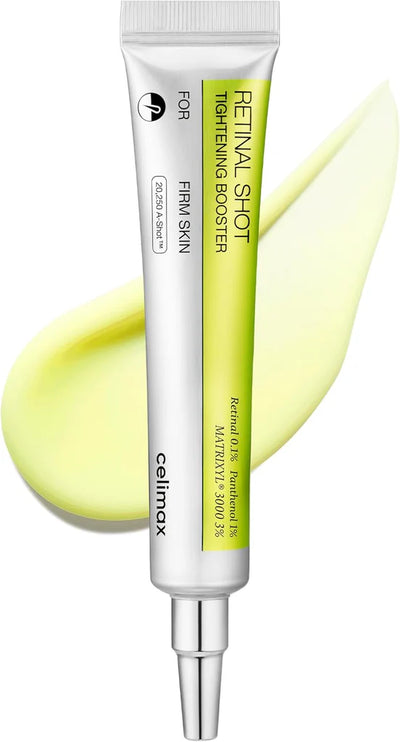
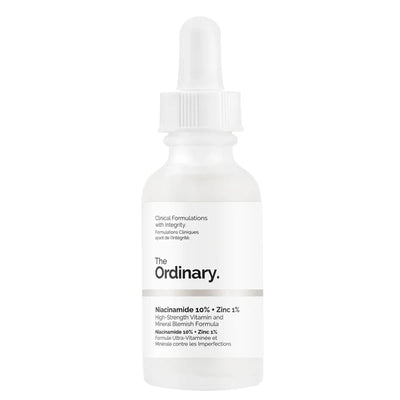
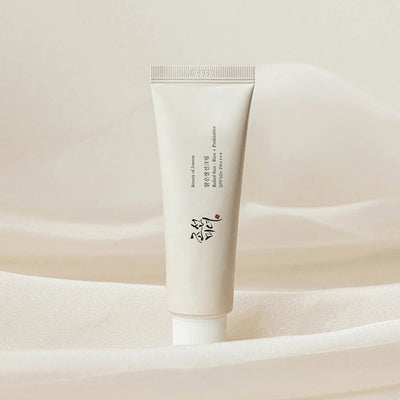
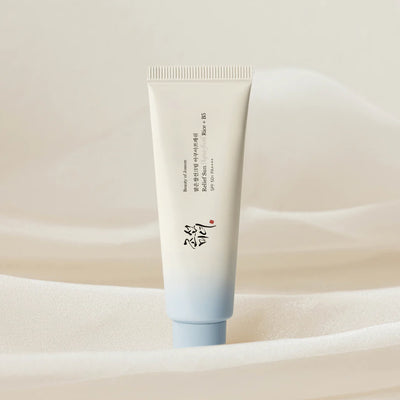
If you're looking for high-quality skincare products that suit different skin types, Explore Khayest's carefully selected collection of facial cleansers, hydrating skincare essentials, and daily skincare solutions. Choose products that fit your skin's needs and enjoy a healthier, fresher, and more radiant complexion every day.