
What Is the Difference Between Sunscreen and Sunblock?
Wondering what is the difference between sunscreen and sunblock? Many people use these terms interchangeably, but they are not exactly the same. Understanding how they work, their ingredients, and which one suits your skin type will help you choose the right protection against harmful UV rays every day.
What Is Sunscreen?
 Sunscreen is a skincare product designed to protect your skin from the harmful effects of the sun's ultraviolet (UV) rays. Daily exposure to UVA and UVB rays can lead to sunburn, premature ageing, dark spots, and long-term skin damage. A good sunscreen helps reduce these risks by limiting the amount of UV radiation that reaches your skin.
Modern sunscreens are available in many forms, including creams, lotions, gels, fluids, sticks, and sprays. They are formulated for different skin types, making it easier to find a product that fits your daily skincare routine. Whether you have oily, dry, combination, or sensitive skin, using sunscreen every day is one of the most effective ways to maintain healthy-looking skin.
Most sunscreens are labelled as broad-spectrum, which means they protect against both UVA and UVB rays. UVA rays penetrate deeper into the skin and contribute to premature ageing, while UVB rays are primarily responsible for sunburn. Broad-spectrum protection helps defend your skin against both types of damage.
Another important feature of sunscreen is its Sun Protection Factor (SPF). SPF measures how well a sunscreen protects your skin from UVB rays. For everyday use, dermatologists generally recommend using a broad-spectrum sunscreen with at least SPF 30, although higher SPF options provide additional protection when used correctly.
What Is Sunblock?
The term sunblock has been used for many years to describe products that protect the skin from sunlight. Traditionally, sunblock referred to products containing mineral ingredients such as zinc oxide or titanium dioxide, which were believed to create a protective barrier on the skin's surface.
Today, however, the skincare industry has evolved. Most experts and regulatory authorities prefer using the term sunscreen because no product can completely block all UV radiation. Even products made with mineral UV filters are now generally marketed as sunscreens rather than sunblocks.
This means that when you shop for sun protection today, you are far more likely to see the word "sunscreen" on product labels, regardless of whether the formula contains mineral or chemical UV filters.
Although many people still use the word sunblock in everyday conversation, it is best understood as an older term rather than a completely different type of product.
What Is the Difference Between Sunscreen and Sunblock?
The biggest difference between sunscreen and sunblock lies in how the terms have traditionally been used. In the past, sunscreen usually referred to products that primarily absorbed UV rays, while sunblock described products made with mineral ingredients that sat on the skin's surface to help protect against sunlight.
Today, this distinction is much less important. Advances in skincare science have shown that modern mineral sunscreens not only reflect some UV rays but also absorb a significant amount of ultraviolet radiation. Because no product provides complete protection, the term sunblock has become less common, and most products are now simply labelled as sunscreen.
Rather than focusing on the name printed on the bottle, it is more helpful to choose a product based on its ingredients, SPF, broad-spectrum protection, and suitability for your skin type.
| Sunscreen | Sunblock |
|---|---|
| Modern term used for most sun protection products | Older term that is less commonly used today |
| May contain chemical filters, mineral filters, or both | Traditionally referred to mineral-based products |
| Available in gel, cream, lotion, fluid, stick, and spray formulas | Usually associated with creams or lotions |
| Protects against UVA and UVB rays when labelled broad-spectrum | Also provides UV protection but is now generally marketed as sunscreen |
| Suitable for all skin types depending on the formulation | Often preferred by people looking for mineral UV filters |
Understanding this difference helps clear up one of the biggest misconceptions in skincare. In most cases, choosing a quality sunscreen is more important than worrying about whether the label says sunscreen or sunblock.
How Do Sunscreens Protect Your Skin?
Many people think sunscreen forms an invisible shield that completely blocks the sun's rays. In reality, the process is much more advanced.
Sunscreens protect the skin by reducing the amount of harmful ultraviolet radiation that penetrates the skin. Different UV filters work in different ways, but they all have the same goal: helping protect your skin from sun damage.
Some filters absorb UV radiation before it can damage the skin, while mineral filters also scatter and reflect a small portion of sunlight. Together, these actions reduce the harmful effects of prolonged sun exposure.
This protection is important because UV rays can damage skin cells even on cloudy days. Daily use of sunscreen helps reduce the risk of sunburn, uneven skin tone, hyperpigmentation, premature wrinkles, and other visible signs of sun damage.
It is also important to remember that sunscreen does not provide permanent protection. Sweat, water, and normal daily activities gradually reduce its effectiveness, which is why regular reapplication is essential.
Mineral vs Chemical Sunscreen
One of the most common reasons people search for what is the difference between sunscreen and sunblock is because they are confused about mineral and chemical sunscreens. Although these products work differently, both are designed to protect your skin from harmful UV rays.
Mineral Sunscreen
Mineral sunscreen uses naturally occurring UV filters such as zinc oxide and titanium dioxide. These ingredients sit on the skin's surface and help reduce the amount of ultraviolet radiation reaching the skin. Modern research also shows that mineral filters absorb a significant portion of UV rays rather than simply reflecting them.
Mineral sunscreens are often recommended for people with sensitive skin because they are generally gentle and less likely to cause irritation. They also begin protecting the skin as soon as they are applied.
Older mineral formulations were known for leaving a noticeable white cast, particularly on deeper skin tones. However, many newer formulations have improved significantly, offering smoother application and a more natural finish.
Chemical Sunscreen
Chemical sunscreen contains organic UV filters that absorb ultraviolet radiation and convert it into a small amount of heat before it can damage the skin. These formulas are often lightweight, easy to blend, and available in a variety of finishes.
Because they absorb quickly and leave little to no white residue, chemical sunscreens are popular for everyday wear and under makeup. Many modern formulas are designed specifically for oily, combination, or acne-prone skin, making them comfortable for daily use.
Choosing between mineral and chemical sunscreen is largely a matter of personal preference, skin sensitivity, and lifestyle. Both can provide excellent protection when applied correctly and reapplied throughout the day.
Which Is Better: Sunscreen or Sunblock?
After understanding what is the difference between sunscreen and sunblock, the next question most people ask is which one offers better protection. The answer is simple: neither is universally better. The right choice depends on your skin type, daily routine, and personal preferences.
Modern sunscreens, whether they contain mineral or chemical UV filters, are designed to protect your skin from harmful UVA and UVB rays. Instead of focusing on whether a product is labelled as sunscreen or sunblock, pay attention to whether it offers broad-spectrum protection, has an appropriate SPF, and suits your skin's needs.
If you have sensitive skin or experience irritation with certain skincare products, you may prefer a mineral sunscreen formulated with zinc oxide or titanium dioxide. On the other hand, if you want a lightweight formula that blends easily and leaves little to no white cast, a chemical sunscreen may be a better option.
The best sunscreen is the one you enjoy wearing every day. Consistent daily use provides far greater protection than occasionally using a product with a higher SPF.
How to Choose the Right Sunscreen for Your Skin Type
 Choosing the right sunscreen is just as important as applying it correctly. Every skin type has different needs, and selecting a formula designed for your skin can make daily sun protection much more comfortable.
Oily Skin
People with oily skin often avoid sunscreen because they worry it will make their face feel greasy. Fortunately, many modern sunscreens are specifically formulated for oily and acne-prone skin.
Look for lightweight gel, fluid, or water-based sunscreens labelled as oil-free and non-comedogenic. These formulas absorb quickly, provide broad-spectrum protection, and help control excess shine without clogging pores.
Dry Skin
Dry skin benefits from sunscreens that also provide hydration. Cream-based formulas containing ingredients such as hyaluronic acid, glycerin, ceramides, or squalane help protect against UV rays while keeping the skin soft and comfortable throughout the day.
A moisturising sunscreen can simplify your morning routine by combining hydration with sun protection.
Combination Skin
Combination skin requires balance. Lightweight lotions or gel-cream sunscreens usually work well because they hydrate drier areas without making the oily T-zone feel heavy.
Choosing a sunscreen with a natural or semi-matte finish often provides the most comfortable wear.
Sensitive Skin
Sensitive skin requires extra care when selecting skincare products. Mineral sunscreens containing zinc oxide or titanium dioxide are commonly recommended because they are generally gentle and less likely to cause irritation.
Fragrance-free formulas with soothing ingredients such as Centella Asiatica or panthenol can provide additional comfort for sensitive skin.
Understanding SPF and Broad-Spectrum Protection
Many people think that a higher SPF means complete protection from the sun. In reality, no sunscreen can block 100% of UV rays.
SPF, or Sun Protection Factor, measures how well a sunscreen protects your skin from UVB rays, which are mainly responsible for causing sunburn. While SPF 30 blocks the majority of UVB rays, SPF 50 provides slightly more protection. However, the difference is smaller than many people expect.
Broad-spectrum protection is equally important because it protects against both UVA and UVB rays. UVA rays penetrate deeper into the skin and contribute to premature ageing, while UVB rays primarily cause sunburn. Choosing a broad-spectrum sunscreen helps provide more complete protection against everyday sun exposure.
Regardless of the SPF you choose, sunscreen should be applied generously and reapplied regularly to maintain effective protection.
Common Myths About Sunscreen and Sunblock
There are many misconceptions about sun protection, and believing them can leave your skin vulnerable to damage. Understanding the facts makes it easier to build a reliable skincare routine.
One of the biggest myths is that sunblock completely blocks all sunlight. In reality, no skincare product can provide total protection from ultraviolet rays. This is one of the reasons why the term "sunblock" is used less frequently today.
Another common myth is that sunscreen is only necessary on sunny summer days. Harmful UVA rays can penetrate clouds and even pass through windows, meaning your skin is exposed throughout the year. Daily sunscreen use is important regardless of the weather.
Some people also believe that people with darker skin tones do not need sunscreen. Although melanin provides some natural protection, everyone can experience sun damage, hyperpigmentation, and premature ageing from UV exposure. Wearing sunscreen every day benefits all skin tones.
There is also a misconception that applying sunscreen once in the morning is enough. Sunscreen gradually wears off because of sweat, water, and normal daily activities. Reapplying every two hours during prolonged sun exposure helps maintain protection.
Finally, many people assume that a very high SPF means they can spend unlimited time in the sun. Even high-SPF products require proper application, regular reapplication, and additional protective measures such as seeking shade and wearing protective clothing.
How to Apply Sunscreen Correctly
 Even the best sunscreen cannot provide its advertised protection if it is not applied properly. Following a few simple steps helps ensure your skin stays protected throughout the day.
Start by completing your morning skincare routine. If you use a moisturiser, allow it to absorb before applying sunscreen. Spread sunscreen evenly across your face, neck, ears, and any other exposed areas of skin. Make sure you use enough product to create an even layer rather than applying only a small amount.
Allow the sunscreen to absorb before applying makeup. Many modern formulas work well under foundation and other cosmetic products, making daily use convenient.
If you spend extended periods outdoors, remember to reapply sunscreen every two hours or immediately after swimming, excessive sweating, or towel drying. Consistent application is one of the most effective ways to reduce the harmful effects of UV exposure.
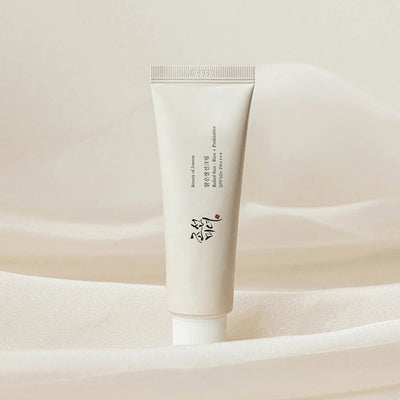
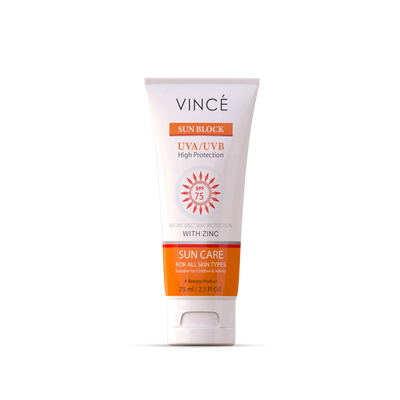
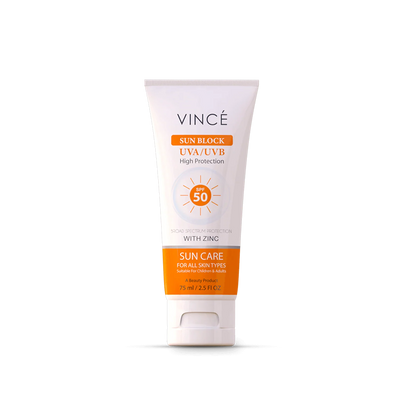
Best Sunscreens Available at Khayest
Finding the right sunscreen becomes much easier when you have access to authentic products from trusted skincare brands. Khayest offers a carefully selected range of sunscreens designed for different skin types and concerns.
If you have oily or acne-prone skin, lightweight gel and fluid sunscreens provide effective broad-spectrum protection without leaving a greasy finish. Those with dry skin can choose moisturising sunscreens enriched with hydrating ingredients that keep the skin soft while protecting it from UV damage.
People with sensitive skin may prefer mineral sunscreens formulated with zinc oxide or titanium dioxide, while those looking for an invisible finish can explore lightweight chemical sunscreen formulas that blend seamlessly into the skin.
Whether you need a sunscreen for daily office wear, outdoor activities, or under makeup, Khayest offers authentic products from internationally recognised skincare brands to help you protect your skin every day.
FAQs
What is the difference between sunscreen and sunblock?
The main difference is in the terminology. Traditionally, sunblock referred to products containing mineral UV filters, while sunscreen described products that mainly absorbed UV rays. Today, most products are labelled as sunscreen because no product can completely block all ultraviolet radiation. Both mineral and chemical sunscreens provide effective protection when used correctly.
Which is better, sunscreen or sunblock?
Neither is universally better. The best choice depends on your skin type, lifestyle, and personal preference. Whether you choose a mineral or chemical sunscreen, look for a broad-spectrum formula with SPF 30 or higher and remember to apply it correctly and reapply as needed.
Can I use sunscreen every day?
Yes. Sunscreen should be part of your daily skincare routine, even on cloudy days or when you're indoors near windows. Daily use helps protect your skin from UV damage, premature ageing, dark spots, and sunburn.
How often should sunscreen be reapplied?
For the best protection, sunscreen should be reapplied every two hours when you're outdoors. You should also reapply it after swimming, sweating heavily, or drying your skin with a towel, even if the product is water-resistant.
How do I choose the right sunscreen for my skin type?
Choose a sunscreen based on your skin's needs. Lightweight gel or fluid sunscreens are ideal for oily skin, hydrating cream formulas work well for dry skin, gel-cream lotions suit combination skin, and mineral sunscreens are often a good choice for sensitive skin. Selecting a broad-spectrum sunscreen that feels comfortable on your skin makes daily use much easier.
Conclusion
Understanding what is the difference between sunscreen and sunblock helps you make more informed decisions when choosing sun protection. While the terms were once used to describe different types of products, today most formulas are simply labelled as sunscreen because no product can completely block UV rays. What matters most is choosing a broad-spectrum sunscreen with the right SPF and a formula that suits your skin type.
Whether you prefer a lightweight gel, a hydrating cream, or a mineral sunscreen for sensitive skin, wearing sunscreen every day is one of the most effective ways to protect your skin from sunburn, premature ageing, and long-term UV damage.
Explore the collection of authentic sunscreens available at Khayest and find the perfect product for your skin. With trusted international brands and formulas designed for every skin type, protecting your skin every day has never been easier.