
What Is Serum in 2026? Face Serum Benefits and Use Guide
A serum is a lightweight skincare treatment with concentrated active ingredients. If you ask what is serum, the simple answer is a targeted face product used after cleanser and before moisturizer.
A serum helps you address specific concerns, such as dryness, dullness, uneven tone, enlarged pores, breakouts, and fine lines. A face serum does not replace moisturizer or sunscreen. A serum adds focused support inside a complete skincare routine.
Serums feel lighter than creams because brands design serums with thinner textures. Many formulas absorb quickly and carry active ingredients, such as vitamin C, hyaluronic acid, niacinamide, retinol, peptides, and salicylic acid. You get better results when you match serum to skin type. Apply serum in the correct order.
The question what is serum often appears when shoppers compare toner, essence, ampoule, moisturizer, and face oil. A serum sits between cleanser and moisturizer in most routines.
What Is Serum for Face Care?

Serum is a concentrated skincare step that targets 1 main concern. A face serum supports visible goals, such as glow, hydration, smoother texture, or clearer pores.
You usually apply serum after cleansing and before moisturizer. Clean skin helps active ingredients spread evenly. Moisturizer then seals comfort and supports the skin barrier.
A practical answer to what is serum starts with purpose. Serum gives your routine a focused treatment step, not just extra moisture.
A skincare serum comes in water-based, gel-based, and oil-based textures. Water-based formulas suit many skin types. Gel formulas suit oily or combination skin. Oil-based formulas suit dry or mature skin when the formula matches the routine.
Khayest offers targeted options through the
You can compare targeted options through the face serum collection before choosing a texture.
This link helps you compare formulas, sizes, prices, and active ingredients in 1 place.
What Does Face Serum Do for Skin?
Face serum delivers active ingredients for targeted skin concerns. A serum can support hydration, brightness, smoother texture, calm-looking skin, and oil balance.
A hydrating serum attracts water to the skin surface. A brightening serum supports a fresher look. An acne-focused serum helps oily skin look clearer. An anti-aging serum supports firmer-looking and smoother-looking skin.
Serum benefits depend on the formula. Vitamin C supports antioxidant care and a brighter look. Hyaluronic acid supports hydration. Niacinamide supports visible pores and oil balance. Retinol supports texture and fine-line care. Salicylic acid supports clogged pores and blemish-prone skin.
A serum works best with a simple routine. Cleanser removes buildup. Serum targets the concern. Moisturizer supports comfort. Sunscreen protects daytime results.
Another answer to what is serum comes from texture. Serum feels light because brands design serum for fast layering.
What Is Serum Compared With Moisturizer?
Serum targets concerns. Moisturizer seals hydration and supports the skin barrier. Serum and moisturizer work better together than either product alone.
Serums have lighter textures and stronger active ingredient focus. Moisturizers have richer textures and barrier-supporting ingredients, such as ceramides, glycerin, oils, and emollients.
Use serum first because thinner products need direct contact with clean skin. Apply moisturizer after serum because moisturizer locks comfort into the routine. Use sunscreen as the last morning step because sunscreen protects skin from ultraviolet exposure.
A serum vs moisturizer choice should not feel confusing. Choose serum for targeted treatment. Choose moisturizer for daily comfort and barrier support. Use both when your skin feels dry, dull, or uneven.
The phrase what is serum also helps you separate treatment from sealing. Serum treats a concern first, while moisturizer supports comfort after treatment.
|
Task |
Timing |
Method |
Difficulty |
|
Apply hydrating serum |
Morning or night |
Use 2 to 3 drops, about 0.1ml to 0.15ml |
Easy |
|
Apply vitamin C serum |
Morning |
Pat 2 drops on clean dry skin |
Easy |
|
Apply retinol serum |
Night only |
Start 2 nights weekly, then increase slowly |
Medium |
|
Apply acne serum |
Night or directed time |
Use a thin layer on breakout-prone areas |
Medium |
|
Layer moisturizer |
After serum |
Cover face and neck with a pea-size amount |
Easy |
Which Serum Types Match Common Skin Concerns?
The right serum type depends on skin concern and tolerance. Choose 1 main active serum first. Add other formulas slowly.
Vitamin C Serum for Dullness
Vitamin C serum supports brighter-looking skin and antioxidant care. Choose vitamin C serum when your face looks dull, tired, or uneven.
Use vitamin C serum in the morning under moisturizer and sunscreen. Start 3 mornings weekly for sensitive skin. Increase use after your skin feels comfortable.
Hyaluronic Acid Serum for Dryness
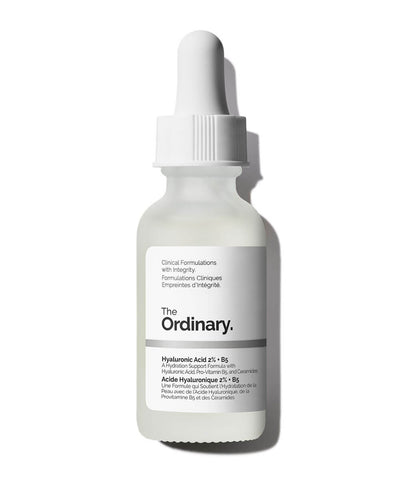
Hyaluronic acid serum supports surface hydration and a plumper look. Choose hyaluronic acid serum when your skin feels tight, rough, or dehydrated.
Apply hyaluronic acid serum to slightly damp skin. For example, use 2 to 3 drops after cleanser, then apply moisturizer quickly.
Niacinamide Serum for Oil and Pores
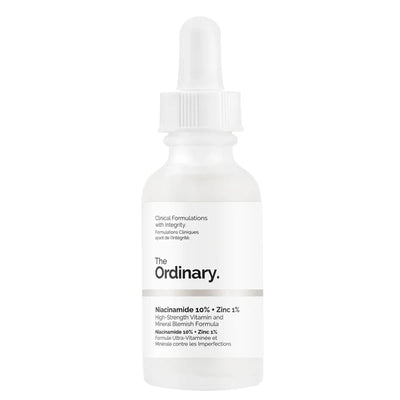
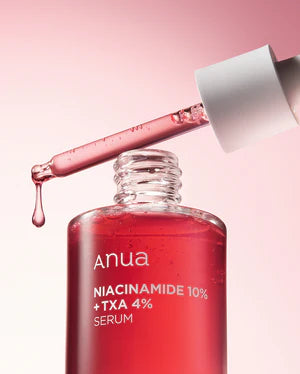
Niacinamide serum supports balanced oil and smoother-looking pores. Choose niacinamide serum for oily skin, combination skin, and uneven tone.
Khayest lists niacinamide products for shoppers who want oil-control support. A product such as The INKEY List Niacinamide Serum targets enlarged pores and excess oil.
Retinol Serum for Fine Lines
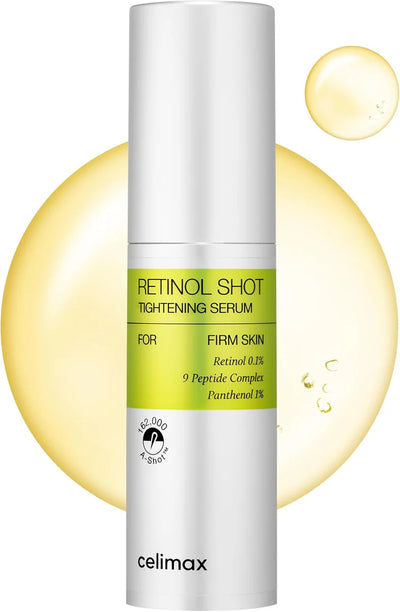
Retinol serum supports smoother texture and fine-line care. Use retinol serum at night because retinol increases routine sensitivity.
Start with 1 night weekly for 2 weeks. Increase to 2 nights weekly when your skin feels calm. Always use sunscreen in the morning.
Salicylic Acid Serum for Breakouts
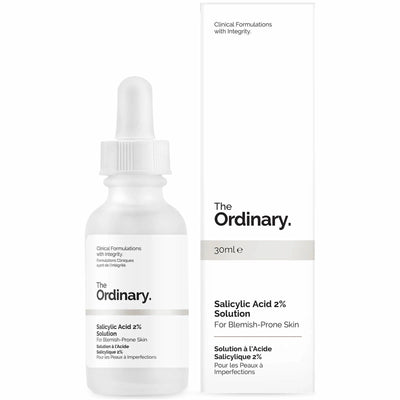
Salicylic acid serum supports clogged pores and blemish-prone skin. Choose salicylic acid serum for blackheads, whiteheads, and oily congestion.
Use salicylic acid serum carefully. Apply a thin layer at night. Avoid layering salicylic acid with retinol on the same night.
How to Use Serum in a Daily Routine

To use serum in a daily routine, apply serum after cleansing and before moisturizer. Use 2 to 3 drops, about 0.1ml to 0.15ml, for the whole face.
Start with clean skin. Pat the face dry with a soft towel. Drop the serum onto fingertips. Press the serum across the cheeks, forehead, chin, and neck. Avoid rubbing hard because pressure can irritate sensitive skin.
Wait 30 to 60 seconds before moisturizer. This waiting time lets the serum settle. Use moisturizer after serum because moisturizer supports comfort and reduces dryness from active ingredients.
Use sunscreen every morning after serum and moisturizer. Sunscreen protects results from dark spots, dullness, and early signs of aging. A morning serum routine without sunscreen gives weaker visible support.
When Should You Apply Serum?
Apply serum after cleanser and before moisturizer. Morning serum suits antioxidant, hydrating, and brightening formulas. Night serum suits retinol and exfoliating acids.
Morning options include vitamin C serum, hyaluronic acid serum, peptide serum, and niacinamide serum. Night options include retinol serum, salicylic acid serum, lactic acid serum, and glycolic acid serum.
You do not need 5 serums at once. Use 1 serum for your main goal. Add a second serum only when your skin tolerates the first serum well.
For daily pairing, Khayest also lists
For daily pairing, Khayest also lists skincare products online including cleansers, moisturizers, and sunscreens.
How to Choose Serum for Your Skin Type
Choose serum by skin type first. Choose serum by concern second. This method reduces irritation and improves routine comfort.
Dry Skin Serum Choice
Dry skin needs hydration and barrier support. Choose hyaluronic acid serum, peptide serum, ceramide serum, or glycerin-based serum.
A hydration option such as
A hydration option such as Vince hyaluronic serum can support dry-looking and dehydrated-looking skin.
Oily Skin Serum Choice
Oily skin needs lightweight textures and oil-balancing ingredients. Choose niacinamide serum, salicylic acid serum, or water-based vitamin C serum.
Avoid heavy oil serums when your pores clog easily. Use gel textures and apply moisturizer only after the serum settles.
Sensitive Skin Serum Choice
Sensitive skin needs simple formulas and slow introduction. Choose fragrance-free serums with niacinamide, hyaluronic acid, peptides, or panthenol.
Patch test new serum on a small area first. Use 1 new product for 7 days before adding another product.
Acne-Prone Skin Serum Choice
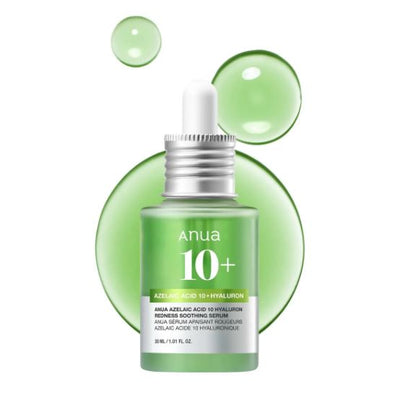
Acne-prone skin needs pore-focused formulas and gentle layering. Choose salicylic acid serum, niacinamide serum, or azelaic acid serum.
Avoid strong exfoliating serum and retinol serum on the same night. Use sunscreen daily because acne marks darken with sun exposure.
Which Ingredients Should You Know Before Buying Serum?
Ingredients tell you what serum can support. Before buying, read the active ingredient, texture, and usage note on the product page.
Many shoppers ask what is serum because serum names can sound technical. Ingredient names make the answer easier. Vitamin C, hyaluronic acid, niacinamide, retinol, peptides, and salicylic acid each support different skin goals.
A clear answer to what is serum should name the active ingredient and the skin goal. For example, hyaluronic acid supports hydration.
Antioxidants for Daytime Care
Antioxidants support daytime skin care against visible dullness and environmental stress. Vitamin C, ferulic acid, green tea, and vitamin E are named examples.
Choose antioxidant serum in the morning. Apply sunscreen after moisturizer because sunscreen protects your daytime routine.
Humectants for Hydration
Humectants attract water to the skin surface. Hyaluronic acid, glycerin, sodium polyglutamate, and aloe vera are named examples.
Choose humectant serum for dry, tight, or dehydrated-looking skin. Apply humectant serum on slightly damp skin, then add moisturizer.
Exfoliating Acids for Texture
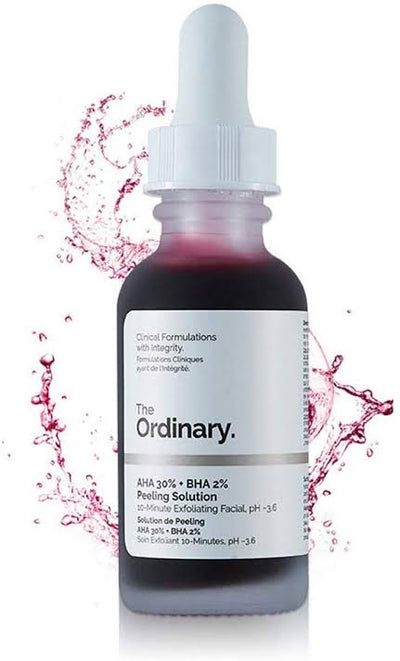
Exfoliating acids support smoother-looking texture and clearer-looking pores. Glycolic acid, lactic acid, mandelic acid, and salicylic acid are named examples.
Use exfoliating acid serum at night. Start with 1 night weekly when your skin feels new to acids.
How to Patch Test Serum Before Full Use
To patch test serum before full use, apply a small amount to a hidden area first. Use an area about 1 inch (2.5cm) wide near the jawline.
Leave the serum on the patch area for 24 hours. Check for burning, swelling, strong redness, or itching. Apply the serum to the full face only when your skin feels normal.
Patch testing matters because active serums feel stronger than basic creams. A patch test helps sensitive skin avoid sudden irritation.
People often ask what is serum before trying retinol or acids. The safe answer includes patch testing because strong actives need slow introduction.
How to Layer Serum With Other Skincare Products
To layer serum with other skincare products, apply products from thinnest texture to thickest texture. Cleanser comes first, serum comes second, moisturizer comes third, and sunscreen comes last in the morning.
Use vitamin C serum before sunscreen in the morning. Use retinol serum before moisturizer at night. Use hyaluronic acid serum before moisturizer in morning or night routines.
Do not layer every active serum together. Pair gentle options first, such as hyaluronic acid with niacinamide. Keep retinol and acid serums on separate nights.
A beginner routine needs 4 steps: cleanser, serum, moisturizer, and sunscreen. This simple structure answers what is serum for new users because serum becomes the targeted treatment step.
What Is Serum for Different Skin Goals?

Serum supports different goals through different active ingredients. Use hydration serum for tight skin, brightening serum for dull skin, and pore serum for oily skin.
For glow, choose vitamin C serum, niacinamide serum, or alpha arbutin serum. For hydration, choose hyaluronic acid serum, peptide serum, or glycerin serum. For acne-prone skin, choose salicylic acid serum, niacinamide serum, or azelaic acid serum.
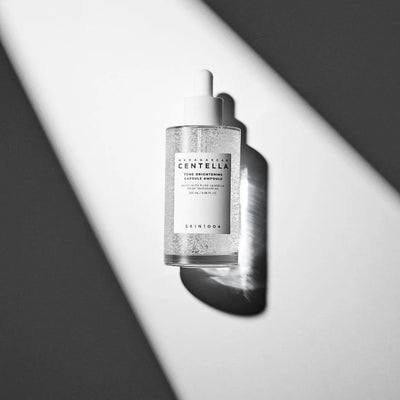
For aging concerns, choose retinol serum, peptide serum, or antioxidant serum. For sensitive skin, choose barrier-supporting serum with ceramides, panthenol, or centella asiatica.
This goal-based approach helps you answer what is serum before spending money. Serum should match a clear need, not only a trend.
The safest answer to what is serum includes patience. Most serums need consistent use for visible results.
Which Serum Mistakes Should You Avoid?
Avoid using too many strong serums in 1 routine. Too many actives can create dryness, redness, peeling, and breakouts.
- · Choose 1 main active serum before adding another serum.
- · Apply serum after cleanser and before moisturizer.
- · Use sunscreen after morning serum routines.
- · Avoid mixing retinol serum with exfoliating acids on the same night.
- · Store vitamin C serum away from heat and direct sunlight.
- · Stop using a serum that causes burning, swelling, or strong irritation.
More product does not create faster results. A thin layer works better than sticky buildup. Consistency creates better visible results than heavy application.
A beginner who asks what is serum should avoid mixing strong actives too quickly. Simple layering protects skin comfort.
Where Can You Shop Serum at Khayest?
You can shop serum at Khayest by concern, brand, and active ingredient. Khayest carries formulas for hydration, brightness, pores, texture, and breakouts.
Shoppers can compare The Ordinary, Vince, CeraVe, The INKEY List, Glow Recipe, COSRX, and Korean skincare formulas. Product listings show names, sizes, prices, and active ingredients.
Choose a serum after checking 3 details: active ingredient, skin concern, and routine timing. For example, use hyaluronic acid for hydration, vitamin C for dullness, and salicylic acid for clogged pores.
Khayest helps shoppers in Pakistan build simple skincare routines with serum, cleanser, moisturizer, and sunscreen in 1 store.
Khayest answers what is serum through product variety, active ingredient choices, and clear shopping categories.
Frequently Asked Questions About Serum
What is serum in skincare?
Serum is a lightweight treatment with concentrated active ingredients. Serum targets concerns, such as dryness, dullness, pores, texture, and fine lines.
Do you apply serum before moisturizer?
Yes. Apply serum before moisturizer because serum has a lighter texture. Moisturizer seals comfort after serum.
Can you use serum every day?
Yes. Many serums suit daily use, but retinol and exfoliating acid serums need slower introduction.
Which serum suits beginners?
Hyaluronic acid serum suits most beginners because hydration support works for dry, oily, and combination skin.
Can you use 2 serums together?
Yes. Use 2 serums together only when formulas match. Pair hyaluronic acid with vitamin C, or niacinamide with hyaluronic acid.
Final Thoughts on What Is Serum
Now you know what is serum and how serum fits inside a simple skincare routine. Serum gives targeted support for concerns, such as dullness, dryness, visible pores, breakouts, fine lines, and uneven tone.
Choose serum by skin type, active ingredient, and routine timing. Apply serum after cleanser, seal serum with moisturizer, and use sunscreen every morning. Start with 1 targeted formula and keep your routine consistent.
Shop the
Shop the face serum collection at Khayest today for hydration, glow, pores, and texture support.