
How to Exfoliate Scalp
Learning how to exfoliate scalp can help you manage product buildup, excess oil and dead skin cells without making your scalp feel irritated. The key is to exfoliate gently and choose a method that suits your scalp and hair type. From scalp scrubs to chemical exfoliants, the right routine can make scalp care simpler.
What Is Scalp Exfoliation?
 Scalp exfoliation is the process of removing excess buildup, dead skin cells, oil and residue from the scalp. Just like the skin on your face and body, your scalp can collect things over time.
Sweat, natural oils, styling products, dry shampoo and dead skin cells can all contribute to buildup. When this happens, your scalp may feel greasy, itchy, heavy or uncomfortable.
However, scalp exfoliation does not mean aggressively scratching or scrubbing your head. The goal is to gently loosen unwanted buildup while keeping the scalp comfortable.
There are two main types of exfoliation: physical and chemical.
Physical exfoliation uses gentle friction. This may come from a scalp scrub, your fingertips or a scalp brush.
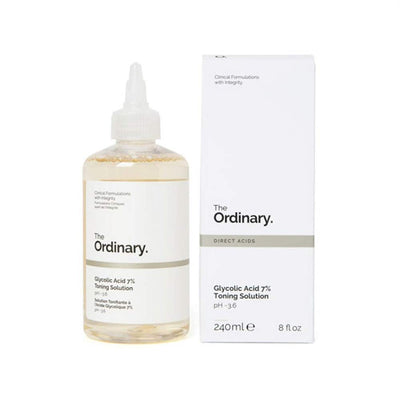
Chemical exfoliation uses ingredients designed to loosen dead skin cells and buildup. Common examples include salicylic acid and certain alpha hydroxy acids.
Neither option is automatically better. The best choice depends on your scalp condition, hair type and the products you already use.
Why Should You Exfoliate Your Scalp?
A healthy scalp needs regular cleansing, but some people may benefit from occasional exfoliation.
Scalp Buildup and Product Residue
Hair products can leave residue on the scalp, especially when you regularly use gels, creams, oils, waxes or dry shampoo.
Over time, this product buildup can make the scalp feel coated or greasy.
A suitable exfoliating treatment can help loosen this surface residue so that your normal cleansing routine can work more effectively.
Dead Skin Cells and Excess Oil
Your scalp naturally sheds dead skin cells and produces oil. When these mix with sweat and product residue, they can collect on the scalp.
Gentle exfoliation may help remove some of this surface buildup.
However, more exfoliation is not always better. Scrubbing too often can cause dryness and irritation.
Does Scalp Exfoliation Help Hair Health?
A clean scalp is an important part of overall hair care, but exfoliation should not be treated as a guaranteed hair-growth treatment.
Removing buildup can make the scalp feel fresher and cleaner. However, there is a big difference between maintaining the scalp and treating hair loss.
If you are experiencing unusual shedding, bald patches or significant changes in hair density, exfoliation alone is not the answer.
How to Exfoliate Scalp Step by Step
If you are wondering how to exfoliate your scalp, the process is easier than it may seem.
You do not need to scrub your scalp for several minutes. In fact, gentle application is usually the better approach.
Step 1: Section Your Hair
Start by dividing your hair into a few sections.
This is especially helpful if you have thick, curly or textured hair. It allows you to reach the scalp instead of spreading most of the product onto the hair itself.
You do not need perfect sections. Simply create enough space to apply the product directly to the scalp.
Step 2: Apply the Exfoliator to Your Scalp
Choose a scalp exfoliator that suits your needs.
If you are using a physical scrub, apply a small amount directly to the scalp. If you are using a chemical exfoliating treatment, follow the product instructions carefully.
Avoid applying large amounts. More product does not necessarily provide better results.
Step 3: Massage Gently
Use the pads of your fingertips to massage the scalp.
Avoid scratching with your fingernails. Nails can create tiny scratches and make an already sensitive scalp feel worse.
Use small, gentle circular movements.
You are trying to loosen buildup, not scrape it away.
If you are using a scalp brush, use light pressure and stop if the brush causes discomfort.
Step 4: Rinse Thoroughly
Once you have finished, rinse your scalp thoroughly.
This step matters because leftover scrub or product can create more buildup.
If you have thick or curly hair, spend extra time rinsing between sections.
Step 5: Shampoo and Condition
Depending on the product you are using, you may shampoo after exfoliating.
Always follow the directions on a formulated scalp exfoliant.
After washing, apply conditioner mainly to the lengths and ends if your scalp tends to become oily.
If your scalp is dry, choose a gentle hair-care routine rather than adding more exfoliating products.
Physical vs Chemical Scalp Exfoliation
There are several ways to exfoliate your scalp. The two broad categories are physical and chemical exfoliation.
Scalp Scrubs
A scalp scrub contains particles that provide physical exfoliation.
It can be useful when you want to loosen surface buildup manually.
However, the texture matters. Very coarse particles can feel harsh, especially when used with too much pressure.
If a scrub feels scratchy or painful, stop using it.
Scalp Brushes
A scalp brush can help distribute shampoo or a scalp treatment while providing gentle physical stimulation.
The important word is gentle.
You do not need to press a brush firmly into the scalp. Moving it lightly over the scalp is enough.
A brush should never leave your scalp sore.
For curly and coily hair, a scalp brush can also make it easier to work a product through the scalp without using your fingernails.
Salicylic Acid and Other Chemical Exfoliants
Chemical exfoliants work differently from physical scrubs.
Salicylic acid is a common ingredient in products designed to manage oil and buildup. Some scalp products also contain alpha hydroxy acids.
These products can be useful for people who dislike grainy scrubs or find them difficult to rinse from the hair.
However, chemical exfoliants are still active skincare ingredients. Follow the product instructions and avoid combining several strong scalp treatments unless you know your scalp can tolerate them.
If you want salon results at home, see our detailed guide to kerastase and how to add it to your routine.
How to Exfoliate Scalp for Different Hair Types
 Your hair type can affect how easy it is to reach and clean your scalp.
Curly and Coily Hair
If you have curly or coily hair, you may find it harder to reach the scalp because of hair density and texture.
Start by creating sections and apply the product directly to the scalp.
A liquid or gel-based scalp exfoliant may be easier to distribute than a grainy scrub.
Take your time when rinsing because physical scrub particles can become trapped between curls.
There is also no need to disturb the entire hair length when your goal is scalp exfoliation.
Straight and Fine Hair
Fine or straight hair can show oil and buildup more quickly.
If your roots become greasy soon after washing, focus on cleansing the scalp rather than repeatedly exfoliating it.
A lightweight scalp treatment may be more suitable than a heavy oil-based scrub.
Thick Hair
Thick hair can make it difficult to reach every part of the scalp.
Sectioning is the easiest solution.
Instead of applying a large amount of product over your entire head, work in smaller areas.
This helps you use less product and rinse more effectively.
Oily Scalp
An oily scalp can make buildup more noticeable.
However, excessive exfoliation can sometimes make the scalp feel uncomfortable.
Start with proper cleansing and add exfoliation only when you feel it is useful.
You do not need to scrub your scalp every time it feels oily.
Dry Scalp
Dryness requires extra care.
If your scalp is dry and tight, aggressive exfoliation may make the problem worse.
Before using a scalp scrub, consider whether the flakes are actually caused by dryness, product buildup or another scalp condition.
Use gentle products and avoid scratching.
Can You Exfoliate a Flaky or Dandruff-Prone Scalp?
This is where many people make a mistake.
Not every flaky scalp needs a physical scrub.
Dandruff can be linked to several factors, and simply removing visible flakes does not necessarily solve the underlying issue.
If you have persistent dandruff, an appropriate anti-dandruff shampoo may be more useful than repeatedly exfoliating your scalp.
Look for products designed specifically for dandruff and follow their directions.
If your scalp remains flaky, itchy or inflamed despite appropriate care, consider getting professional advice.
Scalp Exfoliation vs Dandruff Treatment
Although these terms are sometimes used interchangeably, scalp exfoliation and dandruff treatment are not the same.
Exfoliation mainly focuses on removing surface buildup.
Dandruff treatment focuses on managing the scalp condition causing persistent flaking.
For example, a scrub might remove flakes temporarily. However, they may return if the underlying scalp issue has not been addressed.
This is why you should not keep increasing the frequency of exfoliation just because your flakes have not disappeared.
If you have ongoing dandruff, choose products designed for dandruff care rather than relying only on a physical scrub.
How Often Should You Exfoliate Your Scalp?
There is no single answer to how often to exfoliate scalp.
Your ideal frequency depends on your scalp, the type of exfoliant you use and how your skin reacts.
Some people may find occasional exfoliation helpful, while others may not need it at all.
If you use a strong chemical exfoliant, follow the manufacturer's instructions instead of creating your own schedule.
For a physical scrub, avoid making it a daily habit.
Signs that you may be exfoliating too much include:
- Redness
- Burning
- Increased dryness
- Tenderness
- Itching
- Flaking that becomes worse
If these symptoms appear, stop exfoliating and return to a simple scalp-care routine.
Can You Exfoliate Your Scalp Naturally?
Yes, but natural does not automatically mean gentle.
Many DIY recipes recommend sugar, salt, coffee grounds or other rough ingredients as a natural scalp exfoliation method.
The problem is that coarse particles can be difficult to control. They may also become trapped in thick or curly hair.
Instead of choosing an ingredient simply because it is natural, consider its texture and how your scalp reacts.
A gentle scalp massage while shampooing can sometimes be a simpler approach to removing loose surface buildup.
If you want stronger exfoliation, a properly formulated scalp product may provide more predictable results than a homemade scrub.
Common Scalp Exfoliation Mistakes
One of the biggest mistakes is using too much pressure.
You should never feel as though you are scratching dirt away from your scalp.
Another mistake is exfoliating too often.
If your scalp already feels dry, sore or irritated, adding another exfoliating treatment may not help.
It is also easy to focus on the hair instead of the scalp. When using a scalp treatment, create sections and apply the product close to the roots.
Finally, do not ignore persistent symptoms. A scalp that stays itchy, painful, red or heavily flaky may need more than an exfoliating treatment.
Does Scalp Exfoliation Help Hair Growth?
 This is one of the most common questions about scalp exfoliation.
Exfoliating your scalp can help remove surface buildup and make your scalp feel cleaner. However, there is not enough reason to treat ordinary exfoliation as a direct hair-growth solution.
Hair growth depends on many factors, including genetics, hormones, nutrition and overall health.
If you are concerned about hair thinning or excessive shedding, focus on finding the cause rather than simply exfoliating more often.
A dermatologist can help determine why your hair is changing and recommend suitable treatment.
Can You Exfoliate Your Scalp Before or After Shampooing?
The answer depends on the product.
Some physical scalp scrubs are designed to be used before shampooing, while others may be used during the cleansing process.
Chemical exfoliating treatments can also have different instructions.
Therefore, check the product label rather than assuming every scalp exfoliator should be used in the same way.
If you are using a DIY method, keep the routine simple and rinse thoroughly.
Is a Scalp Brush Better Than Using Your Fingers?
Not necessarily.
A scalp brush can make it easier to distribute shampoo or a treatment, but your fingertips can also provide gentle massage.
The most important factor is pressure.
If you use your fingers, keep your nails away from the scalp and use your fingertips.
If you use a brush, choose one designed for scalp use and move it gently.
A tool should make your routine easier, not more aggressive.
What Should You Apply After Exfoliating Your Scalp?
After exfoliation, you usually do not need a complicated routine.
Rinse your scalp thoroughly and continue with your normal hair-washing routine.
If your scalp feels dry, avoid immediately adding several active products.
For the hair itself, conditioner can be applied to the lengths and ends.
If you use a leave-in scalp treatment, make sure it is suitable for your scalp and does not cause irritation.
The goal is to keep the scalp comfortable after exfoliation.
When Should You Stop Exfoliating Your Scalp?
Stop if you experience burning, pain, significant redness, increased itching or worsening flaking.
You should also avoid exfoliating over cuts, wounds or irritated skin.
Persistent scalp symptoms should not be treated by repeatedly scrubbing the area.
If you have severe dandruff, thick scales, sores, swelling or ongoing hair loss, speak with a dermatologist.
Frequently Asked Questions
How to exfoliate scalp at home?
Section your hair, apply a suitable scalp exfoliator directly to the scalp, massage gently with your fingertips, and rinse thoroughly. Follow the product instructions if you are using a formulated exfoliant.
How often should you exfoliate your scalp?
There is no universal frequency. Occasional exfoliation may be enough for some people. Follow the instructions for chemical exfoliants and reduce or stop use if your scalp becomes irritated.
Can I use a scalp scrub for dandruff?
A scalp scrub may remove some surface flakes, but it does not necessarily treat the cause of dandruff. Persistent dandruff may need a suitable anti-dandruff treatment.
Is scalp exfoliation good for hair growth?
Scalp exfoliation can help remove surface buildup, but it should not be considered a direct hair-growth treatment. Persistent hair loss should be assessed by a healthcare professional.
Can I exfoliate my scalp if I have curly hair?
Yes, but section your hair first and apply the product directly to the scalp. Liquid or gel exfoliants may be easier to rinse than grainy scrubs in thick or curly hair.
Conclusion
Learning how to exfoliate scalp is mainly about finding the right balance. Gentle exfoliation can help remove excess oil, dead skin cells and product buildup, but aggressive scrubbing can leave the scalp irritated.
Start with a simple method and choose an exfoliator based on your scalp type. Use your fingertips rather than your nails, rinse thoroughly, and avoid exfoliating too often. If you have curly or thick hair, work in sections so the product reaches the scalp.
Most importantly, do not confuse scalp exfoliation with dandruff treatment. Persistent flakes, itching, redness or hair loss may require a different approach.
For more practical skincare and personal-care tips, explore Khayest and build a routine that works with your skin, scalp and everyday lifestyle.