
What Is PA+++ in Sunscreen? UVA Skin Defense Guide
PA+++ means high protection against Ultraviolet A (UVA) rays. What Is PA+++ in Sunscreen? The PA rating tells you how well sunscreen helps defend skin from UVA-linked tanning, dark spots, pigmentation, and early aging.
SPF still matters because Sun Protection Factor (SPF) mainly measures Ultraviolet B (UVB) sunburn protection. Choose sunscreen with SPF 30 or higher, broad-spectrum coverage, and PA+++ or PA++++ for stronger daily protection.
What Is PA+++ in Sunscreen?

PA+++ shows high UVA protection. The PA system means Protection Grade of UVA, and the plus signs show UVA defense strength.
What Is PA+++ in Sunscreen for everyday use? PA+++ tells you that the formula passed a UVA protection test and reached a high rating level. Many Asian sunscreens, such as Korean and Japanese formulas, display PA ratings beside SPF numbers.
A PA+++ sunscreen helps protect against UVA concerns such as tanning, melasma, brown patches, and photoaging. UVA rays reach deeper skin layers than UVB rays, and UVA rays pass through clouds and glass more easily than UVB rays.
A sunscreen label can show SPF 50, PA+++, or PA++++. SPF and PA do different jobs, so you should read both labels before buying.
What Does PA Mean on Sunscreen Labels?
PA means Protection Grade of UVA. The PA scale uses plus signs to show how much UVA protection a sunscreen gives.
The PA system comes from Persistent Pigment Darkening (PPD). PPD measures how much UVA exposure skin can tolerate before visible darkening starts. Higher PPD means stronger UVA protection.
The standard PA scale has 4 main levels:
- PA+ means some UVA protection, usually PPD 2 to 4.
- PA++ means moderate UVA protection, usually PPD 4 to 8.
- PA+++ means high UVA protection, usually PPD 8 to 16.
- PA++++ means extremely high UVA protection, usually PPD 16 or higher.
These labels help you compare daily sunscreen choices. PA+++ suits many daily routines, while PA++++ gives stronger UVA defense for stronger sun, dark spots, or pigmentation concerns.
How Is PA+++ Different From SPF?

PA+++ and SPF measure different sun risks. SPF focuses mainly on UVB rays, while PA focuses on UVA rays.
Many shoppers choose sunscreen by SPF only. That habit leaves a knowledge gap because SPF 50 alone does not explain UVA strength. A complete label should show SPF, PA or broad-spectrum protection, and water resistance when needed.
SPF Protects Mainly Against UVB
SPF measures UVB sunburn protection. UVB rays cause redness, burning, and surface sun damage during outdoor exposure.
SPF 30 blocks about 97% of UVB rays under proper test conditions. SPF 50 blocks about 98% of UVB rays under proper test conditions. These numbers still require enough product and timely reapplication.
PA Protects Against UVA
PA measures UVA protection strength. UVA rays connect strongly with tanning, uneven tone, fine lines, and stubborn pigmentation.
What Is PA+++ in Sunscreen compared with SPF? PA+++ gives UVA information that SPF alone does not give. PA+++ helps you judge protection for dark spots and photoaging.
Broad-Spectrum Covers UVA and UVB
Broad-spectrum sunscreen covers both UVA and UVB rays. A broad-spectrum label helps you avoid UVB-only thinking.
Broad-spectrum wording alone does not always show the exact UVA level. PA+++, PA++++, or a UVA circle gives extra context when labels show those markers.
|
Task |
Timing |
Method |
Difficulty |
|
Read the SPF label |
Before buying |
Choose SPF 30 or higher for daily face use |
Easy |
|
Check the PA rating |
Before buying |
Choose PA+++ or PA++++ for stronger UVA protection |
Easy |
|
Apply enough sunscreen |
Morning routine |
Use 2 finger-length lines, about 3 inches (7.5cm) total, for face and neck |
Medium |
|
Reapply outdoors |
Every 2 hours outside |
Reapply after sweating, towel drying, or swimming |
Medium |
|
Choose texture |
Before daily use |
Pick gel, fluid, cream, or tinted formulas by skin type |
Easy |
|
Replace old product |
After expiry date |
Discard changed, separated, or expired sunscreen |
Easy |
Is PA+++ Good Enough for Daily Sunscreen?
Yes, PA+++ is good for many daily routines. PA+++ works well for commuting, school, office days, and moderate outdoor exposure.
What Is PA+++ in Sunscreen for daily face care? PA+++ means your sunscreen gives high UVA protection, which supports care for tanning, dullness, and dark marks. PA+++ pairs well with SPF 30 or SPF 50 for normal daily sun exposure.
Choose PA+++ when you spend limited time outside, sit near windows, or commute in morning sun. Choose PA++++ when you face stronger sun, longer outdoor exposure, melasma, or stubborn hyperpigmentation.
Daily sunscreen works better when the texture feels comfortable. Greasy sunscreen often stays unused. Lightweight fluids, gel creams, and invisible sunscreens help oily and combination skin stay consistent.
Is PA++++ Better Than PA+++?
Yes, PA++++ gives stronger UVA protection than PA+++. PA++++ reaches the highest common PA rating on Asian sunscreen labels.
PA++++ usually means PPD 16 or higher. PA+++ usually means PPD 8 to 16. The higher rating helps people who worry about tanning, dark spots, melasma, or strong afternoon sun.
PA++++ does not make sunscreen perfect. Amount, coverage, sweating, and reapplication still decide real-life protection. A PA++++ sunscreen applied too thinly gives weaker protection than the label suggests.
Choose PA++++ for long commutes, driving, outdoor sports, beach days, school pickup hours, and Pakistan summer heat. Choose PA+++ for daily comfort when a product fits your skin better and you apply sunscreen correctly.
How to Choose Sunscreen With PA+++

To choose sunscreen with PA+++, match the label, skin type, and daily exposure level. A good sunscreen should protect well and feel wearable every morning.
Start with SPF 30 or higher, then check PA+++ or PA++++. Next, choose texture by skin type. Finally, check finish concerns such as white cast, pilling, fragrance, and greasy shine.
Choose SPF 30 or Higher
Choose SPF 30 or higher for daily use. SPF 30 gives strong UVB protection when you apply enough sunscreen.
SPF 50 suits Pakistan heat, stronger sun, outdoor errands, and longer exposure. Many face sunscreens now combine SPF 50 with PA+++ or PA++++, which gives a clearer protection profile.
Choose Broad-Spectrum Protection
Choose broad-spectrum sunscreen for UVA and UVB coverage. Broad-spectrum language helps you avoid products that focus only on sunburn.
Look for broad-spectrum, PA+++, PA++++, UVA circle, zinc oxide, titanium dioxide, or modern chemical filters. These label clues help you understand the protection type before purchase.
Choose Texture for Your Skin Type
Choose a texture that you will wear daily. Oily skin often prefers gel, fluid, and matte sunscreens.
Dry skin often prefers cream, lotion, and hydrating sunscreen. Sensitive skin often prefers fragrance-free formulas and mineral filters such as zinc oxide and titanium dioxide.
You can browse Khayest sunscreen options when you want SPF products with different textures, PA ratings, skin-type choices, and daily outdoor comfort in Pakistan heat and strong sun exposure.
What Is PA+++ in Sunscreen for Dark Spots?
PA+++ helps protect skin from UVA-linked pigmentation. UVA exposure can worsen dark spots, melasma, tanning, and uneven tone.
What Is PA+++ in Sunscreen for people with dark marks? PA+++ signals a high UVA defense level, which supports a brighter-looking routine when you also reapply sunscreen and avoid peak sun.
People With Dark Spots
People with dark spots should choose PA+++ or PA++++. UVA rays can deepen brown marks and slow visible fading.
Use sunscreen every morning after moisturizer. Apply about 2 finger-length lines, about 3 inches (7.5cm) total, to cover face and neck.
People With Melasma
People with melasma need stronger daily UVA protection. Melasma can react to UVA, visible light, and heat.
Choose SPF 50 with PA++++ when possible. Tinted sunscreens can also help with visible light protection because iron oxides support coverage for discoloration-prone skin.
People Exposed to Strong Sun
People in strong sun need SPF, PA, shade, and reapplication. Sunscreen alone cannot cover every exposure mistake.
Use a hat with a 3-inch (7.5cm) brim, sunglasses, and shade during peak heat. Reapply sunscreen every 2 hours outdoors.
How to Use PA+++ Sunscreen Correctly

To use PA+++ sunscreen correctly, apply enough product and reapply during outdoor exposure. Label strength depends on proper use.
Apply sunscreen as the last skincare step before makeup. Cover forehead, cheeks, nose, chin, ears, neck, and the back of the hands. Use about 1 teaspoon (5ml) for face, neck, and ears when you need generous coverage.
Wait about 15 minutes before direct outdoor exposure. Reapply every 2 hours outdoors, and reapply sooner after swimming, heavy sweating, or towel drying.
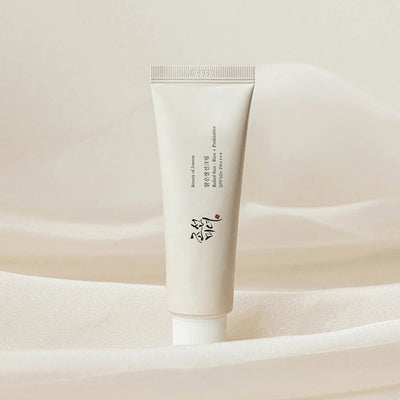
For sensitive or dry skin, the Khayest COSRX aloe sunscreen product page lists SPF50+ PA+++ protection, aloe extract, hydration, and a lightweight non-greasy finish.
What Does PA+++ Not Tell You?
PA+++ does not tell you the full sunscreen story. PA+++ explains UVA strength, but PA+++ does not describe every use detail.
PA+++ does not tell you the SPF level. A product can show PA+++ and still need a clear SPF number for UVB protection. Choose both label markers together, not one label marker alone.
PA+++ does not tell you water resistance. Choose water-resistant sunscreen for swimming, sports, outdoor work, beach days, and heavy sweating. Reapply after towel drying because rubbing removes product from skin.
PA+++ does not tell you texture, finish, or comfort. A high-rated sunscreen still feels wrong for you if the formula stings, pills, leaves heavy shine, or creates a white cast.
PA+++ does not replace enough product. Use about 2 finger-length lines, about 3 inches (7.5cm) total, for face and neck. Use about 1 ounce (30ml) for full exposed body coverage during outdoor days.
How to Read a PA+++ Sunscreen Label
To read a PA+++ sunscreen label, check 5 items before buying. Read SPF, PA rating, broad-spectrum claim, texture, and skin-type fit.
Start with SPF because SPF tells you UVB protection. Then check PA because PA tells you UVA protection. Next, check broad-spectrum language because broad-spectrum confirms the formula targets both UVA and UVB exposure.
Read product size and usage details before purchase. A 1.69 fl oz (50ml) tube lasts longer when you use sunscreen only on the face. A 2.98 fl oz (88ml) bottle suits face, neck, arms, and hands better for outdoor routines.
Read finish claims such as invisible, matte, hydrating, tinted, non-greasy, or fragrance-free. These claims help you choose sunscreen for makeup, oily skin, dry skin, sensitive skin, and deeper skin tones.
Read the expiry date before use. Fresh sunscreen protects more reliably than expired sunscreen. Replace separated, gritty, watery, discolored, or strange-smelling sunscreen before outdoor exposure.
Use the same reading order every time you compare sunscreens. First confirm SPF 30 or SPF 50, then confirm PA+++ or PA++++, then check water resistance for outdoor use. Finish by checking texture because comfort decides daily compliance. A correct label still fails your routine when the product feels greasy, sticky, drying, or chalky on your face.
For Pakistan weather, sunscreen texture matters because heat, dust, humidity, and makeup can change wear time. Choose invisible or matte sunscreen for oily skin. Choose hydrating cream sunscreen for dry skin. Choose mineral or fragrance-free sunscreen for sensitive skin. Reapply carefully during harsh afternoon sun every day.
Common PA Rating Mistakes to Avoid
The biggest mistake is treating SPF and PA as the same label. SPF does not replace the PA rating, and PA does not replace SPF.
Avoid 6 common sunscreen label mistakes:
- Avoid buying high SPF without checking UVA or broad-spectrum protection.
- Avoid assuming PA++++ removes the need for reapplication.
- Avoid using too little product because thin layers reduce real protection.
- Avoid choosing sunscreen only by fragrance, packaging, or trend claims.
- Avoid skipping sunscreen indoors when you sit beside sunny windows.
- Avoid ignoring skin type because discomfort leads to missed daily use.
What Is PA+++ in Sunscreen for product comparison? PA+++ gives one part of the answer. You still need SPF, broad-spectrum coverage, comfortable texture, fresh product, and daily consistency.
Shop Sunscreen and Skincare Essentials at Khayest
Khayest helps you compare sunscreen by SPF, PA rating, texture, and skin type. You can choose formulas for daily wear, dry skin, oily skin, sensitive skin, and invisible finish concerns.
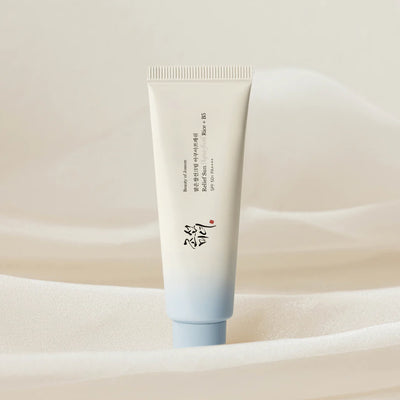
For a lightweight option, the Khayest COSRX invisible sunscreen product page lists SPF50 PA++++, an invisible finish, and a non-greasy feel for daily use.
Look for products that match your routine. Pick gel or fluid sunscreen for oily skin. Pick cream sunscreen for dry skin. Pick fragrance-free or mineral options for sensitive skin. Pick tinted formulas when discoloration and visible light concerns matter.
FAQs About PA+++ Sunscreen
Is PA+++ good for daily use?
Yes, PA+++ is good for daily use. PA+++ gives high UVA protection for commuting, indoor window exposure, and moderate outdoor time.
Does PA+++ protect from tanning?
Yes, PA+++ helps reduce UVA-linked tanning. Strong sun, low product amount, and missed reapplication still allow tanning.
Is PA++++ better than PA+++?
Yes, PA++++ gives stronger UVA protection. Choose PA++++ for melasma, dark spots, long commutes, and strong outdoor sun.
Do I need SPF if sunscreen has PA+++?
Yes, you need SPF with PA+++. PA+++ covers UVA rating, while SPF covers UVB sunburn protection.
What Is PA+++ in Sunscreen compared with broad-spectrum?
PA+++ shows a high UVA rating, while broad-spectrum means UVA and UVB coverage. Both labels help you choose better sunscreen.
Final Answer: What Is PA+++ in Sunscreen?
PA+++ in sunscreen means high UVA protection. The label helps you choose products that support care for tanning, dark spots, pigmentation, melasma, and photoaging.
Choose SPF 30 or higher for UVB protection, then choose PA+++ or PA++++ for stronger UVA protection. For daily sun care in Pakistan, shop the Khayest daily sunscreen range and pick a formula that matches your skin type, texture preference, and outdoor routine.