
What Is Face Serum Used For?
What is face serum used for? A face serum targets specific skin concerns, such as dryness, dullness, acne marks, fine lines, and uneven texture.
A face serum delivers concentrated active ingredients after cleansing and before moisturizer, so your skin receives focused care.
A serum for face feels lighter than a cream and absorbs faster than many rich products. The formula usually contains active ingredients, such as vitamin C, hyaluronic acid, niacinamide, retinol, salicylic acid, or peptides. Each ingredient supports a different goal, so your skin type should guide your choice.
Khayest skincare shoppers often ask why serums cost more than basic creams. The answer comes from concentration and purpose. A cleanser removes buildup. A moisturizer seals comfort. A skincare serum targets one clear concern with a lighter texture and a smaller amount.
What Is Face Serum Used For in 2026?
Face serum supports targeted skin goals. The main use is focused treatment, not basic cleansing or simple moisturising.
You can use face serum for hydration, glow, dark spots, acne marks, texture, fine lines, redness, and barrier support. Named examples include hyaluronic acid serum for dryness, vitamin C serum for dullness, niacinamide serum for oil balance, and retinol serum for age care.
A face serum works best after a cleanser and before a moisturizer. The order matters because lightweight products should touch clean skin first. Khayest offers a wide range in its face serum collection for different routines.
The phrase what is face serum used for also covers product choice. A serum should match 1 main goal before you add another active.
What Does Face Serum Do for Skin?
Face serum delivers active ingredients to the skin surface with a thin texture. Serum targets a concern more directly than a general cream.
A hydrating serum attracts water to the skin surface. A brightening serum supports a clearer-looking tone. An acne serum helps manage oil and clogged pores. An anti-aging serum supports smoother-looking texture.
Serums do not replace every product in your routine. A serum needs moisturizer for comfort and sunscreen for daytime protection. A serum also needs clean skin, because leftover makeup, sweat, and sunscreen can block smooth application.
What Is Face Serum Used For Before Makeup?
What is face serum used for before makeup? Serum helps skin feel smoother and better prepared before primer or foundation.
A hydrating serum can reduce the look of dry patches under makeup. A niacinamide serum can support a calmer oil look. A vitamin C serum can support a fresher daytime glow.
Apply serum 60 seconds before moisturizer. Wait another 60 seconds before primer or sunscreen. This timing helps each layer settle without pilling.
Use only 2 drops on the face before makeup. Extra serum can make foundation slide, especially during humid weather in Pakistan.
What Is Face Serum Used For by Skin Concern?

What is face serum used for by concern? Serum connects 1 ingredient with 1 visible skin goal.
Choose hyaluronic acid for tight skin, vitamin C for dull skin, niacinamide for oily areas, retinol for fine lines, and salicylic acid for clogged pores.
This concern-based method prevents routine confusion. A beginner should use 1 serum for 4 weeks before adding a second active formula.
What is face serum used for in a simple Khayest routine? Serum gives targeted support between cleanser and moisturizer.
How to Build a 3-Step Serum Routine
To build a 3-step serum routine, choose cleanser, serum, and moisturizer first. A simple routine protects skin from overload.
1. Choose a gentle cleanser that suits your skin type.
2. Choose 1 face serum for your main concern.
3. Choose a moisturizer that seals the serum comfortably.
Add sunscreen as step 4 every morning. Sunscreen protects brightening and exfoliating routines from daily ultraviolet exposure.
What is face serum used for in this 3-step routine? Serum gives the active treatment step between cleansing and sealing.
Which Face Serum Benefits Matter Most?
Face serum benefits depend on the active ingredients. The best benefit comes from matching ingredient to concern.
Hydration for Dry and Dehydrated Skin
Hyaluronic acid serum supports hydration by attracting water to the skin surface. Panthenol and glycerin also support soft skin.
Use hydrating serum on slightly damp skin after cleansing. Follow with moisturizer within 60 seconds to keep comfort locked in.
Glow for Dull and Uneven Skin
Vitamin C serum and niacinamide serum support brighter-looking skin. Alpha arbutin and tranexamic acid also target uneven tone.
Use brightening serum in the morning when your skin tolerates the formula. Pair brightening serum with sunscreen every day.
Texture Care for Rough or Bumpy Skin
Alpha hydroxy acid (AHA) serum and beta hydroxy acid (BHA) serum support smoother texture. Glycolic acid and salicylic acid need slow introduction.
Use exfoliating serum at night only 1 or 2 times weekly. Apply sunscreen the next morning because exfoliants increase sun sensitivity.
Which Types of Face Serums Target Specific Concerns?
Specific concerns need specific formulas. One serum should match 1 skin goal at a time.
Vitamin C Serum for Dullness and Dark Spots
Vitamin C serum targets dullness, uneven tone, and post-acne marks. Antioxidant support helps skin face daily environmental stress.
Choose vitamin C serum for morning use if your skin handles active ingredients well. Use sunscreen after vitamin C serum.
Hyaluronic Acid Serum for Dryness
Hyaluronic acid serum targets dryness, tightness, and dehydration. The Ordinary Hyaluronic Acid 2% + B5 and Vince Hyaluronic Acid Serum show this category well.
Apply hydrating serum before cream. Khayest carries
Apply hydrating serum before cream. Khayest carries daily moisturizer options that seal hydration after serum.
Niacinamide Serum for Oil and Pores
Niacinamide serum supports oil balance, visible pore care, and barrier comfort. Zinc formulas can help oily skin look calmer.
Use niacinamide serum in the morning or evening. Start once daily if your skin reacts easily.
Retinol Serum for Fine Lines and Texture
Retinol serum supports fine line care, uneven texture, and smoother-looking skin. Retinol belongs in a night routine.
Start retinol serum 2 nights weekly. Use sunscreen every morning because retinol increases sun sensitivity.
What Is Face Serum Used For When Skin Feels Dry or Dull?
What is face serum used for when skin feels dry or dull? Serum adds targeted hydration and glow support before moisturizer.
Dry skin needs water-binding ingredients, such as hyaluronic acid, glycerin, and panthenol. Dull skin needs tone support from vitamin C, niacinamide, and alpha arbutin.
Use a hydrating serum first when your skin feels tight. Use a brightening serum first when your tone looks flat or tired.
What is face serum used for in dry weather? Serum supports comfort when indoor air, sun exposure, or winter wind makes skin feel rough.
What Is Face Serum Used For After Age 25?
What is face serum used for after age 25? Serum supports early care for fine lines, dullness, and uneven texture.
Skin often needs stronger support after age 25 because stress, sun exposure, and makeup removal can affect texture.
Choose peptide serum for firm-looking skin, retinol serum for texture, vitamin C serum for tone, and hyaluronic acid serum for hydration.
What is face serum used for after age 30? Serum helps you build a focused routine before visible dryness or uneven tone becomes harder to manage.
How to Use Face Serum Correctly

To use face serum correctly, apply 2 to 3 drops after cleansing and before moisturizer. A thin layer gives enough coverage.
4. Cleanse your face with a gentle cleanser for 30 to 60 seconds.
5. Pat skin dry until skin feels slightly damp, not wet.
6. Place 2 to 3 drops of serum on clean fingertips.
7. Press serum across cheeks, forehead, chin, and neck.
8. Wait 60 seconds before moisturizer or sunscreen.
Keep the dropper above your palm or fingertips. Do not touch the dropper to your face because direct contact can contaminate the bottle.
If you apply serum on your neck, use a thin layer across about 4 inches (10cm) of skin. Do not rub aggressively.
What Is Face Serum Used For in a Morning Routine?
Morning serum supports daytime goals. Vitamin C, niacinamide, and hyaluronic acid suit many morning routines.
Use vitamin C serum for glow, niacinamide serum for oil balance, and hyaluronic acid serum for hydration. Apply sunscreen after serum and moisturizer. Khayest lists
Use vitamin C serum for glow, niacinamide serum for oil balance, and hyaluronic acid serum for hydration. Apply sunscreen after serum and moisturizer. Khayest lists daily sunscreen formulas for morning skin protection.
A morning routine can stay simple. Cleanser, serum, moisturizer, and sunscreen cover the main steps for most skin types.
What Is Face Serum Used For at Night?
Night serum supports repair-focused goals. Retinol, peptide, and exfoliating acid serums usually fit night routines better.
Use retinol serum for fine line care. Use peptide serum for firm-looking skin. Use salicylic acid serum for clogged pores. Use glycolic acid serum for rough texture.
Avoid stacking strong actives in 1 night. For example, do not use retinol, glycolic acid, and salicylic acid together during your first month.
How to Choose Face Serum for Your Skin Type
To choose face serum for your skin type, match the serum formula to your skin concern first. Skin type controls comfort.
Dry Skin Needs Hydration and Barrier Support
Dry skin benefits from hyaluronic acid, glycerin, panthenol, ceramides, and peptides. These ingredients support comfort and smoother texture.
Use serum under a richer moisturizer. Dry skin should avoid strong exfoliating serums more than 1 or 2 nights weekly.
Oily Skin Needs Lightweight Oil Balance
Oily skin benefits from niacinamide, zinc, salicylic acid, and lightweight hydration. Gel textures suit oily skin better than heavy oils.
Use a small amount across the T-zone, which includes forehead, nose, and chin. Skip heavy layers during humid weather.
Sensitive Skin Needs Slow Introduction
Sensitive skin benefits from simple formulas, such as hyaluronic acid serum, panthenol serum, and niacinamide serum.
Patch test serum on a 1 inch (2.5cm) area near the jaw for 24 hours. Stop use if burning lasts beyond 2 minutes.
Acne-Prone Skin Needs Pore Support
Acne-prone skin benefits from salicylic acid, niacinamide, azelaic acid, and lightweight hydration. These ingredients support clearer-looking pores.
Serum does not replace acne medicine. Ask a dermatologist for painful, cystic, or spreading acne.
What Is the Difference Between Face Serum and Moisturizer?
Face serum targets a concern. Moisturizer seals hydration and supports the skin barrier.
A serum feels thin and concentrated. A moisturizer feels richer and creates comfort on the skin surface. Most routines need both products because serum and moisturizer handle different jobs.
Use serum first because serum has a lighter texture. Apply moisturizer after serum because moisturizer helps reduce water loss and dryness.
Face Serum Quick Reference Table
|
Task |
Timing |
Method |
Difficulty |
|
Hydrate dry skin |
Morning or night |
Apply hyaluronic acid serum, then moisturizer |
Easy |
|
Brighten dull skin |
Morning |
Apply vitamin C serum, then sunscreen |
Medium |
|
Control oil look |
Morning or night |
Apply niacinamide serum on T-zone |
Easy |
|
Smooth texture |
Night, 1 to 2 times weekly |
Apply glycolic acid or salicylic acid serum |
Medium |
|
Support fine lines |
Night, 2 times weekly at first |
Apply retinol serum, then moisturizer |
Medium |
The table gives a quick way to choose a serum by goal. Match 1 serum to 1 concern before adding another formula.
What Mistakes Should You Avoid With Face Serum?
You should avoid overuse, wrong layering, and mixed strong actives. Most irritation starts from too much product.
· Apply only 2 to 3 drops unless the product label says another amount.
· Choose 1 active serum before layering 2 serums together.
· Use sunscreen after morning vitamin C, glycolic acid, or retinol routines.
· Avoid direct dropper contact with skin to keep the bottle clean.
· Stop strong actives when redness, peeling, or stinging continues.
A serum should support your routine, not overwhelm your skin. Slow use gives better comfort than aggressive use.
Where Can You Shop Face Serum at Khayest?
You can shop face serum at Khayest by concern, ingredient, and skin type. Khayest carries hydration, brightening, pore care, and texture serums.
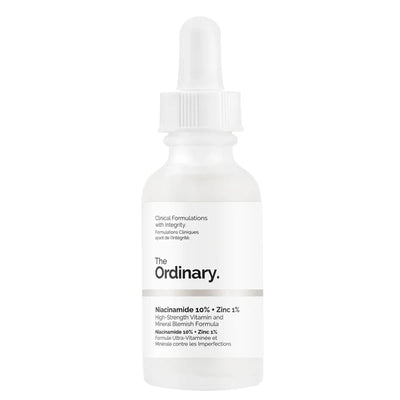
Look for named products such as The Ordinary Niacinamide 10% + Zinc 1%, Vince Vitamin C Serum, Cerave Skin Renewing Vitamin C Serum, The Ordinary Salicylic Acid 2% Solution, and The Ordinary Hyaluronic Acid 2% + B5.
Choose your serum by your main goal. Pick hyaluronic acid for dryness, vitamin C for dullness, niacinamide for oil look, and salicylic acid for clogged pores.
For clearer, healthier skin, our complete guide to louis vuitton fragrance covers how it works and how to fit it into your routine.
FAQs About What Is Face Serum Used For
What is face serum used for in daily skincare?
Face serum targets dryness, dullness, marks, texture, and oil look with concentrated active ingredients.
Is face serum used before moisturizer?
Yes. Face serum goes before moisturizer because serum has a lighter texture and active ingredients.
Can you use face serum every day?
Yes. Many face serums suit daily use, but retinol and exfoliating acids need slower use.
Does face serum replace moisturizer?
No. Face serum does not replace moisturizer because moisturizer seals hydration and supports comfort.
Which face serum works for glowing skin?
Vitamin C serum and niacinamide serum support glowing skin because both target dullness and uneven tone.
How many drops of serum should you use?
Use 2 to 3 drops for the full face. Use 1 extra drop for the neck when needed.
Conclusion: What Is Face Serum Used For?
What is face serum used for? Face serum targets a specific concern, such as dryness, dullness, acne marks, fine lines, texture, or oil look. Choose 1 goal, apply 2 to 3 drops after cleansing, seal with moisturizer, and use sunscreen in the morning. Shop the face serum collection at Khayest to build a focused routine for your skin type.