
Is Aloe Vera a Good Sunscreen?
No, aloe vera is not a good sunscreen by itself. Aloe vera soothes, cools, and hydrates sun-exposed skin, but aloe vera does not replace tested Sun Protection Factor (SPF), broad-spectrum sunscreen, or proper sun protection.
Many people ask Is Aloe Vera a Good Sunscreen because aloe gel feels cooling after sun exposure. The real answer depends on product type. Plain aloe vera gel gives comfort. Aloe sunscreen protects only when the label shows tested SPF and broad-spectrum coverage.
Is Aloe Vera a Good Sunscreen for Daily Sun Protection?

No, aloe vera does not give reliable daily sun protection. Tested sunscreen protects exposed skin with SPF filters, while plain aloe vera gel supports after-sun comfort.
The question Is Aloe Vera a Good Sunscreen usually comes from 3 concerns: natural skincare, sunburn comfort, and fear of heavy sunscreen. Those concerns need clear answers. Aloe vera can calm warm skin. Aloe vera cannot block enough ultraviolet rays for outdoor exposure.
For daily sun care, choose broad-spectrum sunscreen with SPF 30 or higher. Broad-spectrum means protection against Ultraviolet A (UVA) and Ultraviolet B (UVB). UVA rays age skin. UVB rays burn skin. Both rays contribute to visible sun damage.
Aloe vera belongs in a skincare routine as a soothing layer. Sunscreen belongs in a sun protection routine as the protective layer. You need both roles during summer, travel, commuting, and outdoor work.
Why Aloe Vera Cannot Replace Sunscreen
Aloe vera cannot replace sunscreen because aloe vera lacks tested SPF protection. Sunscreen formulas use UV filters that absorb, scatter, or reflect ultraviolet radiation.
Aloe vera gel mainly contains water, polysaccharides, minerals, and plant compounds. Those ingredients support hydration and comfort. Those ingredients do not create a reliable protective film against strong sunlight.
Aloe Vera Does Not Provide Tested SPF
Plain aloe vera gel does not provide a labeled SPF 30 or SPF 50 rating. Brands must test sunscreen formulas before claiming SPF protection.
Aloe vera has a skincare role, not a regulated sunscreen role. A product becomes sunscreen when the formula includes sunscreen filters and shows a tested SPF level.
If a label says aloe vera gel, treat the product as calming skincare. If a label says SPF 50+ PA+++, treat the product as sunscreen with added aloe benefits.
Aloe Vera Does Not Block UVA and UVB Rays
Broad-spectrum sunscreen protects against UVA and UVB rays. Aloe vera gel does not give dependable broad-spectrum protection during direct sunlight.
Mineral sunscreen filters include zinc oxide and titanium dioxide. Chemical sunscreen filters include avobenzone, octocrylene, octisalate, and homosalate. Aloe vera does not replace those filters.
This difference matters during Pakistan heat, beach trips, school runs, office commutes, and outdoor errands. Sun exposure still reaches skin when aloe vera sits alone on the face.
Aloe Vera Cannot Replace Reapplication
Sunscreen needs reapplication because sweat, oil, rubbing, and swimming reduce protection. Aloe vera cannot restore lost SPF after 2 hours outdoors.
Use sunscreen again every 2 hours during direct sun. Reapply sooner after swimming, sweating, or towel drying. Apply about 1 ounce (30ml) for full body coverage.
For face coverage, many people use the 2-finger method. Apply 2 full finger lines to the face and neck, then blend evenly.
What Does Aloe Vera Do After Sun Exposure?

Aloe vera helps after sun exposure by cooling, hydrating, and comforting warm skin. Aloe vera works best as after-sun care, not sun prevention.
People often reach for aloe vera after redness, tightness, heat, or dryness. That routine makes sense for comfort. That routine does not erase sun damage or replace future sunscreen use.
Cools Warm Skin
Aloe vera gel cools warm skin because the gel texture contains water and spreads quickly. A refrigerated gel adds stronger cooling comfort.
Apply a thin layer to clean skin after sun exposure. Leave the gel on for 10 minutes, then add moisturizer if skin still feels tight.
Avoid applying fresh plant gel with yellow latex residue. Rinse fresh aloe well, because yellow latex can irritate sensitive skin.
Supports Moisture
Aloe vera supports moisture by adding a lightweight hydration layer. The gel suits oily skin, combination skin, and warm weather routines.
Dry skin usually needs aloe vera plus moisturizer. Choose moisturizer with glycerin, ceramides, panthenol, or shea butter after aloe gel.
Aloe vera feels light, so many users enjoy aloe after cleansing. Apply the gel within 5 minutes after washing for a fresher feel.
Helps Comfort Sunburned Skin
Aloe vera helps comfort mild sunburned skin through cooling and hydration. Severe sunburn needs medical attention, especially with blisters, fever, or swelling.
Use aloe vera on mild redness only after skin cools. Apply a small amount to a 1-inch (2.5cm) patch first.
Stop aloe vera if stinging, rash, hives, or burning starts. Aloe allergies exist, and sensitive skin reacts faster after sun exposure.
Aloe Vera Gel vs Aloe Sunscreen: What Is the Difference?
Plain aloe gel soothes skin, while aloe sunscreen protects skin through SPF filters. This difference answers Is Aloe Vera a Good Sunscreen for shoppers.
The word aloe on a product label does not prove sun protection. The label must show SPF, broad-spectrum protection, and a sunscreen product category.
Plain Aloe Vera Gel
Plain aloe vera gel works as a calming gel for face, body, and sometimes hair. Plain aloe vera gel does not act as sunscreen.
Use plain aloe after cleansing, after sun exposure, or under moisturizer. During daytime outdoor plans, apply sunscreen after aloe vera settles.
Khayest shoppers can use Vince aloe gel as a soothing step, then follow with sunscreen before outdoor sun exposure.
Aloe Sunscreen With SPF
Aloe sunscreen contains aloe plus tested sunscreen filters. The aloe soothes, while the SPF system protects against UV exposure.
Choose aloe sunscreen when your skin feels dry, sensitive, or easily warm outdoors. Look for SPF 30 or SPF 50, broad-spectrum, and comfortable texture.
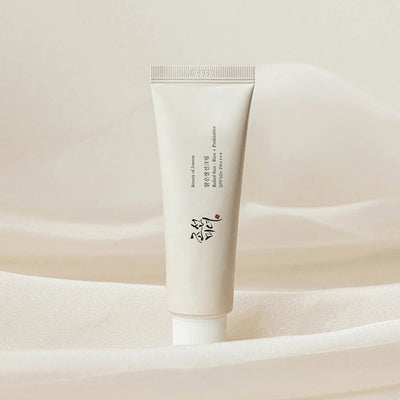
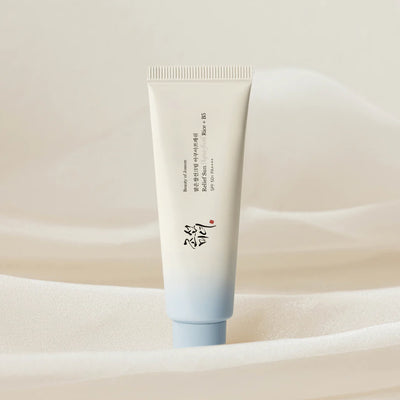
For an aloe-based SPF option, check aloe sunscreen SPF because the formula combines aloe care with SPF50+ PA+++ protection.
After-Sun Aloe Gel
After-sun aloe gel supports comfort after sun exposure. After-sun aloe gel should not become your morning sun protection product.
Use after-sun gel on clean skin, then add moisturizer. Wear loose cotton clothing that covers shoulders and arms after sunburn.
A wide-brimmed hat with a 3-inch (7.5cm) brim also reduces new exposure while skin recovers.
How to Use Aloe Vera With Sunscreen

To use aloe vera with sunscreen, apply aloe as skincare first and sunscreen as the last morning protection step.
Start with clean skin. Apply a thin aloe vera layer if your skin feels warm, tight, or dehydrated. Wait 1 to 2 minutes. Apply sunscreen evenly across all exposed skin.
Do not mix aloe vera gel into sunscreen in your palm. Mixing changes the sunscreen film and can reduce even coverage. Layering protects better than mixing.
Use aloe vera after sunscreen only when the sun exposure ends. Cleanse the face first, then apply aloe gel. Reapply sunscreen again before going back outdoors.
How to Choose Sunscreen Instead of Aloe Vera
To choose sunscreen instead of aloe vera, pick SPF 30 or higher, broad-spectrum coverage, and a texture you will wear daily.
Use SPF 50 for strong sun, outdoor work, long travel, sports, and Pakistan summer routines. Use water-resistant sunscreen for swimming, sweating, or beach days.
Choose mineral sunscreen with zinc oxide or titanium dioxide for very sensitive skin. Choose lightweight fluid, gel, or serum sunscreen for oily skin. Choose cream sunscreen for dry skin.
For more SPF options, compare sunscreen textures, SPF levels, and skin type needs before buying.
Is Aloe Vera a Good Sunscreen for Pakistan Heat?

No, aloe vera is not enough for Pakistan heat, especially during midday sun. Pakistan weather needs tested sunscreen and smart shade habits.
Heat, sweating, dust, and outdoor commuting make sunscreen choice more practical. A greasy product feels uncomfortable. A comfortable product gets used more often.
Choose non-greasy sunscreen for oily skin, cream sunscreen for dry skin, and fragrance-free sunscreen for sensitive skin. Named examples include gel, fluid, cream, and mineral textures.
Aloe vera helps when skin feels hot after travel, shopping, school pickup, or outdoor work. Sunscreen protects before those activities begin.
Can Aloe Vera Prevent Tanning, Sunburn, or Dark Spots?
No, aloe vera cannot prevent tanning, sunburn, or dark spots by itself. Sunscreen prevents damage better because SPF filters reduce UV exposure.
People ask Is Aloe Vera a Good Sunscreen when skin looks darker after outdoor sun. Aloe vera can calm skin after heat, but aloe vera cannot stop pigment triggers from sunlight.
Use broad-spectrum sunscreen before sunlight to reduce sunburn and visible tanning risk. Add shade, sunglasses, and clothing for longer outdoor hours.
Dark spots need prevention first. Daily SPF helps reduce new discoloration from acne marks, melasma, freckles, and uneven tone. Consistent protection also supports brighter-looking skin during long outdoor weeks.
Aloe vera can support comfort when skin feels dry after sun exposure. Aloe vera cannot fade severe pigmentation without a consistent routine and sun protection.
How to Build a Morning Sun Care Routine With Aloe Vera
To build a morning sun care routine with aloe vera, use aloe for comfort and sunscreen for protection.
Cleanse the face first. Apply aloe vera gel only when your skin feels warm, tight, or dehydrated. Add moisturizer when skin feels dry.
Apply sunscreen after moisturizer. Wait 10 minutes before makeup, because sunscreen forms a more even layer on settled skin.
Carry reapplication formats, such as sunscreen stick, fluid sunscreen, or compact sunscreen, during outdoor errands. Reapply after sweat and direct sun.
This routine answers Is Aloe Vera a Good Sunscreen with a practical order. Aloe supports comfort, while sunscreen handles UV protection.
Who Should Be Careful With Aloe Vera Skin Care?
People with aloe allergy, eczema-prone skin, or broken sunburned skin should be careful with aloe vera products.
Patch test aloe vera on a 1-inch (2.5cm) area before full-face use. Wait 24 hours before applying aloe vera widely.
Avoid scented aloe products after sun exposure. Fragrance, dyes, cooling alcohol, and menthol can sting sensitive or sunburned skin.
Do not apply aloe vera to deep burns, infected blisters, or open wounds. Seek medical help for severe redness, fever, chills, or swelling.
Aloe vera should feel calming. Stop aloe vera when the product causes hives, sharp burning, or new rash.
How to Use Aloe Vera After Mild Sunburn
To use aloe vera after mild sunburn, cool the skin first and apply a thin aloe layer afterward.
Place a cool damp cloth on the warm area for 10 minutes. Use clean water and avoid ice directly on skin.
Apply fragrance-free aloe vera gel with clean fingertips. Use a small amount, then add more only when skin absorbs the first layer.
Drink water after strong sun exposure. Sunburn can make the body lose comfort through heat, sweating, and skin dryness.
Wear soft clothing over burned skin. Choose cotton shirts, loose trousers, and wide scarves to reduce rubbing.
This after-sun routine answers Is Aloe Vera a Good Sunscreen from a safety angle. Aloe vera helps comfort after exposure, but sunscreen prevents the exposure problem earlier.
Quick Sunscreen and Aloe Vera Routine Guide
This quick guide shows when to use aloe vera and sunscreen. Follow the steps that match your day.
|
Task |
Timing |
Method |
Difficulty |
|
Soothe warm skin |
After sun exposure |
Apply thin aloe gel layer |
Easy |
|
Protect face |
Morning |
Apply SPF 30 or SPF 50 sunscreen |
Easy |
|
Cover body |
Before outdoor sun |
Use 1 ounce (30ml) sunscreen |
Medium |
|
Protect after sweat |
Every 2 hours outdoors |
Reapply sunscreen evenly |
Medium |
|
Calm mild redness |
Evening |
Use aloe, then moisturizer |
Easy |
|
Avoid irritation |
Before full use |
Patch test 1 inch (2.5cm) |
Easy |
Common Mistakes With Aloe Vera and Sunscreen
The biggest mistake is using plain aloe vera gel as sunscreen. That mistake leaves skin exposed to UVA and UVB rays.
The second mistake is trusting natural ingredients without SPF testing. Coconut oil, olive oil, rose water, and aloe vera do not replace regulated sunscreen.
The third mistake is applying sunscreen too thinly. A tiny dot cannot protect the face evenly. Use enough sunscreen to cover the full face, ears, neck, and hands.
The fourth mistake is skipping reapplication. Sunscreen needs a fresh layer after sweat, swimming, towel drying, and long outdoor exposure.
The fifth mistake is using scented aloe gel on irritated skin. Fragrance, alcohol, menthol, and dyes can sting sun-exposed skin.
FAQs About Aloe Vera and Sunscreen
Is Aloe Vera a Good Sunscreen?
No, aloe vera is not a good sunscreen by itself. Aloe vera soothes skin, but SPF sunscreen protects against UV damage.
Can aloe vera replace sunscreen?
No, aloe vera cannot replace sunscreen. Use broad-spectrum SPF 30 or higher before outdoor sun exposure.
Can I apply aloe vera before sunscreen?
Yes, you can apply aloe vera before sunscreen. Let aloe vera absorb first, then apply sunscreen as the final morning step.
Can I apply aloe vera after sunscreen?
Yes, you can apply aloe vera after sun exposure. Cleanse first, then apply aloe gel to calm warm skin.
Is aloe sunscreen different from aloe vera gel?
Yes, aloe sunscreen includes SPF filters. Plain aloe vera gel only hydrates and soothes the skin.
Final Answer: Is Aloe Vera a Good Sunscreen?
No, aloe vera is not a good sunscreen alone. Aloe vera supports cooling, hydration, and after-sun comfort, while SPF sunscreen protects before sun exposure.
Use aloe vera when skin feels warm, tight, or dry after sun exposure. Use tested sunscreen every morning and reapply during outdoor time. For daily protection, shop the Khayest sunscreen range and choose SPF that matches your skin type, climate, and routine.