
How to Use Tretinoin Cream with Moisturizer?
If you're wondering how to use tretinoin cream with moisturizer, the key is applying both products in the correct order while keeping your skin hydrated. Tretinoin can cause dryness and irritation, but the right moisturizer helps support your skin barrier, improves comfort, and makes your skincare routine easier to maintain.
Why Moisturizer Is Important When Using Tretinoin
Tretinoin is one of the most popular skincare ingredients for improving skin texture and supporting skin renewal. It is commonly included in routines for concerns such as acne, post-acne marks, uneven skin tone, and the appearance of fine lines.
However, when you first start using tretinoin, your skin may need time to adjust. During this period, some people experience dryness, peeling, redness, or a feeling of tightness.
This is where moisturizer becomes an essential part of your routine.
A good moisturizer helps strengthen the skin barrier, reduces moisture loss, and keeps your skin feeling comfortable while you continue using tretinoin. Rather than avoiding moisturizer, pairing it correctly with tretinoin creates a more balanced skincare routine.
Learning how to use tretinoin cream with moisturizer is not about choosing one product over the other. It is about using both together in the right way so your skin stays hydrated while benefiting from your skincare routine.
For people living in Pakistan, where weather conditions can vary from humid summers to cooler, drier winters, maintaining hydration becomes even more important. Air conditioning, strong sunlight, pollution, and seasonal changes can all affect the skin barrier, making a suitable moisturizer an essential daily product.
Quick Reference Table
| Task | Timing | Method | Difficulty |
|---|---|---|---|
| Cleanse Face | Evening | Use a gentle cleanser | Easy |
| Apply Tretinoin | As directed | Thin layer on completely dry skin | Moderate |
| Apply Moisturizer | After tretinoin or as directed | Apply a gentle, even layer | Easy |
| Wear Sunscreen | Every morning | Broad-spectrum SPF 30+ | Easy |
| Follow Routine | Consistently | Use products regularly | Moderate |
Understanding Tretinoin and Your Skin
Before learning how to use tretinoin cream with moisturizer, it helps to understand how tretinoin works.
Tretinoin belongs to the retinoid family and encourages faster skin cell turnover. As older skin cells are replaced, your complexion gradually becomes smoother and more even-looking.
During the adjustment period, your skin may feel more sensitive than usual. This is completely normal for many users.
You might notice:
- Mild dryness
- Tightness after cleansing
- Light peeling
- Temporary redness
- Increased sensitivity
These changes often improve as your skin becomes accustomed to the product.
Using a moisturiser consistently helps reduce discomfort while supporting your skin's natural protective barrier throughout this adjustment period.
How to Use Tretinoin Cream with Moisturizer Step by Step

Following the correct routine makes a significant difference to your overall skincare experience. Instead of applying products randomly, following a consistent order helps keep your skin hydrated and comfortable.
Step 1: Cleanse Your Face Gently
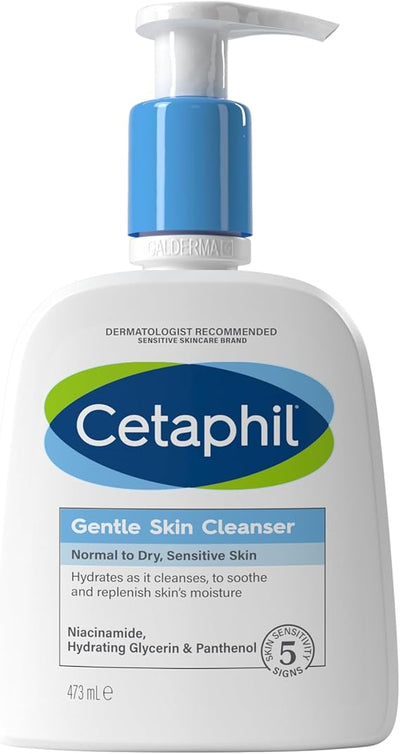
Always begin your evening routine with a gentle cleanser.
Throughout the day, your skin collects sunscreen, makeup, excess sebum, dust, and environmental impurities. Cleansing removes these without stripping away too much natural moisture.
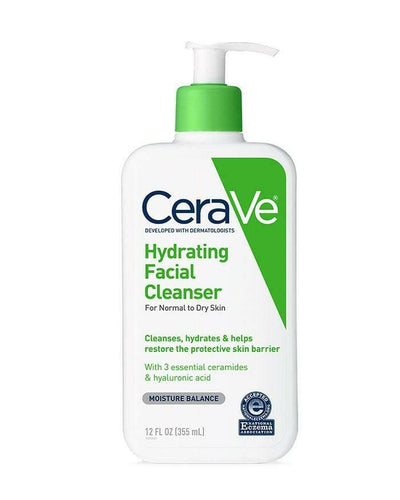
Choose a cleanser that leaves your skin feeling clean but not tight.
Avoid harsh scrubs or cleansers containing strong exfoliating particles, especially while using tretinoin.
Step 2: Let Your Skin Dry Completely
One of the most commonly searched questions is whether skin should be damp before applying tretinoin.
In many skincare routines, tretinoin is applied to completely dry skin.
Applying tretinoin immediately after washing your face while your skin is still damp may increase irritation for some people. Allowing your face to dry first helps many users experience greater comfort during application.
If you're unsure about the instructions for your prescription or product, always follow the advice provided by your healthcare professional.
Step 3: Apply a Small Amount of Tretinoin
A common mistake is applying too much tretinoin.
Only a small amount is generally needed for the entire face. Spread it gently across your forehead, cheeks, nose, and chin while avoiding the delicate skin around the eyes, lips, and nostrils unless advised otherwise.
Using more product does not mean faster results. Consistency is far more important than quantity.
Step 4: Apply Your Moisturizer
Once the tretinoin has been applied according to your routine, follow with a gentle moisturizer if appropriate for your skincare plan.
A moisturizer helps replenish hydration and supports your skin barrier, reducing the feeling of dryness that many people experience when they first begin using tretinoin.
Choose products that are:
- Non-comedogenic
- Fragrance-free if your skin is sensitive
- Lightweight but hydrating
- Suitable for your skin type
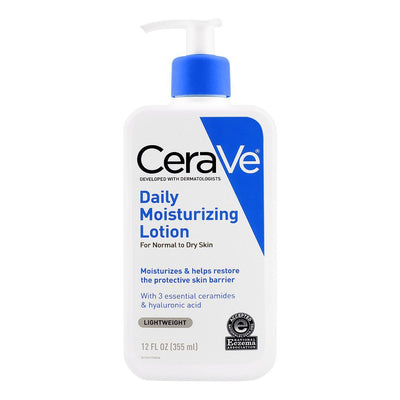
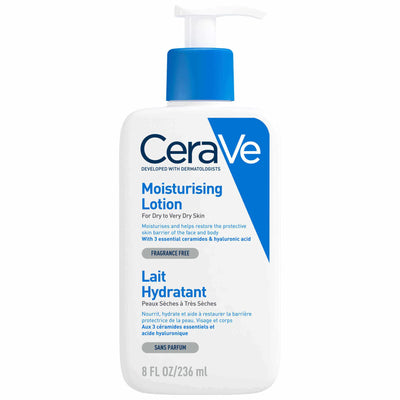
Moisturizers containing Ceramides, Hyaluronic Acid, Glycerin, Panthenol, Squalane, or Centella Asiatica are excellent options because they help keep the skin feeling hydrated and comfortable.
Step 5: Never Skip Sunscreen
Although tretinoin is typically used during the evening, your morning routine is just as important.
Because tretinoin can make your skin more sensitive to sunlight, applying a broad-spectrum sunscreen with at least SPF 30 every morning helps protect your skin from UV exposure.
This is especially important in Pakistan, where strong sunlight is common throughout much of the year.
Make sunscreen the final step in your morning skincare routine after your moisturizer has fully absorbed.
Should You Apply Moisturizer Before or After Tretinoin?
This is one of the biggest questions people ask when starting tretinoin.
The answer depends on your skin's needs and the guidance provided with your treatment.
The Traditional Method
Many people follow this order:
- Cleanser
- Allow the skin to dry completely
- Apply tretinoin
- Finish with moisturizer
This routine allows the moisturizer to hydrate the skin after tretinoin has been applied.
The Sandwich Method

Another popular approach is known as the sandwich method.
With this technique, you apply:
- A thin layer of moisturizer
- Tretinoin
- Another light layer of moisturizer
Many beginners and people with sensitive skin choose this approach because it can help improve comfort while they adjust to tretinoin.
The best method depends on your skin type, how well your skin tolerates tretinoin, and any guidance given by your dermatologist or healthcare provider.
Regardless of the method you choose, consistency and gentle skincare are the keys to building a successful routine.
Best Ingredients to Use with Tretinoin
Choosing the right moisturizer is just as important as learning how to use tretinoin cream with moisturizer. Since tretinoin can make your skin feel dry or sensitive, look for moisturizers that focus on hydration and skin barrier support rather than heavy oils or harsh active ingredients.
Ceramides
Ceramides are naturally found in your skin and play an important role in maintaining a healthy skin barrier. When using tretinoin, moisturizers containing ceramides help reduce moisture loss and keep your skin feeling soft and comfortable.
Hyaluronic Acid
Hyaluronic Acid is one of the most popular hydrating ingredients. It attracts moisture to the skin, helping improve hydration without making your face feel greasy. It works well for oily, combination, dry, and sensitive skin types.
Glycerin
Glycerin is another excellent hydrating ingredient that helps draw water into the outer layer of the skin. It keeps the skin feeling smooth while reducing dryness caused by tretinoin.
Panthenol
Also known as Pro-Vitamin B5, Panthenol helps soothe the skin and supports the skin barrier. It is particularly useful if your skin feels irritated during the first few weeks of using tretinoin.
Squalane
Squalane is a lightweight moisturising ingredient that helps prevent moisture loss without feeling heavy. It leaves the skin feeling soft while supporting a healthy skin barrier.
Centella Asiatica
Centella Asiatica is widely used in skincare for its calming properties. It helps comfort sensitive skin and pairs well with routines that include tretinoin.
When shopping for a moisturizer, choosing products with these ingredients can help your skin remain hydrated while adjusting to tretinoin.
Can You Mix Tretinoin with Moisturizer?
Another common question is whether you can mix tretinoin directly with your moisturizer.
Many people prefer to layer the products instead of physically mixing them together. Layering allows each product to be applied as intended and makes it easier to maintain a consistent skincare routine.
If you are unsure about the best method for your prescription, follow the instructions provided by your dermatologist or healthcare professional.
Whether you use the traditional method or the sandwich method, consistency is usually more important than changing your routine every few days.
How Long Should You Wait Between Tretinoin and Moisturizer?
Many beginners worry about timing.
In practice, recommendations can vary depending on your skincare routine and the advice given with your tretinoin treatment.
Many people allow tretinoin to settle briefly before applying moisturizer, while others use the sandwich method, where moisturizer is applied both before and after tretinoin.
Rather than focusing on an exact number of minutes, concentrate on following a consistent routine that works well for your skin and follows professional guidance.
Common Mistakes to Avoid
Using tretinoin correctly is often more about avoiding simple mistakes than following a complicated routine.
Applying Too Much Tretinoin
Using extra tretinoin will not produce faster results. A thin layer is generally enough for the entire face. Applying more than necessary may increase dryness and irritation.
Skipping Moisturizer
Some people avoid moisturizer because they think it will make their skin oily or interfere with tretinoin. In reality, moisturizer helps maintain hydration and supports the skin barrier, making your routine more comfortable.
Using Harsh Skincare Products
While your skin adjusts to tretinoin, avoid using harsh scrubs or strong exfoliating products unless advised by your dermatologist. Over-exfoliating may leave your skin feeling more sensitive.
Forgetting Sunscreen
One of the biggest mistakes is forgetting sunscreen.
Tretinoin can increase your skin's sensitivity to sunlight, so applying a broad-spectrum sunscreen with SPF 30 or higher every morning is an essential part of your routine.
Expecting Overnight Results
Many people expect immediate improvements after starting tretinoin. However, skincare takes time. Following your routine consistently while keeping your skin hydrated often provides better long-term results than frequently changing products.
What Should You Avoid While Using Tretinoin?
To keep your skin comfortable, it helps to simplify your skincare routine during the adjustment period.
Be cautious with products that may increase irritation, including:
- Strong facial scrubs
- Harsh exfoliating acids
- Alcohol-heavy skincare products
- Using too many active ingredients at the same time
A gentle cleanser, hydrating moisturizer, and daily sunscreen are often enough to build a supportive routine while your skin adjusts.
Choosing the Right Moisturizer at Khayest
Finding the right moisturizer becomes much easier when you understand what your skin needs. At Khayest, you'll find a carefully selected range of authentic skincare products suitable for people using tretinoin.
Look for moisturizers that are:
- Fragrance-free
- Non-comedogenic
- Lightweight yet hydrating
- Suitable for sensitive skin
- Designed to support the skin barrier
Many moisturizers available at Khayest contain ingredients such as Ceramides, Hyaluronic Acid, Glycerin, Panthenol, Squalane, and Centella Asiatica. These ingredients help replenish hydration, reduce moisture loss, and keep your skin feeling comfortable throughout your tretinoin journey.
Choosing authentic skincare products that match your skin type can make your routine easier to maintain while helping your skin feel healthier and more balanced every day.