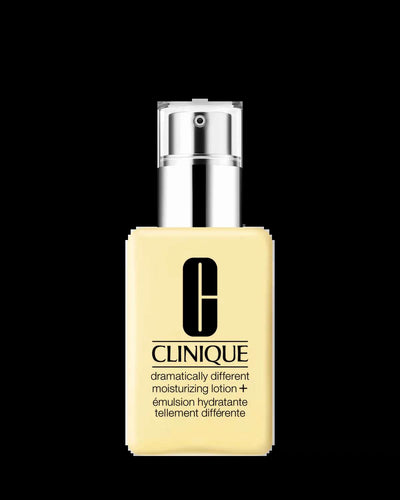

How to Use Sunscreen with Moisturizer
If you're wondering how to use sunscreen with moisturizer, the correct order is simple. Apply your moisturizer first, allow it to absorb, and then apply sunscreen as the final step in your morning skincare routine. Following this method helps keep your skin hydrated while providing effective daily protection against harmful UV rays.
Why Both Sunscreen and Moisturizer Matter
Many people believe they have to choose between sunscreen and moisturizer, but the truth is that both products serve different purposes and work best when used together.
A moisturizer is designed to hydrate your skin and strengthen its natural barrier. It helps prevent moisture loss, reduces dryness, and keeps your skin feeling soft and comfortable throughout the day. Ingredients such as Hyaluronic Acid, Ceramides, Glycerin, and Niacinamide support healthy hydration and improve the skin barrier.
Sunscreen, on the other hand, protects your skin from harmful UVA and UVB rays. Daily sun exposure can contribute to sunburn, premature ageing, dark spots, uneven skin tone, and long-term skin damage. Even on cloudy days or when you're indoors near windows, your skin may still be exposed to ultraviolet rays.
Using only a moisturizer leaves your skin vulnerable to UV damage, while using only sunscreen may not provide enough hydration, especially if your skin is dry or dehydrated. Combining both products creates a complete morning skincare routine that keeps your skin healthy, hydrated, and protected.
| Task | Timing | Method | Difficulty |
|---|---|---|---|
| Cleanse Face | Morning | Gentle cleanser | Easy |
| Apply Moisturizer | After cleansing | Thin, even layer | Easy |
| Wait | About 1 minute | Let it absorb | Easy |
| Apply Sunscreen | Final skincare step | SPF 30+ on face and neck | Easy |
| Reapply Sunscreen | Every 2 hours outdoors | Generous application | Easy |
How to Use Sunscreen with Moisturizer

Learning how to use sunscreen with moisturizer correctly is easier than many people think. The most effective routine follows a simple layering order that allows each product to do its job properly.
Begin by washing your face with a gentle cleanser suitable for your skin type. Cleansing removes dirt, excess oil, and overnight buildup, creating a clean surface for your skincare products.
If you use a facial serum, apply it after cleansing. Lightweight serums containing Hyaluronic Acid or Niacinamide absorb quickly and provide additional hydration before your moisturizer.
Next, apply your moisturizer evenly across your face and neck. A moisturizer helps maintain the skin barrier and locks in hydration, creating a smooth base for sunscreen.
Allow the moisturizer to absorb for about one minute or until it no longer feels wet on your skin. This gives it enough time to settle without interfering with the sunscreen layer.
Finally, apply a generous amount of broad-spectrum sunscreen with at least SPF 30 to your face, neck, and other exposed areas. Sunscreen should always be the final step in your morning skincare routine before applying makeup.
Following this simple routine every day provides both hydration and reliable sun protection.
Should Moisturizer Go Before Sunscreen?
One of the most common questions people ask is whether moisturizer should be applied before or after sunscreen.
In almost every skincare routine, moisturizer comes first.
A moisturizer is designed to nourish and hydrate the skin, while sunscreen creates a protective shield against ultraviolet rays. Applying sunscreen after moisturizer allows it to form a more even protective layer across the skin.
Applying moisturizer over sunscreen may disturb that protective film and reduce the sunscreen's ability to cover your skin evenly.
If your sunscreen already contains moisturizing ingredients, you may find it hydrating enough if you have oily skin. However, people with dry, combination, or dehydrated skin often benefit from using a separate moisturizer underneath.
Keeping the order simple—cleanser, serum, moisturizer, and sunscreen—helps ensure that each product performs as intended.
Can You Mix Sunscreen and Moisturizer Together?

Many people try mixing sunscreen with moisturizer in their hands to save time during busy mornings. Although this seems convenient, it is generally not recommended.
When sunscreen and moisturizer are mixed together before application, the sunscreen may become diluted. This can affect how evenly it spreads across your skin and may reduce the consistency of its protective layer.
Applying each product separately helps ensure your moisturizer hydrates the skin while the sunscreen forms an even layer that provides the intended level of protection.
If you want a quicker routine, consider using a moisturizer that absorbs rapidly rather than mixing the products together.
Taking an extra minute to apply them separately can make a noticeable difference in your daily skincare routine.
How Long Should You Wait Between Moisturizer and Sunscreen?
Another question people frequently ask is whether they need to wait between applying moisturizer and sunscreen.
In most cases, waiting about one minute is enough. Your moisturizer should feel absorbed rather than wet before sunscreen is applied.
If your moisturizer has a rich or creamy texture, it may take slightly longer to settle into the skin. Once it has absorbed, apply sunscreen evenly without rubbing excessively.
This short waiting time helps both products perform effectively while making your skincare routine easy to follow every morning.
Do You Need Moisturizer Under Sunscreen?
A common misconception is that sunscreen can completely replace moisturizer. While some sunscreens contain hydrating ingredients, they are primarily formulated to protect your skin from ultraviolet rays rather than provide long-lasting moisture.
Whether you need a separate moisturizer depends on your skin type.
People with dry or dehydrated skin usually benefit from applying a moisturizer before sunscreen. A moisturizer helps strengthen the skin barrier and prevents moisture loss throughout the day.
If you have oily skin, a lightweight gel moisturizer may be enough underneath sunscreen. Some people with very oily skin find that a moisturising sunscreen provides sufficient hydration, but this varies depending on the product and individual skin needs.
Those with combination skin often achieve the best results by using a lightweight moisturizer followed by sunscreen. This keeps dry areas hydrated without making oilier areas feel greasy.
Rather than skipping moisturizer completely, choose products that suit your skin type and work comfortably together.
Common Mistakes When Using Sunscreen and Moisturizer
Even with the right products, a few simple mistakes can reduce the effectiveness of your skincare routine.
One of the biggest mistakes is applying too little sunscreen. Using only a small amount may leave parts of your skin unprotected. Make sure you apply enough sunscreen to cover your face, neck, and any exposed skin evenly.
Another common mistake is forgetting to reapply sunscreen. If you spend time outdoors, sunscreen should generally be reapplied every two hours or after excessive sweating or swimming.
Some people also rush through their routine and apply sunscreen immediately after moisturizer without allowing the moisturizer to absorb. Waiting about a minute helps create a smoother application.
Skipping sunscreen on cloudy days is another frequent mistake. Harmful UVA rays can still reach your skin even when the sun isn't visible.
Finally, many people avoid moisturizer because they have oily skin. However, oily skin still needs hydration, and skipping moisturizer may actually leave the skin feeling unbalanced.
Morning Skincare Routine for Maximum Protection
A simple, consistent morning routine is the easiest way to keep your skin healthy and protected.
Start by cleansing your face with a gentle cleanser to remove overnight oil and impurities.
If you use a serum, apply it next. Hydrating ingredients such as Hyaluronic Acid or Niacinamide help prepare the skin before moisturizing.
Follow with a moisturizer that suits your skin type. Whether you prefer a lightweight gel or a nourishing cream, choose a product that keeps your skin comfortable throughout the day.
Allow the moisturizer to absorb before applying a broad-spectrum sunscreen with at least SPF 30.
If you wear makeup, sunscreen should be the final skincare step before applying foundation or other cosmetics.
Following the same routine every morning helps create healthy skincare habits while keeping your skin hydrated and protected from daily sun exposure.
Choosing the Right Products for Your Skin Type
Using products designed for your skin type makes your skincare routine more effective and comfortable.
Dry Skin
Dry skin benefits from richer moisturizers containing Ceramides, Hyaluronic Acid, Shea Butter, and Glycerin. Pair these with a hydrating sunscreen that does not leave your skin feeling tight.
Oily Skin
Oily skin still requires moisture. Lightweight, oil-free gel moisturizers combined with non-greasy sunscreens help maintain hydration without creating excess shine.
Combination Skin
Combination skin responds well to balanced formulas that hydrate dry areas while remaining lightweight on the oily parts of the face. A medium-weight moisturizer followed by a lightweight sunscreen is often a good choice.
For clearer, healthier skin, our complete guide to joop perfume price in pakistan covers how it works and how to fit it into your routine.
Sensitive Skin
Sensitive skin benefits from fragrance-free moisturizers and broad-spectrum sunscreens formulated for delicate skin. Ingredients such as Ceramides, Panthenol, and Niacinamide can help support the skin barrier while reducing irritation.
Best Sunscreens and Moisturizers Available at Khayest
Choosing authentic skincare products is one of the easiest ways to build an effective daily routine. At Khayest, you'll find a carefully selected collection of moisturizers, broad-spectrum sunscreens, lightweight gel creams, hydrating lotions, and skincare essentials from trusted international brands.
Whether you need a nourishing moisturizer for dry skin, an oil-free gel moisturizer for oily skin, or a lightweight sunscreen that feels comfortable for everyday wear, Khayest offers options suitable for every skin type.
Combining quality skincare products with the correct application order helps you maintain healthy, hydrated, and protected skin throughout the year while making your daily routine simple and effective.
FAQs
Should I apply moisturizer before sunscreen?
Yes. If you're learning how to use sunscreen with moisturizer, the correct order is to apply moisturizer first and sunscreen afterwards. Your moisturizer hydrates the skin and strengthens the skin barrier, while sunscreen forms a protective layer against harmful UVA and UVB rays. This order allows both products to work effectively.
Can I mix sunscreen and moisturizer together?
It is generally not recommended. Mixing sunscreen with moisturizer may dilute the sunscreen and affect how evenly it spreads across your skin. For the best protection, apply your moisturizer first, let it absorb, and then apply sunscreen as a separate layer.
Do I need moisturizer if my sunscreen is moisturizing?
It depends on your skin type. Some moisturising sunscreens provide enough hydration for oily skin. However, if you have dry, combination, or dehydrated skin, applying a dedicated moisturizer before sunscreen usually provides better hydration and helps support the skin barrier.
How long should I wait before applying sunscreen after moisturizer?
Most moisturizers only need about one minute to absorb into the skin. Once your moisturizer no longer feels wet or sticky, you can apply sunscreen evenly over your face and neck for effective daily protection.
Is sunscreen necessary every day, even indoors?
Yes. Daily sunscreen is recommended because UVA rays can pass through windows, and you may still be exposed to sunlight during short trips outside. Applying a broad-spectrum sunscreen every morning helps protect your skin from long-term sun damage and premature ageing.
Conclusion
Knowing how to use sunscreen with moisturizer is one of the simplest ways to improve your daily skincare routine. Applying moisturizer first, allowing it to absorb, and following with a broad-spectrum sunscreen keeps your skin hydrated while protecting it from harmful UV rays. Both products have different roles, and using them together provides the best results for healthy, comfortable skin.
No matter your skin type, choosing the right moisturizer and sunscreen can make your routine more effective. Whether you have dry, oily, combination, or sensitive skin, using products that match your skin's needs will help maintain hydration, strengthen the skin barrier, and provide reliable sun protection every day.
If you're looking for authentic skincare products, Khayest offers a carefully selected collection of moisturizers, lightweight gel creams, broad-spectrum sunscreens, SPF moisturizers, hydrating serums, and other skincare essentials from trusted international brands. Explore the Khayest collection today and build a skincare routine that keeps your skin moisturized, protected, and healthy every day.