
How to Use Moisturizer for Oily Skin
If you're wondering how to use moisturizer for oily skin, the answer is simple: choose a lightweight, non-comedogenic moisturizer and apply it correctly every day. Oily skin still needs hydration, and using the right moisturizer at the right time helps support your skin barrier, keeps your complexion balanced, and prevents your skin from feeling tight or uncomfortable.
Why Oily Skin Still Needs Moisturizer
 Many people with oily skin believe they should avoid moisturizers because their face already looks shiny. However, this is one of the biggest misconceptions in skincare.
Your skin produces sebum, which is a natural oil that helps protect the skin. Hydration, on the other hand, refers to the water content within your skin. These are two completely different things.
Even if your face appears oily, it can still lack hydration. When your skin becomes dehydrated, it may feel tight after cleansing, appear dull beneath the surface, or become uncomfortable throughout the day.
Using the right moisturizer helps maintain a healthy skin barrier, improves comfort, and keeps your skin looking fresh without making it greasy. Instead of adding unnecessary oil, a suitable moisturizer provides hydration that supports healthier-looking skin.
Learning how to use moisturizer for oily skin starts with understanding that hydration is essential for every skin type.
Quick Reference Table
| Task | Timing | Method | Difficulty |
|---|---|---|---|
| Cleanse Face | Morning & Night | Use a gentle cleanser | Easy |
| Apply Moisturizer | After cleansing or serum | Thin layer on slightly damp skin | Easy |
| Apply Sunscreen | Every morning | SPF 30+ after moisturizer | Easy |
| Reapply Sunscreen | Every 2 hours outdoors | Even application | Easy |
| Follow Routine | Daily | Stay consistent | Easy |
How to Use Moisturizer for Oily Skin Step by Step
Knowing how to use moisturizer for oily skin correctly can make a noticeable difference in how comfortable and balanced your skin feels. Rather than applying products randomly, following a simple routine helps your moisturizer perform effectively.
Step 1: Start with a Gentle Cleanser
Always begin by washing your face with a gentle cleanser designed for oily skin. Cleansing removes excess oil, dirt, sunscreen, makeup, and daily impurities without stripping away the skin's natural protective barrier.
Avoid harsh cleansers that leave your face feeling squeaky clean, as they may remove too much moisture and leave your skin feeling tight.
Step 2: Leave Your Skin Slightly Damp
After cleansing, gently pat your face with a soft towel. Your skin should remain slightly damp rather than completely dry.
Applying moisturizer to slightly damp skin helps lock in hydration and allows moisture-binding ingredients such as Hyaluronic Acid and Glycerin to work more effectively.
Step 3: Use the Right Amount
One of the most common mistakes is applying too much moisturizer.
For most people, a small amount is enough to cover the entire face evenly. Spread the moisturizer gently across your forehead, cheeks, nose, chin, and neck using clean fingertips.
Applying extra product does not improve hydration. Instead, it may simply leave your skin feeling heavier than necessary.
Step 4: Apply It Gently
Avoid rubbing your skin aggressively.
Instead, gently smooth the moisturizer across your face using upward and outward motions. This allows the product to spread evenly while being kind to your skin.
Take a few moments to let the moisturizer absorb fully before applying makeup or sunscreen.
Step 5: Finish with Sunscreen During the Day
If you're following your morning skincare routine, moisturizer should always be followed by a broad-spectrum sunscreen with at least SPF 30.
Sunscreen helps protect your skin from harmful UV rays, premature ageing, uneven skin tone, and environmental damage.
At night, moisturizer is usually the final step in your skincare routine after cleansing and applying any treatment products or serums.
When Should You Apply Moisturizer?
One of the most common skincare questions is whether moisturizer should be applied in the morning, at night, or both.
The answer is simple—both.
Morning Routine
In the morning, cleanse your face to remove overnight oil and impurities. Apply your moisturizer while your skin is still slightly damp, then follow with sunscreen before going outdoors.
This combination keeps your skin hydrated while protecting it from sun exposure throughout the day.
Evening Routine
Your evening routine is just as important.
After removing sunscreen, makeup, and daily dirt, cleanse your face thoroughly before applying moisturizer. Overnight is when your skin naturally repairs itself, so providing hydration before bed supports your skin barrier while you sleep.
Consistently moisturizing twice a day helps maintain healthy-looking skin regardless of the season.
Can Oily Skin Be Dehydrated?
Absolutely.
Many people confuse oily skin with hydrated skin, but these are not the same.
Your skin may produce excess oil while still lacking water. This condition is known as dehydrated oily skin.
Some common signs include:
- Tightness after washing your face
- Shiny skin that still feels rough
- Makeup looking patchy
- Skin feeling uncomfortable despite appearing oily
- Fine dehydration lines becoming more visible
Several factors can contribute to dehydration, including harsh cleansers, over-exfoliation, acne treatments, air conditioning, and seasonal weather changes.
Using a lightweight moisturizer consistently helps restore hydration while supporting your skin's natural protective barrier.
Best Ingredients to Look for in a Moisturizer for Oily Skin
Choosing the right ingredients is just as important as learning how to use moisturizer for oily skin. Modern moisturizers are formulated with ingredients that hydrate the skin without leaving a greasy finish.
Niacinamide
Niacinamide is one of the most popular ingredients for oily and acne-prone skin. It supports the skin barrier, improves skin texture, and promotes a healthier-looking complexion. It also works well alongside many active skincare ingredients, making it suitable for daily use.
Hyaluronic Acid
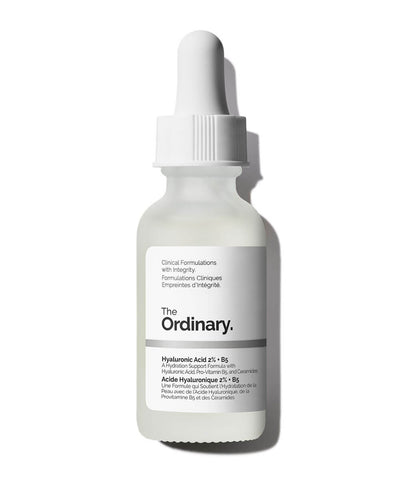
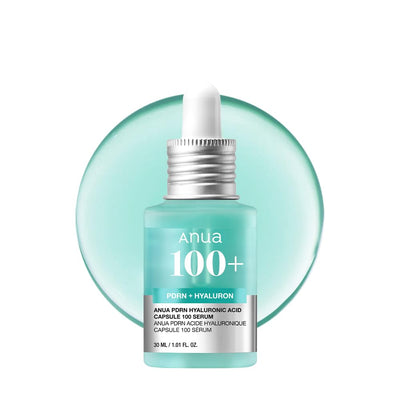
Despite its name, Hyaluronic Acid is a hydrating ingredient rather than an exfoliating one. It attracts moisture to the skin, helping keep it soft, smooth, and comfortable without adding heaviness.
Because it provides lightweight hydration, it is particularly suitable for oily skin.
Ceramides
Ceramides are naturally found within the skin barrier. Moisturizers containing ceramides help strengthen the skin's protective layer and reduce moisture loss, especially if your skin feels dry after cleansing or acne treatments.
Panthenol
Also known as Pro-Vitamin B5, Panthenol helps soothe and hydrate the skin. It is especially beneficial for people whose oily skin becomes sensitive or irritated after using active ingredients.
Centella Asiatica
Centella Asiatica is widely recognised for its calming properties. It helps soothe the skin and supports the skin barrier while remaining lightweight enough for oily and acne-prone skin.
These ingredients work together to provide hydration without making your skin feel greasy, making them excellent choices for an everyday skincare routine.
Common Mistakes When Using Moisturizer for Oily Skin
Once you understand how to use moisturizer for oily skin, avoiding common mistakes becomes much easier. Even the best moisturizer may not deliver the desired results if it is used incorrectly.
One of the biggest mistakes is skipping moisturizer completely. Many people assume that because their face looks oily, adding a moisturizer will only make things worse. In reality, oily skin still needs hydration. When your skin lacks moisture, it can feel tight, uncomfortable, and less balanced. A healthy skin barrier depends on consistent hydration to function properly.
Another common mistake is choosing a moisturizer that is too rich. Thick creams designed for very dry skin may feel heavy on oily complexions and leave an unwanted greasy finish. Instead, choose a lightweight, oil-free, or non-comedogenic moisturizer that absorbs quickly and feels comfortable throughout the day.
Applying too much product is another issue. A small amount is usually enough to moisturise the entire face. Using extra product does not provide extra hydration and may simply leave your skin feeling sticky.
Some people also apply moisturizer to skin that has not been cleansed properly. Dirt, excess sebum, sunscreen, and makeup can prevent skincare products from absorbing effectively. Always begin with clean skin to get the most from your moisturizer.
Finally, avoid changing moisturizers too often. Your skin needs time to adjust to a new routine. Consistency usually delivers better results than constantly switching between products.
Why Does Moisturizer Make My Face Feel Greasy?
Many people worry that moisturizers automatically make oily skin worse, but this is not always true.
In most cases, greasy skin after moisturizing happens because the wrong product or application method is being used.
For example, applying a rich cream designed for dry skin can leave oily skin feeling heavier than necessary. Similarly, using too much moisturizer or layering several thick products together may create a greasy finish.
Applying moisturizer immediately after cleansing without allowing other skincare products, such as serums, to absorb can also affect how your skin feels.
A properly formulated gel moisturizer or water-based moisturizer should absorb comfortably into oily skin while providing hydration without excessive shine.
It is also worth remembering that freshly moisturised skin naturally has a healthy glow. This is different from excessive oiliness and usually settles once the product has fully absorbed.
Should You Moisturize if You Have Acne?
People with acne often believe they should avoid moisturizer because they fear it will clog pores or trigger more breakouts. Fortunately, this is another common skincare myth.
Acne-prone skin still requires hydration to remain healthy. In fact, many acne treatments containing ingredients such as Salicylic Acid, Benzoyl Peroxide, or Retinoids can leave the skin feeling dry and irritated.
A lightweight, non-comedogenic moisturizer helps replenish moisture, supports the skin barrier, and improves overall comfort without making the skin feel heavy.
Well-hydrated skin is often more comfortable and better able to tolerate active skincare ingredients. This makes it easier to follow a consistent routine while keeping your skin balanced.
The key is choosing a moisturizer specifically formulated for oily or acne-prone skin rather than avoiding moisturizers altogether.
Morning and Evening Routine for Oily Skin
Following the correct routine is one of the easiest ways to learn how to use moisturizer for oily skin effectively.
In the morning, begin by cleansing your face with a gentle cleanser to remove excess oil that has built up overnight. If you use a hydrating toner or serum, apply it before your moisturizer. Once your moisturizer has absorbed, finish with a broad-spectrum sunscreen of at least SPF 30 to protect your skin from daily sun exposure.
Your evening routine is equally important. After removing sunscreen, makeup, and daily impurities, cleanse your skin thoroughly. Apply any treatment products or serums first, then finish with your moisturizer. During the night, your skin naturally goes through its repair process, so maintaining hydration helps support a healthy skin barrier while you sleep.
Sticking to this simple routine every day is more effective than using numerous products inconsistently.
How Much Moisturizer Should You Use?
Using the correct amount of moisturizer makes a noticeable difference.
Many people believe that applying more product will provide more hydration, but this is not the case. A thin, even layer is usually enough to cover the face and neck comfortably.
Using excessive amounts may leave oily skin feeling heavier than necessary and can affect how sunscreen or makeup sits on the skin.
Applying moisturizer evenly after cleansing is far more effective than using thick layers. Consistency, rather than quantity, is what keeps your skin hydrated and comfortable over time.
Choosing the Right Moisturizer at Khayest
 Choosing the right moisturizer is just as important as learning how to use moisturizer for oily skin. At Khayest, you'll find an extensive collection of authentic skincare products from trusted international brands, making it easy to build a routine that suits oily and acne-prone skin.
Look for moisturizers labelled lightweight, oil-free, water-based, or non-comedogenic. These formulations are designed to provide hydration while feeling comfortable on oily skin.
Many moisturizers available at Khayest contain skin-loving ingredients such as Niacinamide, Hyaluronic Acid, Ceramides, Panthenol, Centella Asiatica, and Glycerin. Together, these ingredients help support the skin barrier, improve hydration, and maintain a fresh, balanced complexion without leaving a greasy residue.
By choosing authentic skincare products that match your skin type and following a simple daily routine, you can enjoy healthier-looking skin every day while giving your complexion the lightweight hydration it needs.