
How to use cleanser and toner?
Healthy skin starts with a simple routine, but many people still wonder how to use cleanser and toner correctly. Using these two products in the right order removes dirt, balances the skin, prepares it for other skincare products, and supports a healthy skin barrier. This guide explains every step so you can build an easy routine that works for your skin type.
Why Your Skin Needs Both a Cleanser and a Toner
Many people believe that washing the face alone is enough. While cleansing removes dirt and oil, it does not always prepare the skin for the next steps in your skincare routine. This is where a toner becomes helpful.
A cleanser removes makeup, sunscreen, sweat, pollution, excess sebum, and other impurities from the skin's surface. A toner follows cleansing by refreshing the skin, removing any remaining residue, restoring balance, and preparing the skin to absorb serums and moisturizers more effectively.
Using both products together creates a complete skincare routine instead of simply washing your face.
Some of the biggest benefits include:
- Removes dirt, oil, and daily impurities
- Helps keep pores clean
- Supports the skin barrier
- Maintains skin hydration
- Balances excess oil
- Leaves the skin feeling refreshed
- Prepares skin for moisturizer and serum
- Improves the effectiveness of other skincare products
Whether you have oily, dry, combination, normal, or sensitive skin, learning how to use cleanser and toner properly can make a noticeable difference in your daily skincare routine.
What Is a Cleanser?

A cleanser is a skincare product designed to clean the skin gently without damaging its natural moisture barrier. Throughout the day, your face collects dust, pollution, sweat, bacteria, sunscreen, and excess oil. A cleanser lifts away these impurities while helping the skin stay fresh and comfortable.
Unlike ordinary soap, facial cleansers are formulated specifically for the delicate skin on your face. Many also contain hydrating or soothing ingredients that help maintain moisture while cleansing.
Different cleansers work for different skin types.
Gel Cleanser
A gel cleanser has a lightweight texture and is often recommended for oily or acne-prone skin. It removes excess oil while leaving the skin feeling fresh.
Foam Cleanser
Foaming cleansers create a rich lather that effectively removes oil, sweat, and dirt. They are commonly used by people with combination and oily skin.
Cream Cleanser
Cream cleansers contain moisturizing ingredients that gently cleanse while keeping the skin soft. They are ideal for dry or mature skin.
Lotion Cleanser
Lotion cleansers are lightweight and soothing. They help cleanse sensitive skin without causing irritation.
Oil Cleanser
Oil cleansers dissolve makeup, waterproof sunscreen, and excess sebum. They are commonly used as the first step in a double cleansing routine.
Cleansing Balm
A cleansing balm melts into an oil when applied to the skin. It removes heavy makeup while nourishing the skin.
Choosing the right cleanser depends on your skin type, daily routine, and personal skincare goals.
What Is a Toner?

A toner is a lightweight liquid skincare product applied immediately after cleansing. Modern toners do much more than simply refresh the skin. They help remove any remaining traces of dirt, makeup, or cleanser while supporting hydration and improving the absorption of skincare products applied afterward.
Today's facial toners are much gentler than older alcohol-based formulas. Many include ingredients that soothe, hydrate, and calm the skin instead of drying it out.
Common benefits of toner include:
- Refreshes the skin
- Balances the appearance of oily areas
- Provides lightweight hydration
- Removes leftover impurities
- Helps prepare skin for serum and moisturizer
- Supports a smoother-looking complexion
The right toner can make your skincare routine feel more complete and leave your skin looking healthier over time.
Different Types of Toners
Not every toner serves the same purpose. Choosing the right one depends on your skin's needs.
Hydrating Toner
Hydrating toners contain ingredients that attract and hold moisture. They are perfect for dry, dehydrated, and sensitive skin.
Balancing Toner
These toners help control excess oil while keeping the skin comfortable throughout the day.
Soothing Toner
Soothing toners contain calming ingredients that reduce the feeling of irritation after cleansing.
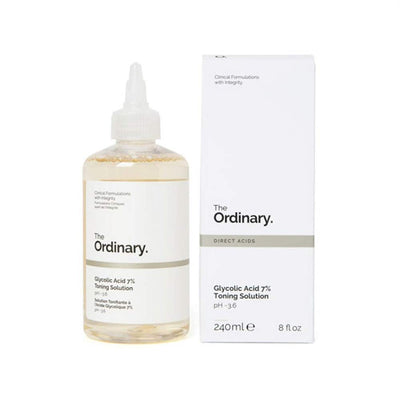
Exfoliating Toner
Exfoliating toners use gentle acids to remove dead skin cells and improve skin texture. These should only be used according to the product instructions rather than multiple times every day.
Brightening Toner
Brightening toners help improve the appearance of dull skin and promote a more radiant complexion.
Cleanser vs Toner: What Is the Difference?
People often confuse cleansers and toners because both are used during facial care. However, they perform completely different roles.
Cleanser
- Removes dirt, oil, makeup, and sunscreen
- Used as the first skincare step
- Washes away impurities
- Rinsed off with water
- Cleans the skin
Toner
- Refreshes skin after cleansing
- Used immediately after cleansing
- Removes leftover residue
- Usually left on the skin
- Prepares the skin for the next products
Think of your cleanser as the product that washes your face, while your toner prepares your skin for everything that comes next.
Understanding this difference is the first step toward learning how to use cleanser and toner correctly.
Benefits of Using Cleanser and Toner Together
Using only one product means missing out on the full benefits of a balanced skincare routine. Together, these products work as a team.
When you use a cleanser first, your skin becomes free from dirt, makeup , sunscreen, sweat, bacteria, pollution, and excess oil. Applying toner afterwards refreshes the skin and helps it absorb your serum, moisturizer, or facial oil more effectively.
Using both consistently may help:
- Keep skin looking fresh and clean
- Reduce the buildup of excess oil
- Support healthy-looking pores
- Maintain the skin's natural moisture balance
- Improve the feel of your skincare routine
- Leave the skin smoother and softer
- Prepare the skin for active skincare ingredients
- Create the ideal foundation for makeup application
A simple morning and evening routine built around these two essential products can help your skin stay healthier, cleaner, and more comfortable every day.
How to Use Cleanser and Toner: Step-by-Step Guide
Now that you understand what each product does, it is time to learn how to use cleanser and toner correctly. Following the proper order helps your skin stay clean, balanced, and ready to absorb the rest of your skincare products.
Step 1: Wash Your Hands
Always begin with clean hands. Your hands collect bacteria, dirt, and oil throughout the day. Washing them first prevents transferring these impurities to your face.
Step 2: Remove Makeup if Needed
If you are wearing heavy makeup or waterproof sunscreen, remove it before cleansing. You can use a cleansing balm, an oil cleanser, or a gentle makeup remover as the first step.
Double cleansing is especially helpful in the evening because it thoroughly removes sunscreen, foundation, and excess sebum before using your regular facial cleanser.
Step 3: Wet Your Face with Lukewarm Water
Splash your face with lukewarm water instead of hot water. Hot water may strip away your skin's natural moisture, while cold water may not remove oil as effectively.
Lukewarm water creates the ideal balance for comfortable cleansing.
Step 4: Apply the Cleanser
Dispense a small amount of facial cleanser into your hands. Gently massage it onto your face using circular motions for about 30 to 60 seconds.
Focus on areas that usually collect more oil, including:
- Forehead
- Nose
- Chin
- Jawline
Avoid scrubbing aggressively. Gentle cleansing protects your skin barrier while effectively removing dirt, pollution, makeup residue, and excess oil.
Step 5: Rinse Thoroughly
Rinse away the cleanser completely using lukewarm water. Leaving cleanser behind may cause dryness or irritation.
Take your time to ensure no product remains around the nose, hairline, or jawline.
Step 6: Pat Your Skin Dry
Use a clean, soft towel to gently pat your face dry.
Do not rub the skin, as rubbing may cause unnecessary irritation, especially if you have sensitive skin.
Leave your skin slightly damp before applying toner. Damp skin often absorbs skincare products more effectively.
Step 7: Apply Toner
Pour a small amount of toner onto a cotton pad or into the palms of your hands.
There are two common ways to apply toner.
Using a Cotton Pad
Gently wipe the toner across your face and neck. This helps remove any remaining traces of cleanser, dirt, or makeup.
Using Your Hands
Place a few drops into your palms and gently press the toner into your skin. Many hydrating toners are designed for this application method because it reduces product waste and feels gentle on the skin.
Avoid rubbing the toner aggressively. Allow it to absorb naturally.
Step 8: Wait for the Toner to Absorb
Give your toner about one minute to absorb into the skin before applying additional products.
This simple step helps your serum or moisturizer spread more evenly.
Step 9: Apply Serum
After toner, apply a serum that matches your skincare goals.
For example:
- Hydrating serum for dry skin
- Vitamin C serum for brighter-looking skin
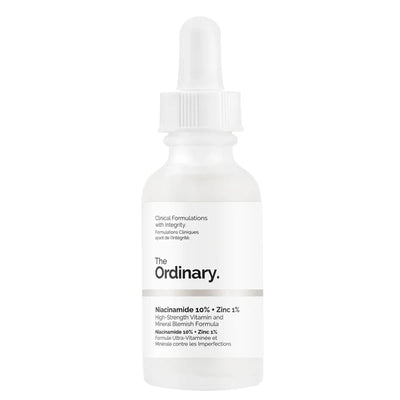
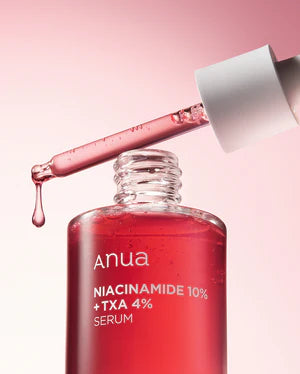
- Niacinamide serum for balancing oil
- Hyaluronic acid serum for added moisture
A toner prepares the skin so these ingredients absorb more effectively.
Step 10: Finish with Moisturizer
Moisturizer helps lock in hydration and supports the skin barrier.
Choose a moisturizer suitable for your skin type to keep your skin soft and comfortable throughout the day.
Step 11: Apply Sunscreen in the Morning
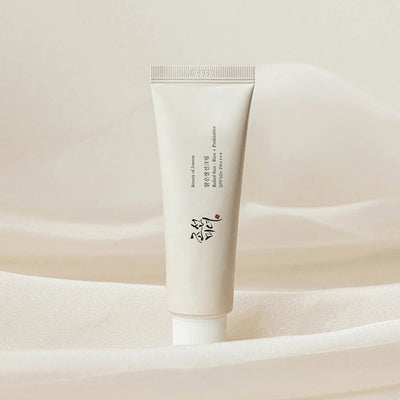
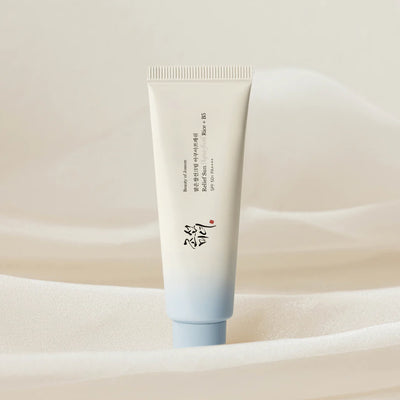
If you are following your morning routine, sunscreen should always be your final skincare step.
Daily sun protection helps reduce damage caused by UV rays and supports healthier-looking skin over time.
Your morning routine should look like this:
- Cleanser
- Toner
- Serum
- Moisturizer
- Sunscreen
Your evening routine is slightly different:
- Makeup remover or oil cleanser (if needed)
- Cleanser
- Toner
- Serum
- Moisturizer
Following this order is the easiest way to master how to use cleanser and toner every day.
How Often Should You Use Cleanser and Toner?

Many people ask whether they should use these products once or twice a day.
For most skin types, cleansing and toning twice daily works well.
Morning Routine
Morning cleansing removes sweat and oil that build up overnight. Toner refreshes the skin before applying moisturizer and sunscreen.
Night Routine
Evening cleansing removes makeup, sunscreen, pollution, and excess oil collected throughout the day. Toner then prepares the skin for nighttime treatments.
If your skin feels very dry or sensitive, you may only cleanse once daily in the evening while using toner according to your skin's needs.
Consistency matters more than using too many products.
Choosing the Right Cleanser and Toner for Your Skin Type
Every skin type has different needs. Choosing suitable products helps you achieve better results.
For Oily Skin
Look for:
- Gel cleanser
- Foaming cleanser
-
Oil-balancing toner
These products help remove excess sebum without making your skin feel tight.
For Dry Skin
Choose:
- Cream cleanser
- Hydrating cleanser
-
Alcohol-free hydrating toner
Ingredients that support hydration help prevent dryness after cleansing.
For Combination Skin
A gentle foaming cleanser combined with a balancing toner works well for areas that are oily and dry at the same time.
For Sensitive Skin
Use fragrance-free products with soothing ingredients.
Avoid products that contain harsh alcohols or unnecessary fragrances, as these may increase irritation.
For Acne-Prone Skin
Select a gentle cleanser that removes excess oil without over-drying the skin.
Pair it with a toner designed to balance the skin while maintaining hydration.
Common Mistakes to Avoid
Even high-quality skincare products may not give the best results if used incorrectly.
Avoid these common mistakes when learning how to use cleanser and toner.
Using Hot Water
Hot water removes natural oils and may leave the skin feeling dry and uncomfortable.
Overwashing the Face
Cleansing more than twice daily can weaken the skin barrier and increase dryness.
Skipping Toner
Many people stop after cleansing. However, toner helps refresh the skin and prepares it for the products that follow.
Choosing the Wrong Products
Using products that do not suit your skin type may cause irritation or excessive dryness.
Using Too Much Product
A large amount does not improve results. A small amount of cleanser and toner is usually enough.
Rubbing the Skin Too Hard
Always massage gently. Aggressive rubbing may damage the skin barrier.
Forgetting Moisturizer
After cleansing and toning, your skin still needs hydration. Moisturizer helps maintain moisture and comfort.
Not Wearing Sunscreen
Morning skincare is incomplete without sunscreen. It protects your skin from daily UV exposure and helps maintain the results of your routine.
Cleanser and Toner Routine for Every Skin Type
Understanding how to use cleanser and toner is only part of building an effective skincare routine. Choosing products that suit your skin type is just as important. Every person's skin has different needs, so using the right cleanser and toner can help you achieve healthier, smoother, and more balanced skin over time.
For Oily Skin
If your skin becomes shiny a few hours after washing or you often deal with clogged pores and excess sebum, choose a lightweight gel or foaming cleanser that removes oil without over-drying the skin. Follow it with an oil-balancing toner to refresh your complexion and prepare it for the next skincare products. Complete your routine with a lightweight serum, an oil-free moisturizer, and sunscreen during the day. Avoid washing your face too often because excessive cleansing may encourage your skin to produce even more oil.
For Dry Skin
Dry skin requires products that cleanse gently while helping the skin retain moisture. A cream or hydrating cleanser removes impurities without leaving the skin feeling tight. An alcohol-free toner provides an extra layer of hydration and prepares the skin for moisturizing products. Finish your routine with a nourishing serum and a rich moisturizer to keep your skin soft and comfortable throughout the day. Washing your face with lukewarm water instead of hot water also helps protect your natural moisture barrier.
For Combination Skin
Combination skin usually has an oily T-zone and drier cheeks, making balance the key to a successful skincare routine. A gentle cleanser effectively removes dirt and excess oil without drying out the face. A balancing toner refreshes the skin while maintaining moisture where it is needed most. Applying a lightweight moisturizer after cleansing and toning helps keep every area of your face comfortable without feeling greasy.
For Sensitive Skin
Sensitive skin benefits from a simple and gentle skincare routine. Choose a fragrance-free cleanser that cleans without causing irritation and pair it with a soothing, alcohol-free toner. Apply both products gently using your fingertips instead of rubbing your skin. Before adding any new skincare product to your routine, perform a patch test to reduce the risk of irritation or discomfort.
For Normal Skin
If your skin feels balanced most of the time, maintaining a consistent routine is the best way to preserve its healthy appearance. A gentle cleanser removes daily impurities, while a hydrating toner refreshes the skin and prepares it for serum and moisturizer. Using sunscreen every morning completes your routine and helps protect your skin from daily environmental damage.
Can You Skip Toner?
Many people wonder whether toner is really necessary. While cleansing is the most important step for removing dirt, oil, makeup, and sunscreen, toner provides additional benefits that help complete your skincare routine. A good toner refreshes the skin after cleansing, removes any remaining residue, delivers lightweight hydration, and prepares the skin to absorb serums and moisturizers more effectively. Although you can use a cleanser without a toner, combining both products creates a more balanced and complete skincare routine.
Can You Use Cleanser and Toner Every Day?
Yes, most people can safely use a cleanser and toner every morning and every evening. Cleansing twice a day helps remove sweat, excess oil, pollution, makeup, and sunscreen that accumulate on the skin. Following cleansing with toner keeps the skin feeling refreshed and prepares it for the rest of your skincare routine. However, if your skin is extremely dry or sensitive, you may prefer to cleanse only once in the evening while using a gentle toner according to your skin's needs. Consistency is more important than using too many skincare products.
Signs Your Cleanser or Toner Is Not Right for You
Not every skincare product is suitable for every skin type. If your cleanser or toner leaves your skin feeling tight, causes burning or stinging, increases redness, or leads to excessive dryness and flaking, it may not be the right choice. Persistent irritation or frequent breakouts after several weeks of use may also indicate that you need a different formula. Choosing products designed for your skin type and avoiding harsh ingredients can help you build a routine that keeps your skin healthy and comfortable.
FAQs
Should I use toner immediately after cleanser?
Yes. Apply toner immediately after cleansing and gently patting your face dry. This helps refresh your skin and prepares it for serum, moisturizer, or other skincare products.
Do I rinse toner off?
No. Most facial toners are leave-on products. After applying toner, allow it to absorb naturally before moving to the next step in your skincare routine.
Can I use cleanser without toner?
Yes, you can. However, adding a toner provides extra hydration, removes any remaining residue, and prepares your skin to absorb the products that follow.
Should I use cleanser and toner in the morning and at night?
Yes. Using a cleanser and toner twice daily helps remove impurities, excess oil, and environmental pollutants while keeping your skin fresh and balanced.
Can teenagers use cleanser and toner?
Yes. Teenagers can benefit from a gentle cleanser and toner, especially if they have oily or acne-prone skin. The products should always be selected according to their skin type.
Can I apply moisturizer without toner?
Yes. Moisturizer can be applied directly after cleansing if you do not use toner. However, toner can improve hydration and help prepare your skin for moisturizer.
How long should I wait after applying toner?
Allow your toner to absorb for about one minute before applying serum or moisturizer. This gives your skin enough time to receive the full benefits of the product.
What comes after toner?
After toner, apply your serum, followed by moisturizer. During the daytime, always finish your skincare routine with sunscreen to protect your skin from harmful UV rays.
Conclusion
Learning how to use cleanser and toner correctly is one of the simplest ways to build an effective skincare routine. A cleanser removes dirt, makeup, sunscreen, excess oil, and daily impurities, while a toner refreshes the skin, supports hydration, and prepares it for the products that follow. When used consistently and paired with products that suit your skin type, these two essentials can help your skin look cleaner, healthier, and more radiant over time.
At Khayest, we offer a carefully selected range of premium cleansers, toners, serums, moisturizers, and other skincare essentials to help you create a routine that works for your unique skin. Explore our collection today and take the next step toward healthy, glowing skin with confidence.