
How to Remove Makeup: Gentle Steps for Clean, Fresh Skin
If you want to know how to remove makeup, start with a gentle remover, clean hands, and soft motions. A good makeup removal routine helps remove foundation, mascara, lipstick, sunscreen, and daily buildup without hurting your skin. This guide explains simple steps for clean, fresh, and comfortable skin at night.
Makeup can make you feel polished and confident, but it should not stay on your face overnight. Foundation, concealer, mascara, eyeliner, lipstick, powder, blush, and sunscreen can mix with sweat, oil, and dust during the day. If they are not removed properly, your skin may feel dull, clogged, or irritated.
Good makeup removal is not about scrubbing your face. It is about melting makeup gently, cleansing the skin, and then adding moisture back. When you remove makeup the right way, your skin feels cleaner, softer, and more ready for your nighttime skincare routine.
Many people think a simple face wash is enough. Sometimes it is not. Long-wear foundation, waterproof mascara, liquid eyeliner, and matte lipstick often need a proper makeup remover, cleansing balm, cleansing oil, or micellar water before face wash.
This guide will show you the best way to remove makeup without harsh rubbing, dryness, or damage.
Why Proper Makeup Removal Matters
Removing makeup at night is one of the most important beauty habits. It keeps your skin clean and helps your skincare work better.
Proper makeup removal can help prevent:
- Clogged pores
- Breakouts
- Dull skin
- Dryness
- Skin irritation
- Makeup residue
- Rough texture
- Mascara flakes near the eyes
- Lipstick stains on the lips
- Pillowcase transfer
- Unclean skin before bed
Your skin repairs itself while you sleep. If old makeup stays on your face, your skin cannot feel fully fresh. Sleeping with makeup may also make your face look tired the next morning.
A clean face is the first step to healthy-looking skin. That is why knowing how to remove makeup properly matters.
How to Remove Makeup Step by Step

A good routine does not need to be complicated. You only need the right order and gentle products.
Follow these steps for a clean face after makeup.
Step 1: Tie Your Hair Back and Wash Your Hands
Before touching your face, prepare properly.
Do this first:
- Tie your hair away from your face
- Wash your hands with soap
- Use a clean towel
- Keep cotton pads or reusable rounds ready
- Keep your makeup remover nearby
Clean hands are important. Dirty hands can move oil and bacteria onto your skin.
Step 2: Start With Eye and Lip Makeup
Eye and lip makeup are often the hardest to remove. Mascara, eyeliner, liquid lipstick, and lip stains can stay on longer than foundation.
Start with:
- Waterproof mascara
- Liquid eyeliner
- Eyeshadow
- Brow products
- Long-wear lipstick
- Lip stain
- Matte lipstick
Use a gentle eye makeup remover, micellar water, cleansing oil, or bi-phase remover.
For eyes:
- Soak a cotton pad with remover
- Place it gently over the closed eye
- Wait a few seconds
- Swipe softly downward
- Avoid rubbing or tugging
For lips:
- Press remover on the lips
- Let it break down lipstick
- Wipe gently
- Apply lip balm afterward
The skin around your eyes and lips is delicate. Be patient and gentle.
Step 3: Use Makeup Remover or Cleansing Balm
After eye and lip makeup, remove the base makeup. This includes foundation, concealer, blush, bronzer, highlighter, primer, and sunscreen.
You can use:
- Cleansing balm
- Cleansing oil
- Micellar water
- Cream cleanser
- Milk cleanser
- Makeup remover lotion
- Makeup remover pads
A cleansing balm is great for full-face makeup. It melts foundation, sunscreen, and long-wear products. A cleansing oil works in a similar way. Micellar water is good for light makeup or quick removal.
Use the product according to your skin type and makeup level.
Step 4: Massage Gently
If you use cleansing balm or oil cleanser, massage it over dry skin first.
Focus on:
- Forehead
- Nose
- Cheeks
- Chin
- Jawline
- Around the mouth
- Hairline
- Neck, if you applied makeup there
Use small circular motions. Do not scrub.
Gentle massage helps break down:
- Foundation
- Sunscreen
- Concealer
- Powder
- Blush
- Bronzer
- Setting spray
- Primer
Then add a little water to emulsify the product if needed. It may turn milky. Rinse well.
Step 5: Double Cleanse With Face Wash
After using a makeup remover, cleanse your face with a gentle face wash. This is called double cleansing.
Double cleansing means:
- First cleanse: removes makeup, sunscreen, oil, and dirt
- Second cleanse: cleans the skin itself
Use a face wash that suits your skin type.
For oily skin:
- Gel cleanser
- Foaming cleanser
- Lightweight face wash
For dry skin:
- Cream cleanser
- Hydrating cleanser
- Milk cleanser
For sensitive skin:
- Gentle cleanser
- Fragrance-free cleanser
- Non-stripping face wash
Do not use a harsh cleanser. Your skin should feel clean, not tight or painful.
Step 6: Rinse and Pat Dry
After cleansing, rinse your face with lukewarm water.
Avoid:
- Very hot water
- Harsh scrubbing
- Rough towels
- Pulling the skin
- Over-washing
Pat your face dry with a soft towel. Do not rub.
Step 7: Apply Toner, Serum, and Moisturizer
After makeup removal, your skin needs care.
Your simple nighttime routine can be:
- Toner, if you use one
- Serum, if needed
- Eye cream, if used
- Moisturizer
- Lip balm
Moisturizer is important because cleansing can remove some natural oils. A good moisturizer helps keep your skin soft and comfortable.
Best Makeup Removers by Product Type
Different products work for different makeup styles. Choose based on your makeup, skin type, and comfort.
Cleansing Balm
A cleansing balm is a solid or creamy remover that melts into an oil-like texture on the skin.
It is good for:
- Full-face makeup
- Long-wear foundation
- Sunscreen
- Waterproof makeup
- Dry skin
- Normal skin
- Heavy makeup days
Benefits:
- Melts makeup easily
- Feels soft on the skin
- Reduces rubbing
- Works well for double cleansing
- Helps remove sunscreen
How to use:
- Apply to dry skin
- Massage gently
- Add water if needed
- Rinse well
- Follow with face wash
Cleansing Oil
A cleansing oil is a liquid oil-based cleanser that breaks down makeup, sunscreen, and sebum.
It is good for:
- Waterproof mascara
- Heavy foundation
- Long-wear makeup
- Sunscreen
- Oily skin, if the formula rinses well
- Dry skin
Benefits:
- Breaks down stubborn makeup
- Reduces harsh rubbing
- Works well as first cleanse
- Can remove waterproof products
How to use:
- Apply to dry face
- Massage gently
- Add water to emulsify
- Rinse
- Follow with cleanser
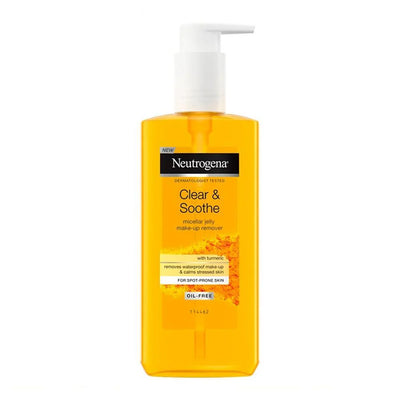
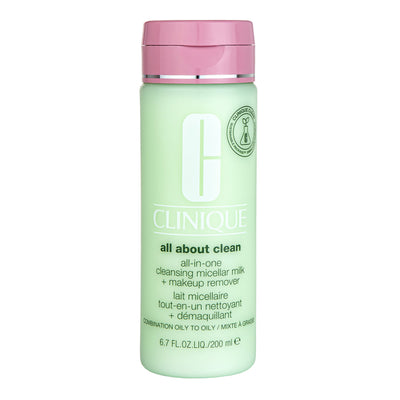
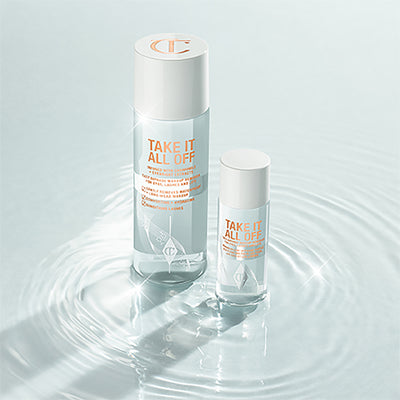
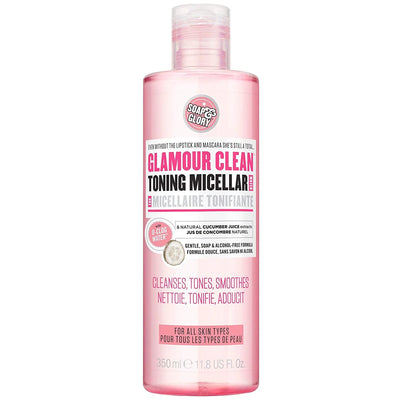
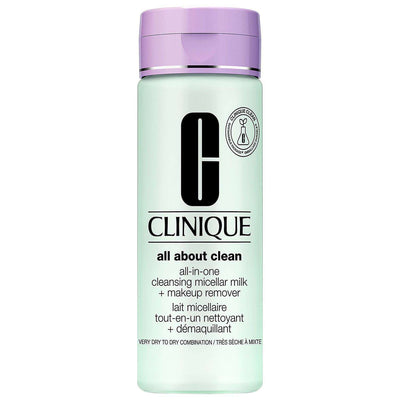
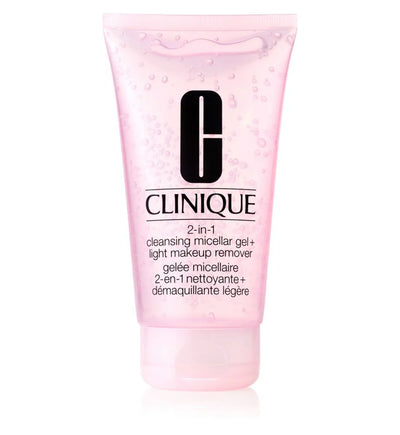
Micellar Water
Micellar water is a gentle liquid remover that can lift makeup, oil, and dirt from the skin.
It is good for:
- Light makeup
- Daily makeup
- Sensitive skin
- Quick removal
- Eye makeup
- Lip makeup
- Travel
Benefits:
- Easy to use
- Lightweight feel
- Good for touch-ups
- Often gentle on skin
- Useful with cotton pads
How to use:
- Soak cotton pad
- Press on makeup
- Swipe gently
- Repeat if needed
- Follow with cleanser if wearing full makeup
For heavy foundation or waterproof mascara, micellar water alone may not be enough.
Bi-Phase Makeup Remover
A bi-phase remover has two layers. One layer is usually oil-based, and the other is water-based. You shake it before use.
It is good for:
- Waterproof mascara
- Liquid eyeliner
- Long-wear lipstick
- Heavy eye makeup
- Stubborn makeup
Benefits:
- Removes waterproof makeup
- Works quickly
- Helps avoid rubbing eyes
- Good for long-wear formulas
How to use:
- Shake the bottle
- Soak cotton pad
- Press on the area
- Wait a few seconds
- Swipe gently
Gentle Face Cleanser
A face cleanser removes leftover residue after makeup remover.
It is good for:
- Second cleanse
- Daily skincare
- Removing sweat and oil
- Cleaning skin after makeup
Choose your cleanser carefully. A harsh cleanser can make your skin dry, tight, or irritated.
Makeup Wipes
Makeup wipes are convenient, but they should not be your only method for full makeup removal.
They are useful for:
- Travel
- Quick touch-ups
- Emergency use
- Removing small mistakes
- Light makeup days
But wipes may:
- Leave residue behind
- Need rubbing
- Irritate sensitive skin
- Miss waterproof makeup
- Dry out the skin
If you use wipes, follow with a gentle face wash.
How to Remove Makeup by Skin Type

Your skin type matters. The best makeup remover for one person may not work for another.
Oily or Acne-Prone Skin
Oily or acne-prone skin needs deep but gentle cleansing. Do not use harsh products that strip the skin.
Best options:
- Lightweight cleansing oil
- Non-comedogenic cleansing balm
- Micellar water
- Gel cleanser
- Foaming cleanser
- Oil-free face wash
Good routine:
- Use cleansing balm or oil first
- Follow with gel or foaming cleanser
- Rinse well
- Apply lightweight moisturizer
Avoid:
- Sleeping in makeup
- Heavy residue
- Dirty towels
- Reusing unclean sponges
- Harsh scrubbing
- Over-cleansing
A proper double cleansing routine can help remove makeup, sunscreen, and excess oil without making the skin feel stripped.
Dry Skin
Dry skin needs soft, hydrating removal. Strong cleansers can make it feel tight or flaky.
Best options:
- Cleansing balm
- Cleansing oil
- Cream cleanser
- Milk cleanser
- Hydrating micellar water
- Gentle face wash
Good routine:
- Remove makeup with balm or oil
- Use a creamy cleanser
- Pat dry gently
- Apply serum if needed
- Use a rich moisturizer
Avoid:
- Hot water
- Harsh foaming cleansers
- Rough towels
- Alcohol-heavy products
- Over-washing
For dry skin, your face should feel soft after makeup removal, not tight.
Sensitive Skin
Sensitive skin needs extra care. Choose gentle, fragrance-free products when possible.
Best options:
- Gentle micellar water
- Fragrance-free makeup remover
- Cream cleanser
- Milk cleanser
- Soft reusable cotton pads
- Mild face wash
Good routine:
- Patch test new products
- Remove makeup slowly
- Avoid rubbing
- Use lukewarm water
- Apply calming moisturizer
Avoid:
- Strong fragrance
- Harsh scrubs
- Rough makeup wipes
- Strong essential oils
- Hot water
- Tugging around the eyes
If your skin burns, stings, or turns red after a product, stop using it.
Combination Skin
Combination skin has oily and dry areas. Your T-zone may get shiny while your cheeks feel dry.
Best options:
- Lightweight cleansing balm
- Micellar water
- Gentle gel cleanser
- Balanced face wash
- Light moisturizer
Good routine:
- Use balm or micellar water first
- Cleanse with gentle face wash
- Moisturize dry areas well
- Use lighter product on oily areas
You may need different products for different seasons.
How to Remove Waterproof Makeup
Waterproof and long-wear makeup needs more time. Do not scrub it off quickly.
How to Remove Waterproof Mascara
Waterproof mascara can be stubborn. The eye area is delicate, so be gentle.
Use:
- Bi-phase makeup remover
- Cleansing oil
- Eye makeup remover
- Micellar water made for waterproof makeup
Steps:
- Soak a cotton pad
- Press it over closed eyes
- Wait 10 to 20 seconds
- Swipe gently downward
- Repeat if needed
- Clean under the lashes carefully
- Wash face after removal
Avoid:
- Pulling lashes
- Scrubbing hard
- Using dry cotton pads
- Sleeping with mascara on
How to Remove Liquid Eyeliner
Liquid eyeliner can cling to the lash line.
Use:
- Eye makeup remover
- Cleansing oil
- Micellar water
- Cotton bud for edges
Steps:
- Press remover on the eyelid
- Let it loosen the liner
- Swipe gently
- Use cotton bud near lash line
- Do not poke the eye
- Rinse and cleanse
How to Remove Long-Wear Lipstick
Matte lipstick and lip stain can leave color behind.
Use:
- Cleansing oil
- Lip makeup remover
- Micellar water
- Cleansing balm
- Lip balm before wiping
Steps:
- Apply remover to cotton pad
- Press on lips
- Wait a few seconds
- Wipe gently
- Repeat if needed
- Apply lip balm
Avoid rubbing too much. Lips can become dry or cracked.
How to Remove Full-Coverage Foundation
Full-coverage foundation needs proper cleansing. Face wash alone may leave residue.
Use:
- Cleansing balm
- Cleansing oil
- Makeup remover lotion
- Micellar water for first pass
- Gentle face wash after
Steps:
- Massage balm or oil into dry skin
- Focus on nose, chin, and hairline
- Rinse well
- Use face wash
- Pat dry
- Moisturize
Do not forget the jawline and neck if you applied foundation there.
Makeup Remover vs Cleanser: What Is the Difference?
A makeup remover and cleanser have different jobs.
Makeup remover helps dissolve:
- Foundation
- Mascara
- Eyeliner
- Lipstick
- Sunscreen
- Primer
- Setting spray
Cleanser helps wash away:
- Sweat
- Oil
- Dirt
- Leftover residue
- Makeup remover traces
For light makeup, one cleanser may be enough. For heavy or waterproof makeup, use both.
Best routine:
- Makeup remover first
- Cleanser second
- Moisturizer last
This is the heart of double cleansing.
What to Use If You Do Not Have Makeup Remover
If you do not have a proper makeup remover, choose the gentlest safe option available.
Possible options:
- Gentle cleanser
- Cream cleanser
- Micellar water
- Cleansing balm
- Cleansing oil
- Moisturizing face wash
If you only have cleanser:
- Wash gently
- Repeat once if needed
- Avoid scrubbing
- Use moisturizer after
Avoid using random harsh items on your face.
Do not use:
- Dish soap
- Hand wash
- Shampoo
- Harsh body wash
- Toothpaste
- Alcohol
- Perfume
- Lemon juice
- Rough scrubs
These can irritate your skin and damage your skin barrier.
Makeup Removal Mistakes to Avoid
Small mistakes can make your skin feel dry, irritated, or clogged.
Avoid these common mistakes.
Sleeping With Makeup On
This is one of the worst habits for skin. Makeup left overnight can mix with oil and dirt.
It may lead to:
- Clogged pores
- Breakouts
- Dullness
- Mascara flakes
- Irritation
- Dirty pillowcases
Always remove makeup before bed.
Using Wipes as the Only Step
Makeup wipes can remove some makeup, but they may leave residue behind.
If you use wipes:
- Use them gently
- Do not rub hard
- Follow with cleanser
- Apply moisturizer after
Rubbing the Eye Area
The eye area is thin and delicate. Rubbing can irritate skin and pull lashes.
Better method:
- Press remover
- Wait
- Swipe gently
- Repeat softly
Skipping the Hairline and Jawline
Makeup often collects around the hairline, jawline, and neck.
Do not forget:
- Hairline
- Around the nose
- Jawline
- Under the chin
- Neck
- Around the ears
Using Hot Water
Hot water can dry out the skin.
Use:
- Lukewarm water
- Gentle cleanser
- Soft towel
Not Moisturizing After Cleansing
After removing makeup, your skin needs hydration.
Use:
- Moisturizer
- Night cream
- Hydrating serum
- Lip balm
This helps keep skin soft and balanced.
Skincare Routine After Removing Makeup
After makeup removal, your skin is ready for skincare.
A simple nighttime skincare routine can include:
- Cleanser
- Toner, if you use one
- Serum
- Eye cream
- Moisturizer
- Night cream
- Lip balm
If your skin is sensitive, keep the routine simple.
Basic routine:
- Remove makeup
- Cleanse
- Moisturize
That is enough for many people.
For dry skin:
- Add hydrating serum
- Use richer moisturizer
- Apply lip balm
For oily skin:
- Use lightweight serum
- Apply oil-free moisturizer
- Avoid heavy layers
For acne-prone skin:
- Use gentle cleanser
- Apply treatment if prescribed or suitable
- Moisturize lightly
How Often Should You Wash Makeup Tools?
Makeup tools can hold old product, oil, and bacteria. Clean tools help your skin and makeup look better.
Wash regularly:
- Foundation brushes
- Concealer brushes
- Beauty sponges
- Powder brushes
- Eye brushes
- Reusable cotton pads
- Makeup puffs
Good habits:
- Wash sponges often
- Let tools dry fully
- Do not share eye tools
- Replace old sponges
- Store brushes in a clean place
Dirty tools can cause breakouts and affect makeup removal too.
Best Makeup Removal Routine for Beginners
If you are new to skincare, keep it simple. You do not need many products.
Beginner routine:
- Remove eye and lip makeup first
- Use micellar water, cleansing balm, or cleansing oil
- Wash face with gentle cleanser
- Pat dry
- Apply moisturizer
- Use lip balm
For heavy makeup days:
- Use cleansing balm or oil
- Follow with face wash
- Moisturize well
For light makeup days:
- Use micellar water
- Follow with cleanser
- Moisturize
Shop Makeup Remover and Cleansing Essentials at Khayest

A clean beauty routine starts with the right products. At Khayest, you can explore makeup removal and skincare essentials that help you keep your skin fresh after makeup.
For a complete routine, shop:
- Makeup remover
- Cleansing balm
- Cleansing oil
- Micellar water
- Eye makeup remover
- Waterproof makeup remover
- Face wash
- Gentle cleanser
- Toner
- Serum
- Moisturizer
- Night cream
- Cotton pads
- Reusable cleansing pads
- Makeup wipes
- Cleansing cloths
Whether you wear light makeup or full glam, the right cleansing routine helps your skin feel clean, soft, and ready for the next day.
FAQs About How to Remove Makeup
How do I remove makeup properly?
Use a makeup remover, cleansing balm, cleansing oil, or micellar water first. Remove eye and lip makeup gently. Then wash your face with a gentle cleanser and apply moisturizer.
What is the best way to remove makeup?
The best way is to remove makeup in two steps:
- Use a makeup remover to break down makeup
- Use a gentle cleanser to clean the skin
This is called double cleansing.
Should I remove makeup before washing my face?
Yes, especially if you wear foundation, sunscreen, waterproof mascara, or long-wear lipstick. A remover helps dissolve makeup before face wash.
Can cleanser remove makeup?
Some cleansers can remove light makeup. But heavy, waterproof, or long-wear makeup usually needs a proper remover first.
Should I double cleanse after makeup?
Yes, double cleansing is helpful after makeup. It removes makeup, sunscreen, oil, and leftover residue more completely.
How do I remove waterproof mascara?
Use a bi-phase remover, cleansing oil, or waterproof eye makeup remover. Press a soaked cotton pad over closed eyes, wait a few seconds, then wipe gently.
How do I remove long-wear lipstick?
Use cleansing oil, micellar water, or lip makeup remover. Press the remover on your lips first, then wipe softly. Apply lip balm afterward.
Is micellar water good for removing makeup?
Yes, micellar water is good for light makeup and gentle removal. For heavy or waterproof makeup, you may need cleansing balm or oil as well.
Is cleansing balm good for makeup removal?
Yes, cleansing balm is great for melting foundation, sunscreen, concealer, and long-wear makeup. Follow it with face wash for a complete cleanse.
Can makeup wipes remove all makeup?
Makeup wipes can remove some makeup, but they may not remove everything. It is better to cleanse your face afterward.
How do I remove makeup without makeup remover?
Use a gentle cleanser, cream cleanser, or cleansing oil if available. Avoid harsh products like hand wash, shampoo, alcohol, or lemon juice.
What makeup remover is best for oily skin?
Oily skin can use lightweight cleansing oil, non-comedogenic cleansing balm, micellar water, or gel cleanser. Follow with a gentle face wash.
What makeup remover is best for sensitive skin?
Sensitive skin usually needs fragrance-free, gentle removers. Micellar water, cream cleanser, or mild cleansing balm can work well.
What should I apply after removing makeup?
After removing makeup, apply moisturizer. You can also use toner, serum, eye cream, night cream, and lip balm if they suit your routine.
Is it bad to sleep with makeup on?
Yes, sleeping with makeup on can clog pores, irritate skin, cause breakouts, and make the face look dull. Always remove makeup before bed.
Conclusion
Now you know how to remove makeup in a gentle and complete way. The best routine starts with a proper makeup remover, cleansing balm, cleansing oil, or micellar water. Then follow with a gentle face wash to remove leftover residue.
Do not scrub your skin. Do not tug your eyes. Do not sleep with makeup on. Use soft motions, clean tools, and products that match your skin type. If you wear waterproof mascara, long-wear lipstick, or full-coverage foundation, take extra time and use the right remover.
A good makeup removal routine keeps your skin clean, fresh, and comfortable. It also helps your nighttime skincare work better.
Explore Khayest today to shop makeup remover, cleansing balm, micellar water, gentle cleanser, moisturizer, cotton pads, and skincare essentials for a clean and healthy-looking beauty routine.