
How to Exfoliate Skin
To exfoliate skin safely, start 1 time weekly, use 1 gentle exfoliant, moisturize afterward, and wear sunscreen daily. how to exfoliate skin depends on your skin type, product strength, face or body area, and tolerance.
Many beginners ask how to exfoliate skin after rough texture, blackheads, dullness, or body bumps appear. The safest answer stays simple: choose 1 method, avoid harsh rubbing, and stop when skin feels sore.
How to Exfoliate Skin Safely?
The safe method uses 4 steps: cleanse, exfoliate, moisturize, and protect with sunscreen. This order keeps exfoliation controlled and reduces irritation.
Use exfoliation at night when you try acids like glycolic acid, lactic acid, mandelic acid, and salicylic acid. Night use reduces sun exposure right after fresh exfoliation.
Start slowly because damaged barriers often begin with too many acids, scrubs, toners, and masks in 1 week. Redness, burning, stinging, peeling, and tightness mean your skin needs a break.
For a beginner, how to exfoliate skin should never mean daily acids. Begin with 1 night weekly for 2 weeks, then adjust after skin stays calm.
What Does Exfoliation Do for Skin?
Exfoliation removes dead skin cells from the skin surface. This process can make skin look smoother, brighter, and less dull.
Dead skin cells can collect around pores, rough patches, elbows, knees, heels, and flaky cheeks. Good exfoliation helps texture look cleaner without stripping the skin barrier.
Exfoliation can support smoother makeup, cleaner sunscreen application, and better moisturizer spread. Exfoliation cannot fix every concern alone.
For blackheads, sebaceous filaments, closed comedones, and oily pores, salicylic acid often suits oily areas. For dullness, glycolic acid, lactic acid, and mandelic acid suit surface texture.
Which Exfoliation Type Should You Choose?
Choose 1 exfoliation type based on skin sensitivity, texture concern, and body area. The 3 main types are chemical, physical, and enzyme exfoliation.
Chemical Exfoliation
Chemical exfoliation uses alpha hydroxy acids [AHA], beta hydroxy acids [BHA], and polyhydroxy acids [PHA]. These acids loosen dead skin cells without scrubbing.
AHA examples include glycolic acid, lactic acid, and mandelic acid. BHA examples include salicylic acid and betaine salicylate.
For gentle pore and texture care, Khayest shoppers can compare an AHA BHA toner with other mild exfoliating choices.
Physical Exfoliation
Physical exfoliation uses movement and texture to polish skin. Common examples include face scrubs, body scrubs, washcloths, exfoliating gloves, and soft brushes.
Use light pressure for 30 seconds on the face. Use 1 minute on elbows, knees, feet, and rough body zones.
Never scrub active acne, sunburn, cuts, eczema flares, or irritated cheeks. Physical rubbing can worsen redness and barrier damage.
Enzyme Exfoliation
 Enzyme exfoliation uses fruit enzymes like papaya enzyme, pineapple enzyme, and pumpkin enzyme. Enzyme products suit many beginners who dislike acid tingling.
Enzyme masks and peeling gels still need moderation. Use enzyme products 1 time weekly before increasing frequency.
How to Exfoliate Skin for Your Face
To exfoliate skin for your face, use clean skin, 1 mild product, gentle pressure, and moisturizer afterward. Your face needs less force than your body.
Keep face exfoliation away from the eyelids and lips. Leave 0.5 inches (1.3cm) around the eyes to reduce irritation.
Cleanse Before Exfoliation
Cleanse first to remove sunscreen, makeup, sweat, oil, and pollution. Exfoliating over residue can increase rubbing and uneven product spread.
Use lukewarm water, not hot water. Hot water can make exfoliation feel sharper and leave skin tight.
Apply 1 Exfoliant Only
Apply 1 exfoliant only in a single routine. Do not combine glycolic acid toner, salicylic acid serum, scrub, and retinol on the same night.
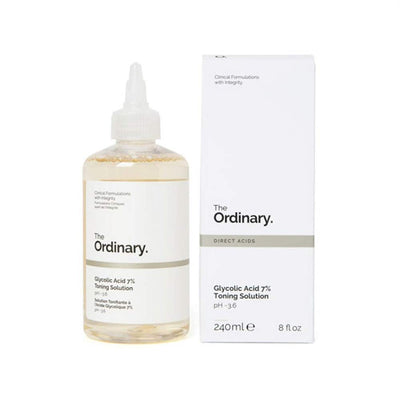
A textured routine can include a glycolic acid toner on selected nights, not every morning and night.
For liquid acids, apply 3 to 5 drops or dampen 1 cotton pad. Keep application thin and even.
Moisturize After Exfoliation
Moisturize after exfoliation to support the skin barrier. Choose hydrating ingredients like glycerin, hyaluronic acid, ceramides, and panthenol.
Use sunscreen the next morning after AHA, BHA, PHA, enzyme masks, or scrubs. Freshly exfoliated skin needs daily protection.
How to Exfoliate Skin for Your Body
To exfoliate skin for your body, soften skin in the shower, use gentle pressure, rinse well, and moisturize within 5 minutes. Body skin tolerates more texture than facial skin.
Body exfoliation targets rough areas like elbows, knees, ankles, heels, arms, and legs. Avoid aggressive rubbing on bikini areas and underarms.
Use Gentle Body Tools
Use body tools like exfoliating gloves, soft washcloths, body scrubs, and silicone scrubbers. Wash reusable tools after each use.
Move gloves in light circles for 60 seconds per body zone. Rinse tool fibers fully after body wash.
Target Rough Areas Carefully
Target rough body areas 1 to 2 times weekly. Rough patches often need consistency, not stronger pressure.
For keratosis pilaris, ingrown hairs, and bumpy arms, choose gentle chemical body care over harsh scrubbing. Salicylic acid and lactic acid often suit bumps.
Hydrate Body Skin Afterward
Apply body lotion or cream after exfoliation. Hydration helps reduce dryness, itchiness, and rough rebound texture.
Use a layer about 0.04 inches (1mm) thick on dry elbows and knees. Massage until skin feels comfortable, not slippery.
For clearer, healthier skin, our complete guide to escada perfume price in pakistan covers how it works and how to fit it into your routine.
How Often Should You Exfoliate Skin?
Most beginners should exfoliate 1 time weekly. Oily, tolerant skin can move to 2 times weekly after 3 calm weeks.
Sensitive skin often needs 1 time every 10 to 14 days. Acne-prone skin needs gentle formulas and fewer rubbing steps.
Do not increase frequency while skin stings, flakes, burns, or feels tight after moisturizer. Stop exfoliation for 7 days when barrier signs appear.
If you use retinol, benzoyl peroxide, prescription acne treatment, or strong vitamin C, reduce exfoliation. Active routines already challenge the skin barrier.
Quick Reference Table for Safe Exfoliation
|
Task |
Timing |
Method |
Difficulty |
|
Start face exfoliation |
Night, 1 time weekly |
Cleanse, apply 1 mild exfoliant, moisturize |
Easy |
|
Exfoliate oily skin |
Night, 1 to 2 times weekly |
Use salicylic acid or light gel exfoliant |
Medium |
|
Exfoliate dry skin |
Night, every 7 to 14 days |
Use lactic acid or gentle enzyme product |
Easy |
|
Exfoliate body skin |
Shower, 1 to 2 times weekly |
Use scrub, glove, or body acid carefully |
Easy |
|
Repair irritation |
Any time irritation appears |
Stop acids for 7 days and moisturize |
Easy |
|
Protect fresh skin |
Morning after exfoliation |
Apply broad-spectrum sunscreen before outdoor exposure |
Easy |
Which Exfoliant Suits Each Skin Type?
The right exfoliant matches your skin type and main concern. Choose products by tolerance before chasing fast results.
how to exfoliate skin changes for oily, dry, sensitive, acne-prone, and rough body skin. One product cannot suit every skin need.
Oily and Acne-Prone Skin
Oily and acne-prone skin often suits beta hydroxy acid [BHA]. Salicylic acid helps exfoliate inside oily pores.
Avoid gritty scrubs over active pimples, cystic acne, and inflamed bumps. Rubbing can spread irritation and worsen redness.
Dry and Sensitive Skin
Dry and sensitive skin needs mild acids or enzymes. Lactic acid, mandelic acid, and polyhydroxy acids [PHA] suit many gentle routines.
Skip exfoliation on cracked skin, eczema patches, sunburn, and burning cheeks. Repair comes before exfoliation.
Rough Body Skin
Rough body skin can use body scrubs, exfoliating gloves, lactic acid lotion, and salicylic acid body wash. Body areas need steady care.
For body texture, choose gentle exfoliating scrubs that match roughness, dryness, and routine comfort.
Can Exfoliation Fix Blackheads, Bumps, and Dullness?
Exfoliation can improve blackheads, bumps, and dullness when dead skin buildup contributes to the concern. Acne, hormones, clogged pores, and irritation still need separate care.
For blackheads and sebaceous filaments, beta hydroxy acid [BHA] works better than rough scrubbing. Salicylic acid reaches oily pore lining more effectively than face polish.
For body bumps and ingrown hairs, how to exfoliate skin depends on friction, shaving, tight clothing, and dryness. Keep razors clean and moisturize after showers.
For dullness, alpha hydroxy acids [AHA] can help surface texture look brighter. Glycolic acid, lactic acid, and mandelic acid suit dull skin at different strengths.
For rough feet, use a pumice stone only on thick heel skin. Keep the tool 2 inches (5cm) away from cracked cuts and sore areas.
For tan, dark patches, and uneven tone, exfoliation supports surface renewal. Sunscreen and brightening care still decide how evenly your skin tone looks.
The safest way to judge how to exfoliate skin is to watch comfort for 24 hours. Comfortable skin feels smooth, not raw, hot, shiny, or stretched.
What Mistakes Damage Your Skin Barrier?
The biggest mistake is using too many exfoliants too quickly. Acid toners, peeling masks, scrubs, and retinol need spacing.
Do not exfoliate before waxing, threading, laser treatment, or strong facial treatments. Leave at least 48 hours before and after these services.
Do not exfoliate when skin feels hot, shiny, sore, or unusually tight. These signs show barrier stress.
Do not use lemon juice, baking soda, toothpaste, salt scrubs, or rough walnut shells on the face. These methods can irritate skin.
Do not skip sunscreen after exfoliating acids. Alpha hydroxy acids can make skin more sun-sensitive.
How to Build a Simple Exfoliation Routine
 To build a simple exfoliation routine, choose 1 night weekly, use 1 exfoliant, and keep other products calming. This routine suits beginners.
Step 1: Cleanse with a gentle cleanser for 30 seconds. Use lukewarm water and pat skin dry.
Step 2: Apply your exfoliant in a thin layer. Use clean fingers, 1 cotton pad, or the product applicator.
Step 3: Wait 1 to 5 minutes before moisturizer unless the product label gives different timing. Avoid layering extra actives.
Step 4: Apply moisturizer with barrier-supporting ingredients like ceramides, glycerin, hyaluronic acid, and panthenol.
Step 5: Apply sunscreen the next morning on face, neck, and exposed skin. Cover 6 inches (15cm) below the jawline when the neck shows.
This routine answers how to exfoliate skin without turning exfoliation into a harsh daily habit.
FAQs About How to Exfoliate Skin
Can I exfoliate every day?
No. Most beginners should avoid daily exfoliation because daily acids or scrubs can cause irritation, peeling, and barrier damage.
Should I exfoliate my face or body first?
Exfoliate your face and body separately. Facial skin needs milder formulas, while body areas can tolerate scrubs or gloves.
Is chemical exfoliation better than scrub?
Yes, for many sensitive and acne-prone faces. Chemical exfoliation avoids harsh rubbing when you choose mild strength.
Do I need sunscreen after exfoliating?
Yes. Apply sunscreen after exfoliation days because acids and fresh skin need stronger daytime protection.
How do I know I over-exfoliated?
Burning, redness, tightness, shiny skin, peeling, and sudden breakouts show over-exfoliation. Stop exfoliation for 7 days.
Final Answer: How to Exfoliate Skin
The safest answer to how to exfoliate skin is simple: start 1 time weekly, use 1 exfoliant, avoid harsh rubbing, moisturize after exfoliation, and wear sunscreen daily. Choose chemical exfoliation for controlled face care, physical exfoliation for careful body polishing, and enzyme exfoliation for a gentler beginner option.
To build your routine, shop gentle exfoliating scrubs at Khayest and choose products that match your skin type, texture concern, and weekly routine.