
Does Sunscreen Expire?
Yes, sunscreen expires, and expired sunscreen does not give reliable sun protection. The answer to does sunscreen expire matters because old SPF can lose strength, separate, smell strange, or fail during strong sun exposure.
You should check the printed expiry date first. Replace sunscreen faster after heat exposure, texture change, bad smell, or unknown purchase history.
This guide answers the real concerns people search for before using old sunscreen. You will learn when to keep, replace, store, and apply sunscreen safely.
The phrase does sunscreen expire deserves a practical answer because sunscreen protects only when the formula remains stable.
Does Sunscreen Expire Before the Bottle Looks Old?
 Yes, sunscreen can expire before the bottle looks old. The formula inside the tube matters more than the outside packaging.
The primary question does sunscreen expire usually appears when you find last season's bottle in a drawer, car, beach bag, or bathroom cabinet.
Sunscreen contains active ingredients, such as zinc oxide, titanium dioxide, avobenzone, and octocrylene. These filters protect skin from ultraviolet A (UVA) rays and ultraviolet B (UVB) rays.
Old sunscreen creates 3 problems: weaker protection, changed texture, and lower trust during outdoor exposure.
A bottle can look normal while the expiry date has passed. A bottle can also go bad before expiry after heat, sunlight, or poor storage.
Use fresh sunscreen for beach trips, sports, driving, school, office commutes, and outdoor shopping. Strong sun needs dependable protection every time.
How Long Does Sunscreen Last After Purchase?
Most sunscreen lasts up to 3 years when storage stays cool, dry, and shaded. Printed dates still guide the safest decision.
The search question does sunscreen expire often comes from people who bought extra bottles during a sale. Stockpiling works only when you track dates carefully.
Opened Sunscreen Shelf Life
Opened sunscreen should follow the printed expiry date and the period after opening symbol. Many cosmetic labels show 6M, 12M, or 24M.
The period after opening (PAO) symbol tells you the suggested use period after opening. A 12M mark means 12 months after first opening.
Write the opening month on the bottle with a marker. Use a small label near the cap when the bottle surface feels slippery.
Unopened Sunscreen Shelf Life
Unopened sunscreen still expires. A sealed cap does not stop ingredient aging, heat damage, or formula separation forever.
Store unopened sunscreen in a cupboard, drawer, or skincare box. Avoid a hot car, sunny window, bathroom shelf, and gym bag.
Buying 2 or 3 backups makes sense only when you will finish every bottle before the printed date.
No-Date Sunscreen Rule
Treat sunscreen without a date as expired 3 years after purchase. Write the purchase month on every no-date bottle.
Discard the bottle when you cannot remember the purchase year. Unknown sunscreen creates avoidable risk during high ultraviolet (UV) exposure.
A 4-ounce (118ml) bottle does not last long with generous use. One full-body application needs about 1 ounce (30ml).
How to Check Sunscreen Expiry Date Correctly
Check 3 things: date, opening period, and formula condition. A complete check takes less than 1 minute.
Many people ask does sunscreen expire because the date format feels confusing. Some brands print month-year, while other brands print day-month-year.
Check the Printed Date
Use the printed expiration date first. Replace sunscreen when the month and year on the bottle have passed.
Look near the crimped edge, bottom seam, outer box, cap ring, or barcode area. Brands place expiry details in different spots.
A date like 08/2026 means the bottle remains suitable through August 2026 when storage stays proper.
Check the Period After Opening Symbol
Use the PAO symbol for opened bottles. The open-jar icon helps you track freshness after first use.
PAO labels include examples such as 6M, 12M, and 24M. The letter M means months.
Follow the shorter limit when the printed date and PAO period disagree. Fresh protection matters more than finishing every drop.
Check Texture, Smell, and Color
Throw sunscreen away after separation, clumps, watery texture, graininess, yellowing, or rancid smell. These signs show formula instability.
Do not fix separated sunscreen by shaking for 30 seconds. Shaking cannot restore lost Sun Protection Factor (SPF).
Replace sunscreen after grit appears on your face. Grit often affects mineral formulas with zinc oxide or titanium dioxide.
Does Sunscreen Expire During the Printed Month?
Use sunscreen through the printed month only when the formula and storage history look safe. A month-year date gives a practical use window.
People ask does sunscreen expire during the listed month because labels rarely show a clear final day. Use the bottle before that month ends.
Replace sunscreen sooner when a beach day, outdoor wedding, school sports day, or travel plan needs stronger confidence.
Near-Expiry Sale Bottles
Buy near-expiry sunscreen only when you will finish the bottle before the printed month ends. Cheap SPF becomes waste after expiry.
A discount does not help when 2 bottles sit unused for 8 months. Buy 1 bottle when daily use will finish the product.
Check delivery time before buying online. A sunscreen that arrives late leaves less safe use time.
Stockpiled Sunscreen Bottles
Track every stockpiled sunscreen with a purchase date and opening date. Clear labels prevent guessing later.
The question does sunscreen expire often appears after people buy 4 bottles during a sale. A smaller stockpile protects your money.
Place the oldest bottle at the front of your shelf. Keep the newest bottle behind older stock.
How to Handle Old Sunscreen Before Outdoor Events
Replace old sunscreen before long outdoor exposure. Outdoor events need fresh SPF because sweat, heat, and time reduce margin for error.
The question does sunscreen expire matters more before cricket, hiking, beach days, picnics, pool days, and outdoor work.
Use a new bottle when you plan more than 2 hours outside. Reapply every 2 hours and after water exposure.
Pack sunscreen in a shaded pouch with water, sunglasses, a hat, and tissues. These items support safer sun protection.
Do not stretch expired sunscreen on children, sensitive skin, fresh treatments, or pigmentation-prone skin. Fresh protection gives safer coverage.
Can You Use Expired Sunscreen on Your Face?
No, you should not trust expired sunscreen on your face. Facial skin receives daily sun exposure from driving, windows, and outdoor errands.
The question does sunscreen expire becomes more serious for face use because dark spots, melasma, tanning, and sunburn show quickly.
Fresh facial sunscreen protects better under makeup, skincare, and sweat. Old sunscreen can pill, sting, smell odd, or spread unevenly.
The answer to does sunscreen expire also helps you avoid guessing before office, school, and outdoor makeup days.
Use facial sunscreen with broad-spectrum protection. Broad-spectrum sunscreen protects against UVA rays linked with aging and UVB rays linked with sunburn.
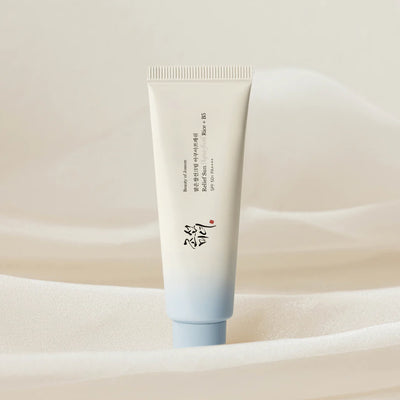
For a lightweight skincare feel, choose a hydrating sun serum that suits oily, dry, and sensitive routines.
Replace face sunscreen before outdoor events, beach trips, weddings, university days, and long commutes. Fresh formula gives more dependable coverage.
What Happens When Sunscreen Expires?
Expired sunscreen loses reliability because active ingredients and texture change over time. Fresh sunscreen gives better protection and comfort.
People ask does sunscreen expire because old sunscreen sometimes still smells normal. Normal smell alone cannot prove full protection.
Lower Sun Protection
Expired sunscreen can give lower SPF protection. Lower protection raises your chance of sunburn, tanning, pigmentation, and visible skin damage.
SPF 50 on an old bottle does not promise SPF 50 after expiry. The label promise applies during the tested shelf life.
Do not use expired sunscreen for 5 hours of cricket, hiking, swimming, fieldwork, or beach exposure.
Unstable Texture
Expired sunscreen can spread unevenly. Uneven coverage leaves uncovered patches on the nose, cheeks, forehead, neck, and ears.
Texture changes include watery layers, thick lumps, sticky film, oily separation, and gritty particles. These signs reduce user confidence.
Replace sunscreen when the product no longer spreads into a smooth layer within 20 seconds.
Higher Irritation Risk
Expired sunscreen can irritate sensitive skin. Breakdown products, fragrance changes, and contamination can trigger stinging or redness.
Patch test any new sunscreen on a 1-inch (2.5cm) area near the jawline. Wait 24 hours before full-face use.
Stop using sunscreen after burning, itching, swelling, or rash. Fresh sunscreen should protect skin, not create discomfort.
Does Sunscreen Expire Faster in Heat or Sunlight?
Yes, heat and sunlight can make sunscreen expire faster. Storage conditions affect sunscreen stability before the printed date.
The question does sunscreen expire often follows a common mistake: leaving SPF in a parked car, beach bag, bathroom, or balcony.
A hot car can heat a bottle for hours. High heat breaks down chemical filters faster and changes mineral sunscreen texture.
Direct sunlight also damages packaging and formula. Keep sunscreen under shade, inside a towel, or inside a cooler during outdoor use.
Bathroom storage creates heat and humidity swings. A bedroom drawer or skincare cupboard protects sunscreen better than a steamy shelf.
The concern does sunscreen expire becomes urgent when a bottle sat near heat for 1 summer season.
Pakistan's summer heat makes storage more serious. Keep sunscreen away from window light, roof heat, and car dashboards.
How to Store Sunscreen for Better Shelf Life
Store sunscreen in a cool, dry, shaded place with the cap tightly closed. Good storage protects formula quality.
To store sunscreen for better shelf life, place sunscreen in a drawer, cupboard, makeup pouch, or shaded travel bag.
Close the cap after every use. Open caps expose sunscreen to air, dust, water, and bacteria from hands.
Keep beach sunscreen inside a towel or cooler. Move the bottle back to shade after every application.
Do not store sunscreen near heat sources, such as car seats, kitchen counters, radiators, and sunny windows.
Clean the nozzle weekly with tissue. Product buildup around the opening can collect dust and affect clean application.
Store sprays upright, tubes flat, and jars tightly closed. These storage methods reduce leakage and air exposure.
Which Sunscreen Should You Replace First?
Replace the oldest, hottest, and most changed sunscreen first. Date, storage, and formula condition decide priority.
The keyword does sunscreen expire often reflects a buying decision. People want to know whether a sale bottle still makes sense.
Replace sunscreen with no purchase date first. Replace sunscreen stored in a car second. Replace sunscreen with changed texture third.
Replace sunscreen before travel when the trip includes beaches, mountains, theme parks, sports grounds, or outdoor weddings.
Use near-expiry sunscreen only when the printed date has not passed and the formula looks, smells, and spreads normally.
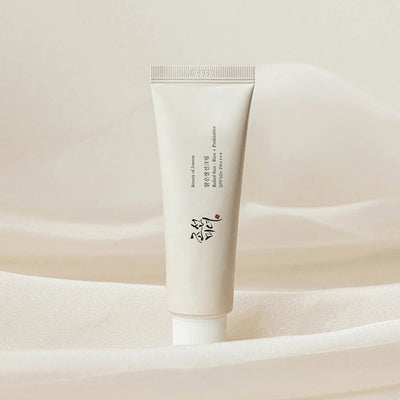
Choose a daily sunblock SPF for routine use when you want a fresh bottle for work, university, errands, and driving.
Avoid buying 6 bottles during a sale unless your family finishes sunscreen quickly. Fresh stock protects better than a crowded shelf.
How to Build a Fresh Daily SPF Routine
 Build a fresh SPF routine with cleanser, moisturizer, sunscreen, and reapplication. Fresh sunscreen supports daily skin protection.
To build a fresh daily SPF routine, choose a texture you enjoy, apply enough product, and reapply during long exposure.
For clearer, healthier skin, our complete guide to joop perfume covers how it works and how to fit it into your routine.
Choose the Right Texture
Choose gel, serum, cream, or lotion sunscreen based on skin type. Texture controls comfort and daily consistency.
Use gel sunscreen for oily skin, cream sunscreen for dry skin, serum sunscreen for lightweight hydration, and mineral sunscreen for sensitive skin.
A comfortable texture helps you apply sunscreen every morning. Daily use matters more than saving an old bottle.
Apply the Right Amount
Apply enough sunscreen to create even coverage. Adults need about 1 ounce (30ml) for exposed face and body areas.
For face and neck, use 2 finger lengths, about 3 inches (7.5cm) total product line. Spread sunscreen evenly over exposed skin.
Cover easy-missed areas, such as ears, hairline, eyelids, lips, neck, hands, and chest.
Reapply During Sun Exposure
Reapply sunscreen every 2 hours during outdoor exposure. Reapply faster after sweating, washing, swimming, or towel drying.
Carry a small bottle in a shaded pouch. Keep the bottle out of direct sunlight between applications.
Replace sunscreen when reapplication feels unpleasant because of odor, stickiness, or separation.
Quick Sunscreen Expiry Decision Table
Use this table before applying old sunscreen. The table turns label checks and texture checks into quick decisions.
|
Task |
Timing |
Method |
Difficulty |
|
Check printed date |
Before every use |
Read month and year near seam, cap, box, or barcode |
Easy |
|
Mark purchase date |
Same day you buy |
Write month and year on no-date bottles |
Easy |
|
Inspect formula |
Before face use |
Check smell, color, separation, clumps, and grit |
Easy |
|
Review storage |
After heat exposure |
Replace bottles left in cars, windows, or direct sun |
Medium |
|
Apply fresh SPF |
Every morning |
Use 2 finger lengths, about 3 inches (7.5cm), for face and neck |
Easy |
|
Reapply protection |
Every 2 hours outdoors |
Reapply after sweat, washing, swimming, or towel drying |
Medium |
FAQs About Sunscreen Expiry
Does sunscreen expire after opening?
Yes, sunscreen expires after opening. Follow the printed date and the PAO symbol, such as 6M, 12M, or 24M.
Can you use expired sunscreen once?
No, you should not rely on expired sunscreen. Fresh sunscreen gives safer protection against sunburn, tanning, and skin damage.
Does unopened sunscreen expire?
Yes, unopened sunscreen expires. A sealed bottle still ages and loses dependability after the printed date or 3 years without a date.
Does sunscreen expire faster in a car?
Yes, sunscreen expires faster in a hot car. Heat can damage active ingredients and change texture before the printed date.
How do you know sunscreen went bad?
Check smell, color, texture, separation, clumps, and grit. Throw sunscreen away after any clear formula change.
Final Answer: Does Sunscreen Expire?
Yes, sunscreen expires, and old sunscreen should not replace fresh SPF. The safest answer to does sunscreen expire is simple: follow the printed date, discard no-date bottles after 3 years, and replace any sunscreen with heat damage, smell change, color change, clumps, grit, or separation. Shop the fresh sunscreen range at Khayest for daily sun protection that fits your skin type, routine, and Pakistan weather.