
Does Moisturizer Help Acne Scars?
If you're wondering does moisturizer help acne scars, the answer is that a moisturizer can support the skin's healing process, but it cannot remove acne scars on its own. The right moisturizer helps strengthen the skin barrier, improves hydration, and may reduce the appearance of post-acne marks while keeping acne-prone skin healthy and balanced.
Understanding Acne Scars vs Acne Marks
Before answering whether moisturizer helps acne scars, it's important to understand the difference between acne scars and acne marks. Many people use these terms interchangeably, but they are not the same.
Acne marks, also known as post-inflammatory hyperpigmentation (PIH), are flat dark, red, or brown spots left behind after a pimple heals. These marks are caused by excess pigment and often fade gradually with time, especially when supported by a consistent skincare routine and daily sun protection.
Acne scars, however, involve changes in the skin's texture. They may appear as small indentations, raised areas, or uneven skin. These scars develop when deeper layers of the skin are damaged during severe acne or prolonged inflammation.
A moisturizer cannot rebuild damaged skin tissue or completely remove textured scars. However, it creates an ideal environment for healthy skin by improving hydration, supporting the skin barrier, and reducing dryness that may make scars appear more noticeable.
Understanding this difference helps you set realistic expectations and choose products that match your skincare goals.
| Task | Timing | Method | Difficulty |
|---|---|---|---|
| Cleanse Skin | Morning & Night | Gentle cleanser | Easy |
| Apply Moisturizer | After cleansing | Thin, even layer | Easy |
| Apply Sunscreen | Every Morning | SPF 30+ | Easy |
| Use Acne Treatment | As directed | Follow product instructions | Medium |
| Stay Consistent | Daily | Maintain routine | Easy |
Does Moisturizer Help Acne Scars?
 The simple answer is yes—but only in a supportive way.
A good moisturizer does not erase acne scars or replace professional scar treatments. Instead, it supports the skin's natural healing process by maintaining hydration and strengthening the skin barrier.
Healthy, well-moisturized skin often looks smoother and feels more comfortable. Dry skin can make acne scars appear rougher, more noticeable, and uneven. By preventing moisture loss, a moisturizer helps improve the overall appearance of your skin while allowing it to recover more effectively.
If your concern is post-acne marks, consistent hydration combined with ingredients such as Niacinamide may gradually improve skin tone and reduce the appearance of discolouration over time.
However, if you have deep rolling scars, boxcar scars, or ice-pick scars, a moisturizer alone will not remove them. These types of scars usually require targeted skincare treatments or professional procedures.
Rather than expecting instant results, think of moisturizer as an essential part of a complete skincare routine that supports healthier-looking skin.
How Moisturizer Supports Skin Healing
Your skin has a natural protective barrier that helps lock in moisture and defend against environmental damage. Acne, harsh cleansers, and strong acne treatments can weaken this barrier, leaving your skin feeling dry, irritated, and sensitive.
A moisturizer helps restore this protective barrier by replacing lost moisture and supporting the skin's recovery.
When your skin stays hydrated, it is generally better able to repair itself. This doesn't mean scars disappear overnight, but hydrated skin often feels softer, appears smoother, and is less prone to irritation.
Moisturizers are particularly helpful if you use ingredients such as Retinoids, Salicylic Acid, or Benzoyl Peroxide, as these treatments can sometimes cause dryness and peeling.
Keeping your skin moisturized may also reduce redness, tightness, and flaking, making your skincare routine more comfortable and easier to maintain consistently.
Best Ingredients in a Moisturizer for Acne-Prone Skin
Not every moisturizer is suitable for acne-prone skin. Choosing products with skin-supporting ingredients can help improve hydration without leaving your skin feeling heavy.
Niacinamide
Niacinamide is one of the most popular skincare ingredients for people with acne-prone skin. It helps strengthen the skin barrier, supports an even-looking complexion, reduces excess oil, and may gradually improve the appearance of post-acne marks with consistent use.
Ceramides
Ceramides are natural lipids found in the skin barrier. Moisturizers containing ceramides help restore damaged skin, improve moisture retention, and reduce dryness caused by acne treatments.
Hyaluronic Acid
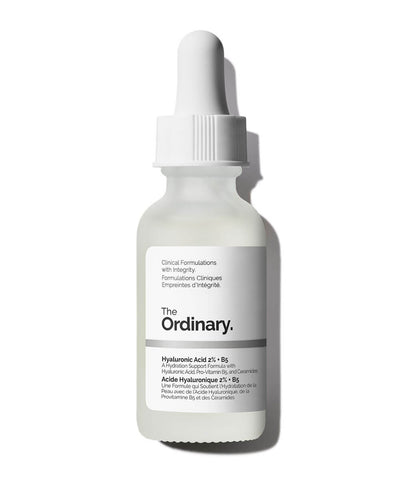
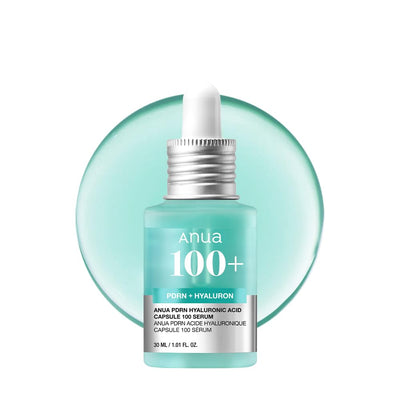
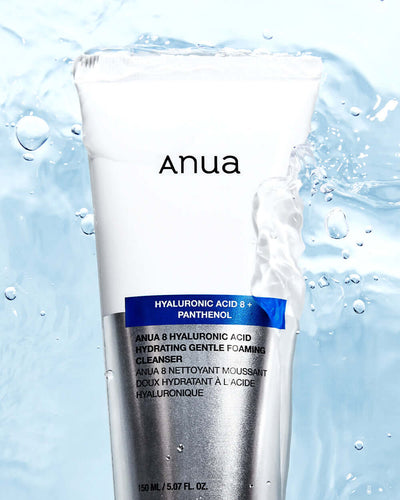
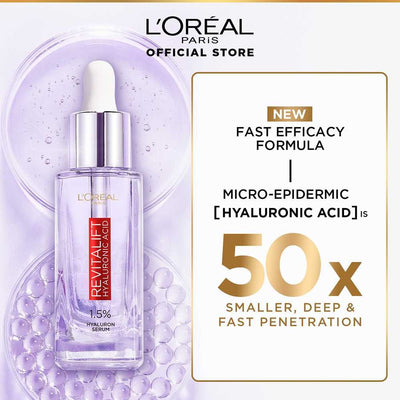
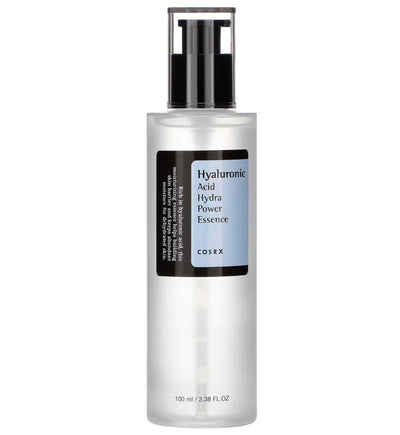
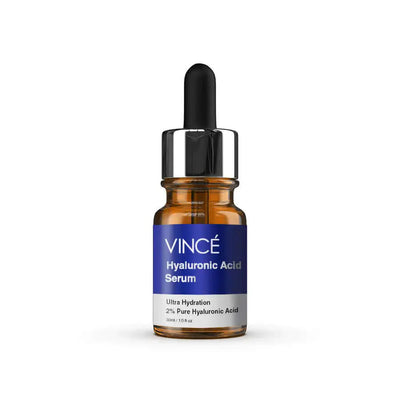
Hyaluronic Acid is known for attracting and retaining moisture within the skin. It provides lightweight hydration without feeling greasy, making it suitable for oily, combination, and acne-prone skin.
Panthenol
Panthenol, also known as Pro-Vitamin B5, helps soothe irritated skin while supporting the skin's natural recovery process. It is especially beneficial if your skin feels dry or sensitive after using acne treatments.
These ingredients work together to improve hydration, strengthen the skin barrier, and create healthier conditions for skin recovery without clogging pores when used in well-formulated, non-comedogenic products.
Should You Moisturize Active Acne?
One of the biggest skincare myths is that people with active acne should avoid moisturizer. In reality, the opposite is often true.
Active acne does not mean your skin should be left dry. Many acne treatments reduce oil production and remove dead skin cells, but they can also weaken the skin barrier if overused. Without proper hydration, your skin may become irritated, flaky, and uncomfortable.
Applying a lightweight, non-comedogenic moisturizer after cleansing or acne treatment helps restore moisture while supporting the skin's natural protective barrier.
Hydrated skin is often more comfortable and better able to tolerate acne-fighting ingredients, allowing you to maintain a consistent skincare routine without unnecessary dryness.
Can Moisturizer Cause Breakouts?
One of the most common concerns among people with acne-prone skin is whether moisturizer causes more pimples. Many people notice a breakout after trying a new product and immediately assume the moisturizer is to blame.
In reality, the problem is often choosing a formula that does not suit your skin type.
Heavy creams or products that feel overly greasy may not be comfortable for some people with oily or acne-prone skin. Instead, look for non-comedogenic moisturizers that are designed to hydrate the skin without feeling heavy. Non-comedogenic products are formulated to minimise the chance of clogging pores, although individual results can vary.
If a moisturizer causes irritation, redness, or new breakouts, stop using it and choose a lighter formula with skin-friendly ingredients such as Niacinamide, Ceramides, Hyaluronic Acid, or Panthenol.
Introducing only one new skincare product at a time also makes it easier to identify how your skin responds.
How Long Do Acne Marks Take to Fade?
Many people expect acne marks to disappear within a few days, but skin healing takes time.
The fading process depends on several factors, including your skin type, the severity of the acne, your daily skincare routine, and whether you protect your skin from the sun.
Post-inflammatory hyperpigmentation often fades gradually over several weeks or months. Consistently using a gentle skincare routine, keeping your skin moisturised, and wearing broad-spectrum sunscreen every day can help prevent dark marks from becoming more noticeable due to sun exposure.
Textured acne scars, however, are different. Because they involve changes in the deeper layers of the skin, they usually do not disappear with moisturiser alone and may require professional treatment if you wish to improve their appearance.
Patience and consistency are essential. Healthy skincare habits often produce better long-term results than frequently changing products.
Does Sunscreen Help Acne Scars?
While sunscreen does not remove acne scars, it plays an important role in protecting healing skin.
Ultraviolet rays can make post-acne marks appear darker and slow the skin's natural recovery process. Daily use of a broad-spectrum sunscreen helps reduce additional sun damage and supports a more even-looking complexion over time.
Using sunscreen is especially important if you are using ingredients such as Retinoids, Salicylic Acid, or Niacinamide, as these products may make your skin more sensitive to sunlight.
Think of sunscreen as part of your acne recovery routine rather than a treatment for scars. Combined with the right moisturiser and consistent skincare, it helps create the best conditions for healthier-looking skin.
Building the Right Skincare Routine for Acne-Prone Skin
A consistent skincare routine is one of the best ways to support healthy skin and improve the appearance of post-acne marks.
Start with a gentle cleanser that removes excess oil, dirt, and impurities without stripping your skin.
After cleansing, apply any acne treatment recommended for your skin, following the product instructions carefully. Ingredients such as Salicylic Acid, Benzoyl Peroxide, or Retinoids are commonly used to manage acne but can sometimes leave the skin feeling dry.
Next, apply a lightweight moisturiser containing ingredients such as Ceramides, Niacinamide, or Hyaluronic Acid to restore hydration and strengthen the skin barrier.
Finish your morning routine with a broad-spectrum sunscreen of at least SPF 30. Protecting your skin from UV exposure helps prevent acne marks from becoming darker and supports a more even-looking complexion.
Following the same routine every day is far more beneficial than constantly switching products in search of instant results.
Choosing the Right Moisturizer at Khayest
 Finding the right moisturiser can make a significant difference, especially if you have acne-prone skin. At Khayest, you'll find a carefully selected collection of authentic moisturisers, lightweight gel creams, hydrating lotions, soothing serums, and skincare essentials from trusted international brands.
Whether your skin is oily, dry, combination, or sensitive, Khayest offers products formulated to deliver hydration without feeling heavy. Many options include beneficial ingredients such as Niacinamide, Ceramides, Hyaluronic Acid, and Panthenol, helping to support the skin barrier while fitting easily into your daily skincare routine.
Choosing products that suit your skin type, together with consistency and daily sun protection, gives your skin the best opportunity to recover and maintain a healthier appearance.