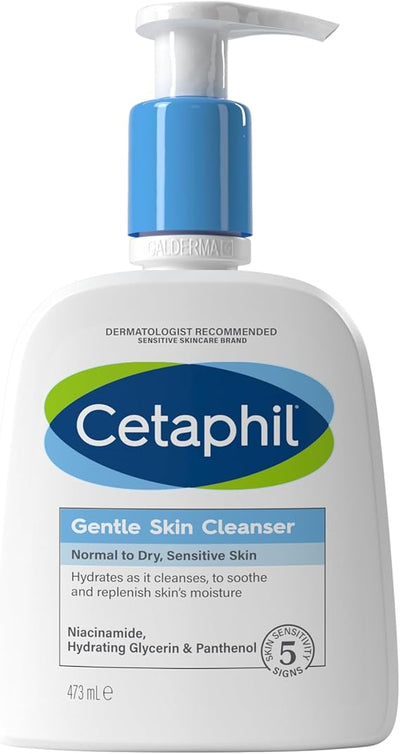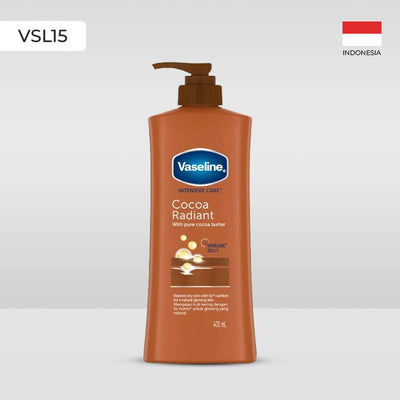

Does Moisturizer Darken Skin?
If you're wondering does moisturizer darken skin, the short answer is no. A moisturiser is designed to hydrate and protect your skin, not change its natural colour. However, some products may make your skin appear darker temporarily due to excess oil, residue, or layering with sunscreen and makeup. Understanding why this happens can help you choose the right skincare routine.
Why Do People Think Moisturizer Darkens Skin?
 Many people notice that their face looks one shade darker immediately after applying a moisturizer. This often leads them to believe that the product is changing their skin tone.
In reality, moisturizers are formulated to improve hydration and support the skin barrier. They do not usually contain ingredients that permanently darken the skin.
The temporary change in appearance is often caused by the way the product sits on the skin or how it reflects light. Factors such as oily skin, heavy creams, humidity, sunscreen, or makeup can also make the complexion appear darker for a short time.
This concern is especially common in Pakistan, where hot weather, humidity, and strong sunlight can make the skin look shinier throughout the day.
Understanding the difference between skin appearance and actual skin colour is the first step towards building a skincare routine that works for your skin.
Quick Reference Table
| Task | Timing | Method | Difficulty |
|---|---|---|---|
| Cleanse Face | Morning & Night | Use a gentle cleanser | Easy |
| Apply Moisturizer | After cleansing | Thin, even layer | Easy |
| Wear Sunscreen | Every morning | Broad-spectrum SPF 30+ | Easy |
| Reapply Sunscreen | Every 2 hours outdoors | Apply evenly | Easy |
| Follow Routine | Daily | Stay consistent | Easy |
Does Moisturizer Darken Skin?
The simple answer is no.
A moisturizer is designed to keep your skin hydrated by reducing moisture loss and supporting the skin barrier. It does not bleach, lighten, or darken your natural skin tone.
If your face appears darker after applying moisturizer, the effect is usually temporary and is often related to the product's finish rather than an actual change in skin colour.
For example, a rich moisturizer may leave a glossy layer on the skin. On oily skin, this shine can reflect light differently and create the impression that your complexion has become darker.
Similarly, moisturizers that do not absorb fully may leave a thin film on the skin, making it appear dull or greasy for a while.
Once the product settles into the skin, the appearance often improves.
Why Does My Face Look Darker After Applying Moisturizer?
This is one of the most common skincare questions, and there are several possible explanations.
A Heavy Moisturizer
Using a rich cream designed for very dry skin on oily or combination skin can leave a noticeable layer on the surface.
Instead of absorbing quickly, the product may sit on the skin and create a greasy appearance that looks darker under certain lighting.
If this happens regularly, consider switching to a gel moisturizer or a lightweight, oil-free moisturizer.
Excess Oil on the Skin
People with oily skin naturally produce more sebum.
When moisturizer is applied on top of excess oil, the combination can make the skin appear shinier and slightly darker, even though the actual skin tone has not changed.
This is why choosing a non-comedogenic moisturizer formulated for oily skin can make a noticeable difference.
Product Residue
Some moisturizers contain richer emollients that take longer to absorb.
Until the product settles, it may leave a visible layer that changes the way light reflects from your skin.
This temporary effect is often mistaken for skin darkening.
Dehydrated Skin
Surprisingly, dehydrated skin can sometimes appear dull even after moisturising.
When the skin barrier is compromised, your complexion may look uneven or tired. Consistently using a suitable moisturizer helps improve hydration over time, allowing your skin to appear healthier and more balanced.
Lighting Conditions
Indoor lighting, natural sunlight, and camera filters can all affect how your skin looks.
Many people notice their face appears darker in one mirror but perfectly normal in another. In these cases, the moisturizer is not changing your skin tone; the lighting is simply altering the way your complexion appears.
Can Moisturizer Change Your Natural Skin Colour?
This is another common misconception.
A standard moisturizer is not intended to change your natural skin colour. Its main purpose is to provide hydration, reduce water loss, and support the skin barrier.
Your natural skin tone is influenced by genetics and the amount of melanin your skin produces. A moisturiser does not normally alter these factors.
However, hydrated skin often looks smoother, healthier, and more radiant because moisture improves the skin's overall appearance.
Some people may feel that their skin looks brighter after using a moisturizer, while others feel it appears slightly darker immediately after application. In most cases, these changes are related to hydration, surface shine, or the product's finish rather than an actual change in skin colour.
Can the Wrong Moisturizer Make Your Skin Look Dull?
Yes, choosing the wrong moisturizer for your skin type can affect how your skin looks throughout the day.
For example, someone with oily skin may find that a heavy cream leaves their complexion looking greasy or dull. On the other hand, someone with very dry skin may find that a lightweight gel does not provide enough hydration, leaving their skin looking rough or flaky.
The key is selecting a moisturizer that matches your skin type.
If you have oily or combination skin, look for products labelled:
- Oil-free
- Non-comedogenic
- Lightweight
- Water-based
If you have dry or sensitive skin, a richer moisturizer containing barrier-supporting ingredients may provide better comfort and hydration.
Does Oily Skin Look Darker After Moisturising?
People with oily skin often ask this question because they notice an immediate change in their complexion after applying moisturizer.
The answer is that oily skin can sometimes appear darker, but this does not mean your skin has actually changed colour.
When excess sebum combines with a rich moisturizer, it creates additional shine across the face. Depending on the lighting, this shine may reflect unevenly and make the complexion appear duller or one shade deeper.
Choosing a lightweight moisturizer and applying only a thin layer usually helps create a fresher, more balanced finish.
Understanding your skin type is one of the most important steps in choosing the right moisturizer and avoiding the misconception that skincare products are changing your natural complexion.
Does Moisturizer Cause Tanning?
Another common concern is whether moisturiser can make your skin tan.
The answer is no. A moisturiser does not normally cause tanning. Tanning occurs when your skin produces more melanin in response to UV exposure from the sun.
However, people sometimes notice their skin looking darker after applying moisturiser and assume the product is responsible. In many cases, the real cause is spending time outdoors without adequate sun protection.
For this reason, applying a broad-spectrum sunscreen with SPF 30 or higher every morning is just as important as using a moisturiser. While the moisturiser keeps your skin hydrated, sunscreen helps protect it from the sun's harmful UV rays.
This combination is particularly important in Pakistan, where sunlight can be intense throughout much of the year.
Why Do Moisturizer and Sunscreen Sometimes Make Skin Look Darker?
Many people say their complexion looks darker after applying both moisturiser and sunscreen.
This temporary change in appearance can happen for several reasons.
A Rich or Dewy Finish
Some moisturisers and sunscreens leave a dewy finish that reflects light differently. On oily or combination skin, this extra shine may make the face appear slightly darker or greasier.
Layering Too Much Product
Applying thick layers of moisturiser followed by sunscreen can leave excess product sitting on the surface of the skin. This may create a heavier finish that looks dull rather than fresh.
Using thin, even layers usually gives a more natural appearance.
Makeup Oxidation
If you wear foundation after applying moisturiser and sunscreen, the makeup may oxidise during the day. Oxidation can make foundation appear one or two shades darker than when it was first applied.
This is a makeup issue rather than the moisturiser changing your skin colour.
Skin Type
People with oily skin naturally produce more sebum throughout the day. When oil mixes with moisturiser and sunscreen, the skin may develop extra shine that creates the illusion of a darker complexion.
Choosing lightweight products suitable for oily skin can help reduce this effect.
Can Moisturizer Cause Hyperpigmentation?
 Many people worry that a new moisturiser has caused dark patches or uneven skin tone.
In general, moisturisers are formulated to hydrate and support the skin barrier rather than cause hyperpigmentation.
However, if a product irritates your skin because it contains ingredients that do not suit your skin type, the irritation may contribute to post-inflammatory marks in some people after the skin heals.
This is why it is important to:
- Choose products suitable for your skin type.
- Introduce new skincare products one at a time.
- Stop using a product if it causes persistent burning, severe redness, or irritation.
If you notice ongoing skin changes, seek advice from a qualified dermatologist or healthcare professional.
Ingredients That Support Healthy-Looking Skin
Instead of worrying whether moisturiser changes your skin colour, focus on choosing products with ingredients that keep your skin hydrated and healthy-looking.
Niacinamide
Niacinamide is well known for supporting the skin barrier and helping improve the appearance of uneven skin tone. It is suitable for many skin types, including oily and combination skin.
Vitamin C
Vitamin C is a popular antioxidant used in many morning skincare routines. It helps protect the skin from environmental stressors while supporting a brighter-looking complexion.
Ceramides
Ceramides strengthen the skin barrier and reduce moisture loss. They are especially beneficial for dry and sensitive skin.
Hyaluronic Acid
Hyaluronic Acid attracts moisture to the skin, improving hydration without leaving a heavy or greasy feeling. It works well for almost every skin type.
Glycerin
Glycerin helps draw water into the outer layer of the skin, keeping it soft and comfortable throughout the day.
Panthenol
Also known as Pro-Vitamin B5, Panthenol helps soothe the skin and supports the natural skin barrier, making it a valuable ingredient for sensitive skin.
Common Mistakes That Make Skin Look Dull
Sometimes, everyday skincare habits make the complexion appear dull, even when the moisturiser is not the problem.
Using Too Much Moisturizer
Applying more product than your skin needs can leave excess residue on the surface, making the face appear greasy instead of hydrated.
A thin, even layer is usually enough.
Choosing the Wrong Formula
Using a rich cream on oily skin or a very light gel on extremely dry skin may leave your complexion looking unbalanced.
Matching your moisturiser to your skin type often produces better results.
Skipping Sunscreen
Without daily sunscreen, prolonged sun exposure can contribute to tanning and uneven skin tone over time.
A moisturiser cannot replace sun protection, so both products should be part of your morning routine.
Not Cleansing Properly
If dirt, excess oil, sunscreen, and makeup are not removed completely at the end of the day, they can build up on the skin and leave it looking dull.
Using a gentle cleanser every evening helps maintain a fresh, healthy-looking complexion.
Choosing the Right Moisturizer at Khayest
Selecting the right moisturiser starts with understanding your skin type and choosing authentic skincare products.
At Khayest, you'll find a carefully selected collection of moisturisers designed for different skincare needs, whether you have oily, dry, combination, or sensitive skin.
When choosing a moisturiser, look for products that are:
- Non-comedogenic
- Lightweight for oily skin
- Fragrance-free if you have sensitive skin
- Rich in Ceramides, Hyaluronic Acid, Glycerin, or Panthenol
- Suitable for daily use
You can also pair your moisturiser with a gentle cleanser, hydrating serum, and broad-spectrum SPF 30+ sunscreen available at Khayest to build a simple routine that keeps your skin hydrated, protected, and healthy-looking throughout the year.
Building an effective routine? Our guide to joop perfume explains the benefits, the right order to apply and who should use it.
FAQs
Does moisturizer darken skin permanently?
No. Moisturizer does not darken skin permanently. Its primary purpose is to hydrate the skin and strengthen the skin barrier. If your face appears darker after application, it is usually due to temporary factors such as excess oil, product residue, a dewy finish, or lighting rather than a permanent change in skin colour.
Why does my face look darker after applying moisturizer?
There are several possible reasons. A heavy moisturizer may leave a layer on the skin, oily skin can create extra shine, and layering moisturizer with sunscreen or makeup may change how light reflects from your face. These effects are temporary and do not mean your natural skin tone has changed.
Can moisturizer cause tanning?
No. Moisturizers do not cause tanning. Tanning occurs when your skin is exposed to UV rays from the sun. To help protect your skin, apply a broad-spectrum sunscreen with SPF 30 or higher every morning, even if you are already using a moisturizer.
Which moisturizer is best if my skin looks greasy or dull?
If your skin feels greasy after moisturizing, choose a lightweight, oil-free, non-comedogenic moisturizer. Ingredients like Hyaluronic Acid, Niacinamide, Ceramides, and Glycerin provide hydration without leaving a heavy finish, making them suitable for oily and combination skin.
Should I stop using a moisturizer if I think it makes my skin darker?
Not necessarily. First, check whether the product is too rich for your skin type or if the darker appearance is caused by excess oil, sunscreen, or makeup. If the moisturizer causes persistent irritation, redness, or discomfort, discontinue use and consult a dermatologist or healthcare professional.
Conclusion
If you've been asking does moisturizer darken skin, the good news is that the answer is generally no. Moisturizers are designed to hydrate your skin, support the skin barrier, and improve overall skin health—not change your natural skin colour. In most cases, a darker appearance after application is only temporary and may be caused by a heavy formula, excess oil, sunscreen layering, makeup oxidation, or lighting conditions.
Choosing a moisturizer that matches your skin type is the best way to achieve a healthy-looking complexion. Whether you have oily, dry, combination, or sensitive skin, look for products with nourishing ingredients such as Ceramides, Hyaluronic Acid, Niacinamide, Glycerin, and Panthenol. Pair your moisturizer with a gentle cleanser and a broad-spectrum SPF 30+ sunscreen to maintain hydrated, protected skin every day.
At Khayest, you can explore a wide range of authentic moisturizers, hydrating serums, gentle cleansers, and sunscreens from trusted skincare brands. Whether you're looking for a lightweight gel moisturizer for oily skin or a rich barrier-repair cream for dry skin, Khayest offers products to help you build a skincare routine that keeps your skin healthy, comfortable, and radiant.