
Can Petroleum Jelly Be Used as a Moisturizer?
Wondering can petroleum jelly be used as a moisturizer? The short answer is yes, but it is not a traditional moisturizer. Petroleum jelly helps lock moisture into the skin rather than adding hydration itself. Understanding how it works will help you decide whether it belongs in your daily skincare routine.
What Is Petroleum Jelly?
Petroleum jelly is a semi-solid skincare product widely used to protect the skin from moisture loss. It has been trusted for decades because it creates a protective barrier over the skin, helping it stay soft and reducing dryness. Unlike many modern moisturizers, petroleum jelly contains very few ingredients and is valued for its simple yet effective formula.
One reason petroleum jelly remains popular is its versatility. It is commonly used on dry hands, rough elbows, cracked heels, chapped lips, and other areas that need extra protection. Many people also include it in their facial skincare routine, especially during colder months or when their skin feels unusually dry.
Although petroleum jelly is often associated with moisturising, its role is slightly different from that of a standard face cream or lotion. This difference is the main reason so many people ask whether petroleum jelly can actually replace a moisturizer.
Understanding how petroleum jelly works makes it much easier to know when to use it and when your skin may benefit from a traditional moisturizer instead.
| Task | Timing | Method | Difficulty |
| Cleanse | Morning & Night | Gentle cleanser | Easy |
| Moisturizer | After cleansing | Apply evenly | Easy |
| Petroleum Jelly | After moisturizer (Night) | Thin layer | Easy |
| Dry Patches | As needed | Apply to affected areas | Easy |
| Slugging | Night | Use as final step | Medium |
| Sunscreen | Every morning | SPF 30+ | Easy |
Can Petroleum Jelly Be Used as a Moisturizer?
The answer is yes, but there is an important distinction.
Petroleum jelly helps prevent moisture from escaping the skin by forming a protective barrier. However, it does not provide hydration in the same way as a moisturizer containing ingredients such as hyaluronic acid, glycerin, or ceramides.
Think of petroleum jelly as a product that locks moisture in rather than one that adds moisture. If your skin is already hydrated, petroleum jelly helps keep that hydration from evaporating. If your skin is dehydrated, applying petroleum jelly alone may not provide the level of hydration your skin needs.
For this reason, many skincare routines recommend applying a moisturizer first and using petroleum jelly as the final step when extra protection is needed. This allows the moisturizer to hydrate the skin while petroleum jelly helps seal that moisture in.
If you have very dry skin, damaged skin, or areas prone to cracking, petroleum jelly can become a valuable addition to your skincare routine. However, it is generally best viewed as a complement to moisturizer rather than a complete replacement.
How Does Petroleum Jelly Work?

To understand can petroleum jelly be used as a moisturizer, it helps to know how the product actually works.
Your skin naturally loses water throughout the day through a process known as transepidermal water loss. Environmental factors such as cold weather, air conditioning, indoor heating, and frequent washing can increase this moisture loss, leaving your skin feeling dry and tight.
Petroleum jelly works by creating a protective layer on the surface of the skin. This barrier helps reduce moisture loss and supports the skin's natural protective function.
Unlike hydrating ingredients that draw water into the skin, petroleum jelly mainly helps retain the moisture that is already there. This is why many skincare experts recommend applying it after using products that contain hydrating ingredients.
Using petroleum jelly on slightly damp skin or after applying a moisturizer allows your skin to benefit from both hydration and long-lasting moisture retention.
Who Can Benefit from Petroleum Jelly?
Petroleum jelly is suitable for many people, but its benefits vary depending on skin type and individual skincare needs.
Dry Skin
People with dry skin often experience tightness, flaking, or rough patches because their skin struggles to retain moisture. Petroleum jelly can help reduce moisture loss and provide extra protection, especially during colder weather or in dry indoor environments.
Applying petroleum jelly after a hydrating moisturizer can leave dry skin feeling softer and more comfortable throughout the day or overnight.
Sensitive Skin
Sensitive skin often reacts to harsh weather, environmental changes, or heavily fragranced skincare products. Because petroleum jelly contains very few ingredients, many people with sensitive skin appreciate its simple formulation.
When used correctly, it can help support the skin barrier and reduce the feeling of dryness caused by external factors. However, anyone with highly reactive skin should still perform a patch test before introducing a new skincare product.
Oily Skin
People with oily skin often wonder whether petroleum jelly is too heavy for their face. While petroleum jelly does not add oil to the skin, its rich texture may feel uncomfortable for some individuals with naturally oily complexions.
Instead of applying it across the entire face, people with oily skin often prefer using petroleum jelly only on particularly dry areas, such as around the nose or lips, where extra moisture protection is needed.
Understanding your skin type is the key to deciding whether petroleum jelly should become part of your daily skincare routine.
How to Use Petroleum Jelly Correctly
Knowing can petroleum jelly be used as a moisturizer is only part of the answer. Using it correctly is just as important if you want to get the best results.
Begin by cleansing your skin to remove dirt, oil, sunscreen, and makeup. Clean skin allows your skincare products to work more effectively and reduces the chance of trapping impurities beneath the protective layer of petroleum jelly.
If your skin feels dry or dehydrated, apply a hydrating serum or moisturizer first. Ingredients such as hyaluronic acid, glycerin, or ceramides help add moisture to the skin. Once these products have absorbed, apply a thin layer of petroleum jelly over the top to help lock in that hydration.
Many people prefer using petroleum jelly at night because its rich texture has more time to work while you sleep. In the morning, your skin often feels softer, smoother, and more comfortable.
If you only have dry patches, there is no need to apply petroleum jelly to your entire face. Using it only where extra protection is needed can be a more comfortable option, especially for combination or oily skin.
Should You Apply Petroleum Jelly Before or After Moisturizer?

One of the most common skincare questions is whether petroleum jelly should be used before or after moisturizer.
In most cases, petroleum jelly should be the last step in your skincare routine.
Moisturizers contain ingredients that hydrate and soften the skin. Petroleum jelly then creates a protective layer that helps keep that moisture from escaping. Reversing the order may reduce how effectively your moisturizer absorbs into the skin.
Can Petroleum Jelly Cause Acne?
This is one of the biggest concerns people have before using petroleum jelly on their face.
Petroleum jelly is generally considered non-comedogenic, meaning it is unlikely to clog pores on its own. However, if it is applied over skin that has not been properly cleansed, it can trap oil, sweat, makeup, or dirt against the skin. For some people, this may contribute to breakouts or irritation.
This is why cleansing your face before applying petroleum jelly is essential.
People with acne-prone skin should also pay attention to how their skin responds. Some individuals find petroleum jelly helpful for protecting dry or irritated areas, while others may prefer using it only on targeted patches rather than the entire face.
Everyone's skin is different, so introducing new products gradually and observing your skin's response is always a sensible approach.
What Is Slugging?
If you have spent time on skincare social media, you have probably heard the term slugging. This technique has become increasingly popular, especially among people with very dry skin.
Slugging involves applying a thin layer of petroleum jelly as the final step in your nighttime skincare routine. The goal is to reduce moisture loss overnight so your skin feels more hydrated by morning.
Slugging does not replace moisturizer. Instead, it works by sealing in the hydration provided by your other skincare products.
Many people with dry or compromised skin enjoy slugging during colder months when moisture loss tends to increase. However, it may not suit everyone. Those with oily skin may find a full-face application too heavy and may prefer using petroleum jelly only on particularly dry areas.
The key to successful slugging is using only a small amount. A thin layer is usually enough to create the protective barrier without leaving the skin feeling excessively greasy.
Common Mistakes to Avoid
Although petroleum jelly is simple to use, a few common mistakes can reduce its effectiveness.
One mistake is applying petroleum jelly to dehydrated skin without using a moisturizer first. Since petroleum jelly mainly helps retain existing moisture, your skin benefits more when hydration is added before it is applied.
Another common mistake is using too much product. A thick layer may feel uncomfortable and unnecessary. A small amount is usually sufficient to create an effective protective barrier.
Some people also apply petroleum jelly without cleansing their skin first. Dirt, sunscreen, makeup, and excess oil should always be removed before applying any occlusive skincare product.
Using petroleum jelly on every part of the face may not be necessary either. People with oily or combination skin often achieve better results by applying it only to dry areas rather than the entire face.
Finally, remember that petroleum jelly should not replace sunscreen during the day. Moisture protection and sun protection serve different purposes, and both are important for maintaining healthy skin.
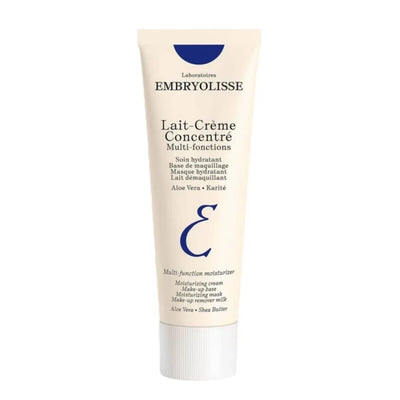
Best Moisturizers Available at Khayest
If you're wondering can petroleum jelly be used as a moisturizer, combining petroleum jelly with a high-quality moisturizer often provides the best results. At Khayest, you'll find a carefully selected collection of authentic moisturizers from trusted international skincare brands, suitable for every skin type.
For dry skin, moisturizers enriched with ceramides, hyaluronic acid, and glycerin help restore hydration before petroleum jelly locks that moisture into the skin. If you have oily or combination skin, lightweight gel and lotion moisturizers provide hydration without leaving a greasy finish.
People with sensitive skin can choose gentle moisturizers formulated with soothing ingredients that help support the skin barrier while minimising irritation. Pairing these moisturizers with petroleum jelly on particularly dry areas can provide additional comfort when needed.
Whether you're building a simple daily skincare routine or looking for products to support very dry skin, Khayest offers authentic skincare solutions that help keep your skin healthy, hydrated, and protected.
Building an effective routine? Our guide to guess perfume ladies explains the benefits, the right order to apply and who should use it.
FAQs
Can petroleum jelly be used as a moisturizer every day?
Yes, petroleum jelly can be used as a moisturizer in your daily skincare routine, but it works differently from a traditional moisturizer. It helps reduce moisture loss by creating a protective barrier over the skin. For the best results, apply it after a hydrating moisturizer, especially if you have dry or dehydrated skin.
Can I apply petroleum jelly directly to my face?
Yes, petroleum jelly can be applied to the face if your skin tolerates it well. It is often used to protect dry areas and support the skin's moisture barrier. However, it is best to apply it to clean skin and use only a thin layer. If you have acne-prone skin, introduce it gradually and monitor how your skin responds.
Does petroleum jelly clog pores?
Petroleum jelly is generally considered non-comedogenic, meaning it is unlikely to clog pores on its own. However, applying it over unclean skin may trap dirt, oil, or makeup, which could contribute to breakouts for some people. Cleansing your face thoroughly before use is always recommended.
Should I apply petroleum jelly before or after moisturizer?
Petroleum jelly should usually be applied after moisturizer. Your moisturizer provides hydration, while petroleum jelly helps seal that moisture into the skin by forming a protective barrier. This order allows both products to perform their intended roles more effectively.
Is petroleum jelly suitable for oily skin?
Yes, but it depends on how you use it. People with oily skin may find petroleum jelly too heavy for the entire face. Instead, it can be applied to particularly dry areas, such as around the lips or nose, while using a lightweight moisturizer on the rest of the face.
Building an effective routine? Our guide to guess perfume ladies explains the benefits, the right order to apply and who should use it.
Conclusion
So, can petroleum jelly be used as a moisturizer? The answer is yes, but it should not be confused with a traditional moisturizer. Petroleum jelly helps protect the skin by reducing moisture loss, while moisturizers actively hydrate and nourish the skin. Used together, they can be an excellent combination for maintaining soft, healthy-looking skin.
If you have dry skin, damaged skin, or areas that need extra care, petroleum jelly can be a valuable addition to your skincare routine. For oily or combination skin, applying it only where needed may provide better comfort without feeling too heavy.
For the best skincare results, pair petroleum jelly with a high-quality moisturizer suited to your skin type. At Khayest, you can explore a wide range of authentic moisturizers and skincare products from trusted international brands, making it easier to build a routine that keeps your skin hydrated, protected, and healthy every day.