
Which Primer Is Good for Acne Prone Skin?
Wondering which primer is good for acne prone skin? A lightweight primer that suits your skin type and does not irritate your skin is usually the best choice. Oily, sensitive and combination acne-prone skin may need different formulas. The right primer can also help makeup sit more smoothly over pores, spots and uneven texture.
Which Primer Is Good for Acne Prone Skin?
The best primer for acne prone skin is one that prepares your face for makeup without making your skin feel heavy, greasy or uncomfortable.
However, there is no single primer that can be guaranteed to work for everyone who experiences breakouts. Acne-prone skin varies from person to person. A formula that feels comfortable on one person may not suit another.
This is why choosing primer according to your skin type is more useful than searching for one universal “acne-safe” product.
If your skin is oily and breakout-prone, you may prefer a lightweight mattifying primer. If you have sensitive acne-prone skin, a simple formula that you already know your skin tolerates may be more suitable. If pores and uneven texture are your main concerns, a smoothing or blurring primer can create a more even-looking makeup base.
The aim is not to treat acne with primer. Instead, primer should help your makeup sit comfortably and look smoother.
Is Primer Good or Bad for Acne?
 Primer itself is not automatically good or bad for acne-prone skin. It is a cosmetic product designed to prepare the skin before foundation and other makeup. Depending on the formula, it may smooth the appearance of pores, reduce shine, add hydration or help foundation stay in place.
However, a primer that works well for one person may not suit someone else. If you notice repeated irritation, discomfort or new breakouts after introducing a particular primer, stop using it and simplify your routine so you can better assess what may be causing the reaction.
It is also important not to assume that every new spot is caused by primer. Skincare products, foundation, concealer, makeup tools, hormonal changes and other factors can also influence breakouts.
For acne-prone skin, choose a formula based on your skin type and makeup needs rather than assuming every primer will work the same way. A lightweight formula may feel more comfortable, while oily skin may benefit from a mattifying finish and visible pores may benefit from a smoothing or blurring formula.
Remember that primer is a makeup product, not an acne treatment. Its main purpose is to create a more comfortable and even-looking base for makeup.
Is There Really an Acne-Safe Primer?
There is no single primer that can guarantee zero breakouts for every person with acne-prone skin. The term “acne-safe” is commonly used to describe products marketed toward people concerned about breakouts, but individual skin can respond differently to the same formula.
Instead of relying on the phrase alone, consider your skin type, the primer's texture and finish, and how your skin has responded to similar products in the past.
If you have sensitive or breakout-prone skin, introduce a new primer gradually rather than changing several makeup or skincare products at once. This makes it easier to identify whether a particular product suits you.
The goal is to find a primer that helps your makeup look smoother and feel comfortable without triggering concerns for your individual skin.
Is Non-Comedogenic Primer Better for Acne-Prone Skin?
A non-comedogenic primer may be worth considering if clogged pores are one of your main concerns. The term generally indicates that a product has been formulated with pore-clogging concerns in mind.
However, non-comedogenic does not mean that a product is guaranteed to work perfectly for everyone with acne-prone skin. Individual reactions can still vary.
When comparing primers, look beyond the label and consider the complete formula, your skin type and the finish you want. If you are prone to oiliness, for example, you may prefer a lightweight mattifying formula. If visible pores are your main concern, a smoothing primer may be more appropriate.
If a particular product repeatedly causes irritation or seems to coincide with new breakouts, discontinue it and reassess your routine.
Best Primer for Oily Acne-Prone Skin
Oily and acne-prone skin can be difficult to balance because you may want to control shine without making active or healing blemishes look dry and textured.
A lightweight mattifying primer can be useful, particularly around areas where oil appears quickly, such as the forehead, nose and chin. However, applying a thick layer across the entire face is not always necessary.
For oily skin where visible pores are also a concern, the Maybelline Fit Me Matte + Poreless Face Primer available at Khayest is designed for normal to oily skin and focuses on creating a matte, smoother-looking makeup base.
Apply mattifying primer mainly to areas that become oily rather than automatically covering your entire face. This targeted approach can help balance shine control with a more natural-looking finish.
If you have dry or healing blemishes, be careful with strong mattifying formulas in those areas. Too much product may emphasize flakes or uneven texture underneath foundation.
The best choice is ultimately the formula that provides the finish you want while remaining comfortable on your individual skin.
Best Primer for Sensitive Acne-Prone Skin
Sensitive, acne-prone skin requires more caution.
If your skin frequently reacts to new cosmetics, avoid introducing several new products at once.
Start with a small amount of primer and pay attention to redness, itching, burning or unusual breakouts.
A formula being popular does not mean your skin will automatically tolerate it.
Likewise, a product that causes problems for someone else may work perfectly well for you.
When sensitivity is a concern, your personal experience with ingredients is valuable. If you already know that a certain ingredient or fragrance irritates your skin, check the ingredient list before purchasing.
Best Primer for Combination Acne-Prone Skin
Combination skin often means the centre of your face becomes oily while other areas feel normal or dry.
This is where targeted primer application becomes useful.
Apply a mattifying formula to oily areas such as the T-zone while using less product on the cheeks.
You do not necessarily need one thick layer across the entire face.
If your cheeks are dry or have healing spots, preparing them with suitable skincare may be more helpful than adding strong mattifying primer.
The goal is to treat different areas according to how they behave.
Which Primer Is Good for Acne and Large Pores?
If visible pores and uneven texture are your main concerns, a pore-blurring primer can temporarily create a smoother-looking surface before foundation.
The SHEGLAM Pore No More Makeup Primer available at Khayest is designed to blur the appearance of pores and texture while creating a smoother makeup base.
Use a small amount on areas where pores are most noticeable, such as around the nose and inner cheeks. Gently press or spread the product over the skin rather than repeatedly rubbing it in.
Remember that pore-blurring primer does not physically shrink or close pores and does not treat acne. Its effect is temporary and cosmetic, helping makeup appear smoother.
Can Primer Clog Pores?
This is one of the biggest concerns for people searching for primer for acne prone skin.
Cosmetic products interact differently with different skin types. Therefore, it is difficult to label every primer as either pore-clogging or completely safe for everyone.
Your complete routine also matters.
For example, wearing primer, foundation, concealer and powder for many hours and then not removing them properly can leave makeup, oil and debris on the skin.
Instead of being afraid of primer itself, focus on choosing a suitable formula and thoroughly removing your makeup at the end of the day.
Is Non-Comedogenic Primer Better for Acne-Prone Skin?
Non-comedogenic is a useful label to notice when shopping for products for breakout-prone skin.
It generally indicates that the product has been formulated with clogged pores in mind.
However, it is not a guarantee that a product will never cause a breakout.
Skin responses remain individual.
If you choose a non-comedogenic primer, still introduce it carefully and monitor how your skin responds.
This is more reliable than assuming one label means the product must work for everyone.
Is Silicone-Based Primer Good for Acne-Prone Skin?
Silicone is commonly found in smoothing and pore-blurring makeup primers.
Silicone-containing formulas often have a silky texture that can help create a smoother-looking surface over pores and uneven skin.
Having acne prone skin does not automatically mean you must avoid every silicone-based primer.
What matters is how the complete product performs on your skin.
If you have used silicone-containing cosmetics comfortably before, there is no reason to assume the ingredient will automatically cause acne.
On the other hand, if a particular formula repeatedly seems to cause problems, stop using it and try something else.
Water-Based vs Silicone-Based Primer for Acne-Prone Skin
Neither category is universally better.
Water-rich gel primers often feel lightweight and may be appealing to people who dislike heavy makeup. Silicone-containing formulas are often chosen for smoothing pores and texture.
Choose based on your skin and makeup goals.
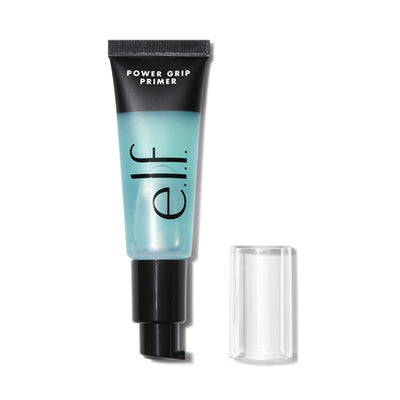
If hydration and makeup grip are your priorities, a gel-style primer may appeal to you. The e.l.f. Power Grip Primer + 4% Niacinamide available at Khayest offers a gripping gel texture and is designed to prepare the skin while helping makeup adhere.
However, even when a primer contains popular skincare ingredients, it should still be treated as a makeup product rather than an acne treatment.
Is Gripping Primer Good for Acne-Prone Skin?
Gripping primers are designed to help makeup adhere to the skin.
They usually have a slightly tacky texture and can be helpful if foundation tends to fade during the day.
However, gripping does not automatically mean acne-safe, oil controlling or pore blurring.
Think about what you want from your primer.
If longevity is your biggest concern, a gripping formula may suit you. If excess oil is the main issue, a mattifying primer may be more useful.
How to Tell If Your Primer Is Breaking You Out
If you notice new or unusual breakouts after introducing a primer, the product may be worth reassessing. However, a single breakout does not necessarily mean that the primer is responsible.
Pay attention to timing and consistency. If irritation, discomfort or new spots repeatedly appear after using the same primer, temporarily stop using it and keep the rest of your routine as consistent as possible. This can make it easier to identify whether the new product may be contributing to the problem.
Also consider where the breakouts appear. If they repeatedly occur in areas where you apply a particular product, this may provide a useful clue.
Avoid changing several skincare or makeup products at the same time because doing so can make it difficult to identify the potential trigger. Introduce new cosmetics one at a time whenever possible, especially if your skin is sensitive or prone to breakouts.
If your skin improves after stopping the primer, you can decide whether to avoid that formula and try a different option. Persistent, painful or severe acne should be discussed with a qualified dermatologist rather than managed solely by changing makeup products.
Can Primer Hide Acne and Texture?
Primer can help improve how makeup looks over uneven skin, but it cannot completely hide raised acne.
A smoothing primer may soften the appearance of pores and minor texture. It can also give foundation a more even-looking surface.
However, applying thick layers of primer over raised spots usually does not make them disappear.
In fact, too much product may make texture more noticeable.
A better approach is to create a smooth base and use concealer strategically where additional coverage is needed.
How to Apply Primer Over Acne Without Looking Cakey
When applying makeup over acne, thin layers usually look better than heavy ones.
Start with clean, prepared skin. Apply your regular moisturiser and daytime sunscreen before makeup.
Once those products have settled, apply a small amount of primer.
Do not aggressively rub active spots. Instead, gently spread or press the primer over the skin.
Allow it to settle and then apply foundation in thin layers.
Add concealer only where you need extra coverage.
Using less product can often make textured skin look more natural than trying to completely cover every spot with thick layers.
Should You Apply Primer Directly Over Active Acne?
You can apply makeup around acne, but active, irritated or broken skin should be treated carefully.
If a blemish is sore, open or highly irritated, piling several cosmetic layers over it may feel uncomfortable.
Avoid rubbing or repeatedly touching active spots during application.
If a particular area is very irritated, consider keeping makeup minimal there until the skin settles.
Primer should improve your makeup experience, not make your skin feel painful or uncomfortable.
Why Does Foundation Look Cakey Over Acne?
Cakiness often happens when too many layers build up over uneven skin.
Heavy moisturiser, primer, foundation, concealer and powder can accumulate around raised or dry spots.
Instead of adding more primer, try using less.
Prepare the skin properly and apply a thin base. Use concealer only where necessary.
Powder should also be used carefully. Applying a thick layer over dry, healing acne may make flakes and texture more visible.
Do You Need Primer If You Have Acne?
No. Primer is optional.
If your moisturiser and sunscreen already create a good surface for foundation, you may not need another layer.
Primer becomes useful when it solves a specific makeup concern.
For example, you may use mattifying primer because your T-zone becomes oily, a smoothing primer because pores are visible or a gripping primer because your foundation fades quickly.
If primer does not improve your makeup, you do not need to force it into your routine.
How to Patch-Test a New Primer
 Patch testing can be useful if your skin is particularly sensitive or you are nervous about trying a new cosmetic product.
Apply a small amount to a limited area rather than immediately using it across your entire face.
Monitor the area for signs of irritation.
Remember that a small patch test cannot perfectly predict whether a product will cause acne over time, but it may help reveal immediate sensitivity or irritation.
If your skin reacts, discontinue the product.
How to Remove Primer Properly From Acne-Prone Skin
Removing makeup at the end of the day is especially important for breakout-prone skin.
Primer is usually worn underneath several other products, including foundation, concealer and powder.
Use an appropriate makeup remover or cleansing method to remove your makeup thoroughly, followed by your normal cleanser if needed.
Be gentle rather than aggressively scrubbing your face.
Also clean makeup brushes, sponges and other tools regularly. Dirty tools can collect makeup, oil and debris, so good makeup hygiene should be part of your routine.
Frequently Asked Questions
Which primer is good for oily acne prone skin?
A lightweight mattifying primer may work well for oily acne-prone skin because it can reduce visible shine and create a more balanced makeup base. Apply it mainly to oily areas and monitor how your skin responds.
Can primer cause pimples?
Any cosmetic formula may not suit every person's skin. If you notice repeated breakouts after introducing a primer, stop using it temporarily and assess your routine rather than assuming all primers cause pimples.
Is silicone primer bad for acne-prone skin?
Not automatically. Silicone ingredients are commonly used in smoothing primers. What matters more is the complete formula and how your individual skin responds to it.
Should acne-prone skin use primer every day?
You do not have to use primer every day. Use it when it improves your makeup base or helps with a specific concern such as oil, pores or foundation wear.
What type of primer is best for acne and large pores?
A lightweight pore-blurring primer can temporarily smooth the appearance of large pores. If your skin is also oily, look for a formula that offers a balanced or mattifying finish without making dry blemishes look more textured.
Conclusion
So, which primer is good for acne prone skin? The answer depends on your skin type, sensitivity and what you want your primer to do.
Oily acne-prone skin may benefit from a lightweight mattifying primer, while combination skin often responds better to targeted application. If visible pores are your concern, consider a pore-blurring formula. If foundation fades quickly, a gripping primer may be useful.
Most importantly, remember that there is no universal acne-safe primer that can guarantee zero breakouts for everyone. Introduce new products carefully, use thin layers and pay attention to your own skin.
Primer should make your makeup routine easier. It should not be expected to treat acne or completely hide raised texture.
Good makeup hygiene matters too. Remove your primer and makeup properly at the end of the day, clean your brushes and sponges regularly and avoid using more product than necessary.
If you are ready to find a makeup base that suits your needs, explore the collection of primers available at Khayest. Compare formulas based on your skin type, desired finish and makeup concerns to find a primer that helps create a smoother, more comfortable base for your everyday makeup.