
Which Primer Is Best for Oily Skin?
Wondering which primer is best for oily skin? A mattifying, oil-control or pore-blurring primer is usually the best place to start. The right formula can reduce visible shine, create a smoother base and help foundation wear more evenly. However, your pores, foundation, skincare and level of oiliness also matter when choosing the right primer.
Which Primer Is Best for Oily Skin?

The best primer for oily skin is usually a lightweight formula that controls excess shine without making the skin feel uncomfortable or overly dry. Look for words such as mattifying, oil control, pore minimising, soft matte or shine control when comparing primers.
However, there is no single primer that is automatically best for everyone with oily skin.
If oil is your main problem, choose a mattifying formula. If large pores and texture bother you more, a pore-blurring primer may be more useful. If your foundation tends to disappear during the day, you may prefer a gripping or long-wear primer.
For people who deal with both oiliness and visible pores, the Maybelline Fit Me Matte + Poreless Face Primer at Khayest is designed specifically for normal to oily skin and combines a matte finish with pore-minimising properties.
The key is choosing your primer according to the problem you actually want it to solve.
Why Does Oily Skin Need the Right Makeup Primer?
Oily skin produces more sebum, which can make makeup look shiny as the day goes on. Foundation may also begin to move, fade or separate in areas that become particularly oily.
The forehead, nose and chin, commonly called the T-zone, are often the first places where shine becomes noticeable.
A suitable primer for oily skin creates an extra layer between your skincare and foundation. Depending on the formula, it may help absorb excess oil, create a smoother-looking surface or give foundation something to grip.
However, primer is not a treatment for oily skin. It is a makeup product that can help manage how oil affects the appearance and wear of your makeup.
What Type of Primer Is Best for Oily Skin?
There are several types of primers marketed towards oily and combination skin. Understanding the difference can prevent you from buying a product that does not address your main concern.
Mattifying Primer
A mattifying primer is usually the first option to consider if excess shine is your biggest problem.
It is designed to create a more matte-looking surface before foundation and may help reduce how quickly oil becomes visible.
You can use it across the face if you are very oily or apply it only to the T-zone if certain areas become shiny.
Pore-Blurring Primer
A pore-blurring or smoothing primer focuses mainly on the appearance of enlarged pores and uneven texture.
These formulas create a smoother-looking surface so foundation does not emphasise pores as much.
They are especially useful around the nose and inner cheeks, where pores can appear more noticeable.
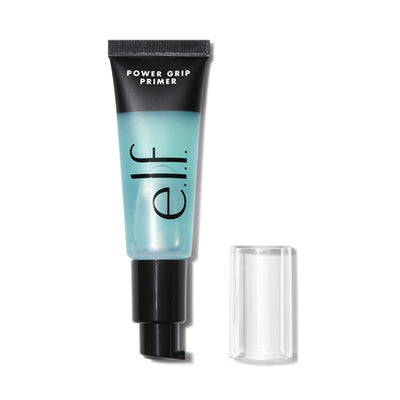
Gripping Primer
A gripping primer has a slightly tacky texture that is designed to help makeup adhere to the skin.
This can be useful if your foundation tends to fade during long days. However, gripping and mattifying are not the same thing.
A gripping primer may improve makeup adherence without necessarily providing strong oil control.
Silicone-Based Primer
Silicones are commonly used in smoothing primers because they can create a silky surface and temporarily blur the appearance of pores and fine texture.
They can work well for oily skin, particularly when visible pores are also a concern.
However, the way your primer works with your foundation is more important than simply choosing a product because it contains or does not contain silicone.
Best Primer for Very Oily Skin
If your face becomes shiny shortly after applying makeup, you may need stronger oil control than someone with mildly oily skin.
Look for a dedicated mattifying primer for oily skin rather than a very dewy or illuminating formula.
You also do not necessarily need to cover your entire face with a thick layer. Focus on the areas where oil breaks through first.
For very oily skin, preparation is just as important as the primer itself. Use lightweight skincare, allow sunscreen to settle and avoid stacking several heavy products underneath your foundation.
Too many layers can make makeup feel heavy and may contribute to movement or separation.
Best Primer for Oily Skin and Large Pores
Having oily skin and visible pores creates two different makeup concerns.
Oil control focuses on reducing visible shine, while pore blurring focuses on making texture appear smoother. Some primers address both concerns, while others are much better at one than the other.
If large pores are your main concern, especially around the nose and cheeks, look for a pore-minimising primer with a matte or soft-focus finish.
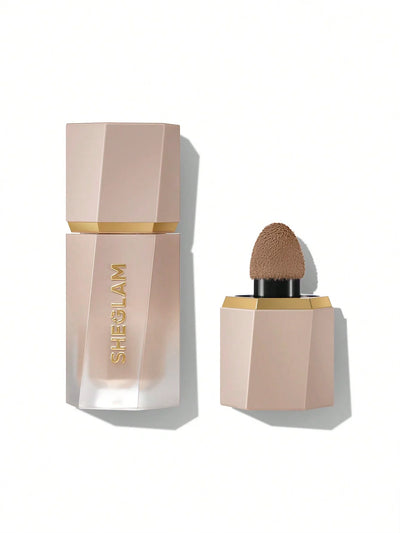
The SHEGLAM Pore No More Makeup Primer at Khayest is one option aimed at oily and combination skin. Its formula is designed to blur the appearance of pores and uneven texture while providing shine control.
Remember that primers cannot permanently shrink pores. They simply make them appear less noticeable while the product is on your skin.
Mattifying vs Blurring Primer for Oily Skin
This is an important difference when deciding which primer is best for oily skin.
Choose mattifying primer if your main complaint is that your face becomes shiny quickly.
Choose blurring primer if visible pores and texture are your biggest concerns.
If you experience both, look for a primer that combines mattifying and pore-blurring properties. You can also use different primers strategically, although beginners may find one multi-purpose formula easier.
For example, you could use stronger oil control on the centre of your forehead and nose while using a smoothing formula around visible pores.
The goal is not to apply as much primer as possible. It is to use the right product in the right area.
How to Choose a Primer for Oily Skin
Start by identifying what happens to your makeup during the day.
Does your forehead become shiny within a few hours? Does foundation disappear around your nose? Are enlarged pores your main concern? Does your foundation separate rather than simply becoming shiny?
Your answers will tell you what type of primer you need.
For strong shine, prioritise mattifying formulas. For visible pores, look for blurring or smoothing claims. If longevity is the main problem, consider a long-wear or gripping formula.
Texture also matters. Many people with oily skin prefer lightweight gels, silky formulas and thin creams because they do not feel excessively heavy under foundation.
Should Oily Skin Use Moisturiser Before Primer?
Yes, having oily skin does not automatically mean you should skip moisturiser.
Oil and hydration are different things. Your skin can feel oily while still benefiting from hydration.
Choose a lightweight moisturiser that works well with your skin. Apply a sensible amount and allow it to settle before moving to sunscreen and primer.
Using a very rich moisturiser immediately before several makeup layers may feel heavy on oily skin. However, completely skipping hydration can leave the skin feeling uncomfortable.
The aim is balance.
How to Apply Primer on Oily Skin
Correct application can make as much difference as the product you choose.
Start with clean skin and complete your normal skincare routine. During the day, apply sunscreen and let it settle before moving on to makeup.
Take a small amount of oil-control primer and apply it mainly where you become oily.
Rather than aggressively rubbing it into your face, spread or gently press it over the skin.
Give the primer a little time to settle before foundation. Then apply foundation in thin layers.
Adding large amounts of primer and foundation may actually make your makeup look heavier and more textured.
Should You Apply Primer All Over Oily Skin?
Not always.
Even people with oily skin can have areas that behave differently. Your nose and forehead may become very shiny while the outer parts of your face remain comfortable.
In that case, applying mattifying primer everywhere may be unnecessary.
Try applying it to your T-zone and any other areas where foundation tends to break down.
Targeted application also allows you to use a different finish elsewhere if needed.
How Much Primer Should Oily Skin Use?
A thin layer is usually enough.
Applying more primer does not automatically provide more oil control. In fact, too much product underneath foundation can make your base feel heavy and increase the chance of pilling.
Start with a small amount and spread it across the areas that need it.
If you are using a pore-filling primer, press a very small amount over visible pores instead of rubbing thick layers across the area.
How Long Should Primer Sit Before Foundation?
Avoid putting foundation on immediately after a thick layer of primer.
Give your primer a short amount of time to settle according to its directions. Different formulas behave differently, so there is no universal waiting time for every product.
The surface should feel ready for makeup rather than very wet.
This is particularly useful with gripping primers, which may need a short settling period to develop their tacky finish.
Why Does My Face Still Get Oily After Primer?
Primer cannot stop your skin from producing oil completely.
Even a strong mattifying primer may eventually show some shine after several hours, particularly in hot or humid weather.
Your skincare may also affect the result. Very rich creams or multiple heavy layers underneath makeup can make the finished base feel greasier.
Foundation choice matters too. Pairing an oil-control primer with a very dewy foundation may not give you the matte finish you expect.
Instead of expecting primer to do everything, think of your base as a complete system: skincare, sunscreen, primer, foundation, powder and application technique all contribute to the final result.
Why Does Foundation Separate on Oily Skin?
Foundation separation is one of the most frustrating problems for people with oily skin.
You may notice foundation breaking apart around your nose, chin or forehead after several hours.
Excess oil can contribute, but it is not the only possible reason.
Applying too much skincare, primer or foundation can create heavy layers. Not allowing products to settle can also affect how they sit together.
Sometimes a particular primer and foundation simply do not layer well in your routine.
If your foundation keeps separating, simplify your base. Use less skincare, apply a thin primer layer and build foundation gradually.
You can also test your foundation without primer for a day. If it performs better, your primer may not be the right match for that foundation.
How to Stop Makeup Separating Around the Nose and Chin
The nose and chin are difficult areas because they can produce oil while also having visible texture.
Begin with thin layers.
Apply a small amount of primer and gently press it into the skin. Avoid continuously rubbing the nose because this can disturb products underneath.
Use less foundation in these areas as well. Building a thick layer around the nose can make separation much more noticeable later.
Finally, use powder strategically rather than covering the whole face with a heavy layer.
Which Primer Is Best for Oily Skin in Hot Weather?
Hot weather can make shine and makeup movement more noticeable, particularly for people who already have oily skin.
A lightweight mattifying primer is a practical choice because it can help create a shine-controlled base without adding unnecessary heaviness.
Long-wear formulas can also be useful when you expect to be outside for several hours.
For stronger targeted shine control, the ONE/SIZE Oil Sucker Extreme Mattifying Alkaline Primer at Khayest is specifically positioned as a mattifying option for oily and combination skin and is intended for targeted application on oily areas such as the T-zone, nose, forehead and chin.
No primer can completely prevent sweating or natural oil production, however. Your goal should be more manageable shine and better-looking makeup rather than expecting your face to remain perfectly matte in every condition.
How to Make Makeup Last Longer on Oily Skin
Primer works best when the rest of your makeup routine supports it.
Begin with lightweight skincare and give each layer time to settle. Use a primer for oily skin where needed and apply foundation in thin layers.
After foundation and concealer, lightly set areas that become oily with powder.
You can carry blotting papers during long days. Blotting excess oil is often better than repeatedly applying thick layers of powder, which can eventually make makeup look cakey.
Setting spray may also help depending on the formula and finish you choose.
Is Setting Powder Still Necessary With Mattifying Primer?
It depends on your skin and desired finish.
If you become very oily, a light layer of setting powder can provide additional shine control even when you use mattifying primer.
However, you do not need to apply a thick layer everywhere.
Concentrate powder around the forehead, nose, chin and any areas where foundation tends to move.
If your outer cheeks remain comfortable, use less powder there for a more natural finish.
Can Primer Make Oily Skin Look More Textured?
Yes, particularly if you use too much.
Thick layers of mattifying primer can sometimes make dry patches, pores or uneven texture more obvious once foundation is applied.
This is why oil control should not mean drying your skin as much as possible.
Use thin layers and make sure your skin is properly prepared.
If a strongly mattifying primer consistently makes your foundation look rough, consider a smoother soft-matte formula instead.
Is Silicone-Based Primer Good for Oily Skin?
 Silicone-containing primers can work well for oily skin, particularly when pores and uneven texture are concerns.
They often create a smooth, silky surface that can make foundation application easier.
However, silicone itself is not the deciding factor.
What matters is the overall formula, how it feels on your skin and how it layers with your foundation.
If a silicone-rich primer works well with your foundation and gives you the finish you want, there is no need to avoid it simply because it contains silicones.
Is Gripping Primer Good for Oily Skin?
A gripping primer can be useful when your main problem is foundation fading or moving.
However, remember that gripping primer and mattifying primer have different goals.
Some gripping formulas are hydrating and leave a fresh finish rather than a very matte one.
If you are extremely oily, you may prefer a dedicated mattifying primer. If your oiliness is moderate but makeup longevity is your biggest concern, a gripping primer may work well.
Affordable vs High-End Primer for Oily Skin
Price alone does not determine whether a primer will work for your skin.
Affordable makeup brands offer mattifying, pore-blurring and long-wear primers, while premium brands offer similar categories with different textures and formulas.
Instead of assuming that the most expensive product will control oil better, focus on its purpose.
A primer that matches your skin concern and works well with your foundation is more useful than an expensive product that does not suit your routine.
How to Tell If Your Oily-Skin Primer Is Working
The easiest way is to compare your makeup with and without it.
On a normal day, apply primer to one side of your face and leave the other side without primer. Use the same foundation, powder and application method on both sides.
Check your makeup after several hours.
Look at shine, pores, foundation separation and overall wear.
If the primer side looks smoother and stays more balanced for longer, the product is providing a useful benefit. If there is little difference or the primed side looks worse, you may not need that particular formula.
Frequently Asked Questions
Which type of primer is best for very oily skin?
A mattifying or dedicated oil-control primer is generally the best starting point for very oily skin. Apply it mainly to areas where shine appears quickly, such as the forehead, nose and chin.
Which primer is best for oily skin and large pores?
Look for a primer that combines a matte or shine-control finish with pore-blurring properties. This can help manage visible oil while making enlarged pores appear smoother under foundation.
Why does my foundation separate even after using primer?
Excess oil can contribute, but using too much skincare, primer or foundation can also cause problems. Try thinner layers, allow products to settle and test whether your primer works well with your foundation.
Should oily skin use moisturiser before primer?
Yes. Oily skin can still benefit from hydration. Choose a lightweight moisturiser, allow it to settle and then apply your primer where needed.
Can I use mattifying primer every day?
You can use a primer regularly if it suits your skin and does not cause irritation or discomfort. However, primer is optional, so there is no need to wear it on days when you are not using makeup or do not need its effect.
Conclusion
So, which primer is best for oily skin? For most people, the answer is a lightweight mattifying, oil-control or pore-blurring primer chosen according to their main concern.
If excess shine is the problem, prioritise mattifying formulas. If your skin is oily with large pores, choose a primer that combines shine control with a smoothing or blurring effect. If foundation fading is your biggest concern, a gripping or long-wear primer may be more suitable.
Remember that primer is only one part of your makeup base. Lightweight skincare, sunscreen, foundation choice, powder and application technique all affect how your makeup performs on oily skin.
Use a small amount of primer rather than creating a thick layer, and pay particular attention to your T-zone. Most importantly, choose a product based on how your skin actually behaves instead of assuming every oily skin type needs the same formula.
Ready to find your ideal primer for oily skin? Explore the range of mattifying, pore-blurring and long-wear makeup primers at Khayest and choose a formula that helps keep your makeup looking smoother, fresher and more balanced throughout the day.