
What Is Primer in Makeup?
If you are wondering what is primer in makeup, it is a product applied after skincare and before foundation to prepare your skin for makeup. Depending on the formula, primer can smooth the look of texture, add hydration, control shine or help makeup sit more evenly. Here is how primer works and whether you actually need it.
What Is Primer in Makeup?

A makeup primer is a base product used before foundation, concealer and other complexion makeup. Think of it as the step between your skincare routine and your makeup.
Primer does not normally provide the same coverage as foundation. Instead, it prepares the surface of your skin so the makeup applied afterwards can sit more smoothly.
However, not every primer does the same thing. Some formulas focus on hydration, while others create a more matte finish. You can also find smoothing, illuminating and colour-correcting primers.
This is why choosing a primer based on your skin rather than simply buying the most popular one can make a difference.
What Does Makeup Primer Do?
The exact purpose of face primer depends on its formula. In general, primer creates a base between your skincare and makeup.
For example, someone with dry skin may use a hydrating primer to make the skin feel more comfortable before foundation. Someone with oily skin may prefer a mattifying formula around the forehead, nose and chin.
A smoothing primer may temporarily soften the appearance of visible pores and uneven texture. An illuminating formula can add a subtle glow underneath foundation.
Primer can therefore help with:
- Creating a smoother-looking makeup base
- Helping foundation apply more evenly
- Managing the appearance of shine or dryness
- Making visible pores appear softer
- Supporting longer and more even makeup wear
However, primer cannot permanently shrink pores, change your skin type or repair skin concerns. It is primarily a makeup-preparation product.
Do You Really Need Primer Before Makeup?
One of the biggest questions beginners have after learning what is primer in makeup is whether they actually need it.
The simple answer is no. Primer is not compulsory.
Some people find that moisturiser and sunscreen create a good enough base for their foundation. Others notice that primer improves how their makeup looks or wears.
Your decision should depend on your skin, foundation and the finish you want.
If your makeup already looks smooth and lasts well, you may not need another layer. On the other hand, primer can be useful if you regularly struggle with dryness, excess shine, visible texture or foundation that does not sit evenly.
Different Types of Makeup Primer
There is no single makeup primer designed for every skin type. Modern primers are available in several textures and finishes, so understanding the main types can make choosing one easier.
Hydrating Primer
A hydrating primer is designed to add a comfortable, moisturised feel before makeup.
It can be useful for dry or dehydrated-looking skin, especially when foundation tends to cling to flaky areas.
Hydrating primers often have a lightweight cream, lotion or serum-like texture. They usually aim to create a fresh or natural finish rather than a very matte one.
Mattifying Primer
Mattifying primers are designed for people who want to reduce the appearance of excess shine.
They are commonly used around the T-zone, including the forehead, nose and chin.
If only certain areas of your face become oily, you do not necessarily need mattifying primer everywhere. Apply it mainly where you need shine control.
Pore-Filling or Smoothing Primer
A smoothing primer can help make visible pores and uneven texture appear softer under makeup.
These products often create a silky surface that allows foundation to glide more easily across the skin.
However, they do not physically close or permanently reduce pores. The effect is cosmetic and temporary.
Illuminating Primer
Illuminating primers are made for people who prefer a radiant finish.
They can add a subtle glow underneath foundation or be applied to selected areas of the face.
If your foundation looks too flat or matte, an illuminating base may help create a fresher appearance.
Colour-Correcting Primer
Colour-correcting primers use colour theory to reduce the appearance of certain tones before foundation.
For example, green-toned products are often used to visually balance redness, while peach or orange tones may help with the appearance of some darker areas depending on skin tone.
You usually need only a small amount in the areas where correction is required.
How to Choose Primer for Your Skin Type
Understanding your skin is just as important as understanding what primer does.
A primer that works beautifully for one person may not work for another because their skin and foundation are different.
Primer for Dry Skin
Dry skin generally benefits from a comfortable, hydrating base.
Look for primers described as hydrating, moisturising, dewy or radiant. Avoid choosing an extremely mattifying formula simply because you want your foundation to last longer.
Before primer, apply moisturiser and allow it to settle. Primer should complement your skincare rather than replace it.
Primer for Oily Skin
If your skin becomes shiny quickly, look for lightweight, smoothing or mattifying formulas.
Focus the product on areas that become oily instead of applying a thick layer over the whole face.
You should still moisturise before makeup. Oily skin can also become dehydrated, so skipping moisturiser is not always the best way to control shine.
Primer for Combination Skin
Combination skin often needs a more targeted approach.
You might use a mattifying primer on your T-zone and a more hydrating formula on dry areas. Alternatively, choose a balanced primer with a natural finish and apply only a thin layer.
This approach can work better than trying to force one finish across every part of your face.
Primer for Sensitive Skin
If your skin is sensitive, keep your routine simple.
Look carefully at the ingredient list and avoid formulas containing ingredients you already know irritate your skin. Patch testing a new product can also be helpful.
If a primer causes burning, persistent itching or noticeable irritation, stop using it.
How to Apply Makeup Primer Correctly
Knowing how to use makeup primer is important because applying too much can sometimes create the opposite of the smooth finish you want.
Start by cleansing your face and completing your usual skincare routine. Apply moisturiser and sunscreen as needed and allow them to settle.
Next, take a small amount of primer. You usually do not need a thick layer.
Gently spread it over the areas where you need it most. Avoid aggressively rubbing the product into your skin.
Give the primer a short amount of time to settle before applying foundation.
Then apply your foundation in thin layers and blend as usual.
How Much Primer Should You Use?
More primer does not mean better makeup.
A small amount is normally enough for the face. If you are using a targeted pore-filling or mattifying primer, you may need even less because it is only being applied to selected areas.
Using too much can cause your makeup to feel heavy. In some routines, excessive layering can also contribute to pilling or foundation moving around.
Start small and add more only if necessary.
Do You Apply Primer Before or After Moisturiser?
Primer generally goes after moisturiser.
Your basic order can be:
- Cleanser
- Skincare
- Moisturiser
- Sunscreen
- Primer
- Foundation
Your moisturiser is part of skincare, while primer is part of makeup preparation.
Allowing each layer to settle can also help reduce pilling.
If your moisturiser is very rich, you may find that you need less primer afterwards.
Does Sunscreen Go Before or After Primer?
 During the daytime, sunscreen should generally be the final step of your skincare routine. Primer comes afterwards as the first stage of makeup preparation.
Apply your sunscreen properly and give it time to form an even layer before adding primer.
Do not mix primer into sunscreen to save time because this can interfere with even sunscreen application.
Once sunscreen has settled, gently apply primer without excessive rubbing.
Primer vs Moisturiser: What Is the Difference?
Beginners often wonder whether moisturiser and primer do the same thing because both can make skin feel smoother.
They have different primary purposes.
Moisturiser is a skincare product designed to support hydration and the skin barrier. Primer is mainly a makeup product designed to prepare the surface for products such as foundation.
A hydrating primer may feel moisturising, but that does not automatically make it a replacement for moisturiser.
Similarly, a good moisturiser may create such a comfortable base that you decide you do not need primer.
Primer vs Foundation: What Is the Difference?
Primer prepares the skin. Foundation provides coverage and helps even out the appearance of the complexion.
Primer is generally applied first and may be transparent, slightly tinted or colour correcting. Foundation contains pigment and is available in shades designed to match different complexions.
You can use foundation without primer. You can also wear primer without foundation.
When used together, the normal order is primer first and foundation second.
Can You Wear Primer Without Foundation?
Yes. You do not have to apply foundation over primer.
A smoothing primer can be worn alone if you want the skin to appear slightly more even in texture. A mattifying formula may help reduce visible shine, while an illuminating primer can give the complexion a subtle glow.
This can be useful on minimal-makeup days when you do not want full foundation.
Just remember that primer usually provides little or no coverage unless it is specifically tinted.
Silicone-Based vs Water-Based Primer
Another common question is whether you need to match your primer to your foundation.
Primers can contain different combinations of silicones, water, oils, humectants and other cosmetic ingredients. This means the simple online rule of categorising every product as purely “water-based” or “silicone-based” can sometimes be misleading.
Still, the way your products layer together matters.
If your foundation consistently separates, pills or looks uneven over a particular primer, try testing the foundation without that primer. You can then see whether the combination itself is contributing to the problem.
For people who prefer the smoothing feel associated with silicone-rich primers, Maybelline Primer at Khayest can be considered when creating a smoother-looking makeup base.
Does Primer Make Foundation Last Longer?
Some primers are formulated to help makeup grip the skin and maintain a more even appearance during wear.
However, primer alone cannot guarantee all-day foundation.
Your skin type, weather, skincare, foundation formula, application technique and setting products can all affect wear.
If longevity is your main concern, use thin layers and choose products suited to your skin rather than relying on a large amount of primer.
Can Primer Help With Visible Pores?
A smoothing or pore-blurring primer can temporarily reduce the appearance of pores underneath makeup.
It works by creating a more even-looking surface rather than physically shrinking the pores.
Use a small amount and gently press it over areas where pores are more noticeable.
Applying a thick layer can sometimes make foundation harder to blend, so less is usually better.
Can Primer Stop Foundation From Looking Cakey?
Primer can help in some cases, but cakey foundation is not always caused by a lack of primer.
Too much foundation, excessive powder, dry skin or heavy skincare can all contribute.
If your foundation looks cakey, first check how much product you are applying. Use thin layers and build coverage only where needed.
For dry skin, proper moisturising may make a bigger difference than adding another makeup layer.
Why Does Foundation Separate After Primer?
You apply moisturiser, sunscreen and primer carefully, but your foundation still starts separating. Why?
There can be several reasons.
You may be applying too many layers, using too much primer or not allowing products to settle. Your foundation may also simply not work well with the products underneath it.
Try simplifying your routine.
Apply less primer and allow your skincare to settle before moving on. Then apply foundation in thin layers rather than rubbing a large amount across the skin.
If separation continues, test your foundation without primer. This can help you work out whether the primer is actually improving your makeup.
Why Does Makeup Pill After Applying Primer?
Pilling happens when products roll into small flakes or balls on the skin instead of forming a smooth layer.
It can happen when you apply too much product, rub the skin repeatedly or layer several formulas too quickly.
Allowing skincare to settle can help. So can using smaller amounts of moisturiser and primer.
Rather than aggressively rubbing primer over your face, spread or gently press it into the skin.
Can Primer Help Makeup Look More Natural?
It can, particularly when the primer addresses a specific issue that affects your foundation.
For example, hydrating primer may help foundation sit more comfortably on dry-looking areas. A smoothing primer can soften the appearance of texture, while a mattifying primer can reduce excess shine.
However, the most natural-looking makeup usually comes from using less product overall.
A good primer cannot make a thick layer of foundation look completely weightless. Apply both products in controlled amounts.
Should Beginners Use Makeup Primer?
If you are completely new to makeup, you do not need to buy every type of primer immediately.
First, learn how your foundation behaves over your normal skincare.
If it already looks good, primer may be optional. If you notice a specific problem, such as excess shine, dry-looking patches or visible texture, choose a primer designed for that concern.
This makes your routine simpler and prevents you from buying products you may not actually need.
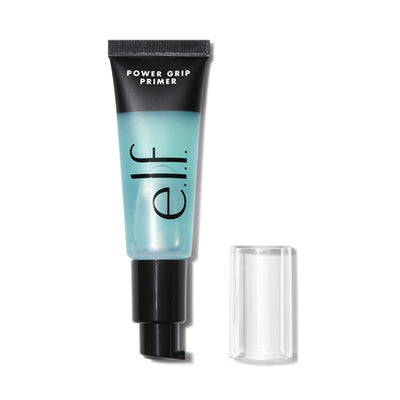
For a gripping-style option, the e.l.f. Power Grip Primer at Khayest is designed to create a tacky makeup base and can suit people looking for stronger makeup grip.
How to Know If Your Primer Is Working
You do not need a dramatic transformation to know whether a primer works for you.
Pay attention to how foundation applies and wears.
Does it blend more easily? Does your skin look smoother? Does your T-zone stay less shiny? Does your foundation remain more even after several hours?
You can even test primer on one side of your face and leave the other side without it. Apply the same foundation to both sides and compare the result during the day.
This simple test can tell you more than assuming every makeup routine requires primer.
Frequently Asked Questions
What is the main purpose of primer in makeup?
Primer prepares your skin before foundation. Depending on the formula, it may hydrate, reduce visible shine, smooth the appearance of texture or help makeup apply and wear more evenly.
Do I need primer if I use moisturiser?
Not necessarily. Moisturiser and primer have different purposes, but some people find that their moisturiser already creates a good makeup base. Use primer if it provides an additional benefit you actually need.
Do you put primer on before foundation?
Yes. Complete your skincare first, then apply primer before foundation. Give the primer a little time to settle before moving on to your complexion makeup.
Can I use primer every day?
A primer that suits your skin can generally be included in your regular makeup routine. However, you do not have to use it every day. If it causes irritation or makes your makeup look worse, stop using it and reassess the formula.
Can I wear primer without makeup?
Yes. Primer can be worn without foundation. Smoothing primer may soften the appearance of texture, mattifying primer can reduce visible shine, and illuminating primer can add a subtle glow.
Conclusion
So, what is primer in makeup? Primer is a makeup-preparation product used after skincare and before foundation. Its purpose depends on the formula. It may help hydrate dry-looking skin, control visible shine, smooth the appearance of pores and texture, or help foundation sit more evenly.
However, primer is not compulsory. If your moisturiser and sunscreen already create a smooth base and your foundation wears well, you may not need another layer. The best approach is to identify what you want your primer to do before choosing one.
If you decide to add primer to your routine, use a small amount, allow your skincare to settle first and choose a formula suited to your skin rather than following trends alone.
Ready to improve your makeup base? Explore Khayest for primers and other makeup essentials that can help you create a smoother, more comfortable and polished finish.