
Why Does My Setting Powder Look Cakey?
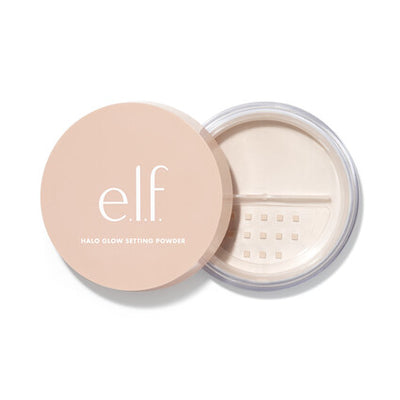
Setting powder usually looks cakey because too much powder sits over dry texture, a tacky base, or heavy makeup layers. Why does my setting powder look cakey also depends on your tool, skin type, powder formula, and placement. Use less powder, let wet layers settle, and set only areas that actually crease or become oily.
A smooth base does not require a thick powder layer. Foundation, concealer, powder, and setting spray should work as thin controlled layers. The goal is longer wear without turning natural skin texture into a dry, dusty surface.
Why Does My Setting Powder Look Cakey Right After Application?
Immediate cakiness usually comes from excess powder, a wet base, or a tool that deposits too much product. Why does my setting powder look cakey right away has a technique-first answer.
Too Much Powder Sits on the Base
Powder adds visible texture when too much product collects on foundation. One heavy application can emphasize pores, peach fuzz, fine lines, and dry patches.
Start with the smallest amount that removes unwanted tackiness. Add more only to the nose, forehead, chin, or crease-prone areas.
Powder Hits Foundation Before the Base Settles
Let foundation and concealer settle before adding powder. A very wet or emollient base can grab powder unevenly and create small clumps.
Wait until the base feels slightly set rather than freshly wet. Do not leave concealer creased while waiting.
The Tool Deposits Too Much Product
A dense puff can place more powder than a loose fluffy brush. A damp sponge can also press a heavy amount into the base.
Choose the tool by the amount of hold you need. Use a fluffy brush when you want the thinnest layer.
Why Does My Setting Powder Look Cakey Even With Skin Prep?
Good skincare does not prevent cakiness when skin stays dehydrated or the makeup layers remain too heavy. Why does my setting powder look cakey after moisturizer requires checking the complete base.
Dry or Dehydrated Skin Still Shows Texture
Moisturizer can soften dry skin without fully removing flakes or dehydration. Powder then catches on uneven areas and makes texture more visible.
Use gentle skincare before makeup and avoid aggressive same-day exfoliation. Strong exfoliation can leave the surface more reactive.
Heavy Skincare Leaves a Slippery Layer
Too much moisturizer, sunscreen, or facial oil can leave a wet film under foundation. Powder can then collect unevenly over moving base products.
Use enough skincare for comfort, then let each layer settle. Blot obvious excess before foundation when the surface still feels greasy.
Very Matte Layers Stack Too Much Dryness
A mattifying primer, matte foundation, matte concealer, and heavy powder can create unnecessary dryness together. The final layer exposes every dry patch.
Choose one or two oil-control steps rather than making every product strongly matte. Balance matters more than maximum dryness.
How to Apply Setting Powder Without a Cakey Finish

To apply setting powder without a cakey finish, remove excess base product and target only necessary zones. Use a small powder amount. Why does my setting powder look cakey becomes easier to fix after reducing every layer.
Remove Excess Product Before Powder
Press a clean damp sponge over foundation and concealer before setting. The sponge can lift excess base without removing all coverage.
Focus on the sides of the nose, smile lines, under-eyes, and chin. These zones often collect too much liquid makeup.
Use a Fluffy Brush for the Lightest Layer
Dip a soft fluffy brush lightly into powder. Tap the brush against the container to remove visible excess.
Press or lightly sweep powder across the T-zone. Keep the cheeks more natural when the cheeks stay dry.
Use a Puff Only Where You Need Stronger Hold
Load a puff with a small amount, then work powder into the puff before touching your face. Press gently onto oily areas.
Do not coat the entire face automatically. A puff suits the nose, forehead, chin, and event makeup that needs stronger hold.
How Much Setting Powder Should You Use?
To use the right setting powder amount, start with a nearly invisible layer rather than a visible coating. Why does my setting powder look cakey often comes down to quantity.
A loose brush should look lightly dusted, not loaded. A puff should hold product inside the fibers instead of showing a thick white layer.
Use less powder under the eyes than on an oily nose. Use little or no powder on dry cheeks when foundation already stays in place.
Add powder only after checking the first layer in natural light. Indoor lighting can hide excess texture.
Which Powder Technique Fits Dry, Oily, or Combination Skin?
Your skin type should decide powder placement and amount. Why does my setting powder look cakey can have a different answer on dry and oily skin.
Dry Skin
Use finely milled powder only where makeup creases or transfers. Avoid baking dry cheeks and under-eyes.
Choose a light brush application and finish with a comfortable setting spray. Skip powder completely on areas that already look matte.
Oily Skin
Use powder mainly on the forehead, nose, chin, and other high-oil zones. Press a small amount into those areas for stronger hold.
Blot oil before midday touch-ups. Adding fresh powder directly over oil can create paste-like buildup.
Combination Skin
Treat the face in zones. Powder the T-zone more firmly and leave dry cheeks with a lighter finish.
Why does my setting powder look cakey on combination skin often starts with whole-face powdering. One technique does not suit every facial zone.
Why Does Setting Powder Look Cakey Under the Eyes?
The under-eye area shows cakiness quickly because fine lines, dryness, concealer, and powder collect in a small space. Why does my setting powder look cakey under the eyes often starts before powder.
Use Less Concealer
Apply concealer only where darkness needs correction. Thick triangles create more product that can crease and mix with powder.
Blend the concealer thinly toward the outer eye. Keep heavy coverage away from strong expression lines.
Smooth Creases Before Powder
Look upward and tap visible concealer creases flat with a fingertip or small sponge. Powder immediately after smoothing.
Setting a crease locks the crease in place. Smooth first, then set.
Powder Only the Crease-Prone Area
Use a small fluffy brush for precise control. Place powder only where concealer usually moves.
Avoid heavy baking when your under-eyes feel dry. Fine lines are normal, and too much powder can make every line sharper.
Does Baking Make Setting Powder Look Cakey?
Yes, baking can look cakey when the skin is dry or the powder layer is too thick. Why does my setting powder look cakey after baking usually reflects excess product.
Baking places a visible powder layer over concealer or foundation for several minutes. The method can help oily or event makeup hold longer.
Daily makeup rarely needs heavy baking across the whole face. Try a short press-and-set method when you want longevity without visible powder buildup.
Use baking only on areas that tolerate it well. Skip dry cheeks, flaky zones, and very dry under-eyes.
Is Loose or Pressed Powder Better for Cakey-Prone Skin?
Neither format automatically prevents cakiness; application amount matters more. Why does my setting powder look cakey can happen with loose or pressed formulas.
Loose powder works well for controlled setting when you remove excess from the tool. Pressed powder gives easier control for light touch-ups.
A loose formula can become heavy with a dense puff. A pressed formula can also look heavy after repeated midday layers.
Khayest lists Maybelline setting powder as a loose option for matte setting and longer wear. Test a light layer before trying baking.
Khayest also carries Coty Airspun powder, a classic loose face powder with a light-coverage setting format.
Can the Setting Powder Formula Itself Cause Cakiness?
Yes. Some powders feel drier, heavier, brighter, or more matte than others on the same skin. Why does my setting powder look cakey can reflect formula mismatch as well as technique.
Finely milled powder usually creates a lighter visual layer than coarse or heavily pigmented powder. Strong oil-control formulas can also feel too dry on normal or dry skin.
Compare one powder at a time over the same foundation. Why does my setting powder look cakey becomes easier to diagnose when you keep the base routine unchanged.
Test the powder on one cheek and leave the other cheek unpowdered. Check both sides after 4–6 hours for texture, shine, creasing, and dryness.
Why Does Powder Make Pores and Texture Look Bigger?
Powder makes texture look larger when particles collect on dry edges, pores, peach fuzz, or heavy foundation. Why does my setting powder look cakey often overlaps with visible texture.
No powder erases real pores or fine lines completely. Why does my setting powder look cakey often starts with visible buildup. Finely milled formulas can soften appearance, but application still controls the final result.
Use less foundation before powder. Heavy liquid coverage creates a thicker surface that powder can emphasize.
Press product with the direction of facial hair rather than rubbing against peach fuzz. Aggressive buffing can lift the base and create patchiness.
How to Fix Cakey Setting Powder Without Starting Over

To fix cakey setting powder without starting over, remove excess surface product before adding moisture or more makeup. Why does my setting powder look cakey can often be repaired.
Blot Before Adding Anything
Press a clean tissue or blotting paper gently onto oily or powder-heavy areas. Do not rub the base.
Blotting removes surface oil and loose product. The step creates space for a cleaner correction.
Press With a Damp Sponge
Use a clean damp sponge and press lightly over cakey areas. The sponge can lift excess powder and reconnect the surface with the base.
Avoid dragging the sponge. Dragging can remove foundation in patches.
Use Setting Spray Lightly
Hold setting spray about 8 inches (20 cm) from the face. Mist lightly, then let the spray dry without rubbing.
A comfortable mist can reduce the dry powdery appearance. Do not soak the face because excess liquid can disturb foundation.
Why Does Powder Look White, Grey, or Flashy in Photos?
White or grey powder can come from shade mismatch, excess translucent powder, or camera flashback. Why does my setting powder look cakey is different from flashback, but both can happen together.
Choose a powder shade that suits your complexion when translucent formulas look ashy. Deep skin tones often need tinted translucent options.
Use a thin layer before photography. Heavy bright powder can become more visible under direct flash.
Test makeup with your phone flash before an event. Check the under-eyes, nose, forehead, and jawline for visible white cast.
Why Can Setting Powder Look Cakey After Several Hours?
Oil movement, dehydration, facial movement, and repeated touch-ups can make powder more visible later. Why does my setting powder look cakey after several hours needs a wear-time check.
Oil Can Mix With Powder Buildup
T-zone oil can combine with foundation and powder during the day. The mixture can gather around the nose, chin, and expression lines.
Blot the area before touching up. Why does my setting powder look cakey often gets worse when fresh powder lands directly over surface oil.
Dehydration Can Appear Later
Air-conditioning, wind, heat, and low humidity can make makeup look drier after several hours. Powder then becomes more obvious on cheeks and under-eyes.
Use less powder in areas that dry during wear. A balanced base should survive both morning application and afternoon texture changes.
Repeated Touch-Ups Can Build Visible Layers
Every touch-up adds another physical layer. Four small powder touch-ups can create more texture than one controlled morning application.
Use blotting sheets for the first correction. Why does my setting powder look cakey can improve when you remove oil instead of covering oil.
How Can You Prevent Cakey Setting Powder Quickly?
Use the table to identify the likely cause before changing products.
|
Task |
Timing |
Method |
Difficulty |
|---|---|---|---|
|
Reduce excess base |
Before powder |
Press with a clean damp sponge |
Easy |
|
Set dry skin |
After foundation |
Use a fluffy brush only where needed |
Easy |
|
Set oily T-zone |
After foundation |
Press a small amount with a puff |
Easy |
|
Set under-eyes |
Immediately after smoothing |
Use a small fluffy brush |
Easy |
|
Prevent midday buildup |
Before touch-up |
Blot oil before powder |
Easy |
|
Fix cakey texture |
As needed |
Press with damp sponge |
Easy |
|
Soften powder finish |
Final step |
Mist from 8 inches (20 cm) away |
Easy |
|
Check flashback |
Before events |
Take one direct-flash photo |
Easy |
Why does my setting powder look cakey becomes easier after you identify the main cause. Check dryness, oil, amount, and placement separately.
What Are the 5 Most Common Setting Powder Questions?
Do you need setting powder over the whole face?
No. Set only areas that crease, transfer, or become oily. Dry cheeks often need little or no powder.
Is a brush better than a puff for cakey-prone makeup?
Often, yes. A fluffy brush deposits less powder. A puff gives stronger hold but requires tighter quantity control.
Can setting spray fix cakey powder?
Yes, to a point. A light mist can soften powderiness, but setting spray cannot fully hide thick product buildup.
Should dry skin skip setting powder?
Sometimes. Dry skin can skip powder on stable areas and set only concealer, nose creases, or transfer-prone zones.
Can you add more powder when makeup gets oily?
Yes, after blotting first. Remove surface oil before adding a small powder amount. Repeated powder over oil creates buildup.
Which Setting Powder Approach Should You Use Next?
Use the smallest powder amount that gives the hold you actually need. Why does my setting powder look cakey usually improves after thinner base layers, selective placement, and better tool control. Let skincare and foundation settle, smooth concealer creases, and blot before touch-ups. Browse Khayest setting powders to compare original loose, pressed, translucent, blurring, and oil-control formulas for different skin types.