
Which Foundation Is Best for Combination Skin?
A lightweight, buildable foundation with a natural, satin, or soft-matte finish usually works best. Which foundation is best for combination skin depends on your oily T-zone, dry areas, coverage needs, and climate. Avoid formulas that over-mattify the whole face or stay overly dewy on the T-zone.
Combination skin creates 2 opposite makeup problems. Oil can break foundation apart around the nose and forehead. Dryness can make foundation cling around the cheeks, mouth, or chin.
Which Foundation Is Best for Combination Skin?

Choose a balanced, buildable formula that controls shine without stripping drier areas. Which foundation is best for combination skin usually sits between extreme matte and high-shine finishes.
Choose a Natural or Satin Finish First
Start with natural or satin foundation when your T-zone gets oily but your cheeks stay normal or dry. These finishes create balance without flattening the complexion.
A satin formula can handle light shine better than a very dewy foundation. A natural finish also reduces dry-patch emphasis better than many flat mattes.
Choose Buildable Coverage
Choose medium, buildable coverage when you have occasional breakouts or uneven tone. Thin layers reduce heaviness across dry areas.
Add a second layer only where redness or blemishes need more coverage. Avoid applying full coverage everywhere by default.
Choose Long Wear Without Extreme Dryness
Choose long-wear foundation when oil causes midday separation. Look for lightweight formulas that stay flexible after setting.
Which foundation is best for combination skin should not mean the driest foundation available. Extreme matte formulas can exaggerate flakes and texture.
How Do You Know You Have Combination Skin?
Combination skin usually shows noticeable oil in one zone and normal or dry skin in another zone. Check your face before choosing foundation.
Check the T-Zone
Look at your forehead, nose, and chin after several hours. A shiny or slippery T-zone signals higher oil production.
Pay special attention to the sides of the nose. Foundation often separates there before other areas.
Check the Cheeks and Mouth Area
Check your cheeks, corners of the mouth, and chin for tightness, flakes, or rough texture. These areas can need more hydration.
Do not assume visible flakes mean the foundation formula alone failed. Skin preparation can strongly affect foundation texture.
Recheck Through the Day
Judge your skin after 4–6 hours, not only after cleansing. Morning skincare can temporarily make every area look balanced.
Combination skin can also shift with weather. Hot months can increase visible shine, while winter can increase dry patches.
Which Foundation Finish Works Best for Combination Skin?
Natural, satin, and soft-matte finishes work best for most combination skin. Which foundation is best for combination skin changes with your stronger concern.
Natural Finish
Choose natural finish when oil and dryness stay fairly balanced. Natural foundation usually looks skin-like without excessive glow.
Natural finishes also suit beginners because small texture changes remain less obvious than extreme finishes. Which foundation is best for combination skin often starts here.
Satin Finish
Choose satin finish when dry cheeks need comfort but the T-zone still gets shiny. Satin adds controlled luminosity without a wet appearance.
A satin foundation can also look better in air-conditioned environments where cheeks become drier during the day.
Soft Matte Finish
Choose soft matte when your T-zone becomes oily quickly. Soft matte gives better shine control than satin without creating a flat finish.
Avoid heavy powder over soft-matte foundation. Powder only the areas that need extra oil control.
Which Foundation Is Best for Combination Skin with Dry Patches?

Choose a flexible natural or satin formula and prepare dry areas before makeup. Which foundation is best for combination skin with flakes should not cling after several hours.
Avoid Extreme Matte Formulas
Avoid very dry matte formulas when cheeks or mouth areas visibly flake. Strong oil-control formulas can make rough texture look sharper.
A soft-matte foundation can still work when your dry areas receive enough preparation.
Use Thin Layers
Apply 1 thin layer across the face. Add extra coverage only over blemishes or uneven areas.
Thin foundation bends better with facial movement. Which foundation is best for combination skin should not require thick layers. Thick layers can crack faster.
Hydrate Only Where Needed
Apply a lightweight moisturiser across the face, then add extra hydration to the driest zones. Let the moisturiser absorb before foundation.
Do not coat an already oily nose with a heavy cream. Zone-based preparation keeps the finish more balanced.
Which Foundation Is Best for Combination Skin with an Oily T-Zone?
Choose a long-wear natural or soft-matte foundation and control oil only where oil appears. Which foundation is best for combination skin should solve the nose without drying the cheeks.
Use Long-Wear Formula on High-Oil Areas
Apply a thin layer around the nose, forehead, and chin. Avoid building thick coverage on the oiliest zones.
Khayest lists L'Oréal Fresh Wear as a lightweight, long-wear option suited to oily and combination skin.
Set Only the T-Zone
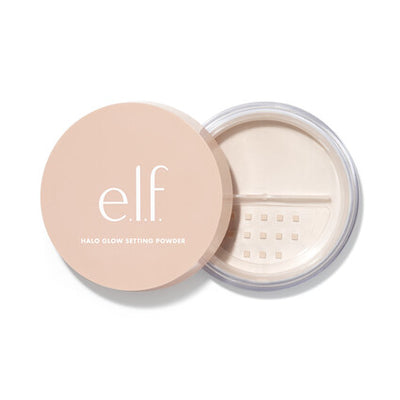
Press a small amount of translucent powder onto the forehead, nose, and chin. Leave dry cheeks with little or no powder.
Whole-face powder can increase visible flaking on dry areas. Combination skin usually needs targeted powder rather than uniform powder.
Blot Before Adding Powder
Blot excess oil before applying more powder during touch-ups. Adding powder directly over oil can create thick, patchy buildup.
Use a clean tissue or blotting sheet first. Press powder lightly after removing surface shine.
Is Lightweight or Full Coverage Better for Combination Skin?
Lightweight buildable coverage gives combination skin more flexibility than one heavy layer. Which foundation is best for combination skin still depends on your desired finish.
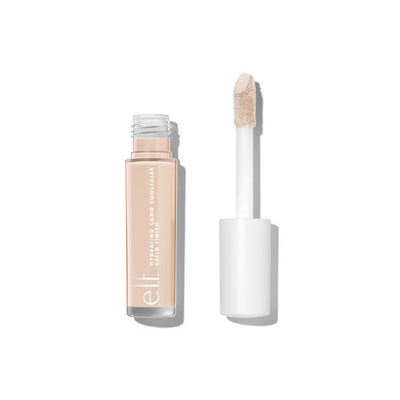
Choose light-to-medium coverage for daily wear, clear skin, or occasional breakouts. Add concealer only where stronger coverage is necessary.
Choose full coverage for events, pigmentation, or stronger redness. Apply full coverage in thin layers rather than one thick coat.
A heavy foundation can move faster on oily zones and look drier on rough zones. Buildability lets you customize each area.
How Should You Prep Combination Skin Before Foundation?
To prep combination skin before foundation, hydrate dry zones and control oil only in the T-zone. Foundation performance starts before the first layer.
Hydrate Dry Zones
Apply moisturiser to clean skin and focus extra product on cheeks or flaky areas. Use lightweight hydration instead of heavy grease.
Allow dry texture to soften before makeup. Foundation cannot hide loose flakes reliably.
Mattify Oily Zones
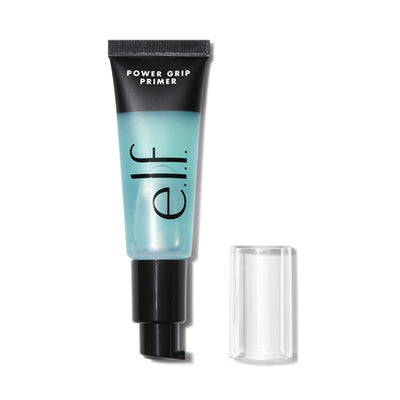
Apply mattifying primer only where foundation usually separates. Common zones include the nose, center forehead, and chin.
Use hydrating primer on drier cheeks when needed. One primer does not need to cover every facial zone.
Let Skincare Settle
Wait several minutes after moisturiser and sunscreen before foundation. Wet skincare layers can increase slipping and pilling.
Check the skin surface before makeup. The skin should feel comfortable rather than visibly wet.
How Do You Stop Foundation Separating Around the Nose?
Use less product, control oil underneath, and powder the nose selectively. Which foundation is best for combination skin can still fail after poor application.
Apply foundation in a thin layer around the nose. Press product into creases with a damp sponge instead of rubbing repeatedly.
Avoid layering thick primer, foundation, concealer, and powder around the same crease. Excess product gives oil more material to break apart.
Blot the nose during the day before touching up. Reapply only a tiny amount where coverage disappeared.
How Do You Stop Foundation Looking Cakey Around Dry Areas?

Improve hydration, reduce powder, and apply thinner foundation layers. Cakiness around the mouth often signals too much product over dry texture.
Use a damp sponge on dry areas to keep coverage thin. Avoid baking powder on cheeks, mouth corners, and flaky chin areas.
Press a hydrating setting mist over dry zones when makeup looks powdery. Do not drench the entire face.
Which foundation is best for combination skin should also stay comfortable after several hours. Morning perfection alone does not prove a formula works.
Why Can the Same Foundation Look Good in the Morning and Bad by Afternoon?
Oil, dehydration, product buildup, and climate can change the finish after several hours. Which foundation is best for combination skin should pass an afternoon check.
Oil Can Break Down the Center of the Face
T-zone oil can loosen pigment around the nose, forehead, and chin. Thick foundation layers usually show separation faster than thin layers.
Blot surface oil before adding powder. Avoid rubbing foundation back into oily areas with dry fingers.
Dryness Can Appear Later
Air-conditioning, wind, and low humidity can make cheeks feel drier during the day. Foundation can then emphasize flakes that looked invisible earlier.
Which foundation is best for combination skin should remain flexible during environmental changes. Carry a light hydrating mist when cheeks become tight.
Too Many Layers Can Create Patchiness
Primer, sunscreen, foundation, concealer, powder, and setting spray can build up quickly. More layers do not always create longer wear.
Use the fewest products that solve your actual problems. Which foundation is best for combination skin works better after simplified base preparation.
Which Foundation Works for Textured or Acne-Prone Combination Skin?
Choose lightweight, non-comedogenic foundation with buildable coverage and minimal texture emphasis. Combination skin can also include pores, acne, or roughness.
Avoid piling foundation over every blemish. Use one thin foundation layer and spot-conceal individual marks.
Natural and soft-matte finishes often blur texture better than very wet dewy finishes. Heavy matte layers can also magnify roughness.
Check your foundation after 6–8 hours before deciding. Some formulas settle into texture only after oil develops.
Stop using a product after repeated breakouts that clearly follow use. Individual reactions differ between formulas.
Which Foundation Is Best for Combination Skin in Hot and Humid Weather?
Choose lightweight long wear, targeted powder, and controlled touch-ups. Which foundation is best for combination skin in Pakistan also needs heat and humidity performance.
Hot weather can increase T-zone oil while air-conditioning dries the cheeks. A flexible formula handles both environments better than an extreme finish.
Use thin foundation layers and set the center of the face. Keep cheeks more natural when dryness appears there.
Carry blotting sheets or a compact powder for midday oil. Avoid repeatedly layering foundation over sweat or oil.
Long-wear options, including L'Oréal Infallible Fresh Wear, Estée Lauder Double Wear, and MAC Studio Fix, target longer wear.
Which Foundations Are Strong Options for Combination Skin?

Compare natural, satin, and soft-matte formulas based on your stronger concern. Which foundation is best for combination skin has no single universal winner.
Too Faced Born This Way suits users who want medium-to-full buildable coverage with a natural finish. Khayest's Too Faced foundation page describes a lightweight, comfortable formula.
L'Oréal Infallible Fresh Wear suits users who prioritize long wear, transfer resistance, and a lightweight feel. The formula fits oilier combination skin well.
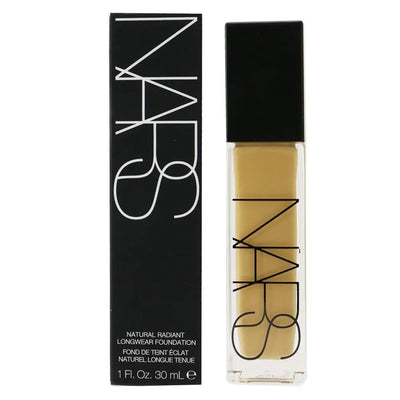
NARS Sheer Glow suits users who prefer a satin, radiant finish with buildable medium coverage. Drier combination skin can prefer that balance.
MAC Studio Fix suits users whose combination skin leans oily. The matte finish and long wear can require stronger dry-zone preparation.
Maybelline Lumi-Matte attracts users who want lightweight, buildable coverage and a natural-matte result. User experiences also raise oxidation questions, so shade testing matters.
Is Drugstore or Premium Foundation Better for Combination Skin?
Price does not decide whether a foundation will suit combination skin. Which foundation is best for combination skin depends more on formula, finish, and application.
Drugstore formulas can provide strong oil control, lightweight wear, and buildable coverage. L'Oréal Infallible and Maybelline Fit Me remain common examples.
Premium formulas can offer refined textures, broader undertone systems, or more flexible finishes. Too Faced Born This Way and NARS provide examples.
Test wear matters more than price. Which foundation is best for combination skin should still look balanced after several hours on your own face.
How Can You Choose Foundation for Combination Skin Quickly?
Match your strongest problem to the foundation feature that solves the problem.
|
Task |
Timing |
Method |
Difficulty |
|
Identify combination skin |
Before buying |
Check oily T-zone and drier cheeks |
Easy |
|
Choose finish |
Before buying |
Start with natural, satin, or soft matte |
Easy |
|
Test dry-patch comfort |
4–6 hours |
Check cheeks, mouth, and chin |
Easy |
|
Test oil control |
4–6 hours |
Check nose, forehead, and chin |
Easy |
|
Prep dry areas |
Before makeup |
Add lightweight hydration |
Easy |
|
Control oily areas |
Before makeup |
Use targeted mattifying primer |
Easy |
|
Set foundation |
After application |
Powder only the T-zone |
Easy |
|
Test long wear |
6–8 hours |
Check separation, transfer, and cakiness |
Moderate |
Which foundation is best for combination skin becomes easier after you stop demanding one formula solve every zone identically.
What Are the 5 Most Common Combination-Skin Foundation Questions?
Should combination skin use matte foundation?
Sometimes. Soft matte works well when the T-zone dominates. Hydrate dry areas and avoid heavy powder across the cheeks.
Is dewy foundation bad for combination skin?
No. Dewy foundation can work when combination skin leans dry. Set only oily zones to control excess shine.
Should you powder your whole face with combination skin?
No. Powder the T-zone first. Add powder elsewhere only when those areas actually need setting.
Why does foundation separate on the nose but look dry on the cheeks?
Oil breaks down the nose area while dehydration exposes cheek texture. Use different prep and setting methods by zone.
Can combination skin wear full-coverage foundation?
Yes. Apply full coverage in thin layers and control powder placement. Build coverage only where stronger correction is necessary.
Which Foundation Should You Choose Next?
Choose a lightweight natural, satin, or soft-matte formula that matches your strongest skin concern. Which foundation is best for combination skin should balance oil control, dry-zone comfort, coverage, and wear time. Test each formula for at least 6–8 hours before judging. Browse the Khayest foundation collection to compare original foundations for combination skin across different finishes, coverage levels, and price points.