
What Is Retinol Serum?
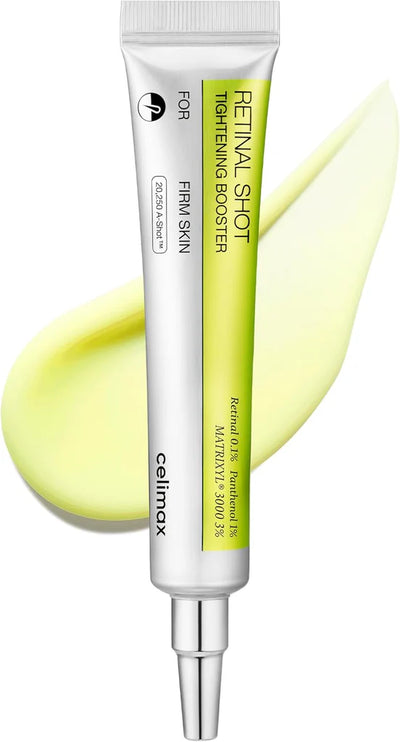
Retinol serum is a skincare product containing vitamin A that helps improve skin texture, reduce wrinkles, fade dark spots, and support skin renewal. Retinol serum increases skin cell turnover and stimulates collagen production, making skin appear smoother and healthier over time.
Many skincare enthusiasts use retinol because retinol addresses multiple concerns through one ingredient. Dermatologists frequently recommend retinol for acne, fine lines, photoaging, and uneven skin tone.
What Is Retinol Serum and How Does It Work?
 Retinol serum works by accelerating skin cell turnover and encouraging collagen production. Retinol belongs to the retinoid family, which comes from vitamin A.
Retinol reaches deeper skin layers than many skincare ingredients. Retinol encourages older skin cells to shed and allows newer skin cells to appear on the surface.
What Is Retinol?
Retinol is a vitamin A derivative used in skincare products. Retinol belongs to a group of ingredients called retinoids.
Common retinoids include:
- Retinol
- Tretinoin
- Adapalene
- Retinaldehyde
Retinol remains one of the most widely available forms because beginners tolerate retinol more easily than prescription-strength retinoids.
How Retinol Affects Skin Cells
To improve skin renewal, retinol increases the speed of skin cell turnover.
Your skin naturally replaces old skin cells every 28 to 40 days. Retinol encourages a faster renewal cycle, which helps improve skin appearance.
Benefits of increased skin renewal include:
- Smoother skin texture
- Reduced dullness
- Fewer clogged pores
- Brighter skin appearance
People looking for a retinol serum collection can compare different strengths and formulations before starting a retinol routine.
How Retinol Supports Collagen Production
To support collagen production, retinol communicates with skin cells responsible for structural proteins.
Collagen helps maintain skin firmness. Elastin helps maintain skin flexibility.
As collagen levels decrease with age, skin develops:
- Fine lines
- Wrinkles
- Sagging areas
Retinol helps stimulate collagen production, which improves skin firmness over time.
What Are the Benefits of Retinol Serum?
Retinol serum improves skin texture, reduces visible aging signs, and supports clearer skin. Many users notice gradual improvements after consistent use.
Retinol for Fine Lines and Wrinkles
To reduce wrinkles, retinol increases collagen production and supports skin renewal.
Common treatment areas include:
- Forehead lines
- Smile lines
- Crow's feet
Most users notice visible improvements after 8 to 12 weeks of consistent application.
Retinol for Acne and Breakouts
To manage acne, retinol helps prevent clogged pores and reduces dead skin buildup.
Acne develops when excess oil combines with dead skin cells inside pores. Retinol reduces pore congestion and encourages healthier skin turnover.
People starting treatment often choose a beginner retinol serum containing lower concentrations for better comfort during adjustment.
Retinol for Dark Spots and Uneven Skin Tone
To fade dark spots, retinol accelerates the removal of pigmented skin cells.
Retinol helps improve:
- Post-acne marks
- Sun spots
- Hyperpigmentation
- Uneven tone
Many users combine retinol with sunscreen because sun protection improves long-term results.
Who Should Use Retinol Serum?
 Adults concerned about acne, wrinkles, texture, or pigmentation often benefit from retinol serum.
Retinol serves multiple skincare goals through one ingredient.
Best Age to Start Retinol
To begin anti-aging skincare, many people start retinol between ages 25 and 30.
People with acne concerns sometimes begin earlier under skincare professional guidance.
Skin Types That Benefit Most
Retinol works well for:
- Oily skin
- Combination skin
- Acne-prone skin
- Mature skin
People with sensitive skin can still use retinol through slower introduction schedules.
People Who Should Avoid Retinol
Certain individuals should consult healthcare professionals before using retinol.
Examples include:
- Pregnant individuals
- Breastfeeding individuals
- People with active skin irritation
- People using prescription-strength exfoliants
Readers who want additional treatment options can browse the skincare serums collection to compare products targeting hydration, acne, pigmentation, and aging concerns.
How to Use Retinol Serum Correctly
Apply retinol serum at night, start with a low concentration, and increase usage gradually. Proper application helps you gain benefits while reducing irritation.
Many beginners apply too much retinol too quickly. A gradual approach delivers better long-term results.
How to Apply Retinol Serum
To apply retinol serum correctly, follow a simple nighttime routine.
Follow these 5 steps:
- Cleanse your face thoroughly.
- Pat skin dry completely.
- Wait 10 minutes.
- Apply a pea-sized amount.
- Finish with moisturizer.
A pea-sized amount measures approximately 0.2 inches (0.5cm) across your fingertip.
Apply retinol evenly across the face . Avoid direct contact with the eyes and lips.
How Often Should You Use Retinol?
To introduce retinol safely, begin with 2 applications weekly.
Use this schedule:
| Week | Frequency |
|---|---|
| Week 1–2 | 2 nights weekly |
| Week 3–4 | 3 nights weekly |
| Week 5–6 | Every other night |
| Week 7+ | Nightly if tolerated |
Most beginners achieve better results through gradual progression.
How Much Retinol Should You Apply?
Use 1 pea-sized amount for the entire face.
Applying larger amounts does not improve results. Larger amounts increase irritation risk.
People who are new to retinol often start with products designed specifically for beginners. A beginner retinol serum usually contains lower concentrations that help skin adapt more comfortably.
What Side Effects Can Retinol Cause?
Dryness, peeling, redness, and temporary irritation represent the most common retinol side effects.
Most side effects appear during the first few weeks.
Retinol Purging
To understand retinol purging, focus on increased skin turnover.
Retinol pushes clogged material toward the skin surface faster than usual.
Common signs include:
- Small breakouts
- Whiteheads
- Temporary congestion
Retinol purging usually lasts 2 to 6 weeks.
Dryness and Irritation
To reduce dryness, apply moisturizer after retinol application.
Common symptoms include:
- Tightness
- Flaking
- Mild redness
Many users improve comfort by reducing application frequency.
Sun Sensitivity
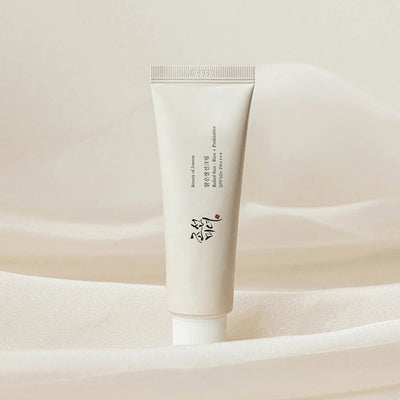
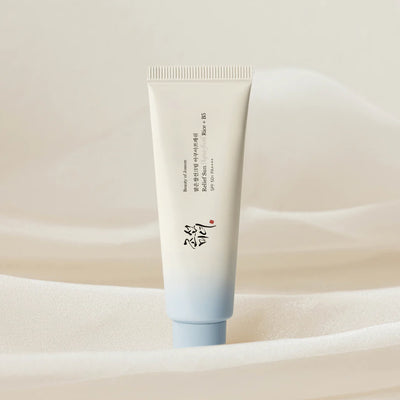
To protect skin during retinol use, apply sunscreen every morning.
Retinol increases sensitivity to ultraviolet radiation.
Choose sunscreen products offering:
- SPF 30 protection
- SPF 50 protection
- Broad-spectrum coverage
Quick Reference Table: Retinol Usage Guide
| Task | Timing | Method | Difficulty |
| First Application | Night | Pea-sized amount | Easy |
| Moisturizing | After Retinol | Gentle moisturizer | Easy |
| Frequency Increase | Every 2 Weeks | Gradual adjustment | Medium |
| Sun Protection | Every Morning | SPF 30–50 | Easy |
| Acne Monitoring | First 6 Weeks | Observe skin changes | Medium |
How to Build a Retinol Routine
Combine retinol with gentle skincare products and daily sunscreen.
A balanced routine improves results and reduces irritation.
Morning Retinol Support Routine
To support retinol treatment, focus on hydration and sun protection.
Follow these steps:
- Use a gentle cleanser.
- Apply hydrating serum.
- Apply moisturizer.
- Apply SPF 30–50 sunscreen.
Many users combine retinol treatment with products from a skincare serums collection that includes hydrating and barrier-support formulas.
Evening Retinol Routine
To create a simple nighttime routine, use products that support skin recovery.
Follow these steps:
- Cleanse skin.
- Allow skin to dry.
- Apply retinol serum.
- Apply moisturizer.
This routine helps maintain skin comfort while supporting skin renewal.
Products That Work Well With Retinol
To improve compatibility, pair retinol with gentle ingredients.
Examples include:
- Hyaluronic acid
- Ceramides
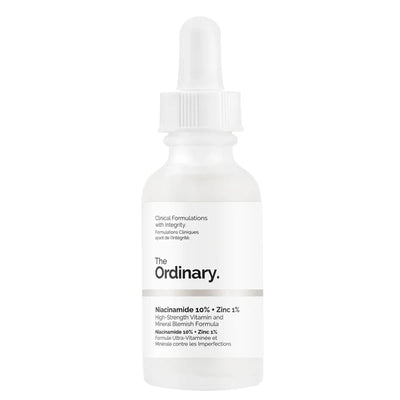
- Niacinamide
- Glycerin
These ingredients support hydration and skin barrier function.
Readers who want medically reviewed information can review this medical retinol guide for additional educational details about retinoids and skin health.
What Ingredients Should You Avoid With Retinol?
Avoid combining retinol with multiple strong exfoliating ingredients during the same routine.
Certain ingredient combinations increase irritation.
AHAs and BHAs
To reduce irritation risk, separate retinol from Alpha Hydroxy Acids (AHAs) and Beta Hydroxy Acids (BHAs).
Examples include:
- Glycolic acid
- Lactic acid
- Salicylic acid
Many users alternate products on different nights.
Benzoyl Peroxide
To maintain retinol stability, avoid applying benzoyl peroxide simultaneously.
Benzoyl peroxide can reduce retinol effectiveness.
Use products at different times if both ingredients are necessary.
Strong Physical Exfoliants
To protect the skin barrier, avoid aggressive scrubs during retinol adjustment periods.
Examples include:
- Walnut scrubs
- Salt scrubs
- Sugar scrubs
Gentle cleansing supports healthier adaptation.
Retinol Serum vs Retinoid: What Is the Difference?
Retinol is one type of retinoid. Retinoids describe the entire vitamin A family.
Retinoid categories include:
| Retinoid Type | Strength |
| Retinol | Moderate |
| Retinaldehyde | Stronger |
| Adapalene | Strong |
| Tretinoin | Prescription Strength |
Many beginners start with retinol before progressing to stronger retinoids.
A growing number of skincare users search for a retinol serum pakistan option that balances effectiveness with beginner-friendly formulations.
How to Choose the Right Retinol Strength
 Choose a lower retinol concentration when you are a beginner.
Different strengths suit different experience levels.
Beginner Retinol Strength
To start retinol safely, select concentrations between 0.1% and 0.3%.
Lower concentrations help reduce irritation while allowing your skin to adapt.
Suitable users include:
- First-time retinol users
- Sensitive skin users
- Younger adults
Intermediate Retinol Strength
To increase treatment intensity, choose concentrations between 0.5% and 1%.
Many users move to stronger products after several months of consistent use.
Suitable users include:
- Experienced retinol users
- Users treating visible aging signs
- Users targeting persistent pigmentation
Advanced Retinol Strength
To target advanced skin concerns, choose concentrations above 1% only after successful adaptation.
Higher strengths increase irritation risk and require careful introduction.
Retinol Use in Pakistan's Climate
Hot weather, strong sunlight, and humidity affect retinol routines in Pakistan.
People living in cities such as Lahore, Karachi, Islamabad, and Rawalpindi often experience intense sun exposure throughout the year.
Summer Retinol Routine
To use retinol during summer, increase sun protection.
Follow these steps:
- Apply SPF 50 sunscreen.
- Reapply sunscreen every 2 hours outdoors.
- Wear sunglasses and hats.
- Use retinol only at night.
Winter Retinol Routine
To use retinol during winter, increase skin hydration.
Recommended products include:
- Ceramide moisturizers
- Hyaluronic acid serums
- Glycerin-based creams
Additional hydration helps reduce dryness caused by colder weather.
Signs That Retinol Is Working
Smoother texture, brighter skin, and reduced breakouts indicate successful retinol use.
Positive improvements appear gradually.
Common signs include:
- Improved skin smoothness
- Reduced fine lines
- Fewer clogged pores
- More even skin tone
- Reduced acne marks
Most users notice early improvements within 4 to 8 weeks.
Visible anti-aging improvements often appear after 8 to 12 weeks.
What Results Can You Expect From Retinol Serum?
Most users notice gradual improvements over 4 to 12 weeks. Retinol works through consistent skin renewal rather than overnight changes.
Weeks 1–2
To understand early retinol results, focus on skin adjustment rather than visible improvements.
During the first 2 weeks, many users experience:
- Mild dryness
- Light peeling
- Temporary redness
- Increased sensitivity
These reactions occur because retinol accelerates skin cell turnover. A gentle moisturizer and sunscreen help reduce discomfort during this period.
Weeks 4–8
To evaluate mid-stage progress, look for improvements in skin texture and clarity.
Many users notice:
- Smoother skin texture
- Brighter skin appearance
- Reduced pore congestion
- Fewer acne breakouts
Retinol continues supporting collagen production while removing older skin cells from the surface.
Weeks 8–12
To assess long-term results, compare current skin condition with pre-treatment photos.
Common improvements include:
- Softer fine lines
- Reduced dark spots
- More even skin tone
- Improved skin firmness
Consistent use produces the most visible changes during this stage.
Common Retinol Mistakes to Avoid
Incorrect retinol use often causes unnecessary irritation and slower progress.
Using Too Much Product
To avoid irritation, apply only a pea-sized amount.
Many beginners believe larger amounts produce faster results. Excess retinol increases redness, dryness, and peeling without improving effectiveness.
Skipping Sunscreen
To protect your skin, apply sunscreen every morning.
Retinol increases sensitivity to sunlight. Daily SPF 30 to SPF 50 protection helps prevent pigmentation and sun damage.
Increasing Strength Too Quickly
To maintain skin comfort, increase retinol strength gradually.
Many users move from 0.3% to 1% concentrations too quickly. Gradual progression reduces irritation risk.
Applying Retinol on Wet Skin
To reduce excessive penetration, wait until skin becomes completely dry.
Dry skin tolerates retinol better than damp skin during the adjustment period.
Retinol Serum for Different Skin Concerns
Retinol addresses multiple skin concerns through one ingredient.
Retinol for Acne-Prone Skin
To improve acne-prone skin, retinol reduces clogged pores and excess buildup.
Benefits include:
- Fewer blackheads
- Reduced whiteheads
- Improved skin clarity
- Less congestion
Retinol for Aging Skin
To improve visible aging signs, retinol stimulates collagen production.
Common benefits include:
- Reduced fine lines
- Softer wrinkles
- Improved firmness
- Better elasticity
Retinol for Hyperpigmentation
To improve uneven skin tone, retinol encourages faster removal of pigmented skin cells.
Retinol often helps improve:
- Sun spots
- Acne marks
- Uneven pigmentation
- Dull-looking skin
Retinol Serum and Other Skincare Ingredients
Several skincare ingredients work well alongside retinol.
Retinol and Hyaluronic Acid
To improve hydration, combine retinol with hyaluronic acid.
Hyaluronic acid attracts moisture and helps reduce dryness associated with retinol use.
Retinol and Niacinamide
To strengthen the skin barrier, pair retinol with niacinamide.
Niacinamide helps improve skin comfort while supporting an even skin tone.
Retinol and Ceramides
To support skin barrier health, apply ceramide-rich moisturizers after retinol.
Ceramides help reduce dryness and improve moisture retention.
Retinol and Vitamin C
To use vitamin C effectively, apply vitamin C during the morning and retinol during the evening.
This schedule helps many users avoid irritation while benefiting from both ingredients.
Why Buy Retinol Serum From Khayest?
Authentic skincare products support safer and more consistent results.
Khayest offers carefully selected skincare products from trusted international brands. Customers can compare formulations, strengths, and ingredient profiles before choosing a product.
The retinol serum pakistan collection includes options suitable for beginners, intermediate users, and experienced skincare enthusiasts. Khayest also provides access to complementary products such as moisturizers, cleansers, sunscreens, and treatment serums that help build a complete retinol routine.
Choosing authentic skincare products helps you avoid counterfeit formulations and supports better long-term skincare results.
FAQs
1. What is retinol serum used for?
Retinol serum improves skin texture, reduces wrinkles, treats acne, and fades dark spots. Retinol supports skin renewal and collagen production.
2. Can beginners use retinol serum?
Yes. Beginners can use retinol serum by starting with low concentrations and applying retinol 2 nights per week.
3. How long does retinol take to work?
Most users notice visible improvements after 8 to 12 weeks. Consistent application produces the best results.
4. Should you use retinol every night?
No. Beginners should start with 2 weekly applications and gradually increase frequency based on skin tolerance.
5. Can retinol help acne scars?
Yes. Retinol supports faster skin cell turnover and helps improve the appearance of post-acne marks over time.
Conclusion
Retinol serum is one of the most effective skincare ingredients for improving acne, wrinkles, uneven skin tone, and visible signs of aging.
Retinol works by increasing skin cell turnover and supporting collagen production. Consistent application, proper moisturizing, and daily sunscreen use help you achieve the best results while minimizing irritation.
If you are ready to add retinol to your skincare routine, Explore the retinol serum pakistan collection at Khayest. Khayest offers authentic skincare products , making it easier to find beginner-friendly and advanced retinol formulas that match your skin goals and experience level.