
Is Vitamin C Serum Good for Acne?
Is vitamin C serum good for acne? Yes, vitamin C serum can support acne-prone skin by reducing post-acne marks, visible redness, dullness, and uneven tone. Vitamin C serum does not replace acne treatments such as salicylic acid, benzoyl peroxide, adapalene, or prescription skincare.
Acne-prone skin needs calm, balanced care. Vitamin C serum works best as a support product, not a stand-alone acne treatment. The right formula can brighten old marks, defend against free radical damage, and support smoother-looking texture. The wrong formula can sting, feel heavy, or trigger clogged pores.
Khayest shoppers often ask whether vitamin C belongs in an acne routine. The answer depends on your skin condition, product strength, formula base, and current acne treatment. Clear acne first with acne-focused ingredients when breakouts feel active and inflamed. Add vitamin C when your skin barrier feels calm enough.
Is Vitamin C Serum Good for Acne-Prone Skin?

Yes, vitamin C serum suits many acne-prone routines when you choose a lightweight, non-comedogenic formula. The serum works best for marks, redness, dullness, and uneven tone after breakouts.
The phrase is vitamin c serum often appears in searches because users want a yes-or-no answer. Vitamin C does not kill acne bacteria. Vitamin C does not unclog pores like salicylic acid. Vitamin C supports acne-prone skin by improving visible damage that breakouts leave behind.
Acne leaves 3 common concerns: post-inflammatory hyperpigmentation, red marks, and rough-looking texture. Vitamin C serum can help those concerns through antioxidant support, brightening action, and collagen support. Acne medicine treats active pimples more directly.
People searching is vitamin c serum good for active acne need a careful answer: support marks first, treat pimples directly.
Choose a vitamin C product with a light texture. Acne-prone skin usually reacts better to gel serums, water-light serums, or lotion-serums. Heavy oils, thick balms, and pore-clogging bases can create problems for oily skin.
Use the question is vitamin c serum safe for acne as a formula check before buying.
What Can Vitamin C Serum Do for Acne Marks?
Vitamin C serum can reduce the look of post-acne marks and support brighter skin. The ingredient helps skin look clearer when dark spots remain after pimples heal.
How to Fade Post-Acne Marks
To fade post-acne marks, apply vitamin C serum after cleansing and before moisturizer. Use sunscreen every morning because sunlight darkens marks.
Post-acne marks often appear brown, purple, red, or grey. Melanin causes many dark marks. Inflammation causes many red marks. Vitamin C helps reduce visible uneven tone by supporting a brighter-looking surface.
Results need patience. Many users see brighter skin after 4 to 8 weeks. Deeper discoloration needs longer. A dermatologist can treat stubborn marks with chemical peels, lasers, prescription creams, or microneedling.
How to Calm Visible Redness
To calm visible redness, use a gentle vitamin C derivative and pair serum with a barrier-friendly moisturizer. Avoid strong exfoliants during irritation.
Redness often increases when acne-prone skin feels damaged. A harsh vitamin C serum can sting. A gentler derivative can give antioxidant support with less irritation. Sodium ascorbyl phosphate and magnesium ascorbyl phosphate usually feel softer than strong L-ascorbic acid.
How to Support Collagen Texture
To support collagen texture, use vitamin C consistently with sunscreen. Vitamin C supports collagen formation and smoother-looking skin texture.
Indented acne scars need professional care. Vitamin C serum can improve the look of tone and brightness. Vitamin C serum cannot lift deep pitted scars alone.
What Can Vitamin C Serum Not Do for Acne?

Vitamin C serum cannot replace proven acne treatments for active pimples. Acne treatments work on clogged pores, excess oil, bacteria, and inflammation.
Active acne needs targeted care. Salicylic acid helps clear pores. Benzoyl peroxide targets acne-causing bacteria. Adapalene supports cell turnover. Azelaic acid helps bumps, redness, and marks. Prescription treatments help severe acne.
If your main search is vitamin c serum for pimples, choose acne treatment first and vitamin C second.
Vitamin C serum gives the best value after breakouts calm down. Use acne treatments first when skin shows painful pimples, cysts, or frequent whiteheads. Add vitamin C after your skin tolerates a basic routine.
For a targeted acne step, browse the salicylic acid serum collection at Khayest and choose a formula that matches oily or congested skin.
Which Vitamin C Type Suits Acne-Prone Skin?
Sodium ascorbyl phosphate suits many acne-prone users, while L-ascorbic acid suits experienced users. Skin sensitivity should guide product choice.
L-Ascorbic Acid
L-ascorbic acid is the pure form of vitamin C. Strong formulas often use 10% to 20% concentrations. Potent formulas can brighten fast, but potent formulas can sting sensitive skin.
Choose L-ascorbic acid when your skin already tolerates active ingredients. Start with 2 applications per week before daily use. Apply 2 to 3 drops to dry skin and keep serum away from eye corners by 0.5 inch (1.3cm).
Sodium Ascorbyl Phosphate
Sodium ascorbyl phosphate is a stable vitamin C derivative. Acne-prone users often choose sodium ascorbyl phosphate for gentle brightening.
This derivative works well when your skin reacts to low-pH vitamin C. Look for light, fragrance-free formulas with niacinamide, hyaluronic acid, or green tea extract.
Magnesium Ascorbyl Phosphate
Magnesium ascorbyl phosphate is another gentle derivative. Dry, sensitive, or reactive skin often tolerates magnesium ascorbyl phosphate better.
Choose this form when your barrier feels weak. Add moisturizer after serum to reduce dryness and keep skin comfortable.
How to Use Vitamin C Serum for Acne-Prone Skin
To use vitamin C serum for acne-prone skin, cleanse, apply 2 to 3 drops, moisturize, and use sunscreen. Start slowly if your skin breaks out easily.
1. Cleanse your face with a gentle cleanser for 30 to 60 seconds.
2. Dry your face with a soft towel and wait 1 minute.
3. Apply 2 to 3 drops of vitamin C serum across the face.
4. Keep serum 0.5 inch (1.3cm) away from eyes and lips.
5. Apply moisturizer after 60 seconds.
6. Apply broad-spectrum sunscreen every morning.
Morning use suits most vitamin C routines because antioxidant support pairs well with sunscreen. Night use also works when morning routines feel crowded.
A shopper asking is vitamin c serum good in the morning should pair vitamin C with sunscreen.
Start with 3 mornings per week. Increase to daily use after 2 weeks if your skin stays calm. Stop use for 7 days if you notice burning, swelling, or repeated breakouts.
Quick Reference Table for Vitamin C and Acne-Prone Skin
|
Task |
Timing |
Method |
Difficulty |
|
Patch test |
7 to 10 days |
Apply serum to a 1 inch (2.5cm) skin area |
Easy |
|
Start serum |
3 mornings weekly |
Use 2 to 3 drops after cleansing |
Easy |
|
Protect marks |
Every morning |
Use sunscreen after moisturizer |
Easy |
|
Avoid irritation |
During active breakouts |
Skip strong acids and retinoids together |
Medium |
|
Check results |
4 to 8 weeks |
Compare tone and post-acne marks in the same light |
Easy |
How to Choose a Vitamin C Serum at Khayest
To choose a vitamin C serum at Khayest, match the formula to your acne pattern and skin tolerance. Lightweight, stable, and non-comedogenic formulas suit acne-prone skin best.
Choose vitamin C when your main concern is acne marks, dullness, uneven tone, or mild redness. Choose salicylic acid, benzoyl peroxide, or dermatologist care when your main concern is active pimples.
Khayest offers options that support brightening and texture care. For a stronger brightening choice, consider the COSRX Vitamin C serum and introduce the formula slowly.
Look for 3 product features: opaque packaging, a lightweight texture, and supportive ingredients. Helpful ingredient examples include hyaluronic acid, ceramides, vitamin E, ferulic acid, niacinamide, green tea, and panthenol.
What Should You Avoid With Vitamin C Serum?
Avoid harsh layering when acne-prone skin feels irritated. Strong combinations can damage the skin barrier and make breakouts look worse.
Do not layer high-strength vitamin C with benzoyl peroxide in the same routine. Benzoyl peroxide can reduce vitamin C stability and increase dryness. Use vitamin C in the morning and benzoyl peroxide at night when your skin tolerates both.
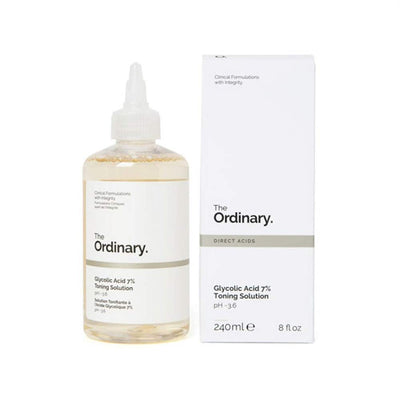
Do not combine vitamin C with strong exfoliating acids on sensitive days. Glycolic acid, lactic acid, and salicylic acid can increase stinging when your barrier feels weak. Use acid nights separately.
Do not use oxidized vitamin C serum. Oxidized serum often turns dark orange or brown. Replace serum when color, smell, or texture changes.
What Side Effects Can Vitamin C Serum Cause?
Vitamin C serum can cause stinging, dryness, redness, or breakouts when the formula does not suit your skin. Patch testing reduces risk.
Use a 1 inch (2.5cm) test area on the jaw or behind the ear. Apply the serum once daily for 7 to 10 days. Move to full-face use only when skin stays calm.
Breakouts after vitamin C can come from a heavy base, added fragrance, high acidity, or too many active ingredients. Acne-prone skin usually prefers fragrance-free and oil-light formulas.
Stop the product if you see swelling, hives, painful burning, or repeated acne clusters. Ask a dermatologist for personalized acne care if acne feels severe, cystic, or painful.
How to Build a Khayest Routine With Vitamin C Serum

To build a Khayest routine with vitamin C serum, use 4 morning steps and 3 evening steps. Keep the routine simple while acne stays active.
Morning routine: cleanse, apply vitamin C serum, moisturize, and use sunscreen. Evening routine: cleanse, apply an acne treatment on treatment nights, and moisturize. Keep salicylic acid and retinoids separate from strong vitamin C until your skin adapts.
Choose products by concern. Use vitamin C for marks and glow. Use salicylic acid for pores and blackheads. Use niacinamide for oil and barrier support. Use moisturizer for dryness and comfort.
The question is vitamin c serum worth adding becomes easier when your routine already includes cleanser, moisturizer, and sunscreen.
Is Vitamin C Serum Worth Buying for Acne Marks?
Yes, vitamin C serum is worth buying when acne marks, dullness, and uneven tone bother you. Vitamin C gives less value when painful active acne remains your main concern.
Use the phrase is vitamin c serum good for acne as a buying question, not a cure promise. Vitamin C supports the skin after acne. Acne-focused actives handle breakouts more directly.
A good acne-mark routine needs sunscreen every morning. Sun exposure keeps marks darker for longer. Vitamin C without sunscreen gives weaker visible results.
The answer to is vitamin c serum useful for acne marks depends on consistent sunscreen use.
Is Vitamin C Serum Better for Acne Marks Than Pimples?
Vitamin C serum works better for acne marks than active pimples. Acne marks need brightening support, while pimples need pore-clearing treatment.
The question is vitamin c serum good for acne has 2 answers. Vitamin C serum supports acne-prone skin after a breakout. Vitamin C serum does not act like a spot treatment on a new pimple.
Use vitamin C when your skin shows brown marks, red marks, dullness, or uneven tone. Use acne actives when your skin shows blackheads, whiteheads, pustules, cysts, or painful bumps. A balanced routine can include both categories on different days.
Is vitamin c serum useful for acne scars? Vitamin C serum helps flat discoloration more than deep texture. Raised scars and pitted scars usually need dermatologist treatments, such as microneedling, laser therapy, chemical peels, or subcision.
How to Know Vitamin C Serum Fits Your Acne Routine
To know vitamin C serum fits your acne routine, check your skin barrier, acne activity, and current products. Calm skin tolerates vitamin C better than irritated skin.
Ask 3 questions before full-face use. Is vitamin c serum needed for marks or active pimples? Does your moisturizer prevent dryness? Does your sunscreen cover your skin every morning? These answers show whether vitamin C can add value.
How to Choose Vitamin C for 4 Skin Goals
To choose vitamin C for 4 skin goals, match the serum to your main concern. Choose brightening formulas for dark marks. Choose soothing formulas for redness. Choose barrier-support formulas for dryness. Choose oil-light formulas for oily skin.
How to Pause Vitamin C for 3 Warning Signs
To pause vitamin C for 3 warning signs, stop serum when burning, swelling, or repeated breakouts appear. Give your skin 7 days of barrier care.
Use a simple routine during the pause. Cleanse gently, moisturize well, and apply sunscreen. Restart vitamin C at 2 mornings weekly after your skin feels calm.
How Long Does Vitamin C Serum Take for Acne Marks?
Most users judge tone changes after 4 to 8 weeks. Deep marks need 12 weeks or more with consistent sunscreen.
Is vitamin c serum fast for acne marks? Vitamin C serum does not erase marks overnight. Pigment changes need time because skin renews gradually. Consistent use matters more than using a larger amount.
How to Track Results Without Guessing
To track results without guessing, take photos every 2 weeks in the same light. Keep your face 12 inches (30cm) from the camera. Compare the same cheek, forehead, or chin area each time.
How to Keep Vitamin C Stable at Home
To keep vitamin C stable at home, close the bottle tightly after every use. Store serum away from heat, sunlight, and bathroom steam.
Vitamin C formulas can oxidize when air and light reach the product. Dark bottles, airless pumps, and cool storage protect the formula. Replace serum when the product turns dark orange, brown, watery, or sour-smelling.
Is Vitamin C Serum Good for Acne in Humid Pakistan Weather?
Yes, vitamin C serum can fit humid weather when the texture feels light. Heavy creams and oily bases can feel uncomfortable in Karachi, Lahore, Islamabad, Rawalpindi, and Multan summers.
Choose gel-serums, water-light serums, and non-comedogenic formulas during humid months. Apply a thin layer and wait 60 seconds before moisturizer. Use a lightweight sunscreen after moisturizer every morning.
Is vitamin c serum suitable for sweat-prone skin? Vitamin C serum can suit sweat-prone skin when the formula absorbs fast and leaves no greasy layer. Wash your face after heavy sweating before reapplying skincare.
Frequently Asked Questions About Vitamin C Serum and Acne
Is vitamin C serum good for acne?
Yes. Vitamin C serum supports acne-prone skin by improving visible marks, redness, dullness, and uneven tone. Vitamin C serum does not replace acne medicine.
Can vitamin C serum clear active pimples?
No. Vitamin C serum does not directly clear clogged pores or acne bacteria. Salicylic acid, benzoyl peroxide, and adapalene target active acne better.
Does vitamin C serum help acne scars?
Yes, for flat dark marks. Vitamin C serum helps uneven tone. Deep pitted acne scars need professional treatments.
Can vitamin C serum cause breakouts?
Yes. Vitamin C serum can cause breakouts when the formula feels too heavy, too acidic, oxidized, or fragrance-rich.
Should you use vitamin C serum every day?
Yes, after tolerance builds. Start with 3 mornings weekly. Increase daily use after 2 weeks of calm skin.
Conclusion
Is vitamin C serum good for acne? **Yes, vitamin C serum supports acne-prone skin when your goal is brighter tone, post-acne mark care, redness support, and smoother-looking texture.** Vitamin C serum does not replace acne treatments for active pimples, clogged pores, or cystic acne. Choose a lightweight formula, patch test for 7 to 10 days, use sunscreen daily, and keep strong actives separate. Shop the face serum collection at Khayest and build a routine that fits acne-prone skin.