
Is Moisturizer Bad for Skin?
Is moisturizer bad for skin? No, moisturizer is not bad for skin when the formula suits your skin type and routine.
The wrong moisturizer can clog pores, feel greasy, sting sensitive skin, or leave acne-prone skin uncomfortable.
Many people ask is moisturizer bad for skin because their face feels oily, sticky, tight, or breakout-prone after cream.
The better question asks whether your moisturizer matches your cleanser, climate, skin type, and active ingredients.
People ask is moisturizer bad for skin after one poor formula leaves their face shiny, bumpy, or tight.
Is Moisturizer Bad for Skin When You Choose the Right Formula?
No, a suitable moisturizer supports the skin barrier and reduces water loss from dry or dehydrated areas.
Your skin barrier holds water, blocks irritants, and keeps the face comfortable after cleansing.
A daily moisturizer can help dry skin, sensitive skin, and treatment-stressed skin feel calmer and smoother.
Is moisturizer bad for skin when you choose a light, non-comedogenic formula? No, a matched formula helps comfort.
Problems start when you use a heavy cream on oily areas, scented formulas on reactive skin, or thick layers daily.
Searchers ask is moisturizer bad for skin because comfort and congestion can happen from the same product category.
A cream moisturizer, gel moisturizer, and lotion moisturizer serve different skin needs.
Dry skin usually needs ceramides, glycerin, hyaluronic acid, petrolatum, or shea butter.
Oily skin usually needs water-based gels, oil-control lotions, niacinamide, or lightweight humectants.
Sensitive skin usually needs fragrance-free, dye-free, and simple formulas with fewer active ingredients.
Can Moisturizer Make Skin Lazy?

No, suitable moisturizer does not make skin lazy or stop skin from working.
Skin oil production depends on genetics, hormones, age, weather, cleansing habits, and skin conditions.
Moisturizer does not command sebaceous glands to stop making sebum.
The lazy skin fear usually comes from skin that feels worse after heavy or frequent moisturizing.
Is moisturizer bad for skin because people fear dependency? No, dependency claims often confuse comfort with addiction.
People ask is moisturizer bad for skin when their face feels worse after stopping a cream.
What the Lazy Skin Fear Really Means
The lazy skin fear describes dullness, roughness, clogged pores, and tightness after heavy product use.
A rich cream can trap dead cells on oily areas and make the face look congested.
A drying cleanser can strip natural oils, then a moisturizer can hide tightness for 3 hours.
That cycle makes people feel trapped between dryness and greasiness.
What Your Skin Actually Needs
Your skin needs clean pores, balanced water levels, enough oil, and a strong barrier.
Moisturizer helps when moisturizer replaces lost comfort after cleansing, retinol, benzoyl peroxide, or dry weather.
Moisturizer hurts comfort when moisturizer adds fragrance, heavy oils, or too much occlusion to unsuitable skin.
You should judge the result after 7 days, not after 1 rushed application.
When Does Moisturizer Cause Breakouts or Greasy Skin?
Moisturizer causes breakouts or greasy skin when the texture, ingredient list, or amount overwhelms your pores.
Can moisturizer cause acne? Yes, unsuitable formulas can trigger clogged pores on acne-prone skin.
People ask is moisturizer bad for skin when new bumps appear 2 days after a richer formula.
Is moisturizer bad for skin with clogged pores? The wrong moisturizer can worsen congestion on your nose, chin, and forehead.
A good formula should leave your face comfortable, not coated, hot, itchy, or shiny after 30 minutes.
Heavy Creams Can Clog Acne-Prone Areas
Heavy creams can clog acne-prone areas when oily skin already produces enough sebum.
Examples include thick body creams, heavy butters, rich balms, and dense overnight masks.
Use heavier products on dry cheeks, rough patches, elbows, knees, or hands instead.
Keep heavy products away from acne zones, such as the T-zone, jawline, and hairline.
Fragrance and Drying Alcohol Can Irritate Sensitive Skin
Fragrance and drying alcohol can irritate sensitive skin and make moisturizer feel bad.
Examples include strong perfume, essential oils, alcohol denat, menthol, and harsh exfoliating blends.
Choose fragrance-free moisturizer when your skin burns, flushes, flakes, or stings after products.
Patch test a 1 inch (2.5cm) area near your jaw for 24 hours before full-face use.
Too Many Layers Can Make Skin Sticky
Too many layers can make skin sticky, shiny, and uncomfortable.
Examples include toner, essence, serum, oil, cream, sleeping mask, and sunscreen stacked too quickly.
Use 3 morning steps for most routines: cleanser, moisturizer, and sunscreen.
Use 3 night steps for most routines: cleanser, treatment serum, and moisturizer.
How to Choose Moisturizer for Your Skin Type

To choose moisturizer for your skin type, match texture and ingredients to your skin concern first.
Do not choose a moisturizer only because a viral review praises the texture.
Is moisturizer bad for skin when you pick by trend instead of need? Yes, trend-first buying causes routine mistakes.
Look at your face 2 hours after washing to identify oiliness, tightness, shine, and flakes.
People ask is moisturizer bad for skin less often after they match texture to real skin behavior.
Choose Richer Creams for Dry Skin
Choose richer creams for dry skin when your cheeks feel tight, rough, itchy, or flaky.
Dry skin benefits from ceramides, hyaluronic acid, glycerin, petrolatum, dimethicone, and shea butter.
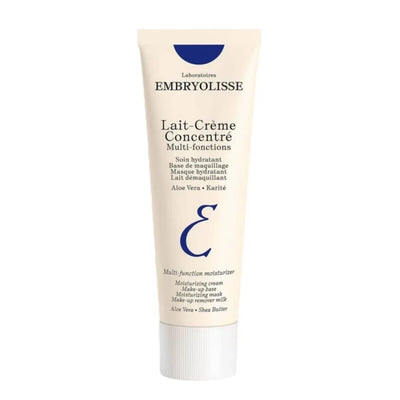
For dry or very dry skin, CeraVe moisturizing cream gives a richer barrier-supporting option.
Apply dry-skin cream at night when your face loses comfort after cleansing or cold air exposure.
Choose Gel Textures for Oily Skin
Choose gel textures for oily skin when your forehead, nose, and chin shine within 2 hours.
Oily skin benefits from gel moisturizers, water creams, niacinamide, glycerin, and non-comedogenic formulas.
For shine-prone skin, Effaclar Mat moisturizer targets oily and acne-prone routines with a lighter finish.
Apply a thin layer only on tight areas when your T-zone already feels comfortable.
Choose Simple Formulas for Sensitive Skin
Choose simple formulas for sensitive skin when products often sting, redden, or itch.
Sensitive skin benefits from fragrance-free lotions, ceramides, panthenol, colloidal oatmeal, and petrolatum.
Avoid strong exfoliating acids, perfumed oils, and complex active blends during barrier irritation.
Use 1 new product every 7 days so your skin can show clear feedback.
How to Apply Moisturizer Without Clogging Pores
To apply moisturizer without clogging pores, use a small amount on clean, slightly damp skin.
A thick layer does not hydrate better than a balanced layer.
Is moisturizer bad for skin when you apply too much? Yes, excess product can feel greasy and trap sweat.
Apply product with clean fingers and stop before your face looks shiny or coated.
Apply a Small Measured Amount
Apply a 0.25 inch (0.6cm) amount to your face first.
Add a second 0.25 inch (0.6cm) amount only on dry cheeks, flakes, or tight patches.
Avoid applying the same thick layer to your oily nose and dry cheeks.
Measure product by skin need, not by the size of your palm.
Apply Moisturizer After Cleansing and Serum
Apply moisturizer after cleansing and serum so the moisturizer seals hydration and improves comfort.
Use moisturizer after hyaluronic acid serum, niacinamide serum, vitamin C serum, or retinol at night.
Let strong treatments settle for 5 minutes before moisturizer when your skin stings easily.
Use a gentler routine when treatment products cause peeling, redness, or burning.
Apply Sunscreen After Morning Moisturizer
Apply sunscreen after morning moisturizer because ultraviolet (UV) protection belongs last in daytime skincare.
Let moisturizer settle for 3 minutes before sunscreen to reduce pilling.
Use 0.5 teaspoon (2.5ml) sunscreen for your face and neck each morning.
Use sunscreen daily when you want fewer dark spots, tanning, and early fine lines.
Is Moisturizer Bad for Skin If Your Face Feels Oily?
No, moisturizer is not automatically bad for oily skin.
Oily skin can skip heavy cream and still use a light gel on tight areas.
Is moisturizer bad for skin that produces excess sebum? Only heavy or greasy formulas create problems.
Many oily faces still feel dehydrated after harsh cleansers, acne gels, air conditioning, and hot weather.
A lightweight daily moisturizer can reduce tightness without adding shine when you choose the right texture.
Look for oil-free, non-comedogenic, water-based, matte-finish, or gel-cream labels.
Avoid pore-clogging textures when products make your skin look shiny within 30 minutes.
Do You Really Need Moisturizer Every Day?
You need moisturizer daily when your skin feels dry, tight, itchy, flaky, treated, or barrier-damaged.
Do you really need moisturizer if your skin feels balanced all day? Not every face needs the same frequency.
Is it okay to not use moisturizer? Yes, balanced oily skin can skip moisturizer on comfortable areas.
Use moisturizer after cleansing when your skin feels tight or looks flaky within 15 minutes.
Use moisturizer at night when retinol, benzoyl peroxide, exfoliating acids, or cold air dries your face.
Skip morning moisturizer only when sunscreen gives enough comfort and your face does not feel tight.
Keep sunscreen even when you skip moisturizer because sunscreen protects against UV damage.
Which Ingredients Make Moisturizer Helpful or Bad?
Helpful moisturizer ingredients hydrate, soften, or seal water without irritating your skin.
Bad ingredients depend on your skin type, allergy history, acne pattern, and product amount.
Is moisturizer bad for skin because one ingredient fails you? No, your skin reacts to full formulas.
Read ingredient lists for humectants, emollients, occlusives, fragrance, drying alcohol, and comedogenic oils.
Humectants Pull Water Into Skin
Humectants pull water into skin and support dehydrated skin.
Examples include glycerin, hyaluronic acid, urea, panthenol, and sodium PCA.
Humectants suit dry skin, oily skin, combination skin, and acne-prone skin when formulas stay lightweight.
Apply humectant-rich moisturizer on damp skin for better comfort after cleansing.
Emollients Soften Rough Skin
Emollients soften rough skin and reduce flaky texture.
Examples include squalane, fatty alcohols, ceramides, shea butter, and plant oils.
Emollients suit dry cheeks, rough patches, and winter dryness better than oily T-zones.
Choose lighter emollients when your face breaks out from heavy balms.
Occlusives Seal Water Into Dry Areas
Occlusives seal water into dry areas and protect damaged skin.
Examples include petrolatum, dimethicone, mineral oil, lanolin, and waxes.
Occlusives help cracked hands, rough elbows, eczema-prone patches, and very dry cheeks.
Use occlusives carefully on acne-prone areas because heavy layers trap sweat and oil.
What Mistakes Make Moisturizer Feel Bad for Skin?

Moisturizer feels bad when your routine uses the wrong amount, wrong texture, or wrong timing.
Over moisturizing skin can create shine, clogged pores, product pilling, and a coated feeling.
Is moisturizer bad for skin after these mistakes? No, the mistake needs correction.
Avoid applying cream on unwashed skin, sweaty skin, active acne spots, or sunscreen residue at night.
Avoid mixing 3 strong actives, such as retinol, glycolic acid, and benzoyl peroxide, under heavy cream.
Avoid changing 4 products in 1 week because your skin cannot reveal the exact trigger.
Use a simple routine for 14 days when your face feels confused: cleanser, moisturizer, and sunscreen.
People ask is moisturizer bad for skin most often after changing 3 products at the same time.
Which Khayest Moisturizers Match Real Skin Concerns?
Khayest offers moisturizers for dry, oily, sensitive, combination, and acne-prone routines.
Choose by concern first, then choose by brand, texture, and price.
Is moisturizer bad for skin when you shop without knowing your concern? Yes, random buying creates poor matches.
Dry skin can choose richer creams with ceramides, hyaluronic acid, glycerin, petrolatum, or dimethicone.
Oily skin can choose light gel creams, matte lotions, water-based formulas, and non-comedogenic products.
Sensitive skin can choose fragrance-free formulas with fewer actives and barrier-supporting ingredients.
Acne-prone skin can choose oil-free textures and avoid heavy balms on active breakout zones.
Combination skin can use 2 products: gel on the T-zone and cream on dry cheeks.
Quick Moisturizer Safety Table
Use this quick table to decide whether your moisturizer helps or harms your current routine.
|
Task |
Timing |
Method |
Difficulty |
|
Check skin type |
Before buying |
Look for oil, flakes, tightness, redness, or acne zones. |
Easy |
|
Choose texture |
Before buying |
Use gel for oily skin and cream for dry skin. |
Easy |
|
Patch test |
First night |
Test a 1 inch (2.5cm) area near your jaw. |
Easy |
|
Apply amount |
Morning or night |
Use a 0.25 inch (0.6cm) amount first. |
Easy |
|
Watch reaction |
After 30 minutes |
Check for shine, stinging, bumps, or comfort. |
Easy |
|
Change formula |
After 7 days |
Switch texture when greasiness, clogging, or irritation continues. |
Medium |
FAQs About Moisturizer Safety
Is moisturizer bad for skin every day?
No, daily moisturizer is not bad when your formula suits your skin type and feels comfortable.
Use less product when your face looks greasy or coated after 30 minutes.
Can moisturizer make skin lazy?
No, suitable moisturizer does not make skin lazy.
Heavy layers can make skin feel congested, but matched formulas support comfort.
Can moisturizer cause acne?
Yes, unsuitable moisturizer can clog pores and trigger breakouts on acne-prone skin.
Choose non-comedogenic, oil-free, gel, or water-based textures for breakout-prone areas.
Should oily skin use moisturizer?
Yes, oily skin should use moisturizer when skin feels tight, dehydrated, or treatment-dried.
Oily skin can skip heavy cream and use a lightweight gel instead.
How do I know I am over-moisturizing?
You are over-moisturizing when skin feels sticky, shiny, clogged, warm, or bumpy.
Reduce the amount for 7 days and switch to a lighter texture when symptoms continue.
Final Answer: Is Moisturizer Bad for Skin?
Is moisturizer bad for skin? No, moisturizer is helpful when the formula matches your skin type, concern, and routine.
The wrong moisturizer can make skin greasy, clogged, irritated, or uncomfortable.
Choose a light gel for oily skin, a richer cream for dry skin, and a fragrance-free lotion for sensitivity.
Shop the Khayest moisturizer collection to choose original skincare that fits your real skin needs.