
How to Moisturize Skin Naturally
If you're wondering how to moisturize skin naturally, the key is to combine healthy skincare habits, nourishing ingredients, and the right products. Natural hydration isn't just about using oils or DIY remedies. It's about protecting your skin barrier, preventing moisture loss, and supporting healthy skin with a consistent daily skincare routine.
Why Does Skin Become Dry?
Before learning how to moisturize skin naturally, it's important to understand why your skin becomes dry in the first place.
Your skin naturally contains water and protective oils that keep it soft, smooth, and healthy. However, everyday factors such as cold weather, hot showers, harsh cleansers, air conditioning, indoor heating, and excessive sun exposure can weaken the skin barrier. When this happens, your skin loses moisture more quickly, leading to dryness, tightness, rough patches, and flaking.
Lifestyle habits also play a role. Not drinking enough water, eating an unbalanced diet, and skipping moisturizer after cleansing can all contribute to dehydrated skin.
The good news is that a few simple changes to your daily routine can help restore moisture and improve your skin's natural ability to stay hydrated.
| Task | Timing | Method | Difficulty |
|---|---|---|---|
| Cleanse Skin | Morning & Night | Gentle cleanser | Easy |
| Apply Moisturizer | After cleansing | On slightly damp skin | Easy |
| Drink Water | Throughout the Day | Stay consistently hydrated | Easy |
| Eat Healthy Fats | Daily | Balanced diet | Easy |
| Apply Sunscreen | Every Morning | SPF 30+ | Easy |
How to Moisturize Skin Naturally
The best way to moisturize skin naturally is by combining healthy habits with products that support your skin instead of disrupting it.
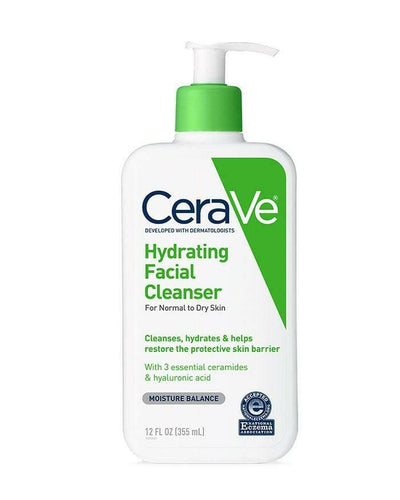
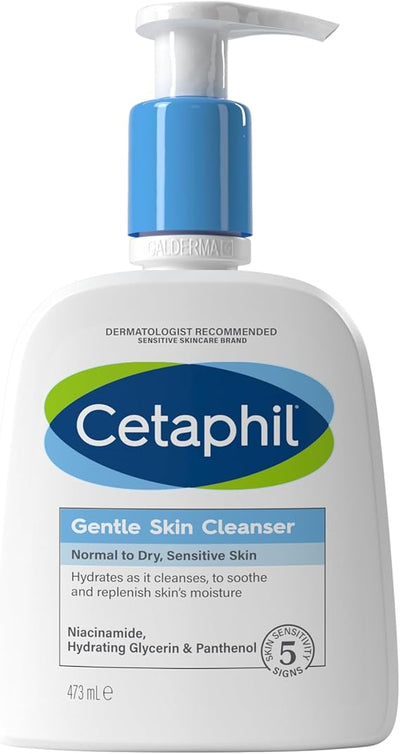
Start by cleansing your face with a gentle cleanser that removes dirt and excess oil without stripping away natural moisture. Harsh cleansers can leave your skin feeling dry and uncomfortable, making it harder to maintain healthy hydration.
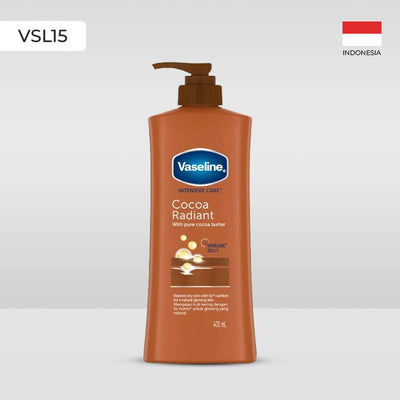
After cleansing, apply a moisturizer while your skin is still slightly damp. This helps lock water into the skin and improves moisture retention throughout the day. Even if you prefer natural skincare, using a well-formulated moisturizer is one of the most effective ways to keep your skin hydrated.
Protecting your skin from excessive sun exposure is equally important. Applying sunscreen every morning helps reduce environmental damage that can weaken your skin barrier and contribute to dryness over time.
Finally, avoid habits that cause unnecessary moisture loss, such as washing your face with very hot water or over-exfoliating your skin. Gentle daily care often produces better long-term results than aggressive skincare routines.
Best Natural Ingredients for Skin Hydration
 Nature provides many ingredients that help keep the skin soft, comfortable, and moisturized. Choosing products that contain these ingredients can support healthy skin while fitting naturally into your skincare routine.
Aloe Vera
Aloe Vera is one of the most popular natural skincare ingredients because it provides lightweight hydration and helps soothe dry, irritated skin. It absorbs quickly and works well for many skin types, including oily and sensitive skin.
Shea Butter
Shea Butter is rich in natural fatty acids that nourish the skin and help reduce moisture loss. It is especially beneficial for people with dry or rough skin that needs extra care.
Honey
Honey is valued for its ability to attract moisture to the skin. It also helps keep the skin feeling soft and smooth, making it a popular ingredient in hydrating skincare products.
Jojoba Oil
Jojoba Oil closely resembles the skin's natural oils, allowing it to moisturize without leaving a heavy or greasy feeling. It is suitable for many different skin types, including combination skin.
Sweet Almond Oil
Rich in vitamins and essential fatty acids, Sweet Almond Oil helps soften dry skin while improving its overall texture. It is commonly used in body lotions and facial skincare products.
Oatmeal
Oatmeal is known for its soothing properties and is often recommended for skin that feels dry, itchy, or sensitive. It helps calm irritation while supporting the skin's protective barrier.
Can Natural Oils Replace Moisturizer?
One of the biggest questions people ask when learning how to moisturize skin naturally is whether natural oils can completely replace a moisturizer.
The answer depends on your skin type, but for most people, natural oils work best as a complement rather than a replacement.
Natural oils such as Jojoba Oil, Sweet Almond Oil, and Coconut Oil help reduce moisture loss by creating a protective layer on the skin. However, they do not always provide the same balanced hydration as a well-formulated moisturizer that contains ingredients such as Ceramides, Glycerin, and Hyaluronic Acid.
If your skin is naturally dry, using only oil may not provide enough hydration. On the other hand, combining a quality moisturizer with natural oils can help maintain soft, healthy-looking skin.
Instead of choosing one over the other, think of natural oils as an additional step that helps seal in the moisture your skin has already received.
Does Drinking Water Keep Skin Hydrated?
Many people believe drinking more water is the only answer to dry skin. While staying hydrated is important for your overall health, water alone cannot completely solve skin dryness.
Your skin continuously loses moisture throughout the day due to environmental conditions, cleansing, and normal evaporation. This means you need both internal hydration and external skincare.
Drinking enough water supports healthy body functions, while moisturizers help prevent water from escaping through the skin. Together, they create a more effective approach to maintaining soft, hydrated skin.
A balanced diet rich in fruits, vegetables, healthy fats, and vitamins also supports your skin from within, complementing your daily skincare routine.
Daily Habits That Help Keep Your Skin Naturally Moisturized
When learning how to moisturize skin naturally, your daily habits matter just as much as the products you use. Small changes can make a noticeable difference in how your skin looks and feels over time.
One of the simplest habits is to avoid long, hot showers. While hot water may feel relaxing, it can remove the skin's natural oils and leave it feeling dry. Using lukewarm water instead helps protect your skin barrier and reduce moisture loss.
Another helpful habit is to pat your skin dry with a soft towel instead of rubbing it. Vigorous rubbing can irritate the skin, especially if it is already dry or sensitive.
Applying moisturizer immediately after washing your face or showering is another effective way to lock in hydration. Skin that is slightly damp holds moisture better than skin that has completely dried.
If you spend a lot of time in air-conditioned or heated environments, consider using a humidifier. Adding moisture to the air may help reduce dryness caused by low indoor humidity.
Finally, try to avoid over-exfoliating your skin. While exfoliation removes dead skin cells, doing it too often can weaken the skin barrier and increase dryness. Gentle exfoliation once or twice a week is usually enough for most skin types.
Foods That Support Healthy, Hydrated Skin
Healthy skin starts from within. Although skincare products play an important role, your daily diet can also support your skin's natural moisture balance.
Foods rich in healthy fats help maintain the skin barrier and improve overall skin health. Avocados, nuts, seeds, and oily fish are excellent sources of nutrients that support hydrated skin.
Fruits and vegetables provide vitamins and antioxidants that help protect the skin from environmental stress. Citrus fruits, berries, carrots, spinach, and sweet potatoes are popular choices for maintaining healthy-looking skin.
Vitamin C supports collagen production, while Vitamin E helps protect the skin from oxidative stress. Omega-3 fatty acids found in foods such as salmon and walnuts also contribute to smoother, healthier skin.
Drinking enough water throughout the day is equally important. While water alone will not replace moisturizer, staying hydrated supports your body's natural functions and complements your skincare routine.
A balanced diet combined with a consistent skincare routine provides the best foundation for naturally healthy skin.
Are Homemade Moisturizers Safe?
Homemade skincare has become increasingly popular, but many people wonder whether DIY moisturizers are safe for regular use.
Some natural ingredients, such as Aloe Vera, Honey, Oatmeal, or plant-based oils, may help soothe and hydrate the skin. However, homemade products are not always formulated to remain stable, hygienic, or suitable for every skin type.
Certain ingredients may clog pores, trigger irritation, or cause allergic reactions in some individuals. Mixing kitchen ingredients without understanding how they interact can sometimes do more harm than good.
If you want to try a homemade remedy, always perform a patch test on a small area of skin before applying it more widely. This simple step helps reduce the risk of irritation.
For daily skincare, professionally formulated moisturizers offer balanced hydration, carefully selected ingredients, and consistent quality that homemade products may not always provide.
Natural Skincare Tips for Different Skin Types
Every skin type has different hydration needs. Choosing the right approach helps you achieve healthier, more comfortable skin.
Dry Skin
Dry skin usually benefits from richer moisturizers containing Shea Butter, Ceramides, Glycerin, and Squalane. These ingredients help restore moisture while strengthening the skin barrier.
Oily Skin
Many people with oily skin avoid moisturizer because they worry about making their skin greasier. In reality, oily skin still needs hydration. Lightweight moisturizers with Aloe Vera, Hyaluronic Acid, or Jojoba Oil can provide moisture without feeling heavy.
Combination Skin
Combination skin requires balanced care. Lightweight lotions or creams that hydrate dry areas without overwhelming oily zones are often the best choice.
Sensitive Skin
Sensitive skin responds best to gentle, fragrance-free products with soothing ingredients such as Oatmeal, Panthenol, Ceramides, and Aloe Vera. These ingredients help reduce irritation while supporting the skin's natural barrier.
To get real, visible results, see our detailed guide to joop jump perfume price in pakistan — what it does, who it suits and how to use it.
Natural Skincare Products Available at Khayest
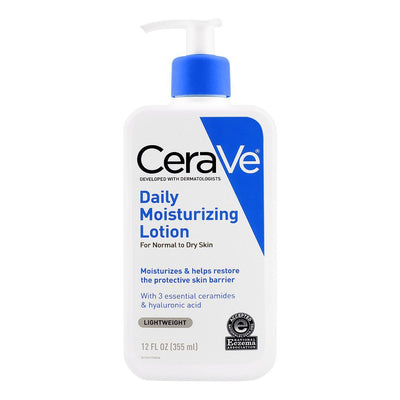
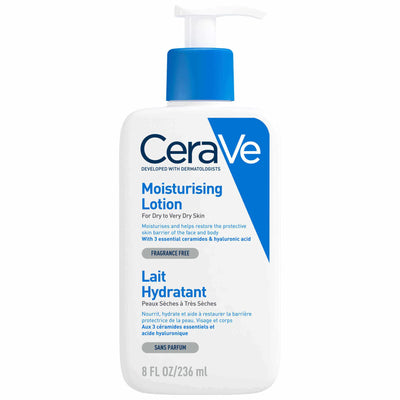
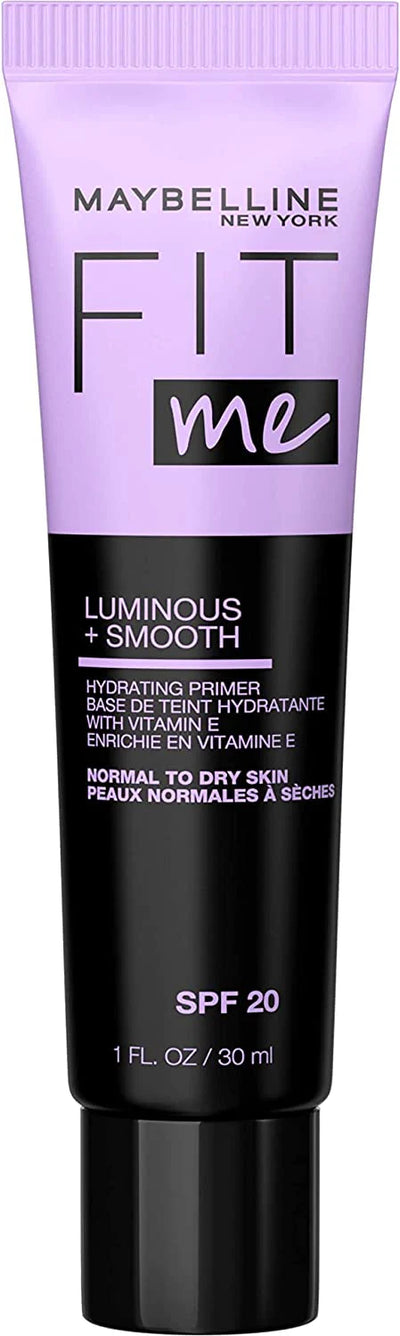
 Building a natural skincare routine becomes much easier when you choose authentic, high-quality products. At Khayest, you'll find a carefully selected collection of moisturizers, hydrating serums, gentle cleansers, and skincare essentials from trusted international brands.
Whether you're looking for a lightweight daily moisturizer, a nourishing cream enriched with Shea Butter, a hydrating formula containing Hyaluronic Acid, or products infused with soothing botanical ingredients, Khayest offers options suitable for dry, oily, combination, and sensitive skin.
By combining natural skincare habits with reliable skincare products, you can enjoy long-lasting hydration while supporting your skin's natural barrier every day.