
How to Keep Skin Moisturized in Winter
If you're wondering how to keep skin moisturized in winter, the answer lies in using the right skincare routine and products. Cold weather, indoor heating, and hot showers can dry out your skin, but proper hydration and a nourishing moisturizer can help keep your skin soft, healthy, and comfortable all season long.
Why Does Skin Become Dry in Winter?
Winter is one of the most challenging seasons for your skin. As temperatures drop, the air naturally contains less moisture. At the same time, indoor heating creates an even drier environment, causing your skin to lose water more quickly than usual.
Your skin has a natural protective barrier that helps lock in moisture. During winter, this barrier can become weakened, making it easier for water to escape. As a result, your skin may start feeling tight, rough, flaky, or itchy.
Many people notice that the moisturizer they use during summer no longer provides enough hydration once winter arrives. This is because lightweight formulas designed for warmer months may not offer the extra nourishment your skin needs during colder weather.
Understanding why your skin changes in winter is the first step towards building an effective skincare routine that keeps it hydrated throughout the season.
| Task | Timing | Method | Difficulty |
|---|---|---|---|
| Cleanse Skin | Morning & Night | Gentle cleanser | Easy |
| Apply Moisturizer | Morning & Night | On slightly damp skin | Easy |
| Apply Sunscreen | Every Morning | SPF 30+ | Easy |
| Use Lip Balm | Throughout the Day | Reapply as needed | Easy |
| Apply Hand Cream | After washing hands | Massage into hands | Easy |
How to Keep Skin Moisturized in Winter

The secret to how to keep skin moisturized in winter is consistency. Instead of trying to repair dry skin after it appears, focus on preventing moisture loss every day.
Start by cleansing your skin with a gentle cleanser that removes dirt without stripping away your natural oils. Harsh cleansers can make winter dryness even worse, so choosing a mild formula is important.
After cleansing, apply your moisturizer while your skin is still slightly damp. This helps trap water inside the skin and improves hydration. Waiting too long before applying moisturizer allows moisture to evaporate, leaving your skin feeling dry again.
During the day, protect your skin with sunscreen. Although winter sunlight feels weaker, ultraviolet rays can still damage your skin and contribute to dryness and premature ageing.
At night, use a nourishing moisturizer before going to bed. Your skin naturally repairs itself while you sleep, making bedtime one of the best opportunities to restore lost moisture.
Small daily habits often make a bigger difference than occasionally applying large amounts of moisturizer.
Best Ingredients for Winter Moisturizers
Not every moisturizer performs the same during winter. Choosing products with deeply hydrating and barrier-supporting ingredients can help your skin stay comfortable even in cold weather.
One of the most effective ingredients is Hyaluronic Acid, which attracts moisture and helps keep the skin hydrated. It works well for almost every skin type because it provides hydration without feeling heavy.
Ceramides are equally important during winter. These naturally occurring lipids help strengthen the skin barrier and reduce moisture loss. If your skin feels tight or flaky, ceramide-rich moisturizers are an excellent choice.
Glycerin is another powerful humectant that draws water into the skin, leaving it soft and smooth throughout the day.
For very dry skin, ingredients such as Shea Butter, Squalane, and Petrolatum provide additional nourishment and create a protective layer that helps prevent moisture from escaping.
If your skin is easily irritated during winter, products containing Panthenol can help soothe discomfort while supporting the skin's natural repair process.
When selecting a winter moisturizer, focus on ingredient quality rather than simply choosing the thickest cream available.
For clearer, healthier skin, our complete guide to escada perfume price in pakistan covers how it works and how to fit it into your routine.
Morning Winter Skincare Routine
A good morning routine prepares your skin for cold outdoor temperatures while protecting it throughout the day.
Begin by washing your face with a gentle cleanser suitable for your skin type. Avoid using very hot water, as it can remove natural oils and leave your skin feeling even drier.
If you use a hydrating serum, apply it after cleansing. Serums containing Hyaluronic Acid or Niacinamide help improve hydration and support the skin barrier before moisturizer is applied.
Next, use a nourishing moisturizer that suits your skin type. During winter, many people find that richer creams provide longer-lasting comfort than lightweight lotions.
Finish your routine with a broad-spectrum sunscreen of at least SPF 30. Even on cloudy winter days, UV rays can still affect your skin, making sunscreen an essential part of your morning skincare routine.
Should You Moisturize on Damp Skin?
One of the most common questions people ask is whether moisturizer should be applied to damp or completely dry skin.
For most people, applying moisturizer to slightly damp skin is the better option. After washing your face or taking a shower, gently pat your skin with a towel rather than rubbing it completely dry.
Applying moisturizer while a small amount of moisture remains on the skin helps lock in hydration and supports the skin barrier. This simple habit can make a noticeable difference during winter when moisture loss is more common.
However, your skin should not be soaking wet. Excess water can dilute skincare products and reduce how comfortably they spread across the skin.
Making this small adjustment to your routine is one of the easiest ways to improve winter hydration without changing your favourite moisturizer.
Are Hot Showers Drying Out Your Skin?

Nothing feels more relaxing during winter than a long, hot shower. Unfortunately, it may also be one of the reasons your skin feels dry afterwards.
Very hot water removes the skin's natural protective oils more quickly than lukewarm water. Without these oils, your skin loses moisture faster and becomes more prone to dryness, flaking, and irritation.
Instead of taking very hot showers, try using lukewarm water whenever possible. Limiting shower time and applying moisturizer immediately afterwards can help your skin stay hydrated for much longer.
This simple habit often makes a noticeable difference, especially if your skin becomes tight or itchy every winter.
Night Winter Skincare Routine
Your skin repairs itself while you sleep, making your evening skincare routine one of the most important parts of how to keep skin moisturized in winter.
Start by cleansing your face with a gentle cleanser to remove sunscreen, makeup, dirt, and excess oil that have built up during the day. Clean skin allows your skincare products to absorb more effectively.
If your skin feels dehydrated, apply a hydrating serum containing Hyaluronic Acid, Glycerin, or Panthenol. These ingredients help attract moisture and prepare your skin for the next step.
Follow with a nourishing moisturizer that contains Ceramides, Shea Butter, Squalane, or other barrier-supporting ingredients. During winter, richer creams often provide longer-lasting hydration than lightweight lotions.
If certain areas such as your cheeks or around your nose become extremely dry, you can apply a slightly thicker layer of moisturizer to those areas before going to bed.
Following this routine every night gives your skin time to recover from daily moisture loss and wake up feeling softer and healthier.
How Often Should You Moisturize in Winter?
Another common question is how many times you should moisturize during winter.
For most people, applying moisturizer twice a day is enough. Once in the morning and once before bed helps maintain hydration throughout the day and overnight.
However, some parts of the body may need extra attention. Your hands are exposed to frequent washing and cold air, so applying hand cream after washing your hands can help prevent dryness and cracking.
Similarly, your lips may require lip balm several times throughout the day because they lose moisture more quickly than other areas of the skin.
Rather than waiting until your skin feels dry, make moisturizing part of your daily routine to help prevent dryness before it starts.
Common Winter Skincare Mistakes
Even people with a good skincare routine sometimes make small mistakes that leave their skin feeling dry during winter.
One of the biggest mistakes is continuing to use the same lightweight moisturizer that worked well during summer. Winter conditions often require a richer moisturizer that provides more lasting hydration.
Another common mistake is washing the face with very hot water. While hot showers feel comforting, they can strip away the skin's natural oils and weaken the skin barrier.
Skipping sunscreen is another mistake many people make. UV rays remain present during winter, and daily sunscreen helps protect the skin from environmental damage.
Some people also over-exfoliate in an attempt to remove flaky skin. Excessive exfoliation can damage the skin barrier and increase irritation. During winter, it is usually better to exfoliate gently and less frequently.
Finally, forgetting to moisturize immediately after washing the face or showering allows water to evaporate from the skin, making it more difficult to maintain hydration.
Winter Skincare Tips for Different Skin Types
Every skin type reacts differently to winter weather, so your skincare routine should be adjusted accordingly.
Dry Skin
Dry skin usually benefits from rich creams containing Ceramides, Shea Butter, Squalane, and Glycerin. These ingredients help restore the skin barrier and reduce moisture loss.
Oily Skin
Oily skin still needs hydration during winter. Instead of skipping moisturizer, choose a lightweight, non-greasy moisturizer containing Hyaluronic Acid or Niacinamide. This helps maintain hydration without making the skin feel heavy.
Combination Skin
Combination skin benefits from balanced hydration. Medium-weight creams or lotions help moisturize dry areas while remaining comfortable on oilier parts of the face.
Sensitive Skin
Sensitive skin often becomes more reactive during winter. Gentle, fragrance-free moisturizers containing Ceramides, Panthenol, and Glycerin help soothe irritation while strengthening the skin barrier.
Do Humidifiers Help During Winter?
Many people notice their skin feels much drier indoors than outside, especially when heaters are running all day.
Indoor heating reduces the amount of moisture in the air, which can increase water loss from your skin. This is one reason your face may still feel dry even after applying moisturizer.
Using a humidifier can increase indoor humidity and may help your skin feel more comfortable during winter. While a humidifier is not a replacement for moisturizer, it can work alongside your skincare routine by creating a less drying indoor environment.
Combining a humidifier with regular moisturizing and gentle cleansing can help improve overall skin hydration throughout the colder months.
Best Winter Moisturizers Available at Khayest
Finding the right products makes it much easier to learn how to keep skin moisturized in winter. At Khayest, you'll find a carefully selected range of authentic moisturizers and winter skincare essentials from trusted international brands.
Whether you need a lightweight daily moisturizer, a rich cream for very dry skin, or a barrier-supporting formula containing Ceramides, Hyaluronic Acid, Glycerin, or Shea Butter, Khayest offers options suitable for every skin type.
You can also explore hydrating serums, nourishing body lotions, lip care products, and hand creams to create a complete winter skincare routine. Choosing authentic skincare products ensures your skin receives the quality care it needs to stay hydrated, comfortable, and healthy throughout the colder season.
Lightweight Moisturizer vs Rich Winter Moisturizer
Lightweight moisturizers are best suited for warm weather because they have a thin, fast-absorbing texture that hydrates the skin without leaving a greasy feeling. They are an excellent choice for oily and combination skin types and work well for everyday use during the summer months. In contrast, rich winter moisturizers are designed for cold weather. Their thicker, nourishing formula provides long-lasting hydration, making them ideal for dry or dehydrated skin. They also create a protective barrier that helps prevent moisture loss, offering extra hydration and protection throughout the winter season.
FAQs
How do I keep my skin moisturized in winter?
The best way to keep skin moisturized in winter is to cleanse with a gentle face wash, apply a moisturizer to slightly damp skin, use sunscreen every morning, avoid long hot showers, and follow a consistent morning and night skincare routine. Choosing products with hydrating ingredients such as Ceramides, Hyaluronic Acid, and Glycerin can also help maintain healthy, hydrated skin.
Why does my skin become so dry during winter?
Cold outdoor air contains less moisture, while indoor heating further dries the environment. These conditions weaken your skin's natural barrier, causing moisture to escape more easily. This often leads to dryness, flaking, tightness, itching, and irritation if your skin is not properly moisturized.
Should I moisturize more often during winter?
Yes. Most people should moisturize at least twice a day—once in the morning and again before bedtime. If your hands, elbows, knees, or other areas become especially dry, you may need to reapply moisturizer or hand cream throughout the day to maintain hydration.
Can hot showers make my skin drier?
Yes. Although hot showers feel relaxing in winter, very hot water can remove your skin's natural oils, making it more prone to dryness and irritation. Using lukewarm water and applying moisturizer immediately after showering can help protect your skin's moisture barrier.
Which moisturizer is best for winter?
The best winter moisturizer depends on your skin type. Look for products containing Ceramides, Hyaluronic Acid, Glycerin, Shea Butter, or Squalane, as these ingredients help restore moisture, strengthen the skin barrier, and provide long-lasting hydration during colder months.
Conclusion
Learning how to keep skin moisturized in winter doesn't have to be complicated. Small changes, such as using a gentle cleanser, applying moisturizer to slightly damp skin, avoiding long hot showers, and choosing products with nourishing ingredients, can make a significant difference in keeping your skin healthy and comfortable throughout the season.
Consistency is the key to preventing winter dryness. A well-balanced skincare routine, combined with moisturizers that support your skin barrier, can help reduce flakiness, tightness, and irritation while maintaining soft, smooth, and hydrated skin every day.
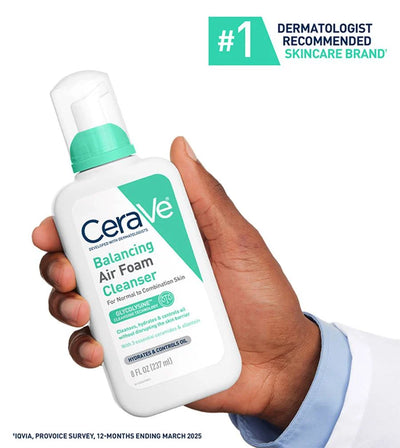
If you're looking for authentic winter skincare products, Khayest offers a carefully selected collection of moisturizers like cerave pakistan, hydrating serums, body lotions, hand creams, and lip care products from trusted international brands.
Explore the Khayest collection today and find the perfect skincare essentials to keep your skin moisturized, protected, and glowing all winter long.