
How to Exfoliate Face
If you want to know how to exfoliate face correctly, the answer depends on your skin type, the exfoliant you choose, and how often you use it. Gentle exfoliation can help remove dead skin cells, improve rough texture, and make skin feel smoother. However, too much exfoliation can cause dryness, redness, and irritation.
What Is Face Exfoliation?
 Face exfoliation is the process of removing dead skin cells from the surface of your skin. Your skin naturally sheds these cells, but some can remain on the surface and contribute to a dull or rough appearance.
When done correctly, face exfoliation can make your skin feel smoother and look more refreshed. It may also help skincare products spread more easily across the skin.
However, exfoliation is not about scrubbing your face until it feels extremely smooth. In fact, aggressive exfoliation can damage the skin barrier and cause more problems.
There are two main types of exfoliation: physical and chemical.
Physical exfoliation uses friction to remove surface cells. This can include face scrubs, exfoliating brushes, or textured pads.
Chemical exfoliation uses specific acids or exfoliating ingredients to loosen dead skin cells. Common examples include alpha hydroxy acids (AHAs), beta hydroxy acids (BHAs), and polyhydroxy acids (PHAs).
The best option depends on your skin type, concerns, and existing skincare routine.
How to Exfoliate Face Correctly
Knowing how to exfoliate your face is just as important as choosing the right product. A good routine should be simple, gentle, and suited to your skin.
Cleanse Your Face First
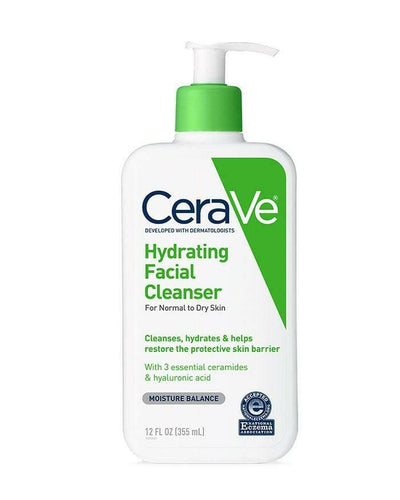
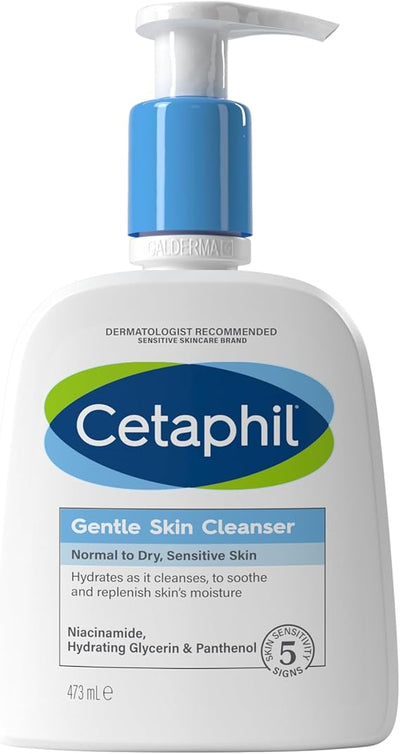
Start with a gentle cleanser to remove sunscreen, makeup, excess oil, and everyday dirt. Clean skin gives your exfoliant a better surface to work on.
Avoid using a harsh cleanser before exfoliation. Combining several drying products at once can leave your skin feeling tight or irritated.
After cleansing, gently pat your face dry if your exfoliating product is designed to be applied to dry skin. Always follow the directions provided with the product because application instructions can differ.
Choose the Right Exfoliant
The next step is choosing between physical and chemical exfoliation.
If you prefer a physical exfoliant, look for a product with fine, smooth particles rather than rough or sharp particles. Apply it with very light pressure.
If you choose a chemical exfoliant, start with a suitable concentration and follow the product instructions. You do not need to use a strong acid simply because it promises faster results.
For beginners, starting slowly is often better than introducing several exfoliating products at once.
Apply It Gently
When learning how to exfoliate face at home, remember that more pressure does not mean better exfoliation.
For a physical scrub, use your fingertips and make gentle circular movements. Avoid vigorous rubbing, especially around the eyes and other delicate areas.
For a chemical exfoliant, apply the recommended amount according to the product directions. Do not automatically leave it on longer because you think it will work better.
If your skin starts burning or becomes very uncomfortable, rinse the product off and stop using it.
Moisturize Your Skin
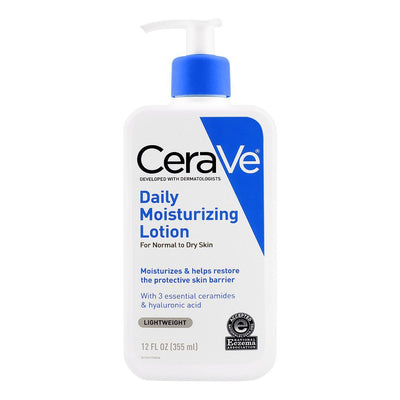
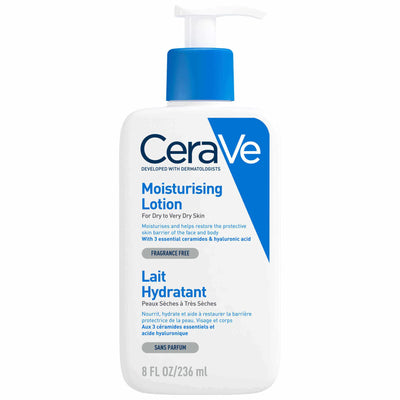
After exfoliating, apply a moisturizer that suits your skin type. This helps keep your routine comfortable and supports the skin barrier.
You do not need to use a complicated collection of products after exfoliation. A gentle moisturizer may be all you need.
If your skin feels tight or dry after exfoliating, consider reducing the frequency rather than adding more exfoliating products.
Use Sunscreen During the Day
If you exfoliate as part of your evening routine, remember to use sunscreen during the day.
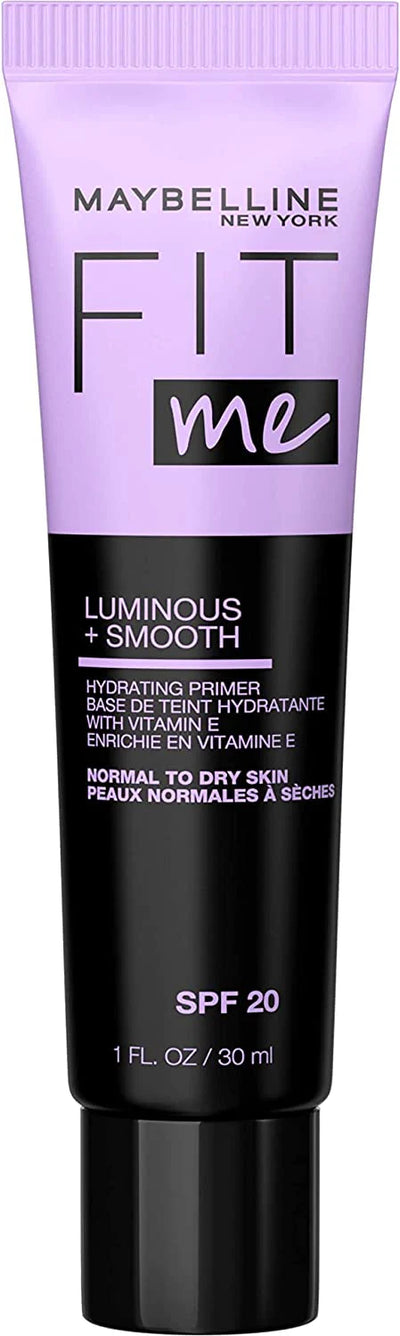
A broad-spectrum sunscreen helps protect your skin from ultraviolet exposure. This is especially important when your skincare routine includes exfoliating acids or other active ingredients that may make your skin more sensitive.
Physical vs Chemical Exfoliation: Which Is Better?
There is no single exfoliation method that is best for everyone.
Physical exfoliation removes surface cells through gentle friction. Face scrubs are the most familiar example. However, the texture of the scrub matters. Rough particles and aggressive rubbing can irritate the skin.
Chemical exfoliation uses ingredients such as AHAs, BHAs, and PHAs. These products can be found in toners, serums, masks, cleansers, and other skincare products.
Chemical exfoliation does not necessarily mean a harsh treatment. Different acids work in different ways and come in different strengths.
If your skin is sensitive, you may prefer a gentler chemical exfoliant or a very mild physical option. If your skin is oily or prone to clogged pores, a BHA product may be worth considering.
The most important point is to choose one method and introduce it slowly. You do not need to combine a scrub, exfoliating toner, exfoliating serum, and acid mask in the same routine.
How to Choose an Exfoliator for Your Skin Type
 Your skin type should guide your choice of exfoliant. What works for oily skin may be too drying for dry or sensitive skin.
Exfoliation for Dry Skin
If you have dry skin, avoid aggressive scrubbing. Excessive physical exfoliation can make dryness more noticeable.
A gentle chemical exfoliant, such as a mild lactic acid product, may be a better option for some people. However, even gentle acids should be introduced slowly.
Always follow exfoliation with a moisturizer. If your skin feels tight, flaky, or uncomfortable after using an exfoliant, reduce how often you use it.
Exfoliation for Oily Skin
Oily skin can often benefit from ingredients designed to help with excess oil and clogged pores.
Salicylic acid is a commonly used BHA that can be useful for oily and blemish-prone skin. It can help exfoliate inside pores as well as on the skin's surface.
However, oily skin can still become irritated from over-exfoliation. Do not assume that oily skin needs daily exfoliation.
Exfoliation for Sensitive Skin
Sensitive skin needs a slower approach.
If your skin often becomes red, itchy, tight, or irritated, avoid harsh scrubs and strong exfoliating products.
A gentle PHA or another mild exfoliating option may be more suitable for some people. Patch testing can also help you see how your skin reacts before using a new product more widely.
If your skin is already irritated, pause exfoliation until it feels comfortable again.
Exfoliation for Combination Skin
Combination skin can have both oily and dry areas. For example, the T-zone may become oily while the cheeks feel dry.
Instead of applying a strong exfoliant everywhere, pay attention to how each area behaves. You may need a lighter approach on dry areas and more targeted care around clogged pores.
Keeping the routine simple can help you avoid accidentally over-treating your skin.
Exfoliation for Acne-Prone Skin
Acne-prone skin can sometimes benefit from salicylic acid, especially when clogged pores and excess oil are concerns.
However, exfoliation is not a replacement for acne treatment. If you have persistent, painful, or severe acne, professional skincare advice may be more appropriate.
Avoid aggressively scrubbing active breakouts. Friction can make irritated skin feel worse.
AHA vs BHA vs PHA: What's the Difference?
Understanding common exfoliating acids can make choosing an exfoliant much easier.
AHA
Alpha hydroxy acids, or AHAs, include ingredients such as glycolic acid and lactic acid. They are commonly used to improve the appearance of dullness and uneven texture.
Glycolic acid has a smaller molecular size, while lactic acid is often considered a gentler option.
If you are new to acids, start with a lower-strength product and use it according to the instructions.
BHA
Beta hydroxy acid is best known for salicylic acid.
Because salicylic acid is oil-soluble, it can be useful for oily skin and clogged pores. It is commonly found in products designed for blemish-prone skin.
Still, using too much can cause dryness or irritation, so start gradually.
PHA
Polyhydroxy acids, or PHAs, are generally considered gentler chemical exfoliants.
They can be an option for people who find stronger acids uncomfortable. However, “gentler” does not mean you should use them excessively.
Your skin still needs time to adjust to any new active ingredient.
How Often Should You Exfoliate Your Face?
One of the most common questions about how to exfoliate face is how often it should be done.
There is no universal number that works for every person. Your ideal frequency depends on your skin type, the exfoliant you use, its strength, and the rest of your skincare routine.
Some people may be comfortable exfoliating once or twice a week, while others may need to exfoliate less often.
The important thing is to monitor your skin.
If you notice increased dryness, redness, stinging, burning, peeling, or sensitivity, you may be exfoliating too often.
Do not increase the frequency simply because you want quicker results. Skin needs time to recover.
Can You Exfoliate While Using Retinol or Tretinoin?
This is an important consideration for anyone using active skincare.
Retinol, tretinoin, and exfoliating acids can all be irritating for some people. Combining several strong actives without a plan may increase dryness, redness, and discomfort.
If you use a retinoid, do not automatically add an exfoliating acid every day. Depending on your routine and skin sensitivity, you may need to use these products on separate days.
People using prescription tretinoin should follow their healthcare professional's instructions rather than creating an aggressive exfoliation routine.
The same principle applies to other potentially irritating acne treatments.
When introducing a new active, add one product at a time. This makes it easier to understand how your skin responds.
What to Apply After Exfoliating Your Face
 After face exfoliation, your skincare routine should be simple.
Start with a moisturizer that helps keep your skin comfortable. Look for a formula that suits your skin type and does not cause irritation.
If you exfoliate during the day, finish with sunscreen.
You generally do not need to layer several active ingredients immediately after exfoliation. In fact, keeping the rest of your routine gentle can reduce the chance of irritation.
A simple routine may look like:
- Cleanser
- Exfoliant
- Moisturizer
For a morning routine:
- Cleanser
- Exfoliant if appropriate
- Moisturizer
- Sunscreen
Always follow the instructions for your specific exfoliating product.
Signs You Are Over-Exfoliating
Exfoliation should not leave your skin constantly uncomfortable.
You may be over-exfoliating if your skin becomes:
- Red or unusually sensitive
- Tight or excessively dry
- Flaky or peeling
- Burning or stinging
- More reactive to products
- Unusually shiny but uncomfortable
If you notice these signs, stop exfoliating for a while and focus on gentle skincare.
Use a mild cleanser and moisturizer, and avoid adding more active ingredients until your skin feels comfortable.
Common Face Exfoliation Mistakes to Avoid
One of the biggest mistakes is assuming that a stronger product will produce faster results. Stronger is not always better for your skin.
Another mistake is combining several exfoliating products. Using a face scrub alongside an AHA toner, BHA serum, and exfoliating mask can be too much.
Scrubbing too hard is another common problem. Your face does not need the same pressure you might use when cleaning a surface.
You should also avoid exfoliating irritated or damaged skin. If your skin is sunburned, wounded, or already very inflamed, give it time to recover.
Finally, do not forget moisturizer and daytime sunscreen. Exfoliation should support your routine, not replace the basics of good skincare.
FAQs
How often should you exfoliate your face?
Many people can start with once or twice a week, but the right frequency depends on your skin type and the product you use. Sensitive or dry skin may need less frequent exfoliation.
Is a face scrub better than a chemical exfoliant?
Neither is automatically better. A gentle scrub can provide physical exfoliation, while AHAs, BHAs, and PHAs provide chemical exfoliation. Choose according to your skin type and tolerance.
Can I exfoliate if I have sensitive skin?
Yes, but use extra care. Choose a gentle option, start slowly, and avoid exfoliating when your skin is already irritated, dry, or damaged.
Should I moisturize after exfoliating my face?
Yes. Applying a suitable moisturizer after facial exfoliation can help keep your skin comfortable and reduce the feeling of dryness.
Can I use retinol and exfoliate my face?
You may be able to include both in a skincare routine, but using them together can increase irritation. Consider separating them and introduce products gradually. If you use prescription tretinoin, follow your healthcare professional's advice.
Conclusion
Learning how to exfoliate face correctly is less about scrubbing harder and more about understanding what your skin needs. Gentle exfoliatior can help remove surface dead skin cells and improve the appearance of dull or rough skin, but it should always be balanced with moisturization and skin-barrier care.
Choose between physical and chemical exfoliation based on your skin type and concerns. If you are using an acid, start slowly and follow the product instructions. If you prefer a scrub, use gentle pressure and avoid harsh particles.
Most importantly, do not exfoliate simply because you think you should. Your skin may need more or less exfoliation depending on its condition and the other active products in your routine.
If you notice persistent redness, burning, peeling, or irritation, stop exfoliating and give your skin time to recover. For ongoing skin concerns, professional advice can help you choose a safer routine.
For more practical skincare guidance, Explore Khayest for simple tips that can help you understand your skin and build a routine that works for you.